There was a long time in the recorded history of Black American Music, especially Improvised Music, that records labels big and small put together recording sessions that combined leaders of various ensembles in their own "Super Session." Norman Granz did it in the 1950s with his "Jazz at The Philharmonic" series, Milestone/Prestige producer Orrin Keepnews did something similar in the 1970s and 80s with Sonny Rollins, McCoy Tyner, Bobby Hutcherson. and others. Wayne Shorter's Quartet, founded in 2000, is, perhaps, the most successful of the "leaders-full" group – pianist Danilo Perez, bassist John Pattitucci, and drummer Brian Blade are all established artists who joined the late Mr. Shorter to create a two decades of explorations and sonic adventures.
Photo: Erika Kapin
The members of Lux Quartet have a similar lineage to Mr. Shorter's group. Pianist Myra Melford seemingly exploded onto the "jazz scene" out of Chicago to New York City in the early1990s with her HatArt trio recordings and has gone to lead or co-lead numerous ensembles. Drummer Allison Miller has been leading ensembles since the early 2000s, creating music that blends story and song, rhythm and freedom; she also is a highly sought-after side person. Saxophonist Dayna Stephens has also been in the spotlight since the mid-2000s creating albums and groups that celebrate tradition as well push at the borders of said tradition. Bassist Scott Colley has a list of credits ranging from recordings and live gigs with guitarist Jim Hall, saxophonist Donny McCaslin, pianist Andrew Hill, vibraphonist Gary Burton, and so many others to eight albums as a leader. Put these four musicians together and the sky's the limit!
"Tomorrowland" (ENJA/Yellowbird) is the Lux Quartet's debut album. Ms. Melford and Ms. Miller, the co-leaders of the band, contribute three compositions apiece to the program with Mr. Stephens and Mr. Colley adding one of their own. All that aside, when you put on the album, this is most assuredly a group effort. The opening track, Ms. Melford's "Intricate Drift", comes in on a martial beat and a slinky melody line. First thing one hears is bassist Colley's counterpoint to that melody. The alto sax solo skitters atop the now-dancing rhythm section. Ms. Melford's piano solo builds off the delightful alto spot, introducing a touch of Monk and a lot of angular melody lines and chords. Ms. Miller's "Congratulations and Condolences" opens like a mid-1960s John Coltrane piece with the soprano sax melody bouncing off the high-powered rhythm section. The energy jumps up considerably for the sax solo. Ms. Melford follows with her knuckle-buster solo like a whirling dervish in the midst of a sand storm.
Image: Michael Jackson
The following track, "Deeply Us" (also a Miller composition), is a beautiful ballad on which Mr. Colley's bowed bass and the truly emotional piano solo stand out. Mr. Stephen's tenor does not really enter until half-way through but his melodic journey is gentle and heartfelt. Nothing is rushed or truncated, all the elements in their places.
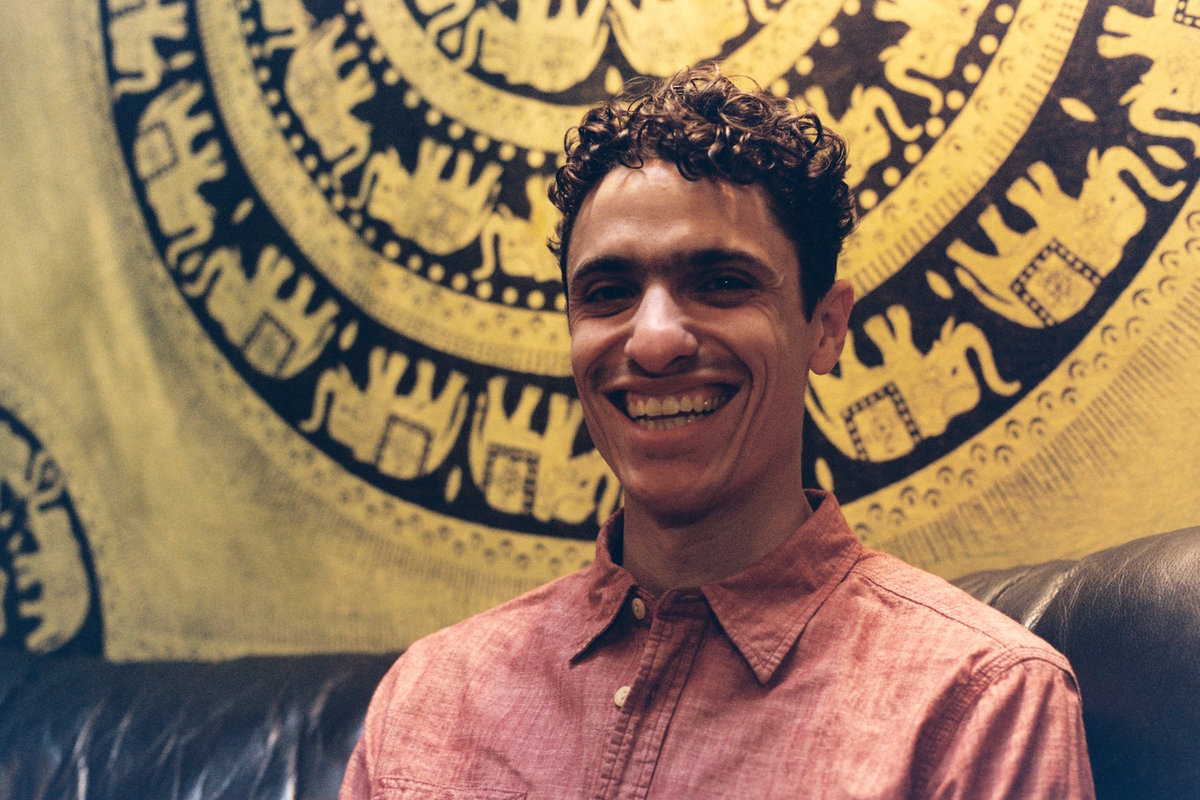
Listeners who remember the great San Francisco Bay-area drummer Eddie Marshall (1938-2011, pictured left) who played with the fusion quartet The Fourth Way as well as vibraphonist Bobby Hutcherson (among many others) will enjoy Ms. Miller's "Speak Eddie". Starting out as a fast "bop" tune, the quartet immediately drops into a march beat to state the theme. Ms. Melford charges ahead into her solo firing up the rhythm section to alternate tempos, her dancing two-fisted attack raising the bar. What follows is a bass and sax conversation (sans piano and drums) with the musicians teasing, cajoling, and, all of a sudden, Ms. Miller takes Colley's place dueling with Stephens before the drummer takes over for a short, fiery, solo before everybody returns for a quick statement of the theme.
The album closes with the title track, the bassist's contribution, and it too is a powerful ballad. After a two-minute solo piano introduction, the bassist shows his masterful melodic side which leads to the tenor taking the lead over the swirling cymbals and piano-bass conversation. The most impressionistic piece on the program, the second half of the performance rises and falls on the bowed bass, skittering cymbals, and the saxophone's gentle pleading, perhaps praying. The intensity ramps up until the inevitable fall back down to silence.
The more I listen to "Tomorrowland", the more I hear a group effort. It's understandable for some to concentrate on the four excellent musicians in the Lux Quartet. One really has to listen as we were the fifth member of the group sitting alongside the rhythm section. Judging by the videos online (see one below), the band is excellent in person. Jump in – tomorrow is sounding quite good!
Guitarist Kurt Rosenwinkel really came into his own as a bandleader, composer, and guitarist in the late 1990s when he organized The Next Step Band, a quartet featuring Mark Turner (tenor saxophone), Ben Street (bass), and Jeff Ballard (drums). Sometimes, pianists Brad Mehldau or Scott Kinsey joined the core quartet. Rosenwinkel signed with Verve Records in 2000, producing a trio of albums over the next three years featuring these musicians. "The Enemies of Energy" was issued first – the album had been recorded in 1996 and, upon its release, received great critical acclaim in the United States and around the world. "Live at Smalls 1996" (Heartcore Records) shows the group at its best, navigating through six tunes, five of which exceed nine minutes, with an infectious energy that begs one to play the album loud...and often. It's a treat for the listener to get lost in the improvisations –– Turner and the leader are particularly impressive all the way through. Under headphones, one can hear the subtlety that Ballard and Street bring to the music, not just holding the pieces together but really pushing the front line.
Listen below to "Use of Light" to hear a group that listens, responds, and is involved in telling its story!
Every once in a while, you receive a recording and you say "how have I missed this artist? – surely this is not her first album". As far as I can tell, April Varner, a native of Toledo, Ohio, is a true newcomer. Yes, she won the 2023 International Ella Fitzgerald Jazz Vocal Competition and before that had self-released a 4-song EP, "Hummingbird", in 2022 but, for the most, she's been flying under the "critical" radar. Her bio reads that it wasn't until she attended Indiana University that began Ms. Varner made her transition to jazz. Soon, she was the head of the IU vocal jazz ensemble and in her senior year, became the vocalist in the Du Vido Septet, the IU Brazilian Jazz ensemble. After graduation, Ms. Varner moved to New York City where in 2022, she earned her Master's Degree in Vocal Jazz Voice Performance under the tutelage of Theo Bleckmann. Since then, she has studied with Tierney Sutton, Kurt Elling, Russell Malone, and Sachal Vasandani (among others) as well as performing in clubs and concert venues around the United States and in venues in France.
"April by April Varner" (Cellar Music) is her first album. Produced by Ulysses Owens II, not only does the 11-song program cover a lot of musical territory but also does so with each song having "April" in its title. The really smart idea works because of her choice of material. Yes, there are standards, such as "I'll Remember April" and "April In Paris" but there are also several originals. Her choice of covers range from Paul Simon & Art Garfunkel's "April Come She Will" to Prince's "Sometimes It Snows In April" to Glen D. Hardin's "April Again" (first recorded by Dean Martin!) to her original lyrics to Pat Metheny's "Joy Of April". Ms. Varner joins voices with Theo Bleckmann on an emotionally rich reading of Frank Ocean's "Dear April". Not only do the the two voices interact but Bleckmann, who is the co-producer on the track, overdubs numerous voic es that serve as a chorus, as counterpoint, and as whispers in the distance.
As important as the material is, the excellent musicians who support her throughout the majority of the songs are just as integral to the album's success. Pianist Caelan Cardello, bassist Reuben Rogers, and drummer Miguel Russell are not just her "backup band" but also key contributors to the success of the performances. They lay down a "wicked" Latin rhythm on "I'll Remember April" which also includes Dayna Stephens (tenor saxophone) and Bennie Benack III (trumpet). In the middle of the song, Ms. Varner and Mr. Benack III step out for a vocal exchange that's a rapid-fire scat interaction. Listen below to Mr. Metheny's "Joy of April" which features her trio plus one of her mentors, Russell Malone on guitar. Note how high and clear she sings through her lyrics – always clearly, never strident – and her "solo" is the middle is a joy, as is the fine tenor solo from Mr. Stephens. Ms. Varner caresses Prince's lyrics on the sad elegy "Sometimes It Snows In April": the rhythm section is right there with her. Russell's gentle cymbal work, Rogers' melodic bass work, and Cardello doing double on acoustic and electric guitar. Their sterling accompaniment gives Ms. Varner the right support so her soulful, emotional, vocal stands out.
The album closes like it began, with a fine original from the leader. "Who Let April Back In My Dreams" rains down on the listener like a gentle Spring shower. The voice draws you into the story, into the dream of unrequited love, and the music helps you settle. It's a smart close to a splendid debut.
"April by April Varner" should introduce the fine young singer and composer to a wider audience. Don't be put off by the 11 "April" songs: embrace the fact that each song is a universe of delights in itself. Also note that April Varner has a lovely, lively, voice that never sounds like anyone but herself. You might hear some Ella, perhaps Sarah Vaughan, and, on the Frank Ocean tune, hints of Sachal Vasandani in her delivery, but it all gets mixed in seamlessly. This is quite a delightful album and one hopes for many more over the decades!
This post features three quartets led by tenor saxophonists who double on other reeds, two that have the same type of lineup –– saxophone, piano, bass, and drums (same drummer on both albums) –– and one that substitutes guitar for piano.
Photo: Dave Stapleton
Chris Potter signed with Edition Records in 2019 and each one of his five releases show a different side. Last year's "Got the Keys to the Kingdom" was recorded live at The Village Vanguard and featured Potter with Craig Taborn (piano), Scott Colley (bass), and Marcus Gilmore (drums). His latest album, "Eagle's Point", is also a quartet date but with a totally different lineup –– Brad Mehldau (piano), John Patitucci (bass), and Brian Blade (drums). Just seeing those names should be enough to make one purchase the album or, at the very least, listen to it. You should because it's good music and great fun.
"Dream of Home" gently opens the eight-song program but as soon as the leader begins to solo, the proceedings heat up. The bassist and drummer spent two+ decades with Wayne Shorter's last Quartet and they absolutely know how to support, how to push the soloists, and how much to add. Patitucci's handsome bass opening (such a lovely tone!) leads the band into "Cloud Message". Potter's tenor playing so assured, his notes so articulate even as he flies through a solo. Throughout the album, Mehldau not only plays with authority (is that Bud Powell showing through on his solos) but also his comping is so delightfully post-bop. Listen below to the title track –– the music is playful, slightly funky (check out the song's chorus), and the rhythm section is so "tight yet loose".
Photo montage: Dave Stapleton
Among the the highlights is the African-influenced tune "Indigo IIdiko" which finds the leader on bass clarinet. There's such a melodious feel to Potter's tone as well as splendid solos by Patitucci and Mehldau with the latter reminding this listener of Keith Jarrett's work with the Charles Lloyd Quartet. Potter switches to tenor sax for his solo which moves the piece more towards the mainstream. "Aria for Anna" finds Potter on soprano sax where his lovely tone is perfect for the ballad where the only other instrument for 2/3rds of the song is the piano. Mehldau, one of the best at painting pictures through melody, is the perfect match for the leader's soaring solo. It's easy to miss the bass and drums when they enter but they add just the right colors.
The album closes with "Horizon Dance", a piece with rhythms that incorporate South American influences. The bassist is at his best here interacting with the saxophonist, playing off his riffs while the drummer gleefully dances. Mehldau keeps up the heat with his own spicy solo. Blade gets a moment to "strut his stuff" before the Quartet returns to the opening theme to close the program.
"Eagle's Point" is yet another feather in the expansive cap that is the career of Chris Potter. The majority of the music and musicianship exudes joy with nary a false note. Listen up! Good music is infectious.
I am a long-time fan of the music of Charles Lloyd; he rarely disappoints with his music. While I receive many recordings to review from publicists, Blue Note releases rarely show up so I buy them. Once I heard tracks from Mr. Lloyd's new album, there was no way I could ignore the music. The 15-song, 91-minute album, features a quartet with veteran Jason Moran (piano), Larry Grenadier (bass), and newcomer Brian Blade (drums)
"The Sky Will Be There Tomorrow" is the 86-year old Lloyd's 51st album and first studio date since 2017. He's always favored the quartet setting although he's been more adventurous with lineups since joining Blue Note nearly a decade ago. The energy that emanates from this recording is powerfully positive whether the music is meditative (as on the opening "Defiant, Tender Warrior" or the ballad "The Ghost of Lady Day"), fiery (as on the tenor-piano take of "Lift Every Voice and Sing" where the duo take the piece "out" is a flurry of Gospel chords) or rhythmically adventurous (as on the flute-driven "Booker's Garden" and the playful "Monk's Dance"). Listen below to the last track listed in the previous sentence. After a powerfully rollicking intro by Moran, the rest of the band enters and the piece takes off. Blade certainly can swing while Grenadier is both melodic and pulsating.
One should listen to this album in its entirety each time. There are so many masterful moments. The fire that Mr. Lloyd creates in his sparring with Blade and then Moran on the opening several minutes of the title track is one as is the piano solo on the same track. The beauty and open feeling of "Balm in Gilead" is lovely as is the long, exploratory, gentle "Cape to Cairo" near the close of Side 4 or disc 2.
By the time you reach the final track, "Defiant Reprise; Homeward Dove", the music should have changed you. Here are four master musicians led by a person who moved from his hometown, Memphis TN, to Los Angeles in 1956, starting a career that has spanned nearly seven decades, a musician who has recorded numerous standout recordings with musicians from around the world. Listen closely, listen deeply –– the rewards are endless!
For more information, go to https://charleslloyd.com/. The link to his music is there as well as his 2024 tour schedule and more.
Here's "Monk's Dance":
Photo: William Brown
Saxophonist and composer Dayna Stephens has a new Quartet and a new album. Since his 2015 kidney transplant, Stephens has issued five albums as a leader, a fusion album underneath the name of Pluto Juice, and appeared as a sideman on numerous albums including releases by Linda May Han Oh, Johannes Wallman, Massimo Biolcati, and Ethan Iverson & the Umbria Jazz Orchestra (among others). It's easy to understand why he's so popular as his sound on tenor is full but never over-blown, his soprano playing is melodic and not shrill, and his ever-maturing work on EWI humanizes the electronic instrument.
For his new "working" ensemble, the atmospheric sounds of young guitarist Emmanuel Michael (born in South Dakota to Ugandan and South Sudanese parents) stand out alongside the rhythm section of Kanoa Mendenhall (bass), and Jongkuk Kim (drums). Stephens first met the guitarist in 2022 when Michael was a student at Manhattan School of Music and a member of his ensemble. This ensemble went into a New York City studio in May of 2023 and recorded "Closer Than You Think", Stephens' first album for Cory Weeds Cellar Live Records. It's Michael's sweet guitar one hears first as it leads the band in on his composition "Bubbly". Listen below to how easily the rhythm section creates a flow for the leader's tenor sax and the guitar. This is one of several times on the 11-song program that this music is reminiscent of the collaboration of Charles Lloyd with guitarist John Abercrombie.
Photo: William Brown
Like Mr. Lloyd, this music often has an "open" feel. The way that Ms. Mendenhall and Kim move under the music allows both the leader and guitarist to go on lengthy solo journeys. "The Nomad" (the first of three pieces composed by Stephens) is a delightful sonic experience –– just sit back and get lost in the music. "Scrutiny" (another of Stephens' pieces) is more frenetic pushed hard by Kim's powerful drumming. Wayne Shorter's "E.S.P." adds producer Jeremy Pelt's trumpet to the Quartet. The funky undertow allows the soloists to move freely around the melody with Michael's guitar work raising the temperature of the music. The guitarist's other composition, "Placate", may remind some of songs by Bill Frisell, especially the work he created alongside Joe Lovano and the late Paul Motian –– Stephens' solo has a gentle quality as it moves effortlessly over the rhythm section and guitar counterpoint.
Near the close of the program, the band plays pianist Julian Shore's gentle bossa-nova "Back Home". It's here that the leader switches to EWI; before his enchanting solo, bassist Mendenhall creates a melodic solo of his own with Michael's finger-picked acoustic guitar moving dancing beneath him. The program ends with "Placate (reprise)", first a duet for guitar and bass, closing with Stephens' tenor leading the way to a gentle finish.
The more I listen to "Closer Than We Think", the more I enjoy the interactions of the quartet, the breadth of the material (including pieces by pianist David Berkman and Ms. Mendenhall's appealing "Te" with the leader on soprano sax), and how it's easy to fall under its spell. Dayna Stephens continues his growth as a musician and interpreter as well as very good judge of talent. Get lost in these grooves – you will better for the adventure!
The Le Boeuf Brothers, Pascal (piano, compositions) and Remy (alto and tenor saxophones, compositions), first came to critical attention in 2009 when they self-released their debut album "House Without a Door". The identical twins have both managed to carve out solo careers as performers, composers, arrangers, and educators. Pascal leads a Trio and works with vocalist Allan Harris and saxophonist Jeff Coffin while Remy leads a large ensemble known as Assembly of Shadows. He received several GRAMMY nominations for his work with that ensemble and Pascal just (in mid-April) was rewarded a Guggenheim Fellowship. Their co-lead group has issued four albums including 2013's "Remixed" and 2016's "Imaginist" with the JACK Quartet.
"Hush" (SoundSpore Records) is the brothers' first release in seven years. Featuring Dayna Stephens (tenor saxophone), Linda May Han Oh (bass), and Christian Euman (drums, cymbals, brushes), the majority of the 19 tracks (only three are over five minutes duration) live up to the recording's title. Euman uses brushes on the majority of the songs––in fact, it's the quiet nature of the music and the emotional richness of the melodies that pulls in the listener. Due to the brevity of many of the cuts, there are few solos yet the poetry in the melody often stands out. Pieces such as "Soot", "Please Scream Inside Your Head", and "State of Conflict" are much more beautiful than their titles suggest. Take the first track listed (listen below); despite the name, the music is gentle with the melody played by a breathy alto saxophone underpinned by gentle piano chords and low bass notes plus just the hint of mallet work. As the piano moves up front (for just one short chorus), there is no pressure or tension, just an exquisite sense of peace.
Watch the video below for "Wedding Planning", certainly the most spirited piece on the recording. Still, Euman is still using brushes but note how it's Pascal's piano and Ms. Oh's wonderfully articulated bass lines that move the music forward. The alto solo is quite joyful and there are moments when the rhythm section gleefully swings!
Really, you need to take the time to listen to this music. There are hints of Debussy and Satie in the melodies as well as folk music and Americana, Sondheim and Bacharach; that's it, just "hints". Melody and interaction are the watchwords of "Hush", music that eschews technical displays and long solos for haiku-like melodies and soft timbre. The Le Boeuf Brothers want you to respond to this music by gathering it in, sharing with friends, and returning to the quiet sounds many times.
The final installment of what could easily called the best new releases of the past three months and among the best of 2022.
Photo: Stephen Hawk
Bassist and composer Noah Garabedian is not only a well-educated musician (with degrees from UCLA and NYU) but also quite busy. He has worked with saxophonist Ravi Coltrane, pianist Kris Davis, drummer extraordinaire Jeff "Tain" Watts, and guitarist Nir Felder. He co-leads a trio with saxophonist Caleb Wheeler Curtis and drummer Vinnie Sperrazza (they have two recordings) and has released two albums as a leader, 2014's "Big Butter and the Eggmen" (BJU Records) and 2020's "Where Fables Meet" (self-released through Bandcamp). Since before the Pandemic, Garabedian has been working with the rhythm section of Carmen Staaf (piano) and Jimmy Macbride (drums). They appear on the 2020 album along with bassist's tenor saxophonist brother Raffi. Both albums are well exploring because the musicianship and the compositions are top-notch.
For his third album "Consider The Stars Beneath Us" (Outside In Music), Ms. Staaf and Mr. Macbride are back along with saxophonist Dayna Stephens (tenor and soprano) plus producer Samuel Adams (effects, programming, Moog Minitaur, and Juno JU-06A). What stands out for this listener is the strength of the compositions, the great work of the band, and the depth of the sound. Garabedian's bass is front and center in the mix yet everyone else is so clear. Listen to the Weather Report-influenced "Salt Point"––under headphones, the music is so immediate and alive. Through speakers in the room, the music seems to fill every space but is not as intrusive as it is joyous and welcome.
The blend of playful tunes and softer, more introspective, music pulls the listener. The blend of quiet tenor sax, classically-inspired piano fills, and full-throated bass push the opening "RR" with Macbride's active yet softer drumming pushing the music forward. One might look at the title "Expectation. Regret." and think this piece might be introspective as well. But there is a quiet fire in the rhythm section that gives Stephens the cushion to build an impressive solo. The combination of the thick-toned bass lines and powerful piano work of Ms. Staaf makes the music jump. The pianist channels her inner McCoy Tyner on the closing track "Alice", producing a stunning solo. Stephens expressive soprano sax pairs with the percussive piano to dance through the theme of "Petty Thieves" that then opens to a formidable bass solo. "Shackelton's Cocoa" follows and it's a mischievous blend of blues and tango–the music is not a joke and builds to an impressive conversation between the four musicians.
Producer Adams layers electronics on several tracks; his most impressive work can be heard on "Pendulum for NG", a tune he wrote for the bassist. It's a strong piece especially for the fine tenor sax solo and the melodic strength of the rhythm section. The synth sounds are, mostly, subtle and hardly intrusive.
"Consider the Stars Beneath Us" is a splendid album, filled with with excellent compositions and fine playing. Having listened numerous times over the past several months, this album fills this listener with joy and, like the best music, gives me hope.
Five years ago, tenor saxophonist and composer Chet Doxas released "Rich In Symbols" (Ropeadope Records), a collection of compositions inspired by artworks from New York City artists of the 1980s. The saxophonist spent hours in galleries looking at the pictures, writing down melodic fragments and other thoughts. The resulting album was a powerful statement that mixed different genres of music and sounds, subtly capturing both the energy of the art and the composer's musical interpretations. You can listen by going to https://chetdoxas.bandcamp.com/album/rich-in-symbols.
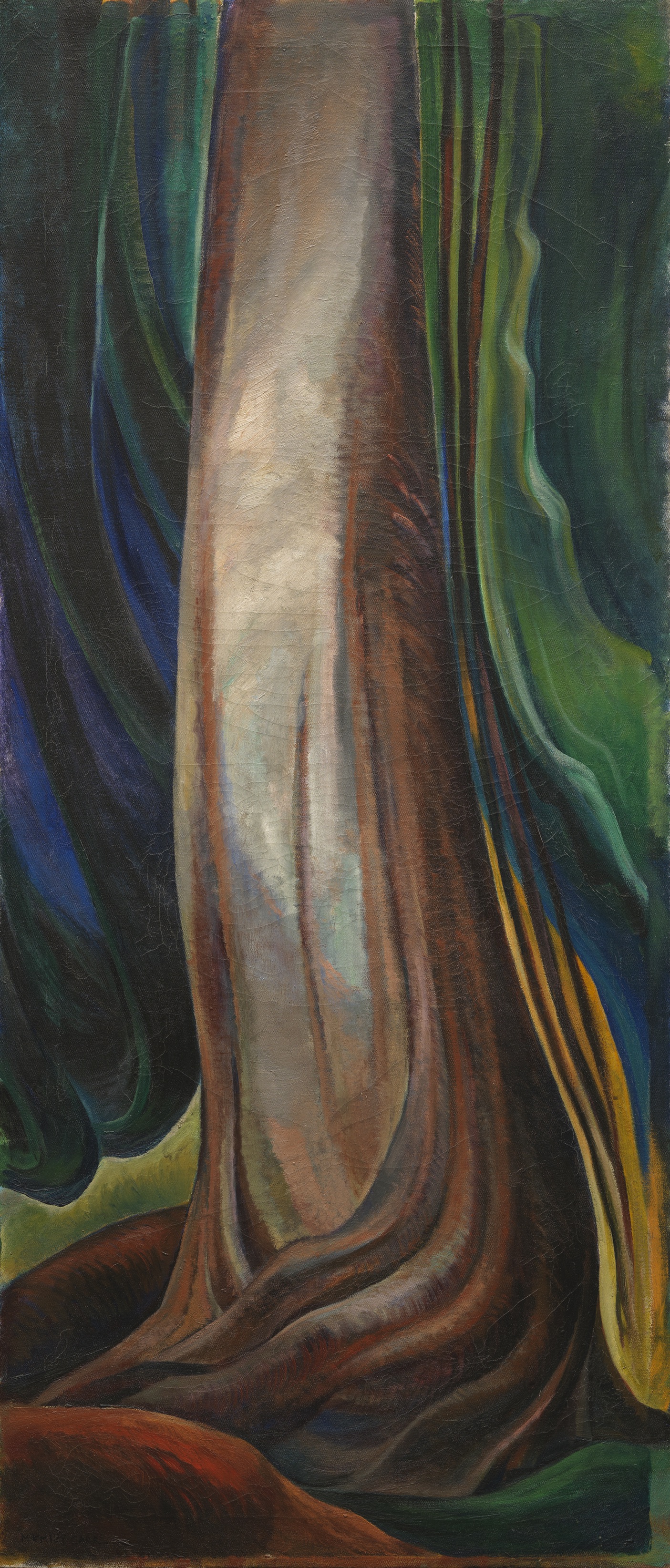
"Rich in Symbols II" (Justin Time Records) carries the subtitle "The Group of Seven, Tom Thomson and Emily Carr"; this time, Doxas spent time investigating artists from his native Canada (he's a native of Montreal, Quebec). Because all of the works are outdoor scenes, Doxas also created "field recordings" for the tracks that places the music (and the paintings) outside the galleries. The rhythm section of Zach Lober (bass) and Eric Doob (drums) return from the first recording and the group is filled out by Jacob Sacks (piano, mellotron) and Joe Grass (pedal steel, guitar, banjo). Like the earlier album, there are seven tracks but, for the most part, the newer pieces are longer and episodic in composition. The impressionistic quality of the music and the performances allows for great variety in sounds––the music escapes from any specific genre and offers the listener a fascinating aural experience.
Photo: William Geddes
The first piece that really drew me into the project is "The Jack Pine". The longest piece in the program (13:04), the music also seems to travel the farthest. From the faint bell sounds (processed guitar and piano) plus a scratchy saxophone (as if recorded through a telephone), the music moves slowly like the wind blowing through the lonesome tree as depicted by Tom Thomson's painting (the artist lived from 1877-1917). Once Sacks picks up the melody on piano, the music begins to move forward with Doxas picking up the theme. Suddenly, the rhythm section, sans piano, falls into a swing rhythm for a far-ranging pedal steel solo (reminds this listener of the playing of Susan Alcorn)–as the intensity picks up, the piece goes rubato and Doxas takes the lead. A quiet resolution to his solo leads to a gentle piano statement that reintroduces the theme and the cut closes on the gentle sounds of the opening seconds. Upon multiple listens, it strikes this listener that the melody hearkens back to music of the artist's time. And the "airiness" as well as the noise places the subject outdoors in a cold and windy landscape.
Emily Carr
There is a playful quality that emerges from "Tree Trunk", the song based on the painting by Emily Carr (1871-1945). The music takes almost three minutes to emerge but when Doob drops into a "thumping" beat and Grass strums the banjo, Doxas (on clarinet) introduces the delightful melody. Shadowed by the bassist, the leader keeps dancing over the rhythm that is influenced by the work of Steve Reich.
"House of Yprés", based on the painting (one of two on the album) by A.Y. Jackson (1882-1874) that the artist created while in France during World War I. Depicting a bombed-out house, the piece also features poet Sam Roberts reading an original work over the stark musical landscape.
The final track, "The Front of Winter" which is based on a painting by J.E.H. MacDonald (1873-1932), is a stunning "tone-poem", a handsome evocation of a snowy landscape on a winter morning. The blend of Doxas's rich tenor sound with the crisp piano lines, floating pedal steel sounds, thick yet melodic bass work, and the active brushes dancing around on the drum kit, is soulful, joyous, and reverential at the same time, a perfect close to a wonder-filled program.
"Rich In Symbols II" is an album you need to live with for a while. Much of the music is deliberate as if you are with Chet Doxas as he "sketches" his idea in the company of the paintings. This is not a program concerned with technical brilliance but with helping you see and hear how one art form influences another as well as how the musician's interactions with the outside (natural) world can create concepts in the creator's inner world. A glorious program that deserves your attention!
There was a lot of very good-to-excellent music to listen to and write about this year; so much so, that I'll play catch-up through January 2021. Here's the rest of the recordings (in no particular order) I believe made this year so much better.
Brian Asher – "Brian Asher's Skrontch Music" - (Sinking City Records) – Even though this large ensemble album was issued in October of 2019, I did not create a review until late January of 2020. Asher has created a fascinating recording illuminating how the Black music that grew up in New Orleans permeates much of what we listen to. The 5-song "suite", created for a 10-piece ensemble, combines the issues of anti-Jim Crow activism with the growth of jazz from the turn of the 20th Century forward. Considering the craziness of this year, the music is hardly dated but right on target.
Rudy Royston – "PaNOptic" - (Greenleaf Music) – Mr. Royston is one of the finest drummers playing at this time. He is the supersonic engine beneath numerous Posi-Tone Records recording sessions yet can play gently and melodically when working with people such as Bill Frisell and Dave Douglas. When the pandemic hit, the drummer decided to release these solo tracks he made several years before. It's a percussive "autobiography" with Mr. Roystron paying tribute to the blues, to influences Max Roach and Elvin Jones, Herbie Hancock, Prince, and Jack DeJohnette, to dancing and more. 100% of the proceeds from the sale of the album goers to the Music Cares COVID-19 Musicians Fund. To listen to and purchase this splendid project, go to
Jorge Roeder – "El Suelo Mio" - (Self-released) - Bassist Roeder, who has regular gigs with guitarist Julian Lage as well as trombonist Ryan Keberle's Catharsis, created this musical gem before the pandemic struck yet it's a perfect example of an artist making creative statements on an instrument that often is overlooked for its versatility. Like a snifter of Cognac, aged single-malt Scotch, or vintage Port, this is music to be savored in the quiet moments of the day, early morning and late evening. Thoughtful, melodic, soulful, exciting and more, this music shines! For more information, go to www.jorgeroeder.com. To hear more and purchase, go to https://jorgeroeder.bandcamp.com/album/el-suelo-mio. Take a look:
The Dayna Stephens Quartet – "Right Now! Live at The Village Vanguard "- (Contagious Music) - Listening to this album for the first time five months into the pandemic made me long for live venues and for groups such as this who are musical explorers. Stephens (saxophones, EWI), joined here by Aaron Parks (piano), Ben Street (bass), and Gregory Hutchinson (drums), dances, swings, and sings his way through pieces from throughout his expanding catalogue. What a treat! Stephens work on the EWI has always been fascinating and the two tracks on this 2-CD set are excellent. To find out more, go to www.daynastephens.net. To hear more and purchase, go to
Chris Dingman – "Embrace" & "Peace" - (Inner-Arts.org) - Vibraphonist Dingman issued two projects this year, "Embrace", a trio recording with bassist Linda May Han Oh and drummer Tim Keipers plus the solo project "Peace" that he created for his father during his time in hospice. Both albums are infused with melodic invention, with hypnotic sounds, and with love. The trio disk is mesmerizing yet has moments of great excitement. "Peace" is a five-CD, nearly five hour project that is concerned with soothing and healing the body and mind. "Beautiful" is the word that comes to mind when this music is playing––it's not about technique or flash but all about how one person can help others when they are vulnerable, ailing, and in the last days of their life. For more information, go to https://chrisdingman.bandcamp.com/.
Here's a trio track:
Kurt Elling with Danilo Perez – "Secrets are The Best Stories" - (Edition Records) - Elling's debut for the British-based Edition Records is a fascinating reminder just how wide-ranging his creative mind can be. Teamed up with pianist Danilo Pérez, the material combines jazz compositions that the vocalist adds his poetry to. Social conscious works sit comfortably next to tributes to Toni Morrison and Robert Bly. Percussionist Rogerio Boccato is on the majority and there are appearances by bassist Clark Sommers, drummer Johnathan Blake, and alto saxophonist Miguel Zenón but the work of Elling and Perez is exemplary––this music gets better and deeper with each listen. For more information and to purchase the album, go to https://kurtelling.bandcamp.com/album/secrets-are-the-best-stories.
Here's the video for powerful "Song of the Rio Grande":
Dave Douglas – "Dizzy Atmosphere: Dizzy Gillespie at Zero Gravity" - (Greenleaf Music) - There are few people busier in the music world than Dave Douglas. The trumpeter-composer runs Greenleaf Music, hosts a monthly podcast, seems to be composing all the time, and teaches as well. 2020 saw three releases, tow initially for Greenleaf Music subscribers only, and this delight-filled tribute to John Birks "Dizzy" Gillespie. Joining him are Dave Adewumi (trumpet), Matthew Stevens (guitar), Fabian Almazan (piano), Carmen Rothwell (bass), and Joey Baron (drums). While only two of the nine pieces are Gillespie compositions, one can hear the Master's influence throughout the album. To find out more and to purchase the recording, go to
(Honorable mention: Dave Douglas – "Overcome" (Greenleaf Music) – This six-song album, released in December, was recorded "in quarantine" with each musician adding his or her part to the "blueprint" tracks that the trumpeter sent. What a lineup––Fay Victor and Camila Meza (vocals), Jorge Roeder (bass), Ryan Keberle (trombone), and Rudy Royston (drums)––playing music that ranges from "protest" songs to "prayers" to "free improvisation." The recording is now available at https://davedouglas.bandcamp.com/album/overcome. Check it out!)
Orrin Evans and The Captain Black Big Band – "The Intangible Between" - (Smoke Sessions Records) – Pianist, composer, and sometime arranger Evans has managed to keep this large ensemble going for nearly a decade. For this album, it's more of large-ish band, down to nine members from its usual 16-18. But, as always, these pieces are noisy, raucous, emotionally powerful, and chock-full of excellent soloists. There's Monk ("Off Minor"), there's gospel ("This Little Light of Mine"), a tribute to Roy Hargrove (the late trumpeter's "Into Dawn"), and a statement of power and against police brutality in these uncertain time ("Tough Love", music by Andrew Hill plus several poems). This music sounds better the more you listen! For more information, go to https://smokesessionsrecords.com/shop/albums/the-intangible-between-feat-the-captain-black-big-band/.
Take a listen:
Raphaël Pannier Quartet – "Faune" - (French Paradox) - As debut albums go, this effort from French drummer and composer Pannier. Now based in New York City, Pannier enlisted Miguel Zenón as "music director", co-producer, and alto saxophonist for these sessions. From the opening moment of Ornette Coleman's "Lonely Woman", the music is exciting, exploratory, and interactive. Besides the drummer and saxophonist, the ensemble includes François Moutin (bass) and Aaron Goldberg (piano); there are also two "classical" pieces, one composed by Olivier Messiaen, the other by Maurice Ravel, both featuring pianist Giorgi Mikadze. Great playing all around as well as inventive arrangements! To hear more and to purchase this delightful album, go to https://raphaelpannier.bandcamp.com/album/faune.
Check out the classic Coleman piece:
The Awakening Orchestra – "vol. II: to call her to a higher plain" - (Biophilia Records) – The long-awaited sequel to 2014's "vol. I", this album, composed (most of it), arranged, and conducted by Kyle Saulnier for this 18-member (plus guests) ensemble, continues in the vein of the earlier album in that there is a strain of "protest music" running through these works. The program includes two four-part "suites" plus rearrangements of songs by Nine Inch Nails, Nick Drake's mother, Bill Frisell (in the style of the Liberation Music Orchestra), and choral composer Eric Whitacre. The four-part title track features the powerful violin of the composer's wife Brooke Quiggins. The album, nearly two hours in length, is quite impressive for the intricate arrangements, often-stunning musicianship, and the breadth of the compositions. To find out more about this orchestra and its creator, go to www.awakeningorchestra.com/. To listen to and purchase the digital-only album, go to https://awakeningorchestra.bandcamp.com/album/volume-ii-to-call-her-to-a-higher-plain.
Give a listen:
This year's most wonderful "Historical Release" comes, no surprise here, from Resonance Records. "Sonny Rollins: Rollins in Holland" is a combination of tracks from three different sessions, one for a radio program and two in concert. Mr. Rollins met his rhythm section––bassist Ruud Jacobs and drummer Han Bennink–moments after stepping off the plane. Sound quality ranges from very good to okay but the music shines nonetheless. On the longer tracks, the great tenor master rarely comes up for an extended breather. Kudos to the rhythm section as they really spurred Mr. Rollins on to such inspired playing. For more information, go to https://resonancerecords.org/product/sonny-rollins-rollins-in-holland/. Be sure to check out the mini-documentary!
Actually, it was quite impossible to stop after 20 (my list, including reissues and "historical releases", comes closer to 44) but, as I wrote at the top, over the next month I will attempt to catch up with 2020 releases that are well worth your attention.
Have a Happy, Healthy, and Safe New Year! Thanks for reading!
This pandemic has shaken up everyone's world. Illnesses are exaggerated, masks are a necessity (not for all but those non-wearers are chancing fate), and we all know someone or ones who has/ have passed. The past month has been quite an emotional time for our family and, while I have not been able to write, I have been listening to a lot of music. This post will include several that have stood out!
Looking at the cover of the new Dayna Stevens 2-CD set, "Right Now: Live at the Village Vanguard" (Contagious Music), just might bring a tear or two to one's eyes. People mingling outside the NYC nightclub, no masks, conversations aplenty, is a sight for sore eyes. Listening to the album might just do the same. You are posited at a front row table at the Vanguard, the quartet––Stephens (tenor and soprano saxes, EWI), Aaron Parks (piano), Ben Street (bass), and Gregory Hutchinson (drums)––goes through two sets of original material throughout his catalog plus several new pieces (and one Parks composition). It seems civilized. The band is fine shape, the leader enjoying their company, and the crowd excited and responsive. Listen to how the rhythm section pushes Stephens to dig deeply on pieces such as the bluesy "Lesson One" and how the Caribbean rhythms pulsate throughout "Tarifa" (listen below). Stephens playful soprano sax lines are a highlight of the program.
Stephens switches to his EWI (electronic wind instrument) once in each set. His instrument is connected to a Leslie Speaker (the kind often associated with the Hammond B-3 organ) and he exploits that sound on the album's final track "Blakonian Groove" (dedicated to drummer Johnathan Blake)––the piece starts slowly but once Hutchinson starts kicking hard, the moves moves forward with a purpose. In the first set, "Radio-Active Earworm" takes a more introspective approach especially after the leaders long introduction, pianist Parks steps into a handsome musical canvas that builds up to Stephens powerful solo. The EWI takes on more of a "synth-sound" yet never feels contrived or forced.
There's plenty of fine music on "Right Now!" from the running start of the opening track "Smoking Gun" to the Thelonious Monk-inspired "You Are Me Blues" to the rambunctious "JFK International" and more. Like the best Black American Music, the rhythm section deserves kudos for lighting the fires underneath Dayna Stephens and Aaron Parks while Stephens gets extra credit for doing such an excellent job mining her repertoire. Live music indeed––enjoy!
Drummer and percussionist Devin Gray was in awe of drummer and percussionist Gerald Cleaver long before they met in 2006––the awe melted into respect as they became friends and musical experimenters. "27 Licks" (Rataplan Records) is described by Gray as "....a small capture of our “just another day” vibe in the farming of our musical lives." Nine tracks, 42 minutes, all drums, many rhythms, a delightful conversation during which you can hear all influences disappear and the joy of playing reigns supreme. It's a waste of time to try and figure out who's playing which part, what's written and what's not––instead, go with their flow and listen with your feet and your body. Let the songs roll around in your brain, play it loud.
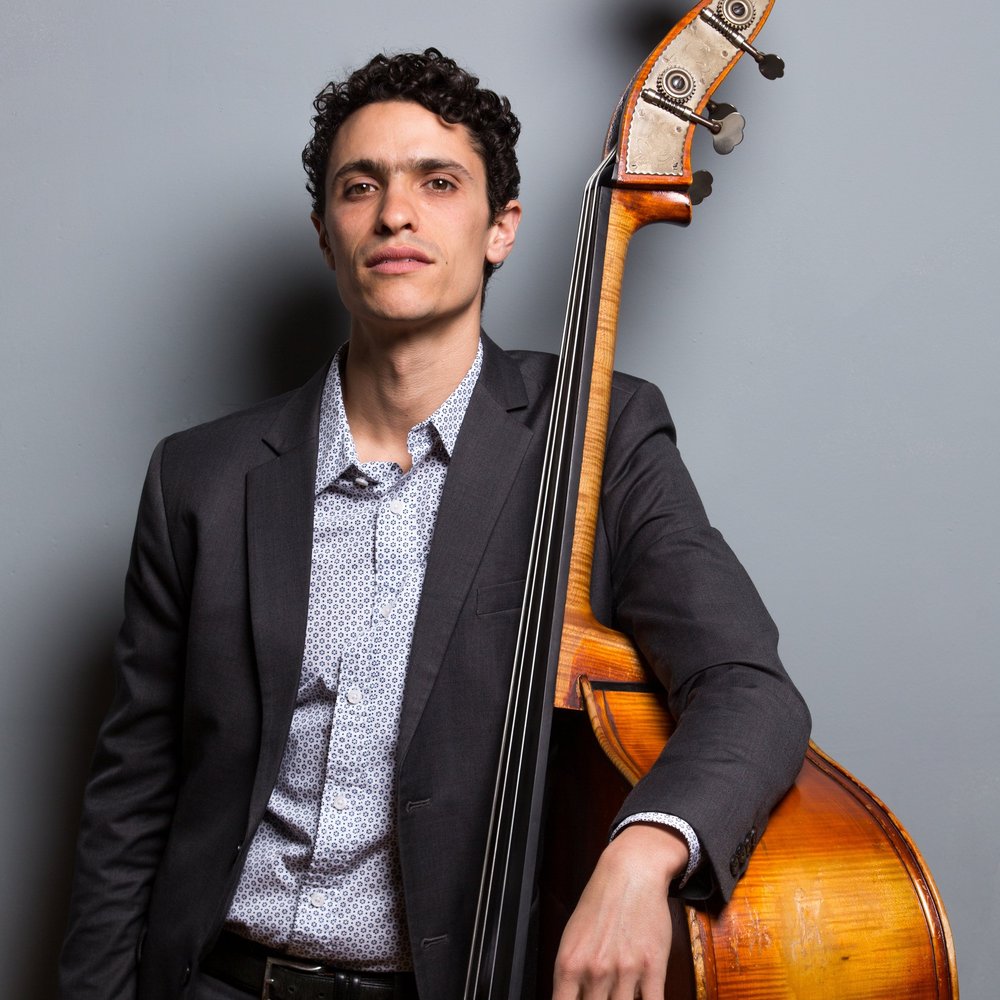
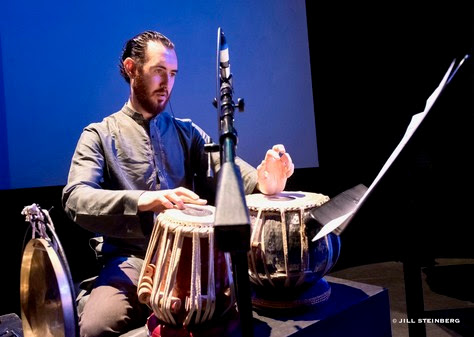
Brian Shankar Adler goes it alone in the studio for his latest album. "For a Gallery On the Moon" (Chant Records) features the artist on a plethora of instruments; the list reads bowed cymbals, buddha machine, ghatam, gong, kanjira, key chimes,
manjira, mridang, opera cymbal, paper, ride cymbals, river rocks, slit
drum, tabla, thunder sheet, and electronics. No traditional drum set to be found or heard. That said, the album is a delightful sound adventure; there are moments that are inventive in the way that books for young children (ages 2-6) can be; in other words, Adler is continually playing with sounds and combinations of instruments, asking the listener to use his/ her imagination to fill in the story. For example, is the use of the thunder sheet in "Flight" meant to symbolize the sounds a flock of geese hear on a late summer evening. Are the sounds of the gong and ride cymbals on "Cym" inviting or threatening? The tabla drums on "Relative(s)" create a trance-like rhythm that draws one closer.
Photo: Jill Steinberg
"For a Gallery On the Moon" lasts just 0ver 31 minutes yet is a travelogue like few you have encountered this year (or, perhaps, other years). There are moments that bring the music of Terry Riley to mind ("Ghost Box") while the backwards tones of "rahdarkahC" remind this listener of the experimental phase of The Beatle and Jimi Hendrix. Make up your stories for this music because that's part of what Brian Shankar Adler wants you to do. The percussionist also wants to take you out of your hectic world, make you relax and think about anything but politics and pandemics. Sounds like a good idea!

 Posts
Posts


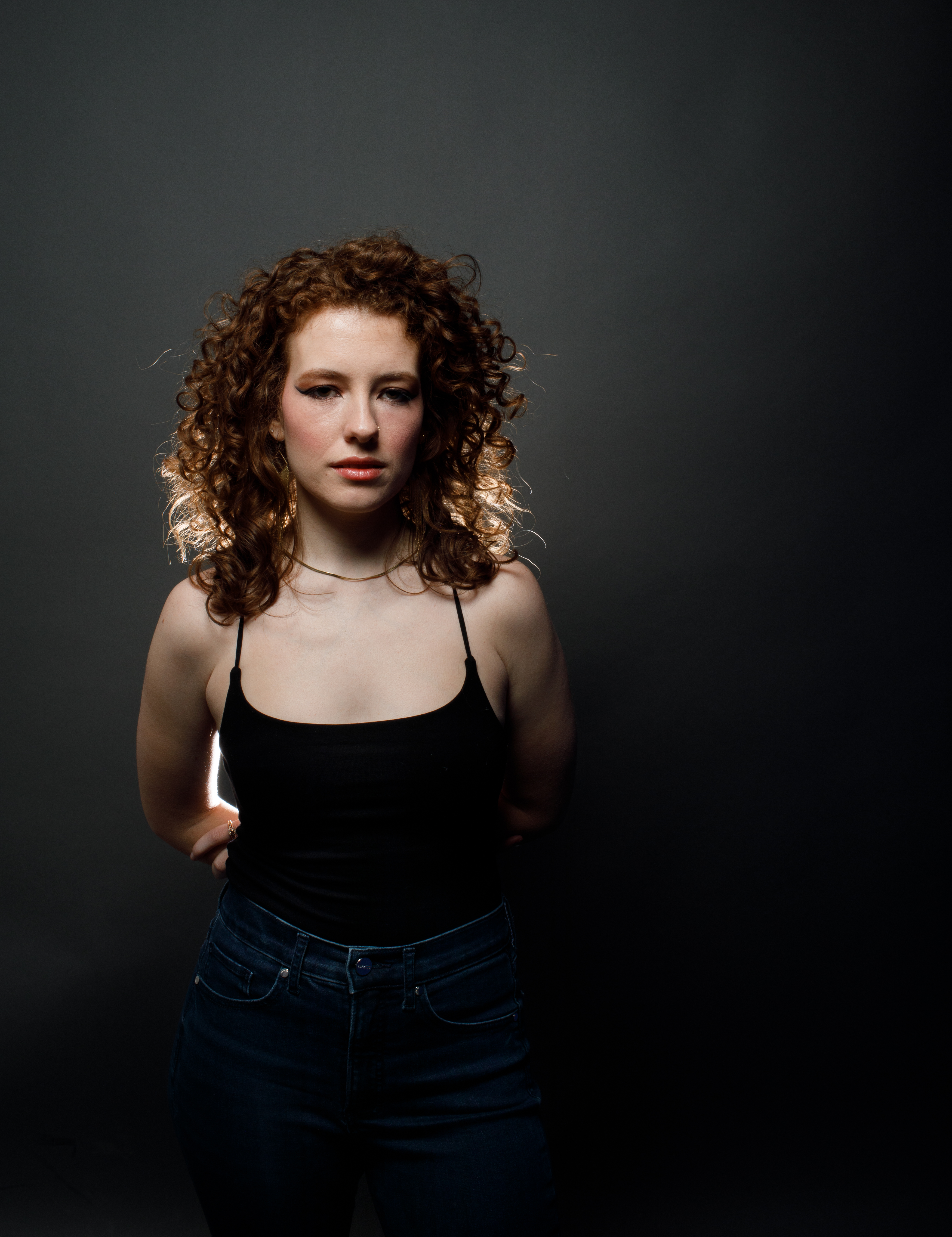
 Guitarist Kurt Rosenwinkel really came into his own as a bandleader, composer, and guitarist in the late 1990s when he organized The Next Step Band, a quartet featuring Mark Turner (tenor saxophone), Ben Street (bass), and Jeff Ballard (drums). Sometimes, pianists Brad Mehldau or Scott Kinsey joined the core quartet. Rosenwinkel signed with Verve Records in 2000, producing a trio of albums over the next three years featuring these musicians. "The Enemies of Energy" was issued first – the album had been recorded in 1996 and, upon its release, received great critical acclaim in the United States and around the world. "Live at Smalls 1996" (Heartcore Records) shows the group at its best, navigating through six tunes, five of which exceed nine minutes, with an infectious energy that begs one to play the album loud...and often. It's a treat for the listener to get lost in the improvisations –– Turner and the leader are particularly impressive all the way through. Under headphones, one can hear the subtlety that Ballard and Street bring to the music, not just holding the pieces together but really pushing the front line.




-8125%20copy.jpg)