Showing posts with label Chris Potter. Show all posts

Saturday, June 15, 2024

This Rock...

How does one use music to teach?  Can a song or song cycle change someone's mind?  Can art persuade a society to move forward?  One imagines this to be a project in futility. Still, many artists over the past six decades have written songs that point to the issues surrounding climate change and here's one new recording that stands out for its creativity, intelligence, and musicality.

Photo: Luke Marantz
Composer, arranger, pianist, and educator Mike Holober has had a fascinating musical career.  Classically trained, he's worked almost extensively with Big Bands.  He's led the Westchester (NY) Jazz Orchestra as well as having worked overseas with the hr-Big Band (Frankfurt, Germany) and the WDR Big Band (Cologne, Germany).  Holober teaches at the City College of New York and the Manhattan School of Music.  On top of all that work, he's an active outdoorsman whether it be leading canoe trips or climbing mountains. He is the leader of a Quintet, of the octet Balancing Act, and co-leads a group with trumpeter Marvin Stamm. Holober also leads The Gotham Jazz Orchestra, a large ensemble he assembled two decades ago to perform large-scale works and whose influences are many and varied.  It's that group that takes center stage on the composer's latest adventure, one that blends his love of sonic and stylistic possibilities with his love and concern for the outdoors to new heights (pun somewhat intended). It's also a way for him to add his voice to the growing of people in the US and abroad who are concerned with climate change.

"This Rock We're On: Imaginary Letters" (Palmetto Records) is an often dazzling, mesmerizing, and highly inventive two-CD collection of songs influenced by the lifework of six people who have shown us the beauty of the natural world as well have warned us of the damage that human beings can create through overuse, through destruction, and neglect.  Not only has Mike Holober composed and arranged the music, he has also composed letters in the mindsets of Rachel Carson, Wendell Berry, Sigurd Olson, as well as Castleton Tower in Utah to Terry Tempest Williams, from a tree to Robin Wall Kimmerer, and from a child to the world.  Holober also sets to music a poem from Ansel Adams to his wife Virginia Best Adams – the tenor solo on "Dear Virginia" is played by Virginia Mayhew, the Adams' granddaughter!

Photo: Luke Marantz
Seven of the 17 tracks feature vocals, the vast majority by Brazilian born Jamile Staevie Ayres who first recorded with Holober on his 2021 Sunnyside album "Don't Let Go" featuring his Balancing Act octet.  The blend of her husky tones with the cello of Jody Redhage-Ferber on "Refuge" is quite lovely. Throughout the album, the words pull the listener into the musical multiverse the composer creates. On "Another Summer", Ms. Ayres sings in the voice of Rachel Carson to her closest friend Dorothy Freeman. Two tracks later is "Another Summer Epilogue" which is the imaginary response of Ms. Freeman. Both pieces are truly love letters to each other and the support Ms. Carson felt from her closest friend.  The music Holober creates for these pieces have a classical feel strengthened by the counterpoint and responses of the cello.

There are plenty of powerful musical moments throughout the album.  Chris Potter opens the album with an adventurous tenor sax solo on "Lay of the Land". I mentioned above Ms. Mayhew's work on "Dear Virginia" – the piece features her in an intimate conversation with trumpeter Marvin Stamm and pianist Holober.  The splendid arrangement on the high-powered "Domes" (for Ansel Adams) suggests the influence of Bob Brookmeyer and features the powerful drumming of Jared Schonig, the smart vibes backing of James Shipp, snaky guitar lines from Nir Felder, and great solos from Ben Kono (alto sax) and Scott Wendholdt (trumpet). "Skywoman Falling" (for Robin Wall Kimmerer) opens with Ms. Redhage-Ferber's richly sonorous cello solo before opening into a medium tempo (inspired by Ms. Kimmerer's Native American heritage). As the piece moves forward, there are lovely moments of section playing plus fine solos from Stamm (flugelhorn) and Charles Pillow (alto flute). Note also the background wordless vocals from Ms. Ayres and James Shipp.

The album with the title song.  The lyrics are first sung by Ronan Rigby, tenor saxophonist Jason Rigby's eight year-old son and then is passed on to James Shipp. After a short solo by Carl Maraghi (baritone sax), Ms. Ayres takes over the vocal with guitarist Felder responding beneath her. The tempo slows, young Mr. Rigby returns to sing the song title only and then his father's tenor sax flutters atop the Orchestra and the story comes to a close.

While the message in the lyrics is loud and clear, take your time to absorb the music that Mike Holober has created for the Gotham Jazz Orchestra. Also take the time to read Terry Tempest Williams' "real" letter in the album booklet. Swirl the words and music around in your senses, let the rhythms pull you along and the solos take you away. Do listen and perhaps you'll understand what needs to done for the survival of what the crew of the Apollo 17 spacecraft called the "Blue Marble".

For more information, go to www.mikeholober.com. To hear more and purchase the album, go to https://mikeholober.bandcamp.com/album/this-rock-were-on-imaginary-letters.

Here's "Tower Pulse" with solos by Chris Potter (tenor sax) and Nir Felder (guitar):


PERSONNEL
Mike Holober - composer, lyricist, piano, Fender Rhodes
Jamile Staevie Ayres - voice
Jody Redhage Ferber – cello
Ronan Rigby – child voice on This Rock We’re On

Saxophones/Woodwinds
Charles Pillow - alto, soprano, flute, alto flute, bass flute, clarinet
Ben Kono - alto, soprano, flute, alto flute, clarinet (flute on Three Words for Snow)
Jason Rigby - tenor, soprano, flute, clarinet
Adam Kolker - tenor, soprano, flute, clarinet
Chris Potter - tenor, clarinet (Lay of the Land, Tower Pulse)
Virginia Mayhew - tenor (Dear Virginia, Dirt Lover’s Almanac)
Carl Maraghi - baritone, bass clarinet

Trumpet/Flugelhorn
Tony Kadleck
Liesl Whitaker
Marvin Stamm
Scott Wendholt
Stuart Mack (Skywoman Falling, Tower Pulse)

Trombones
Matt McDonald
Mark Patterson
Alan Ferber (Erosion, Domes, Boundary Waters)
Jason Jackson (Tides, Dirt Lover’s Almanac, Skywoman Falling)
Sara Jacovino (Lay of the Land, Tower Pulse, This Rock We’re On)
Jeff Nelson - bass trombone

Rhythm Section
Nir Felder - guitar
John Patitucci - bass, electric bass
Jared Schonig - drums
James Shipp - vibraphone, percussion, synth, voice

Friday, April 5, 2024

Saxophones A'Plenty (Part Two) – Three Quartets

This post features three quartets led by tenor saxophonists who double on other reeds, two that  have the same type of lineup –– saxophone, piano, bass, and drums (same drummer on both albums) –– and one that substitutes guitar for piano.

Photo: Dave Stapleton
Chris Potter signed with Edition Records in 2019 and each one of his five releases show a different side.  Last year's "Got the Keys to the Kingdom" was recorded live at The Village Vanguard and featured Potter with Craig Taborn (piano), Scott Colley (bass), and Marcus Gilmore (drums).  His latest album, "Eagle's Point", is also a quartet date but with a totally different lineup –– Brad Mehldau (piano), John Patitucci (bass), and Brian Blade (drums). Just seeing those names should be enough to make one purchase the album or, at the very least, listen to it.  You should because it's good music and great fun.

"Dream of Home" gently opens the eight-song program but as soon as the leader begins to solo, the proceedings heat up. The bassist and drummer spent two+ decades with Wayne Shorter's last Quartet and they absolutely know how to support, how to push the soloists, and how much to add.  Patitucci's handsome bass opening (such a lovely tone!) leads the band into "Cloud Message". Potter's tenor playing so assured, his notes so articulate even as he flies through a solo. Throughout the album, Mehldau not only plays with authority (is that Bud Powell showing through on his solos) but also his comping is so delightfully post-bop.  Listen below to the title track –– the music is playful, slightly funky (check out the song's chorus), and the rhythm section is so "tight yet loose".  

Photo montage: Dave Stapleton
Among the the highlights is the African-influenced tune "Indigo IIdiko" which finds the leader on bass clarinet. There's such a melodious feel to Potter's tone as well as splendid solos by Patitucci and Mehldau with the latter reminding this listener of Keith Jarrett's work with the Charles Lloyd Quartet.  Potter switches to tenor sax for his solo which moves the piece more towards the mainstream.  "Aria for Anna" finds Potter on soprano sax where his lovely tone is perfect for the ballad where the only other instrument for 2/3rds of the song is the piano.  Mehldau, one of the best at painting pictures through melody, is the perfect match for the leader's soaring solo. It's easy to miss the bass and drums when they enter but they add just the right colors.

The album closes with "Horizon Dance", a piece with rhythms that incorporate South American influences.  The bassist is at his best here interacting with the saxophonist, playing off his riffs while the drummer gleefully dances. Mehldau keeps up the heat with his own spicy solo. Blade gets a moment to "strut his stuff" before the Quartet returns to the opening theme to close the program.

"Eagle's Point" is yet another feather in the expansive cap that is the career of Chris Potter. The majority of the music and musicianship exudes joy with nary a false note.  Listen up! Good music is infectious.

For more information, go to www.chrispottermusic.com/. To purchase the album, go to  https://chrispotterjazz.bandcamp.com/album/eagles-point

Here's the title track:


I am a long-time fan of the music of Charles Lloyd; he rarely disappoints with his music. While I receive many recordings to review from publicists, Blue Note releases rarely show up so I buy them. Once I heard tracks from Mr. Lloyd's new album, there was no way I could ignore the music.  The 15-song, 91-minute album, features a quartet with veteran Jason Moran (piano), Larry Grenadier (bass), and newcomer Brian Blade (drums) 

"The Sky Will Be There Tomorrow" is the 86-year old Lloyd's 51st album and first studio date since 2017.  He's always favored the quartet setting although he's been more adventurous with lineups since joining Blue Note nearly a decade ago. The energy that emanates from this recording is powerfully positive whether the music is meditative (as on the opening "Defiant, Tender Warrior" or the ballad "The Ghost of Lady Day"), fiery (as on the tenor-piano take of "Lift Every Voice and Sing" where the duo take the piece "out" is a flurry of Gospel chords) or rhythmically adventurous (as on the flute-driven "Booker's Garden" and the playful "Monk's Dance"). Listen below to the last track listed in the previous sentence. After a powerfully rollicking intro by Moran, the rest of the band enters and the piece takes off.  Blade certainly can swing while Grenadier is both melodic and pulsating.

One should listen to this album in its entirety each time. There are so many masterful moments.  The fire that Mr. Lloyd creates in his sparring with Blade and then Moran on the opening several minutes of the title track is one as is the piano solo on the same track. The beauty and open feeling of "Balm in Gilead" is lovely as is the long, exploratory, gentle "Cape to Cairo" near the close of Side 4 or disc 2.  

By the time you reach the final track, "Defiant Reprise; Homeward Dove", the music should have changed you. Here are four master musicians led by a person who moved from his hometown, Memphis TN, to Los Angeles in 1956, starting a career that has spanned nearly seven decades, a musician who has recorded numerous standout recordings with musicians from around the world.  Listen closely, listen deeply –– the rewards are endless!

For more information, go to https://charleslloyd.com/.  The link to his music is there as well as his 2024 tour schedule and more.

Here's "Monk's Dance":


Photo: William Brown
Saxophonist and composer Dayna Stephens has a new Quartet and a new album.  Since his 2015 kidney transplant, Stephens has issued five albums as a leader, a fusion album underneath the name of Pluto Juice, and appeared as a sideman on numerous albums including releases by Linda May Han Oh, Johannes Wallman, Massimo Biolcati, and Ethan Iverson & the Umbria Jazz Orchestra (among others).  It's easy to understand why he's so popular as his sound on tenor is full but never over-blown, his soprano playing is melodic and not shrill, and his ever-maturing work on EWI humanizes the electronic instrument.

For his new "working" ensemble, the atmospheric sounds of young guitarist Emmanuel Michael (born in South Dakota to Ugandan and South Sudanese parents) stand out alongside the rhythm section of Kanoa Mendenhall (bass), and Jongkuk Kim (drums). Stephens first met the guitarist in 2022 when Michael was a student at Manhattan School of Music and a member of his ensemble. This ensemble went into a New York City studio in May of 2023 and recorded "Closer Than You Think", Stephens' first album for Cory Weeds Cellar Live Records.  It's Michael's sweet guitar one hears first as it leads the band in on his composition  "Bubbly".  Listen below to how easily the rhythm section creates a flow for the leader's tenor sax and the guitar.  This is one of several times on the 11-song program that this music is reminiscent of the collaboration of Charles Lloyd with guitarist John Abercrombie.  

Photo: William Brown
Like Mr. Lloyd, this music often has an "open" feel.  The way that Ms. Mendenhall and Kim move under the music allows both the leader and guitarist to go on lengthy solo journeys.  "The Nomad" (the first of three pieces composed by Stephens) is a delightful sonic experience –– just sit back and get lost in the music. "Scrutiny" (another of Stephens' pieces) is more frenetic pushed hard by Kim's powerful drumming.  Wayne Shorter's "E.S.P." adds producer Jeremy Pelt's trumpet to the Quartet. The funky undertow allows the soloists to move freely around the melody with Michael's guitar work raising the temperature of the music.  The guitarist's other composition, "Placate", may remind some of songs by Bill Frisell, especially the work he created alongside Joe Lovano and the late Paul Motian –– Stephens' solo has a gentle quality as it moves effortlessly over the rhythm section and guitar counterpoint.

Near the close of the program, the band plays pianist Julian Shore's gentle bossa-nova "Back Home".  It's here that the leader switches to EWI; before his enchanting solo, bassist Mendenhall creates a melodic solo of his own with Michael's finger-picked acoustic guitar moving dancing beneath him.  The program ends with "Placate (reprise)", first a duet for guitar and bass, closing with Stephens' tenor leading the way to a gentle finish.

The more I listen to "Closer Than We Think", the more I enjoy the interactions of the quartet, the breadth of the material (including pieces by pianist David Berkman and Ms. Mendenhall's appealing "Te" with the leader on soprano sax), and how it's easy to fall under its spell.  Dayna Stephens continues his growth as a musician and interpreter as well as very good judge of talent.  Get lost in these grooves – you will better for the adventure!
 
For more information, go to www.daynastephens.net/. To hear more and to buy the album, go to  https://daynastephens.bandcamp.com/album/closer-than-we-think

Here's the opening track, "Bubbly":


Monday, February 20, 2023

Musical Treats for February

 What a joy to be surrounded with such great music––here are two of the more delightful releases of 2023! 

Photo: Erika Kapin
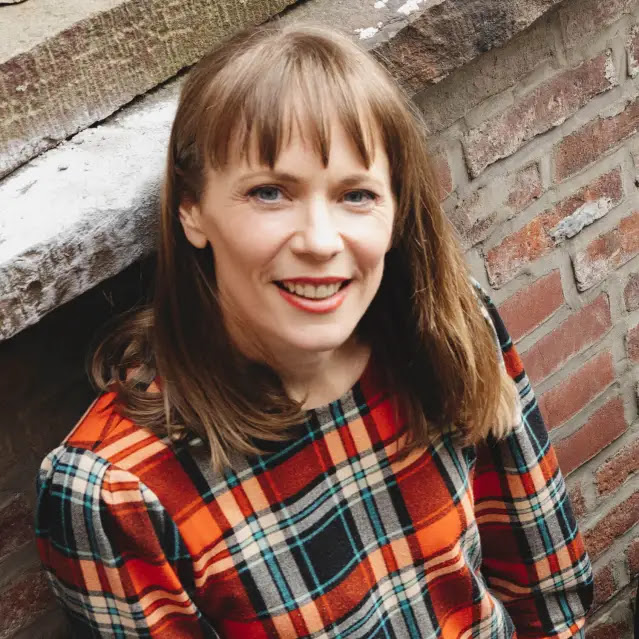
Australian-born vocalist Jo Lawry may be best known for working with Sting, Paul Simon, Fred Hersch, and Peter Gabriel but she's been recording her own albums for the past 15 years.  She spent nearly two decades living, working, and teaching in New York City (her teaching appointments were at the Manhattan School of Music and at the Boston-based New England Conservatory).  Ms. Lawry, who is married to saxophonist Will Vinson, moved back to Australia  in 2021 to lead the Equity in Jazz program at Sydney Conservatorium of Music, a program designed to encourage and support women and gender diverse musicians into a career in jazz through dedicated leadership, music development and mentorship.   She's released three albums as a leader with the most recent being 2018's "The Bathtub and The Sea." 


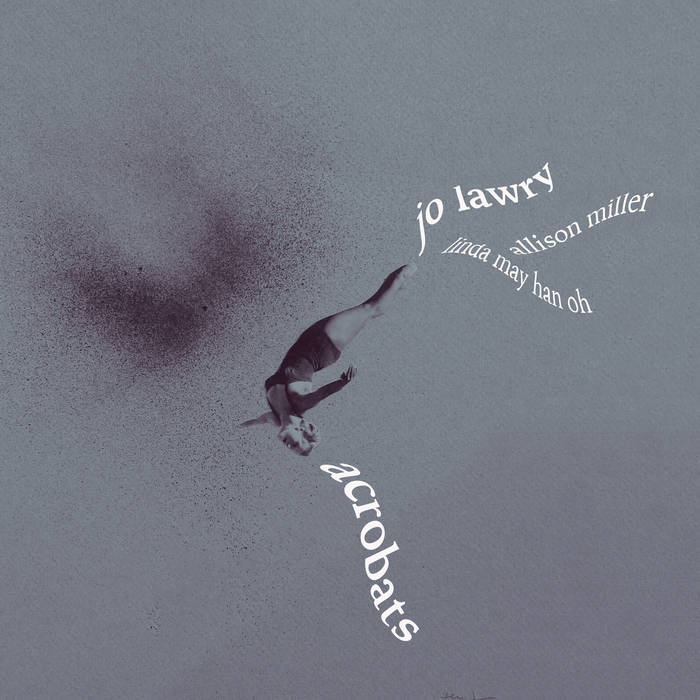
For her latest venture, "Acrobats" (Whirlwind Recordings), Ms. Lawry joins forces with bassist Linda May Han Oh and drummer Allison Miller to create a fascinating program that ranges from standards to two special pieces either written by an Australian composer (the title track comes from the pen of Gian Slater) or made a big hit on the Aussie scene (John Farnham's anthemic "You're the Voice").  Don't be put off by the spare instrumentation as the music is so intimate, delightful, emotional and adventurous that the 43-minute goes by way too quickly.  When you listen to this music, you'll hear how melodic all three artists.  Both Ms. Han Oh and Ms. Miller certainly know how to swing; right from the voice/bass opening moments of the opening track, Frank Loesser's "Traveling Light" (from "Guys and Dolls", one hears the delightful give-and-take of Ms. Lawry with the rhythm section.

Photo: Erika Kapin
The title track (listen below) illustrates Ms. Miller's splendid hand drumming as well as why Ms. Han Oh is a first-call bassist as she supplies both counterpoint and rhythmic support.  Dig the delightful the voice/drums duo on Cole Porter's "You're The Top"; taken at a breakneck pace, the vocalist dances atop the rapid-fire brush work.  Later in the program, Ms. Han Oh and Ms. Lawry take a delightful stroll through Al Hoffman and Dick Manning's "Takes Two to Tango" (first made famous in 1952 in separate versions by Pearl Bailey and Louis Armstrong).  This version is slower and slinkier than the two versions from seven decades ago yet retains the humor and sassiness that the lyrics embody.

There is nary a weak track on "Acrobats".  While her previous album tilted towards folk and pop, it's really great to hear Jo Lawry as a jazz singer (her scat feature on Lennie Tristano's "317 East 32nd Street" is a treat as is the sparkling bass solo).  Adding Linda May Han Oh and Allison Miller to this project is a stroke of genius––you'll not hear a better trio album this year!!


Let's hear the album's title track:


For his third album on Edition Records, tenor saxophonist Chris Potter recorded several nights of his February 2022 gig at the legendary Village Vanguard.  Six songs from the multi-night engagement make up the program for "Got The Keys to the Kingdom: Live at The Village Vanguard." For the gig, Potter put together an ensemble featuring Craig Taborn (piano), Scott Colley (bass), and Marcus Gilmore (drums).  The set is bookended by two long blues/gospel tunes with the first being Mississippi Fred McDowell's "You Gotta Move."  The leader goes it along for the first 30 seconds then introduces the blues groove that the rest of the ensemble picks up on.  They run the first three verses with Potter adding more energy each time until they break into a short bridge and the saxophone solo commences.  It's a tour-de-force, filled with ideas and turns-of-phrases, reminiscent of a Sonny Rollins-like playfulness. Taborn is next and he digs into the song's blues groove.  After a quick return to the theme, Gilmore gets the spotlight and, with the help of Colley's short background figure, kicks the heck out of his drums.

Besides the blues, there are two tracks with Brazilian roots, the handsome folk tune "Nazani Na" (transcribed by Heitor Villa-Lobos and Edgar Roquette-Pinto from an Amazonian Indian folk tune) and "Olha Maria", composed by Antonio Carlos Jobim, Chico Buarque, and Vinicius De Moraes).  The latter piece opens as a nearly-three minute conversation for Potter and Colley before the pianist and drummer enter.  There is also a lovely take on Billy Strayhorn's "Blood Count", a piece he composed in the hospital awaiting treatment for esophageal cancer that would claim his life several months later. When recorded by the Ellington Orchestra, the solo on the piece was poignantly played by Johnny Hodges. Here, the quartet not only interprets the distress of the composer's condition but his fight as well.  It's quite a beautiful piece.  That's followed by Charlie Parker's "Klactoveedsestene", a jaunty dance for all involved.  

The album closes with the title track, a gospel tune first recorded by Washington Phillips in 1929.  Again, I hear the influence of Sonny Rollins in the rollicking rhythms, the playful interactions of the group, and Potter's powerful solo.  Gilmore and Colley push him hard while Taborn feeds him aggressive chords.  The pianist gets the next solo, dancing, strutting, bouncing, feeding off the lively bass and drums. A return to the opening theme then Gilmore begins his magnificent 3:30 solo that reaches its climax with the audience roaring its approval. The entire quartet takes the piece out on that high-energy level.  

"Got The Keys to the Kingdom" is a delight from start to finish. If you love high-energy creative, the album has numerous examples. If you need a heartfelt ballad that explores many emotions, that's here as well. Rhythmic adventures? Yes! Great solos? Yes!  Chris Potter and his excellent ensemble shine throughout–don't miss this splendid live album! 


Here's Chris and the band on Charlie Parker's "Klactoveedsedstene":


Thursday, December 3, 2020

Two Pandemic Albums + One Pre-pandemic Album for Good Measure!

As 2020 mercifully (or mercilessly, depending on conditions where you live) crawls to a close, albums are being released that were recorded in the Spring and Summer of this most unusual year. Since live venues have been shuttered around the world, many musicians and ensembles lost a major portion of their income.  Some venues have reopened but, mostly, for streaming concerts; with the promise of several vaccines, one can only hope that Spring 2021 will be a renewed time for live music and theater.

In the meantime, multi-instrumentalist Chris Potter and trombonist Marshall Gilkes were able to create and record new music in the midst of the pandemic––a look at their respective albums is below as well as a fine new recording from L.A.N. Trio (recorded in November 2019).

Chris Potter, born on New Year's Day in 1971 in Chicago, IL, has fashioned quite a career.  He started playing saxophone at the age of 10 and began winning awards as well as garnering critical acclaim in his teenage years.  Although he won a scholarship to attend the New School in New York City, trumpeter Red Rodney invited Potter to join his band.  As he was learning the ins-and-outs of bebop, he was meeting musicians such as Ornette Coleman, playing in the horn section of Steely Dan, working with pianist Marian McPartland, drummer Paul Motian, trumpeter Dave Douglas, saxophonist David Binney, and his long association with bassist Dave Holland.  Since his 1993 Criss Cross debut, Potter has issued 20 albums as a leader and appeared on over 100 more.  Though he is mostly known as a tenor saxophonist, he plays soprano and alto saxes, clarinets, flutes, piano, electric keyboards, electric and acoustic guitar, and percussion (including drum set),
All of those instruments are on display on Potter's 22nd release "There Is a Tide" (Edition Records).  When the touring stopped, the musician began composing and, in May of this year, began assembling all the pieces for the new recording.  Over the course of six weeks (!), Potter played, arranged, and engineered the 10 songs that make up the 54-minute program.  In the promotional material that accompanies the album, the musician talks about all the limitations that recording at home can have including not having a "proper" studio environment.  If you did not read that comment or know the fact that Potter creates every sound you hear, chances are good you'll still be impressed by the results.  This music rocks, swings, soars, dances, excites, soothes, and sounds so good.  


Photo: Dave Stapleton
Although the artist was locked away in his recording area, the opening and closing songs on "...Tide" illustrates he's still in touch with the outside world.  The opening track, "I Had a Dream", can be understood as a response to the murders of George Floyd, Breonna Taylor, and Ahmaud Arbery and the protests that followed through the United States. Yet, the song has a lilting feel, its infectious rhythms seeming to give us hope as the soprano sax solo rises up in the mix.  The closing track, "New Live (In the Wake of Devastation)", has a more emotional pull.  One cannot "appeal" for change but must make an effort to live it.  The dramatic tenor sax solo leads to a fascinating orchestration featuring saxophones, clarinets, flutes, and keys while Potter uses guitars to push the rhythm.  

What stands out throughout the recording is the textured layers of sounds, the "sectional" arrangements, and the excellent melodies.   The dancing percussion and electric piano opening of "Mother of Waters" suggests Weather Report and its "Black Market" album while the funky "Rising Over You" channels the Brecker Brothers––dig Potter's rapid sax lines on either side of the sound spectrum plus his fine keyboard work.  "Rest Your Head" is a lovely ballad with excellent guitar work plus a melody line reminds this listener of Paul McCartney.  The clarinet solo is emotionally and melodically rich.  The following track, "As the Moon Ascends", blends flute, clarinet, and percussion in its opening minute into a fascinating mini-concerto before settling into a medium tempo in which multiple flutes introduce a handsome soprano sax solo.

"There is a Tide"is quite an impressive album; not just because Chris Potter plays all the instruments and plays them well but also because of the strength of the songs, the smart orchestrations, and the lively solos. Many creative music albums are recorded on the fly. Considering the amount of tracks Potter laid down in the six-week process, this project came together quickly.  Nevertheless, he is able to fill out the sound spectrum so the music has a richer, fuller, sound without sounding cluttered.   Sit down, relax, let these sounds roll through your mind––you'll be surprised and comforted by the joy this music contains.

For more information, go to www.chrispottermusic.com.  To listen to more and to purchase the album, go to  https://chrispotterjazz.bandcamp.com/

Here's a taste:


Trombonist and composer Marshall Gilkes (pronounced Jillks) firs picked up his instrument––actually his father's 'bone––when his dad was playing with the Air Force band, the Falconaires.  The younger Gilkes went on to study both jazz and classical music at the Juilliard School in New York City.  He has worked with numerous large ensembles including Darcy James Argue's Secret Society, The Lincoln Center Jazz Orchestra, and currently performs with the Maria Schneider Orchestra as well as performing with Barbra Streisand and Richard Bona.
As a leader, Gilkes has issued five albums, the previous two with the WDR Big Band with whom he performed from 2010-2013. Album #six, "Waiting To Continue" (self-released), finds him in a trio setting with bassist Yasushi Nakamura (bass) and Clarence Penn (drums). The group was originally scheduled to record in April of this year but no studios were open. Gilkes heard that the Bunker Studio in Brooklyn was reopening in July so he called the rhythm section who were ready and willing.  In the studio, everyone wore masks when not playing and they were quite separated.  The trombonist fed the musicians so there was little downtime.  The results are a delightful mix of styles and melodies with both Penn and Nakamura really part of the creative process.    

As for the music, the program is all originals. Some of the pieces swings like mad such as the rollicking "Taconic Turns" (New Yorkers and other drivers will tell you that the Taconic Parkway is not for the faint of heart. "Archie's Theme" is along the same lines although the melody flows a bit smoother. Penn drives this piece with abandon, navigating the composer's dynamics and tempo changes with grace and subtle power.  The title song opens the album; five overdubbed trombones create a chorale for the leader to play the lovely melody.  Gilkes restates the theme with just the bassist before Penn enters with his sweet brush and cymbal work.  After the trio floats through the tune, the trombone chorale closes the piece.  There is a hint of Ms. Schneider's "natural" music in the writing for the trombones.

CD back cover
The trombone chorale returns for "Anya's Tune", a sweet ballad composed for Gilkes's wife.  While the ballad gently strolls forward, the extra brass appear at various times throughout the pice while the rhythm section creates a gentle cushion.  "Cora's Tune", composed for his daughter, is more playful, especially in its juxtaposition of the lovely melody and the playful drums.  Nakamura's thick bass tones ring out beneath the melody.  

"Waiting To Continue" closes with "New Normal". Like the opening title track, this song was composed during the pandemic. The music is not morbid or sad but playful (especially Penn's playful drumming) and hopeful, perhaps dreaming when the venues will open around the world so that music as rich as what Marshall Gilkes and company have recorded here can be played "live" to attentive listeners.  Climb into this program with open ears and it will make you smile, maybe even feel better about the survival of the creative musician.

For more information, go to www.marshallgilkes.com.  To hear more and purchase this fine music, go to https://marshallgilkes.bandcamp.com/album/waiting-to-continue.  
 
Here's the title track:


Our "plus 1" for this post is the delightful new recording by the trio of Mário Laginha (piano), Julian Argüelles (soprano and tenor saxophone), and Helge Andreas Norbakken (percussion) a.k.a. the L.A.N. Trio.  "Atlântico" (Edition Records) is the Trio's second album, the first being 2017's "Setembro" for the same label.  Whereas the debut album contained 10 tunes, eight of which were composed by the pianist, the new one is more democratic with four by Lahgina, four by Argüelles, two co-created by Norbakken with the pianist and two more by the drummer with the saxophonist.

The new album gets off to a playful start with the pianist's "Jaamm Rek". There's more than a slab of funk propelled forward by Norbakken's thunderous drums.  Laginha creates a circular piano riff that Argüelle's powerful tenor sax frolics atop.  The pianist also penned the following track, "Caes a Solta" (Free Dogs?) which is a much sweeter song than the title implies. Argüelles creates a lovely soprano sax solo as does the composer while the percussionist shakes and rattles beneath them. Norbakken gets composing credits on the three "Improviso" pieces as well for the highly melodic "La Graziela" which he co-wrote with the saxophonist.  They also created the first of the "Improvisos"during which the soprano saxophone is accompanied by powerful sounds of drums and hand percussion.

The opening of Laginha's "Juroom" hearkens back to Keith Jarrett's "The Windup", especially in its spiky, percussive, melody line––on this tune, Norbakken pounds away beside the pulsating rhythms created by the pianist while Argüelles's raspy soprano sax solo rises above the hypnotic fray. The saxophonist's "The Three J's"; opening with a long unaccompanied piano solo,, the drummer enters with a solid rhythm that eventually leads to the composer's handsome tenor sax.  Listen to the colors the rhythm section creates as Argüelles climbs through his solo."

The program closes with the pianist's "Silencio", a gentle ballad with a most fascinating percussion backing. Throughout the album, Norbakken creates stunning backdrops and rhythms. It's obvious he's not playing a traditional trap set (check the photo––no snare drum but definitely floor toms, hand drums, cymbals, and various shakers) so the music moves in unexpected directions. He's certainly the "heartbeat" of the group while the saxophonist and pianist often glide through the melodies and improvisation.  

Kudos to Mário LaginhaJulian Argüelles, and Helge Andreas Norbakken for creating the delightful and optimistic sounds of "Atlântico".  Their first album, at times, seems more structured (although there are some delightful uptempo pieces), this music is often looser, airier; they sound more like a collective, one in which all ideas are welcome. They're probably great fun in concert!  Sit yourself down and surrender to the joyous sounds.


Here's the delightful "Juróom":


Wednesday, January 29, 2020

The Wide World of Music

When three world-class musicians come together, it can be for a "blowing" session or a serious project – Tabla master Zakir Hussain decided to create an ensemble to perform at SF Jazz, one than included bass master Dave Holland; the drummer also called several other people including saxophonist (soprano, alto, tenor) Chris Potter who has worked with the bassist in various projects for over two decades. Hussain's originally vision was for a septet which did do a pair of tours.  Then, he, Holland, and Potter played a number of dates and Crosscurrents Trio was created.

With a repertoire of original works from each member, the trio went into Sear Studio in New York City in September of 2018 and the results can be heard on "Good Hope" (Edition Records). What a sonic treat!  Hussain provides the fascinating rhythm while both Holland and Potter play melodies that lock into the rhythms and dance atop them.  Holland's "Lucky Seven" finds Potter's soprano saxophone leading the way but pay attention to how the bassist plays both counterpoint and rhythm.  Kudos to recording engineer Chris Allen for the clarity of the sound.  Capturing how the bass and tablas creat the various rhythm tracks makes the listener feel as if he or she is sitting in the middle of the trio.  Potter's "Island Sounds" is so easy-going you might miss the lovely bass tones and the burbling drums as you pay attention to the composer's hardy tenor solo.

"Suvarna", one of the two pieces penned by Hussain, opens with a long, lovely, bass solo.  Holland's touch and melodic sense is on full display. When the tablas and saxophone enter, the bassist joins the drummer in pushing the music forward.  Potter does not rush the melody or his solo, slowly building the intensity, his rich full tone adds an emotional touch to the piece.  The saxophonist penned the title track – it opens with a tenor sax and tablas dialogue before moving into quite a dancing rhythm.  Holland's bass acts, at times, as a rhythm guitar and his muscular solo is a highlight of the album.

Photo: Rungh Magazine
The album closes with Holland's "Mazad", a sweet tune that floats forward on the bassist's rhythm plus the lovely soprano sax melody. Listen to how Hussain holds back in the opening moments but then falls into dialogue with Holland during his solo.  Potter's solo has an intensity and power that energizes his partners yet, near the conclusion, the trio plays with a beauty that is breathtaking.


"Good Hope", an apropos name for music that brings such joy in times of anguish and fear, is an album that will both excite and calm down the avid listener. Crosscurrents TrioDave Holland, Zakir Hussain, and Chris Potter – are recognized as masters on their instruments yet they came together to make music, not to show how technically they can play.  Released in October of last year, the album made a large number of "Best of 2019" lists. Deservedly so, yet this music will still sound great decades from now!

For more information, go to editionrecords.com/releases/crosscurrents-good-hope/.

Here's the final track on the album:


Pianist James Hill is a rising star in his native Canada, playing in the Autobahn Trio and as a member of BABBADNOTGOOD (BBNG).  Drummer Ian Wright is also a member of Autobahn. Bassist Rich Brown not only leads his own groups but is also a producer – he's also played with saxophonists Steve Lehman and Rudresh Mahanthappa plus keyboardist Andy Milne's Dapp Theory.  Several years ago, Hill took a break from his various projects to visit Sáo Paulo, Brazil, to visit his partner's family who live in a section of the city known Higienópolis (translated as "healthy city"). While there, he wrote a lot of music and decided he wanted to record it with Wright and Brown.  All three had played together in the bassist's Abeng group and Hill felt his new music would work with these musicians.

The trio, known as Local Talent, has just issued its debut recording, "Higienópolis" and it appears on the pianist's Project Whatever Recordings label.  Hill plays an array of keyboards (acoustic piano, Fender Rhodes, synths) with Brown sticking to electric bass.  The music blends ideas and sounds influenced by electric Chick Corea, Robert Glasper, Josef Zawinul, as well as British progressive rock of the 1970s and 80s, putting it all in a blender and coming up with music that is melodic, rhythmical, exciting, funky, and forward-thinking.  Listen to the track below; the thick sounds of the Rhodes and Wright's drums are underpinned by Brown's fluid bass lines.  His solo is quite melodic while the drums pound and Hill's various keyboards add color.

The album opens with the title track. There's a lot that goes on from the acoustic piano opening to the fluttering synths to the speedy mart drumming, stops and starts.  That's followed by "....Intro To", a short piano, synth, and drum rubato piece that builds up to a loud synth loop that stops suddenly when "The Silent Cry" begins with a handsome, classically inspired, piano melody begins.  The synth loop that closed the previous returns, the bass and drums enter. Hill moves into a piano solo with layers of synth adding colors.

The closing track, "Blue Rainbox", is a ballad that could have been influenced by Pink Floyd.  Staring with what sounds like a mellotron, Brown has an impressive, richly melodic, solo that takes up a portion of the piece. The piece begins to build up but, instead of reaching a resolution, the sound becomes compressed until the music stops.

Local Talent is a fascinating project, full of promise and concepts to be built upon. These three fine musicians have the ability to "grow" their music by taking the show to an audience, playing with the material, adding new ideas, creating more of a group sound. "Hiegenópolis" is certainly a strong start and worth exploring.

For more information, go to www.projectwhatever.com.

Here's a taste of the trio's sounds:

Friday, April 5, 2019

Johnathan Blake + Chris Potter Reach For The Heights

Photo: Jimmy & Dena Katz
Drummer and composer Johnathan Blake, son of the late violinist John Blake, Jr. (1947-2014), has been a professional musician for over two decades. He has toured with the Tom Harrell Quintet, the Mingus Big Band, and the Kenny Barron Trio - Blake's discography also includes two albums as a leader (Sunnyside and Criss Cross Jazz) and many, many, more (including CDs by Russell Malone, The Black Art Jazz Collective, Omar Vital, and David Berkman).

Giant Step Arts
His third album, a two CD set, is a live date recorded over two nights at The Jazz Gallery in January of 2018 for Jimmy & Dena Katz's Giant Step Arts label.  Dubbed "Trion", the word comes from the study of physics and is defined as "a singlet state from from three atoms of different colors."  In the case of this recording, the three "atoms" are Blake, Chris Potter (tenor saxophone), and Linda May Han Oh (bass).  The drummer has worked with both musicians on numerous occasions and you can hear that in their interactions, their mutual trust, and willingness to put all of themselves into this project.  Both discs open with drum solos - Blake is setting the tone, letting one know these songs are built from the rhythm up.  The next track, "Synchronicity 1" (yes, the Sting tune) opens with an unaccompanied tenor sax solo: once Ms. Oh and Blake enter, the song is taken for quite a ride.  Pay attention to the melodies and rhythm coming from the bass and the drummer's fiery barrage, all of which push Potter to an intense solo.  The bassist plays a hardy solo over insistent drums and, then, then the sax "trades 4s" with Blake.  The next three tracks come from bassists - Ms. Oh's "Trope (Linda Intro)" and "Trope", plus "One For Honor" from the pen of Charles Fambrough which the bassist recorded in 1991 with a band that included Wynton and Branford Marsalis, Roy Hargrove, Kenny Kirkland, and Jeff "Tain" Watts.  Blake, Ms. Oh, and Potter play the piece with tremendous energy with the saxophonist delivering a solo with the thunder of John Coltrane. Blake's "No Bebop Daddy" closes disk one. It's quite a melodic journey for the bassist and saxophonist while the drummer dances below them.

Photo: Jimmy Katz
After the delightful drum statement "Bedrum" opens disk two, the trio takes a wild ride through Potter's "Good Hope."  When this piece gets going, with the pounding drums, the rhythmic sax line, and Ms. Oh's solid bass, it's hard to sit still. There's definitely an African feel to this song and Blake takes advantage, telling his own story as he travels around his kit. Potter digs in on Charlie Parker's "Relaxing at the Camarillo", sounding more like Sonny Rollins and certainly not in a "relaxed" mode.  The bass and drums swing the daylights out of this track. The piece, actually the band's encore, was unplanned.  The drummer pays tribute to his father with "Blue Heart", a previously unrecorded from the elder Blake. The trio makes sure to pay attention to the melody, building both the tenor and bass solos from the handsome tune.  Disk two closes with the leader's "West Berkley St.", a real treat with its soulful melody (sounds like a melding of Smoky Robinson's easy style and Felix Cavaliere's "Groovin'"), is a showcase for Potter's tasty tenor (dig his quotes from other tunes).

Listening to "Trion" is like sitting in the front row of The Jazz Gallery. The excellent sound quality and these superb performances reminds one of the power of creative music and improvisation, especially in a live session.  Johnathan Blake, Chris Potter, and Linda May Han Oh play with fire and delight.  And, this set is all about playing (in all the positive senses of the word).  Johnathan Blake continues to grow as a musician, composer, leader, and human being.  Play it loud and enjoy!

For more information, go to www.johnathanblake.com.

Here's the Sting tune (arrangement by Chris Potter):


After three albums on ECM, Chris Potter moves to Edition Records for his latest album.  The title "Circuits" is your first hint that this will be a much different aural experience.  Look at the credits and you'l see that besides tenor and soprano saxophones, clarinets, and flutes, Potter also contributes keyboards, sampler, guitar, and piano.  He's joined by James Francies on piano, organ, and synth, Linley Marthe (electric bass on four tracks), and drummer Eric Harland. The drummer, a native of the Houston, Texas, music scene as is the 24-year old Francies, really is the heartbeat of this music. Combined with Potter's melodies and the various keyboards, this is one of the better "fusion" albums I've heard in a while.

With the addition of Marthe (who played with Joe Zawinul in his later years), this music hearkens back to the Austrian-born keyboard master's music as well as Wayne Shorter's fusion albums from the 1990. Potter's music actually has a deeper groove.  Listen to "The Nerve", dig the Middle-Eastern feel, especially at the opening with the overdubbed flutes but don't ignore the elastic electric bass lines and Francies's delightful piano solo.  There's a hint of Jimmy Guiffre in the unaccompanied bass clarinet opening of "Kuotomé" and a delightful sensuality in Marthe's bass lines and percussion.  Again, the leader overdubs flutes to flesh out the melody lines.  The bassist also appears on the title track, a piece that roars out of the speakers and surges forward on a rhythmic melody line (note the bass clarinet holding down the bass line as Marthe dances along with the keyboard).  Potter and Harland engage in a delightful give-and-take during the leader's solo.  After those two raise the temperature, the drummer and Francies spar and party as the latter unleashes an excellent synth solo.

Photo: Dave Stapleton
Potter moves to soprano saxophone for "Queens of Brooklyn", a lovely ballad where the leader's bass clarinet plays the counterpoint.  The melody then is taken up by multiple flutes (note the dynamic cymbal playing) before the soprano retakes the lead.  But, this group seems to be "built for speed" as the next tune, "Exclamation", illustrates.  Here, the saxophones and layered synths play a rapid-fire melody a la Charlie Parker while Marthe and Harland parry beneath.  For the tenor solo, the rhythm section - minus Francies - go all out, creating an intensity that is breath-taking and gooses Potter higher and higher.  The electric piano enters adding more fire to this inferno, leading to an amazing synth solo. The buildup to the finish just might shatter glass.

Photo: Dave Stapleton
The album closes with "Pressed For Time": just listen to the incredible pace that Harland sets - nothing fancy, mind you, just a beat that is so irresistible you can't get enough. Again, the drummer's intensity give the leader the power to unleash a solo that dives and roars, wailing away but never losing control.  Francies's solo gives Harland license to go in several different directions, playing with the beat and how he accents them.  Have to say, I was laughing at the sheer audacity of how far the trio is able to take this music. And, when it's over, you want more. While the music is not "free", the joy of this sound, this band, is freeing. Freeing for the musicians and for the attentive audience.

"Circuits" is a treat for those who love music with muscle, an intelligently arranged and orchestrated program that succeeds because the solos and the interactions keep the listener at the edge of his/her seat.  The album is an impressive showcase for Chris Potter: his decision to include Eric Harland, James Francies, and Linley Marthe proves he's always moving forward, not one to settle into a genre or a groove.  We are the lucky ones - we get to enjoy the fruits of his ideas and their labors.

For more information, go to editionrecords.com/releases/chris-potter-circuits/.

Here's "Hold It" - hold on!