Showing posts with label Saxophone-led Quartet. Show all posts

Thursday, April 28, 2022

Greenleaf Spring & Australian Autumn


30-plus years into a fascinating career, one is still impressed by the music Dave Douglas composes, records, and performs.  When you think that trumpeter, educator, Greenleaf Music head, podcast host, festival coordinator, and so forth, is most comfortable in one of the various quintets he leads (or co-leads, in the case of Sound Prints), he'll record a solo trumpet album ("Hudson Solos") or work with an ensemble made up of students from Australia's Monash University ("The Dream: Monash Sessions") or record hard rock funk music for listening to during demonstrations with bassist Melvin Gibbs, guitarist Rhafiq Batia, and drummer Sim Cain ("Marching Music")––that's just in the last 24 months.

The trumpeter's new album, "Secular Psalms", is a 10-song program inspired by "The Adoration of the Mystic Lamb", painted between 1420-1432 and hung in Sgt. Bavo's Cathedral in Ghent, Belgium. Douglas initiated the project before the pandemic shut down the world, choosing a band (six members in all) from Europe and the United States; artists include Berlinde Deman (tuba, serpent, voice), Marta Warelis (piano, prepared piano, pump organ), Frederik Leroux (guitars, lute, electronics), Lander Gyselinck (drums, electronics), Tomeka Reid (cello), and the leader on trumpet and background vocals. The blend of tuba or serpent (a wooden brass instrument!) with amplified guitar, cello, trumpet, the various keyboards, and voice is fascinating.  While the music is inspired by 14th Century composers, there is a 21st Century "avant-garde" as well as 1960s-70s "prog-rock" feel (if there was a flute, this music could easily be linked to Jethro Tull (check out "Agnus Dei" and see if you agree). 


Photo: Gemma Vander Hayden
You understand you are in a different musical right from the opening seconds of "Arrival".  The trumpet melody is supported by electronic sounds, cello, and the guitar with Ms. Deman's serpent playing a quiet counterpoint.  The drone created by cello and serpent carries the piece as does the subtle drive of the drums.  "Mercy" jumps forward with the trumpet and cello on the melody––the lyrics blend Marvin Gaye's "Mercy Mercy", "Kyrie Eleison", and a short phrase penned by Douglas. Leroux's funky, raunchy, guitar solo offsets the solemnity of the lyrics as does Ms. Reid far-ranging cello work. If you listen closely to the vocals, you can hear Douglas shadowing Ms. Deman's voice.  

Photo: Johan Jacobs
If you listen closely, not only are Ms. Deman's vocals important to the sound but so are her tuba and serpent contributions (that's her on the left). Listen to how she and Ms. Reid join with Gyserlinck to create a rhythmic flow on "Instrumental Angels" and how her counterpoint enlivens "Hermits and Pilgrims".  Her soulful vocal on "If I'm In Church More Often Now", based on lyrics composed by Christine de Pasan (1364-1430?), makes the poet's sentiment contemporary as we now see many people looking for answers from their spiritual leaders in these often-scary times.  Douglas's original "Edge of Night" closes the album, the lyrics speaking to how music can heal, can serve to push us forward, all the while the drone created by the pump organ, the cello, and the lute takes on a chant-like feel.  Leroux switches to electric, joining the trumpet, cello, percussion, and serpent in accentuating the closing lyrics "Making this music, will help us to heal/ Even as the world continues to reel/ We laugh/ We dance/ We love/ We pray/ Even as we mourn."  


"Secular Psalms" is a stunning album, all the more so because all the parts were recorded remotely at different times, then edited and remixed by Tyler McDermid and Dave Douglas. The album stands out in the trumpeter's oeuvre not only because it's an amazing collection of music and performances but also because like 2012's "Be Still" and 2015's all-instrumental "Fabliaux", the songs, messages, and instrumental experimentation gives the listener deep insight into the trumpeter's inner life.  Listen and be moved!

For more information, go to https://greenleafmusic.com/out-now-secular-psalms/. To hear more and to purchase the album, go to https://davedouglas.bandcamp.com/album/secular-psalms. 

Listen to "We Believe":


Photo: Monika Jakubowska
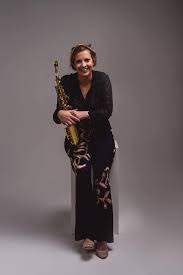
Saxophonist and composer Trish Clowes (pronounced "clues") hails from Shrewsbury, Shropshire, England. At the age of 19, she moved to London to study at the Royal Academy of Music. Seven years later (in 2010), Ms. Clowes issued her debut album "Tangent" on Basho Records––an ambitious project for sextet and, on two tracks, a full orchestra with vocalist. Two years later, not only did she release her second album as a leader ("And In the Night-Time, She Is There") which featured her touring quintet with a string quintet and guests, the saxophonist was named a BBC Radio 3 New Generation Artist. The BBC commissioned Ms. Clowes to compose for their Concert Orchestra which garnered her a British Composer Award in 2015. That piece of music can be heard on her third Basho release, 2014's "Pocket Compass", her first full album with her Quintet with three tracks featuring the BBC Concert Orchestra.  Over the next few years, Ms. Clowes kept herself quite busy with many different commissions and projects including "Emulsion", a fascinating improvised music "happening" that continues to this day.

Photo: Brian Homer
In 2016, the saxophonist created MY IRIS, a quartet that features two members of her Quintet, guitarist Chris Montague and drummer James Maddren, plus pianist/ organist Ross Stanley. The bass-less ensemble's self-titled album was issued on Basho in early 2017 followed two years later by "90 Degrees Gravity" (also on Basho). The quartet was hoping to record in April of 2020 but the pandemic put that project on hold.  Ms. Clowes did self-release "MY IRIS Live!", a digital-only album through Bandcamp in 2020, a "low-fi" six-track set from an October 2019 live date.  

The group finally got into the studio at the end of August 2021 and the results of their efforts can be heard on "A View With a Room", Ms. Clowes debut for Greenleaf Music.  Still working with MY IRIS, many of the saxophonist's eight original pieces were composed during the world's lockdown. One can hear a restlessness, an urgency, in several of the songs such as the funky title track and the driving "No Idea".  The first track has such a "poppy" feel (note the bouncing piano line and dancing drums). The leader's solo is a joyful romp which leads right into pianist Stanley's spirited and playful spotlight.  Montague steps out next and he makes a more intense statement and the band picks up on that fieriness.  Ms. Clowes kicks off "No Idea" in musical conversation with drummer Maddren––notice how the piece then breaks into separate conversations (guitar with just drums before the piano reenters followed by sax, piano, drums, and quiet guitar). 

"Amber" is dedicated to Amber Bauer, CEO of Donate4Refugees, a London-based charity that Ms. Clowes works as an ambassador––if the charity's head is an energetic as this music, she'll do well.  The rhythm and main melody suggests Steely Dan (circa "Aja") and the band makes the most of the r'n'b swing of the piece. Guitarist Montague stands out on "Time", his Country-ish riffs reminiscent of Bill Frisell while there's a touch of Bruce Hornsby in Stanley's spot. The lovely ballad "Morning Song" is muted like the hour before daybreak, the handsome melody opening to a classically-inspired piano solo.  The short yet hushed tenor solo makes way for a powerful guitar statement and the set of fascinating chord changes before the close.


The program closes with "Almost". The piece opens rubato, scurrying brushes on snare, scattered piano chords, atmospheric guitar phrases, and disjointed saxophones phrase that slowly take shape into a lilting ballad. Nobody rushes but the song seems to grow more soulful as Ms. Clowes rides the guitar chords and the piano glissandos forward.  A shift in direction so that the guitarist can push the song forward and, as the intensity builds, the leader's soprano sax rises up above the rhythm section for a moment, like a colorful bird riding the thermals. Stunning, stirring, a momentary burst of pure joy.

Trish Clowes may be a new name to US audiences but do check out her music and, especially her work with MY IRIS.  "A View With a Room" feels like a musical balm, creating a sense of joy in the midst of complicated and often dangerous world––do spend time soaking in these sounds!

For more information, go to trishclowes.com/.  To hear more and to purchase the album, go to https://trishclowes-glm.bandcamp.com/album/a-view-with-a-room.

Here's the afore-mentioned "Amber":


I first became aware of Australian-born saxophonist Angela Davis back in 2013. At that time, she was studying for her Masters of Music at the University of the Arts in Philadelphia, PA.  That was also the year Ms. Davis self-released her debut album, "The Art of the Melody". Two years later, her second album, "Lady Luck", featured the saxophonist alongside pianist Dan Tepfer, bassist Linda May Han Oh (who was also on the debut album, drummer Richie Barshay, and a string quartet. Ms. Davis moved back home, to Melbourne, where she serves as a lecturer at both University of Melbourne and Monash University.  She's married to trumpeter Mat Jodrell and they have a son, Max.  Since returning home, she's released one album, "Little Did They Know", for ABC Jazz, the label of the Australian Broadcasting Corporation.

Ms. Davis's fourth album is the result of a Commission from the ABC Fresh Start Fund.  "Suite for Max" (ABC Jazz) is dedicated to her son born right before the pandemic. The five-movement, 36-minute, "Suite" features the saxophonist's "working" quartet including guitarist Stephen Magnusson, bassist Frank De Sario, and drummer Patrick Danao.  The opening "Movement" bears the influence of the Joe Lovano/ Bill Frisell/ Paul Motian trio, especially in floating rhythmic feel and Magnusson's guitar tone.  Max's father, Mat Jodrell, shows on the next track and his addition charges the album's atmosphere with Danao being more aggressive without overwhelming the music.  The leader's takes the first and most lyrical of the solos. The guitarist also creates a fine solo with his rippling phrases swooping and diving about the interactive rhythm section.
 
"Movement 4" opens like a quiet lullaby, Ms. Davis's gentle tenor leading the way. The handsome and fully-realized gives way to short solos then to the guitar and saxophone dancing around each other and landing back at the melody.  Bassist De Sario provides the counterpoint while the drummer moves from his cymbals back to a solid beat as the music draws to a close.  A tender guitar melody serves as a prologue on "Movement 5" which takes its lively feel from the engaging.  Ms. Davis's playing, at times, has a feathery feel as she was a leaf dancing on an Autumn breeze. Magnusson lets loose on his solo without jacking up his volume, making the most of the dancing rhythms of the bass and drums.   The saxophonist leads the band through a melodic coda, reminiscent of the way Keith Jarrett led his American Quartet (there's Paul Motian again) on their mid-70s albums.  

"Suite for Max" won't shake your world but that's not its purpose.  The music that Angela Davis composed for this project is the result of her watching her son begin to move, begin to claim his own space in the world, all the while wide-eyed at wonders all around.   Ms. Davis rarely plays on the fiery side; instead, she gravitates towards the melodic side of music.  Listen to this music at the break of dawn or at the close of the day; it's such pleasant company!

For more information, go to https://angeladavismusic.com/. 

Here is "Movement #2" from "Suite for Max":

Sunday, November 1, 2020

Autumn 2020 Treats

Nowadays, music comes from everywhere, from artists around the world. Two of the three groups reviewed below are transatlantic in composition while one is from a group of musicians based in Chicago but with international experience.

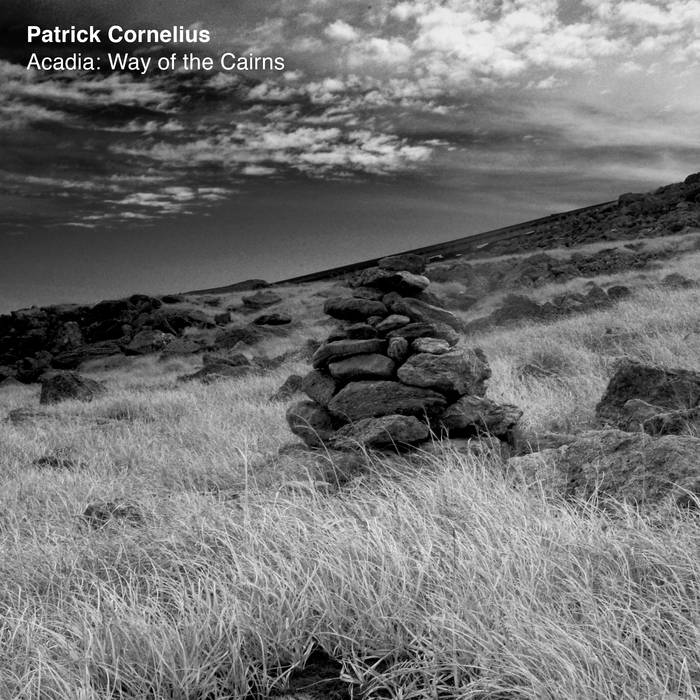
It's been 12 years since alto saxophonist and composer Patrick Cornelius recorded with the Transatlantic Collective.  Composed of Cornelius, bassist Michael Janisch, Estonian pianist Kristjan Randalu, and drummer Paul Wiltgen (from Luxembourg, that band spent the better part of four years recoding and touring.  Janisch and Cornelius stayed in touch; in fact, the Wisconsin-born bassist, head of Whirlwind Recordings (and now a resident of London England), has released three of Cornelius's albums as a leader. The saxophonist reached out to his three friends with a new project, music inspired by Maine's Acadia National Park; they gathered in England, rehearsed, played several gigs, entered the studio, and emerged with a new album.  The result is "Acadia: Way of the Cairns" (Whirlwind), a delightful suite (seven pieces by Cornelius, one each for Randalu and Wiltgen) that sparkles and shines from beginning to end. The group has now been dubbed Acadia after this project, 

First thing one should notice is how clean and clear the sound––you can hear all four musicians without an issue.  Janisch's bass playing is particularly strong; he is the first soloist on the opening title track, his melodic lines and thick tone set the pace for the band.  The skipping rhythms of "Blueberry Mountain" are propelled forward by Wiltgen with a touch of hip hop in his attack. Note how Cornelius dances over the rhythm section plus Randalu's short but dazzling solo that starts low in his left hand, gleefully darting up the keyboard. The rhythmic attack on this tune as well as the opening moments of "On The Precipice" features echoes of pianist Keith Jarrett's European Quartet with Jan Garbarek, Jon Christensen, and Palle Danielson.  The powerful "Darkest Night" is in the middle of the program, introduced by the circular piano lines with the bass introducing the main melody before Cornelius introduces the second part of the theme.  The saxophonist's exciting solo is underpinned by the heft of the piano chords.

Randalu introduces his composition "Valse Hésitante" with a lilting melody before the saxophonist joins in counterpoint. There's a touch of Erik Satie in the gentle melody as well as the opening phrases of the piano solo. Check out the formal sound of the saxophone solo, almost as if this was a recital.  The drummer's contribution, "Ten Years Later", might refer to the band's extended hiatus. The ballad, which closes the program, is a finely constructed piece in which all four musicians move the melody forward.  Cornelius steps out for a short, soulful, solo that closes on a bluesy return to the original melody.  

"Acadia: Way of the Cairns" moves with purpose, style, energy, and soul. Patrick Cornelius writes to the strengths of his musical partners and they respond in kind.  This music pulls the listener, leaving one satisfied but ready to dig right back in.  That's what the best music does!

For more information, go to www.patrickcornelius.com/projects/acadia. To listen to more music and purchase the album, go to https://patrickcornelius-whirlwind.bandcamp.com/album/way-of-the-cairns. 

Here's the quartet playing "Darkest Night":


Greg Osby (United States: soprano and alto saxophones) and Florian Arbenz (Switzerland: drums, percussion) have played together for over 22 years, playing concerts in Europe and the United States.  "Reflections of the Eternal Lines" (Hammer Recordings) is their first duo recording but they have recorded together before with the drummer's cooperative trio VEIN. This album was inspired by the paintings of Swiss artist Stephan Spicher, whose workshop was the host for the recording. The pieces, composed by the drummer, run the gamut from the hard driving "Groove Conductor" to the dancing rhythms of "Wooden Lines" to the quiet kalimba/ soprano sax piece "The Passage of Light" (which has the feel of a ballad by Billy Strayhorn).  The mysterious "Chant" rumbles forward on the sounds of a gong, orchestra bells, and cymbals while Osby creates a lovely melody.  

Black American Music has had a number of fine saxophone/ drums duos; examples include John Coltrane and Rashied Ali ("Interstellar Space"), Max Roach with both Anthony Braxton and Archie Shepp (for Hat Hut Records), plus Dewey Redman and Ed Blackwell.  "Reflections of The Eternal Line" will remind you of those albums yet has its own beauty and mystery.  The duo of Greg Osby and Florian Arbenz recorded alongside Stephan Spicher (see and hear below), each artist inspired by the others.  Sit down, turn the speakers up loud (or wear head phones), and the sounds create paintings in your mind. What an aural treat!

For more information, go to www.florianarbenz.com/osby/.  To purchase, go to https://florianarbenz.bandcamp.com/. 

Here's the delightful opening track:


The city of Chicago, Illinois, reverberates throughout "Forward", the new album by trumpeter/ flugelhornist Chad McCullough.  It's his debut on Outside In Music and features a stellar cast of Windy City regulars including pianist Rob Clearfield, bassist Matt Ulery, and drummer Jon Deitemyer plus, on three of the six tracks, Ryan Cohan (keyboards, programming, co-producer).  The program, all McCullough originals, features three quartet pieces and three that add Cohan to the mix.  First time through, one can hear the influence of the late Kenny Wheeler, especially in the open-ended nature of the music and performances––Cohan's synthesized strings actually add to the airiness, giving an ethereal feel to "Oak Park", a symphonic grandeur to "Grave at the Gavel or Grace at the Gallows", and a winter-like atmosphere to "Water Tower Sunset."  

Like Wheeler, McCullough does not dominate this music, allowing the rhythm section to set the tone of each piece. If you have paid any attention to Rob Clearfield, you'll know he's one of the most lyrical pianists on the scene. Not only does he create a solid foundation for the trumpet to ride on but he also creates space for Ulery and Deitemeyer to move independently––you'll hear that on pieces such as "Gentle" and the fast-paced "Focal Point."  On the latter piece, the rhythm section plays with great energy and purpose––Clearfield dominates the first several minutes, engaging in a musical conversation with the bass and drums that is exhilarating. McCullough picks up on that energy, creating his own dialogue with the group.

Photograph: Roberta Ciprus
If you have any familiarity with the city of Chicago, several of the songs will create a mental picture of the city.  "Oak Park" is where Frank Lloyd Wright, "November Lake" will remind you of the breezes off Lake Michigan that make you catch your breath, and "Water Tower Sunset" will posit one in the bustle of North Michigan Avenue. 

What impresses most about "Forward" is how the music, whether the pace be slow or fast, is so alive with ideas, melody, and sense of purpose. At this time, when music is one of the few ways to "travel" safely, Chad McCullough has created a journey that is emotionally uplifting and ultimately satisfying.  

Here's a taste of "Grace at the Gavel or Grace at the Gallows":


Chad McCullough, with Jon Deitemyer, Matt Ulery, pianist Paul Bedal, and synth artist Paul Mutzabaugh, played an "Album Release Concert" in mid-October (two weeks ago, as of this writing) at the Fulton Street Collective in Chicago. Below is an excerpt of the full show, the lively "Focal Point":


Wednesday, October 21, 2020

The Music That has Taken Me Through.....

This pandemic has shaken up everyone's world.  Illnesses are exaggerated, masks are a necessity (not for all but those non-wearers are chancing fate), and we all know someone or ones who has/ have passed. The past month has been quite an emotional time for our family and, while I have not been able to write, I have been listening to a lot of music. This post will include several that have stood out!

Looking at the cover of the new Dayna Stevens 2-CD set, "Right Now: Live at the Village Vanguard" (Contagious Music), just might bring a tear or two to one's eyes. People mingling outside the NYC nightclub, no masks, conversations aplenty, is a sight for sore eyes. Listening to the album might just do the same.  You are posited at a front row table at the Vanguard, the quartet––Stephens (tenor and soprano saxes, EWI), Aaron Parks (piano), Ben Street (bass), and Gregory Hutchinson (drums)––goes through two sets of original material throughout his catalog plus several new pieces (and one Parks composition).  It seems civilized.  The band is fine shape, the leader enjoying their company, and the crowd excited and responsive.  Listen to how the rhythm section pushes Stephens to dig deeply on pieces such as the bluesy "Lesson One" and how the Caribbean rhythms pulsate throughout "Tarifa" (listen below). Stephens playful soprano sax lines are a highlight of the program.

Stephens switches to his EWI (electronic wind instrument) once in each set. His instrument is connected to a Leslie Speaker (the kind often associated with the Hammond B-3 organ) and he exploits that sound on the album's final track "Blakonian Groove" (dedicated to drummer Johnathan Blake)––the piece starts slowly but once Hutchinson starts kicking hard, the moves moves forward with a purpose. In the first set, "Radio-Active Earworm" takes a more introspective approach especially after the leaders long introduction, pianist Parks steps into a handsome musical canvas that builds up to Stephens powerful solo.  The EWI takes on more of a "synth-sound" yet never feels contrived or forced.  

There's plenty of fine music on "Right Now!" from the running start of the opening track "Smoking Gun" to the  Thelonious Monk-inspired  "You Are Me Blues" to the rambunctious "JFK International" and more. Like the best Black American Music, the rhythm section deserves kudos for lighting the fires underneath Dayna Stephens and Aaron Parks while Stephens gets extra credit for doing such an excellent job mining her repertoire.  Live music indeed––enjoy!

For more information, go to daynastephens.net/.  To purchase the specially-priced album, go to https://daynastephens.bandcamp.com/album/right-now-live-at-the-village-vanguard. 

Click the link to hear the delightful "Tarifa"!


Drummer and percussionist Devin Gray was in awe of drummer and percussionist Gerald Cleaver long before they met in 2006––the awe melted into respect as they became friends and musical experimenters.  "27 Licks" (Rataplan Records) is described by Gray as "....a small capture of our “just another day” vibe in the farming of our musical lives."  Nine tracks, 42 minutes, all drums, many rhythms, a delightful conversation during which you can hear all influences disappear and the joy of playing reigns supreme.  It's a waste of time to try and figure out who's playing which part, what's written and what's not––instead, go with their flow and listen with your feet and your body.  Let the songs roll around in your brain, play it loud.  

To find out more and to purchase the album, go to https://rataplanrecordsnyc.bandcamp.com/album/27-licks. 

Click here to check out "The F-Train Drain"!


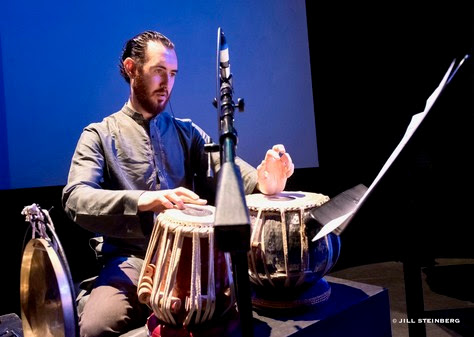
Brian Shankar Adler goes it alone in the studio for his latest album. "For a Gallery On the Moon" (Chant Records) features the artist on a plethora of instruments; the list reads bowed cymbals, buddha machine, ghatam, gong, kanjira, key chimes, manjira, mridang, opera cymbal, paper, ride cymbals, river rocks, slit drum, tabla, thunder sheet, and electronics.  No traditional drum set to be found or heard. That said, the album is a delightful sound adventure; there are moments that are inventive in the way that books for young children (ages 2-6) can be; in other words, Adler is continually playing with sounds and combinations of instruments, asking the listener to use his/ her imagination to fill in the story. For example, is the use of the thunder sheet in "Flight" meant to symbolize the sounds a flock of geese hear on a late summer evening.  Are the sounds of the gong and ride cymbals on "Cym" inviting or threatening?  The tabla drums on "Relative(s)" create a trance-like rhythm that draws one closer.  

Photo: Jill Steinberg
"For a Gallery On the Moon" lasts just 0ver 31 minutes yet is a travelogue like few you have encountered this year (or, perhaps, other years).  There are moments that bring the music of Terry Riley to mind ("Ghost Box") while the backwards tones of "rahdarkahC" remind this listener of the experimental phase of The Beatle and Jimi Hendrix.  Make up your stories for this music because that's part of what Brian Shankar Adler wants you to do. The percussionist also wants to take you out of your hectic world, make you relax and think about anything but politics and pandemics.  Sounds like a good idea!  

For more information, go to www.brianadler.com.  To hear more and purchase the album, go to https://brianshankaradler.bandcamp.com/album/for-a-gallery-on-the-moon.

Click here for the opening track "Young Blood"!

Monday, May 11, 2020

Getting Together & Letting Grow

Composer, arranger, and reed player Mike McGinnis has built quite a fascinating career. With gigs alongside Anthony Braxton, Yo La Tengo, Alice Coltrane and son Ravi plus playing in the pit band of the Broadway musical "Fela!" (among others), he's shown his versatility.  As a leader or co-leader, he's recorded with The Four Bags, OK|OK, in a trio setting with pianist Art Lande and bassist Steve Swallow for two albums on Sunnyside Records, with an octet playing original music influenced by Filipino-American painter MuKha, and led a dectet playing the music of Bill Smith.

His latest musical adventure, "Time Is Thicker", is the debut album on McGinnis's new label Open Stream Music. It's a delightful program composed of five in-studio jams, three standards, and  "Abnegation" by the late bassist Bob Bowen (1965-2010). McGinnis, who plays clarinet throughout (elsewhere he plays bass clarinet, soprano and baritone saxophones), organized the group with fellow Brooklyn-ites drummer Vinnie Sperrazza and bassist Elias Bailey, both of whom get equal billing on the cover. The drummer has worked with the leader before (as well as with trumpeter John McNeil, Stew & The Negro Problem, cellist Hank Roberts, and in the groups Landline plus Curtis/ Garebedian/ Sperrezza.   The bassist is best known for his work with vocalists Freddy Cole and Rene Marie –– he first "hit the road" at the age 19 with the Tommy Dorsey Orchestra under the direction of Buddy Morrow.

The music runs the gamut from exciting trio collaborations such as the opening "Get In The Car" which runs right out the gate on the power of Bailey's galloping bass lines to a swinging take of the Lerner/ Lane classic "On a Clear Day You Can See Forever."  There are several impressionistic pieces; "Low Bow Prelude" is bowed bass and clarinet that leans towards 20th Century classical minimalism whereas as "Bow Legged Releve" is a livelier interaction with the three voices gleefully weaving in and around each other. Bowen's ballad "Abnegation" is a lovely stroll with Sperrazza's brushes quietly in the background, Bailey's bass serving as counterpoint, and McGinnis's clarinet singing the handsome melody –– one can hear a hint of Jimmy Giuffre's music in this and other interactions on the album.  Listen to below to the delightful take on "Tin Tin Deo"; the piece dances out for over eight minutes but never loses its lively character.  McGinnis creates a splendid long solo as the rhythm section moves from its relentless pace into shorter shuffle paces.

"Time Is Thicker" closes as it opened, with a romp. This time, it's Cole Porter's "Just One Of Those Things" that the trio kick into high gear.  Sperrazza gets to play with the rhythm while Bailey's walking...running...bass lines keeps the piece from spinning off its axis.  There is a brief moment in the clarinet solo when McGinnis conjures up the spirits of Artie Shaw and Benny Goodman.  Pull a chair and get acquainted with the sounds of Mike McGinnis, Elias Bailey, and Vinnie Sperrazza – your head will be in a better place when you do.

For more information, go to www.mikemcginnis.com. To purchase the album, go to https://openstreammusic.bandcamp.com/album/time-is-thicker.

Here's the Chano Pozo/ Gil Fuller classic:


Photo: Jimmy Katz
Alto saxophonist and composer Michael Thomas has been a busy musician since moving to New York City in 201l. His debut album was issued later that year. He's performed with drummer Dafnis Prieto, fellow saxophonist Miguel Zenón, and trumpeters Nicolas Payton and Etienne Charles.  Since 2015, he and bassist/ composer Edward Perez have led the Terraza Big Band – the ensemble's 2019 delightful debut album "One Day Wonder" was issued on Outside In Music.  In 2018, Thomas joined the faculty of the Jackie McLean Jazz Institute at the University of Hartford's Hartt School of Music.  He currently leads a quartet featuring bassist Hans Glawischnig, trumpeter Jason Palmer, and drummer Johnathan Blake. That ensemble recorded its debut album at The Jazz Gallery in New York City on August 14 and 15, 2019.  Recorded by Jimmy Katz, the two-record set, "Event Horizon", has just been issued on Katz's Giant Step Arts, the label he co-owns with his wife Dena.

The recording, released as a two-disk set, features nine pieces composed by Thomas plus a "Bass Intro" and a "Drum Intro" – there's also a "Sax Intro" that leads off Disk two (since it's Thomas playing, he gets the credit for the "composition").  The fullness group pieces are all over 8:40 seconds with two above 13:50.  What stands out on initial listenings is the stamina of the rhythm section. Glawischnig is a melodic bassist so his lines are often moving while Blake is quite an active drummer.  After a few more "deep listens", one begins to hear the different pieces and how the solos grow naturally from melodies.  There are moments when the more energetic tracks bring to mind the music of the classic John Coltrane Quartet, especially the long saxophone solos that continue to explore the many variations in the structure of the original composition. Palmer is one of the premiere contemporary trumpeters; while he can play "fiery", his solos are witty, even danceable (listen to "Dr. Teeth" to see what I mean), and he engages fully with the rhythm section each he picks up his horn.

You can hear the influence of Coltrane (as well as Anthony Braxton and Roscoe Mitchell) on the unaccompanied "Sax Intro" –– the circular lines resemble allegro lines from a classical composition. Those phrases Thomas plays show up again during his muscular solo on the song that follows. "Chant" is one of the more powerful pieces on a program of powerful songs. Again, the trumpet solo tamps down the volume but not the interactions. Both Blake and Glawischnig stand out for their creative support of the soloists.  The closing two minutes of the 14-minute track is a drum solo over cascading lines by the saxophone, trumpet, and bass. One can imagine the audience jumping out of their seats last the amazing climax.

"Event Horizon" is an album that will grow the more you listen.  While there are plenty of long solos from Thomas and Jason Palmer, make sure to pay attention to the songs. There are no quick hooks the leap into the solos. Instead, pieces like "Underground", "Drift", "Framework", and the title track take their time to their time to develop and each member of the quartet is integral to  making sure the listener understands the structure, melody, and harmony the composer puts into each composition. In these pandemic days, I found listening to this album by Michael Thomas while taking a long walk made me appreciate this substantive music even more. Take a deep breath and dive in!

For more information, go to www.michaelthomasjazz.com.  You can listen to and purchase the album at https://michaelthomasjazz.bandcamp.com/album/event-horizon.

Here's the quartet in action:


Photo: Roberto Cifarelli
Bassist and composer Omer Avital came to the United States from his native Israel in 1992 and immediately started working with artists such as Roy Haynes, Kenny Garrett, and Jimmy Cobb (plus many more).  He became part of the scene at Smalls Jazz Club, recorded a series of albums for the Fresh Sound New Talent, toured the globe with Third World Love, a quartet that also featured trumpeter Avishai Cohen (that group recorded four albums), and so much more.  He moved back to Israel in 2002 for three years to study, returning to Brooklyn in 2005.  Since then, he has recorded and toured with numerous artists from classical, world music, and jazz.  He's a powerful bassist, with a great ear for melody as well as percussion.

In 2016, the bassist formed Qantar with four young Israeli ex-patriates who had emigrated to the United States to expand their musical knowledge and opportunities to play. With Avital as the leader and main composer, the musicians –– Asaf Yuria (tenor and soprano saxophones), Alexander Levin (tenor saxophone), Eden Ladin (piano), and Ofri Nehemya (drums) –– have begun to record on their own and perform in numerous groups around the NYC area.  As Omer Avital Qantar, they have just issued their second album, "New York Paradox", on the bassist's Zamzama Records.  The quintet's self-titled 2018 debut album displayed a band with its roots in both Middle-Eastern rhythms and the hard-bop of people such as Art Blakey and John Coltrane.

The new album is all that and more. The blend of the two saxophones, Ladin's exploratory piano, Nehemya's powerful and exciting drummer, and Avital's splendid musicianship and compositions, makes for a program that one would love to hear in a club setting.  Actually, that's not a surprising reaction as the quintet recorded in Avital's Brooklyn recording & performance space Wilson Live.  The opening track, "Shabazi", blows out of the speakers at a pace that will take your breath.  There's a hint of McCoy Tyner in the powerful piano lines while the intertwined tenors pour out the riffs.  Avital and Nehemya set an incredible pace and there are delightful solos from Yuria and Levin plus a driving drum explosion over the repetitive piano and bass figures.

The soulful "Zohar Smiles", a ballad that highlights the sparkling soprano sax of Yuria as well as a strong, soulful, turn by Levin plus powerful chords from the piano.  "Just Like The River Flows" blends a Middle-Eastern flavored melody line with Nehemya's dancing drums.  The whirling dervish soprano sax solo over powerful drums and the driving tenor solo near the end makes the track stand out.  "Today's Blues" is a flat-out swinger that has a bit of that Blakey/ Jazz Messenger feel.  "C'est Clair" has that feel as well but is "cooler" and has more of a blues feel that the previous track.

"Bushwick After Dark" closes the album with even more of that blues feel of "...Clair."  But there's also a raucous quality to the tenor solos. The seductive sound of the bass and drums underneath allows the soloists to let their imaginations roam.  Avital steps out as well – his melodic and playful solo is the perfect embodiment of the entire band's attitude.  Serious fun indeed

"New York Paradox" is the sound of a "working" band having a terrific time playing.  Once these crazy days pass, you are well-advised to check out Omer Avital Qantar at a performance space near you.  Until then, the band's exciting, inviting, new album will more than whet your appetite.

For more information, go to www.omeravital.com. To purchase the album, go to https://omeravital.bandcamp.com/album/quantar-new-york-paradox.


Wednesday, December 11, 2019

Ten Years & "Ten", the Album


In the Autumn of 2009, The Hartford Courant, the newspaper where I had been free-lancing for 13 years, moved in to the next phase of an endless time of layoffs.  My blog was closed down and, like many contemporary writers, critics, and reviewers, searched for a new outlet where I could write about the music and artists that caught my attention.  

Step Tempest was born on December 14, 2009, and has been closely following the contemporary music scene which, despite the economic hardships that many musicians deal with on a daily basis, continues to respond and predict the many moods of our often-crazy world. The posts have moved away (mostly) from posting live concerts close to where I live in Connecticut – there is a lively creative music scene with the continued successes of Firehouse 12 in New Haven (both as a recording studio and performance venue) plus the development of The Side Door in Old Lyme and The State House, also in New Haven.   

Much changed for me in my seventh decade.  I am now a grandfather (twice!), I have been adjunct faculty at Quinnipiac University since 2010. Our daughters have grown up and are now active members of their respective communities. Like many people, I have had my share of physical issues but most have disappeared.  I remain excited by the music I hear on a daily basis and am buoyed by the many friends I have made in the past decade. 

Thank you for reading!


Saxophonist-educator-radio show host Tom Tallitsch, both in Illinois and raised in Ohio, has been on the contemporary for two decades.  Currently living in Princeton, New Jersey, he maintains a busy schedule of private teaching as well as teaching piano to young people on the autism spectrum at the Princeton Child Development Institute.  His four CDs on Posi-Tone (2014, 14, 16, and 18) were, mostly, quintet affairs with excellent rhythm sections and songs that emphasized Tallitsch's melodic side.  He can "blow" with the best but has a bluesy, soulful, tone, especially on ballads, that stands out.  


His new album, "Ten", is his second release in 12 months to appear on his newly-revived personal label.  It's a quartet setting with guitarist Mike Kennedy, bassist Jason Fraticelli, and drummer Dan Monaghan, musicians who are all based in the Philadelphia, PA, area and all very busy.  All six pieces are composed by Tallitsch and each one is worth exploring.  The album opens with "Traveler", which prominently features Kennedy's guitar and the leader on soprano sax.  There's an open quality to the rhythm section but everyone digs in and the music becomes more intense as it scuttles forward.  Monaghan, in particular, really pushes the soloists but pay attention to the guitar underneath the sax solo responding to the energy his partners put out.  The rhythm section plus Kennedy leads the listener into the handsome ballad "Orange, Yellow, and Red" –  the mood is intensely bluesy and Tallitsch's tenor sax has a plaintive sound as he wends his way through the melody.  His solo pushes the band to push back yet the piece never boils over. Kennedy solos next, a blend of Bill Frisell-style "country" licks and blues riffs; never imitative but truly in line with the mood of the piece.  Fraticelli's short, powerful, solo precedes the move back to the theme for a final chorus.


What stands out through this program, whether the music is burning ("Ya Might Feel a Little Pressure") or soaring over a steady persistent beat ("North Shore") or pushing hard with rock overtones ("Lemmings"), is the urgency and interactions of the musicians. When Tom Tallitsch is soloing, the band is not only supporting him but also pushing him forward while creating intriguing backgrounds.  The use of guitar instead of piano in this band frees the composer-arranger to create compositions that give the quartet a broad audioscape to create the colors and moods that permeate the music: also, the music often escapes any definable genre. Let the sounds of "Ten" flow over and through you – satisfaction guaranteed!!

For more information about the saxophonist plus links to "The Modern Jazz Radio Show" (which originates on WWFM-Jazz on 2 from Trenton, New Jersey), go to www.tomtallitsch.com.  

Here's the opening track of "Ten": 


Monday, January 21, 2019

O, The Adventures You'll Hear & Share

Canadian born saxophonist Quinsin Nachoff has a new double album about to be released in February (2/08) and it's a stunning collection of pieces that run the gamut from free jazz to experimental interactions and beyond.  "Path of Totality" Whirlwind Recordings) features his group Flux, a quartet-quintet that has the tenor and soprano saxophonist in the company of David Binney (alto saxophone, C-Melody saxophone), Matt Mitchell (piano, Prophet 6, modular synth, Novachord, harpsichord, Estey pump harmonium), Kenny Wollesen (drums, Wollesonic percussion on cuts 1, 3, 4, and 6), and Nate Wood (drums on cuts 1, 2, 5, and 6) and, my goodness, do they create a sound! Of the six tracks, two are over 19 minutes long, one at 14, one at 13, one at 8:10, and one at 6:36. Each track is different, four have added musicians, and the overall effect is surprising as well as fascinating.

There is a part of me that wants to illuminate each track for you while, in reality, you just need to find this album, turn it up loud, and dive in.  The project was inspired by a total solar eclipse that took a path from the Northwestern part of the United States across the lower Midwest and into the Southern states. Nachoff, the composer, related the experience to his music, opening his compositions up to different tonalities and ideas that sprang from experiments with melodies, harmonies, and rhythms he had not worked with before.  It certainly helps that Flux is such a talented ensemble, that Mitchell can make any keyboard he touches sound unique.  The use of electronics is both subtle and powerful, the addition of a five-man reed and brass section on "March Macabre" creates a huge sound (plus there's also a tap dancer), and the brilliant interaction of Nachoff, Mitchell, Binney, Wollensen, and multi-percussionist Mark Duggan (marimba, vibraphone, glockenspiel, crotales, and Tibertan singing bowls) on "Toy Piano Meditation" creates a mini-Gamelan orchestra that obliterates then rearranges your sense of time.

The more I listen, the more I believe this sonic adventure is a form of alchemy, a magical science beyond explanation.  Both drummers capture your attention by how they not only color the surroundings  but push the music forward.  The sound of Binney and Nachoff together will make you listen as they blend their voices as well as stand out individually.  Mitchell shines every time he makes a recording, either on his own or in support of someone else's visions. He can disappear into the ensemble to fill the bottom layer of sound, he can stand out as a soloist, and he puts an indelible touch on every track

"Paths of Totality" contains so much music you'll need to listen numerous times before you begin to hear all that is going on.  Don't be shy as this music will challenge you from note one until the powerful final track, "Orbital Resonances", fades slowly away on the pounding percussion of both Wollenson and Wood.  What a treat - Quinsin Nachoff continues to mature as a composer, musician, and arranger and we are the lucky beneficiaries.

For more information and to watch a series of videos that goes with the music on the album, go to www.quinsin.com.

Here's the exciting title track:


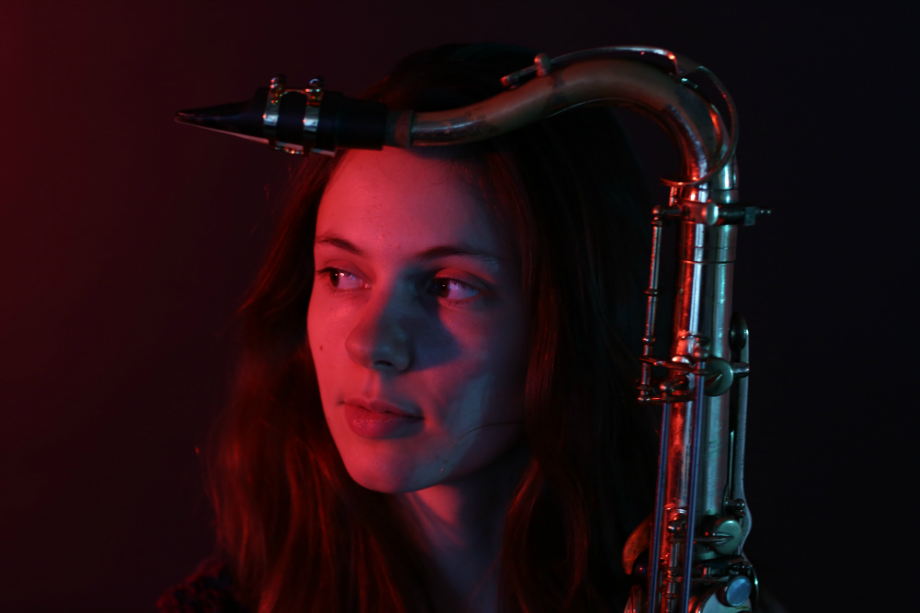
For her third album as a leader, "Wander Wonder" (self-released),  alto saxophonist and composer Allison Au opens the program with a delicious curve ball. The sounds of producer Todd Pentney's Prophet Rev2 synthesizer washes over the Quartet not unlike the synthesized sounds that dominated several of Wayne Shorter's CBS albums in the mid-1980s ("Phantom Navigator" and "Atlantis" in particular).  The rest of the program uses the synth sparingly but the sense of experimentation heard at the top of the album, which one can hear on the other albums Ms. Au has made, is heard throughout.  With the splendid rhythm section of Jon Maharaj (acoustic and electric bass) and Fabio Ragnelli (drums), the music flows forward. Maharaj is a wonderfully melodic bassist whose counterpoint to Pentney's left hand shines on several of the tracks - that counterpoint can be heard during a number of the saxophone solos as well.

Take the time to roll with the music, to follow the dancing alto sax solos that, at times, remind this listener of a bird in flight. Listen to the dancing interactions of "Red Herring" as Ms. Au interacts with Ragnelli while the synth strings color the background.  Her alto sax flies easily to the higher registers on "Looking Up" as Maharaj and Ragnelli dance joyously beneath her.  Dig Marahaj's thick electric bass lines on "The Rest Is Up To You" and the funk passages the rhythm section falls into under the alto theme. During Ms. Au's delightful solo, the rhythm section kicks with glee (also, notice how Pentney rises out int his solo while Ragnelli gives him a martial beat to move in and around.

Really, what I like most about "Wander Wonder" is how this quartet interacts intuitively, how important melody is to each song, how the themes help set up the solos, and how the rhythm section does not play it safe at all.  Sit down, let the music wash over you. Close your eyes, listen to each musician. This is also an album to enter on your own without preconceptions; don't worry about influences or who everybody sounds like, just listen. Then, listen again.  This is not music for impatient people. Take your time. The thrills on this album are often sublime but they are there to savor.

The Allison Au Quartet has won numerous awards in its native Canada and deservedly so. "Wander Wonder" illustrates the band's strengths and how Ms. Au continues to mature as a composer. Check this out!

For more information, go to www.allisonau.com.

Here's the AAQ in the studio:

Wednesday, May 16, 2018

Music With Deep Roots & Feelings

Photo: Ssirus Pakzad
Alto saxophonist and composer Román Filiú, born in Santiago de Cuba and now a resident of New York City, has created quite a busy career.  He performs and records with Henry Threadgill's Ensemble Double Up and with drummer Dafnis Prieto. He has also worked with fellow saxophonist David Murray, pianists Gonzalo Rubalcaba, Marta Sánchez, and Chucho Valdés plus drummer-composer Doug Hammond.  His first album as a leader , "Blowin' Reflections", was issued in 2006 on the Spanish Bost Espacio Creativo label while his second, "Musae", was issued in 2012 on Prieto's Dafnison Music imprint.  Both featured fiery playing as well as intelligent compositions that mined the composer's heritage while illustrating how he continually looks forward.

"Quarteria" (Sunnyside Records) literally translates to "house of residence" and "small housing units" - the title also refers to the place where Filiú grew up.  Joining him on this musical adventure is Ralph Alessi (trumpet), Dayna Stephens (tenor sax), David Virelles (piano), Matt Brewer (bass), Craig Weinrib (drums), and Yusnier Sanchez (percussion) plus Maria Grand (tenor sax on two tracks).  The musicianship is superb throughout as Filiú creates an extended suite that show the diversity of his influences (Cuban dance music, classical studies, Afro-Caribean music).  Note the clean tones of the front line, the articulate piano lines, the powerful bass, drums, and percussion but also pay attention to the extended melody lines, the harmonies, and the solos that grow organically from the composer's settings.

Photo: Antonio Porcar Cano
From the opening throbbing rhythms of "Fulcanelli", the listener enters into a musical world at once familiar yet challenging.  Listen to how the melody for the reeds and trumpet is constructed and how the opening solo (Filiú) dips and swerves around the Monkian piano chords and hopscotch rhythms. Virelles, who also hails from Santiago de Cuba, takes a most delightful turn before Stephens engages him in a fascinating musical conversation.  Weinrib, who plays alongside the leader in Ensemble Double Up (as does the pianist), leads the group into "Grass", at first playing a melodic line: then he continues to play around and through the phrases and interactions of the others.  "Choral" is a beautiful ballad with a haunting melody line filled with harmonic turns, Both saxophonists take handsome solos before Virelles's contemplative turn (listen to Brewer's excellent counterpoint during the piano spot).

Filiú composed three "Danzas" for the album.  "#5" comes first and is a short (1 minute) yet thoughtful piano solo that leads into "#1" , a piece that jumps out of the speakers led by the excellent percussion and drums.  The dancing rhythms rumble beneath the soloists, reacting to the dynamics of the players while spurring them forward.  Alessi builds his potent solo not only on the melody line but on the rhythms below him.  Separating "#1" from "#3" is the short but succinct "Glass", an uncomplicated melody line but a powerful piano spotlight. The final "Danza" begins with a fine bass solo before the tolling piano chords lead the rest of the group in.  Here, the trumpet solo darts forward ahead of the beat before Stephens comes in, echoing the percussion.  Virelles takes a fiery solo, weaving atonal chords with rushing single-note runs in a stunning fashion.

Photo: Larisa Lopez
Saxophonist Maria Grand adds her tenor sound to "For Horns and Bells", a short yet lovely piece with a melody reminiscent of John Coltrane's "Central Park West"; in particular, the arrangement reflects the version Jack DeJohnette recorded with his Special Edition in 1980. She also can be heard on the following track, "Tursten", adding her attractive sound to the collective melody line before taking her solo, The rhythm section simmers below her as they do beneath Filiú - the pace picks up, a momentary montuno, right before the close.

"Quarteria" attracts the listener with its intelligent melodies, intricate harmonies, and captivating rhythms.  The sound of this music is so clear, never cluttered, with inventive solos and interactions.  Román Filiú, along with his excellent ensemble, has created an exciting program, music that resonates with one's feet, heart, and soul.

For more information, go to www.romanfiliumusic.com.

Take a listen to the opening track:


Maria Grand creates a unique program on her full-length debut recording. "Magdalena" (Biophilia Records) contains story-songs, instrumental excursions that feature the excellent rhythm section of Rashaan Carter (acoustic and electric bass) and Jeremy Dutton (drums), a pair of duets with guitarist Mary Halvorson, a duet with pianist (and label head) Fabian Almazan, and powerful contributions from pianist David Bryant. The tenor saxophonist wrote all the pieces (including the lyrics) on the album and contributes most of the vocals,

Ms. Grand, a native of Switzerland. moved to New York City in 2011 (at the age of 19) to study and work with Billy Harper, Doug Hammond, the late Von Freeman, and Steve Coleman.  She has recorded with Coleman on his most recent Pi recordings, "Synovial Joints" and "Morphogenesis."

The album opens with "La Immortal", a rubato work that features spoken-word artist Jasmine Wilson (a vocalist and poet) - the words celebrate the feminine aspect of creation while the saxophone, piano (Bryant), and rhythm section skitter beneath the voice. Almazan's piano rumbles, flows, and thunders below Ms. Grand's voice on "Imani/Walk On By", a tribute to vocalist Imani Uzuri. The two tracks with Ms. Halvorson, "Last Year" and "Sing Unborn", both deal with personal relations, although the latter tune is written to Ms. Grand's unborn children.  The blend of guitar and voice has a mysterious quality heightened by the tension in the melody line as well as the sustain and studio echo.

Photo: Gilmatic
For this listener, it's the three-part, 19-minute "T" suite that stands out.  On "T 1: Isis", Ms. Grand winds her way through the melody while Carter's electric bass provides a thick counterpoint and Dutton pounds, rattles, and dances underneath.  "T II: Maria", according to the liner notes represents the "Virgin Birth" of Jesus to Mary and Joseph. After a powerful solo saxophone intro, the rhythm section enters, Carter on acoustic bass and Dutton setting a medium pace Ms, Grand to move seamlessly over.  There are moments on this recording, this being one of them, when you can hear the influence of Steve Coleman and Greg Osby, especially n the way the bass and drums frame the saxophone as well as the adventurous melody lines in the solo. "T III: Magdalena" floats in on acoustic bass and splashing cymbals supporting a formal, Indian-influenced, melody.  The piece opens to a wide-ranging bass solo and when the drugs and saxophone return, the mood returns to the contemplative state of the first part of the track.  However, Dutton is more active, more intense, as a counterpoint to the rolling saxophone lines.  That tension is quite effective and is broken right at the end by a short, bouncy, melody that closes the piece.

Bryant's roiling piano work stands out five tracks on which he joins the band but especially on the trio of pieces that are back-to-back-to-back. "Pyramid Sphere" opens in a funky mood and the pianist immediately launches into a solo. Built off the melodic phrases that open the track, Bryant engages in a a lively give-and-take with the bass and drums. Ms. Grand picks up on that energy, entering into her solo in a playful mood.  A strident piano chord introduces the next track, "Where Is E", and one expects by the saxophone-piano duo, the piece will be a ballad. The pace is slow, with a blues feel, yet moves in unexpected directions (note the excellent bass work).  The final song of the three, "Demonium", has a funky feel, a cross of The Meters with Steve Coleman. Dutton is the focal point here, creating a tension-filled skittish rhythm that influences how Ms. Grand and Bryant respond.

The album closes with the other spoken-word piece, "Ejes y Deseos", which features rapper Amani Fela. With an airy background, a powerful bass line, and several melodic interchanges between the saxophone and piano, the song is a positive close to a program. Among the lines are the opening couplet "May all the creation the children of love/feel the burn of happiness" and the closing couplet "Infinite connection through the hearts/Real life energy shared in the minds of thousands."  There are moments when Ms. Grand's lyrics sound precious but the music beneath the voice has power and a strength that gives the words more depth.

"Magdalena" is a fascinating recording, very different from one might expect of someone so young. Her teachers and mentors obviously heard elements in the music created by Maria Grand to allow her to take flight.  Her voices, singing and saxophone, are already beginning to move away from her mentors: it should be fascinating to hear and see how this artist changes as she grows.

For more information, go to www.mariakimgrand.com.

Here is one of the Trio tracks: