Showing posts with label Chet Doxas. Show all posts

Monday, October 3, 2022

The Recuperation Playlist (Part Three)

The final installment of what could easily called the best new releases of the past three months and among the best of 2022.

Photo: Stephen Hawk
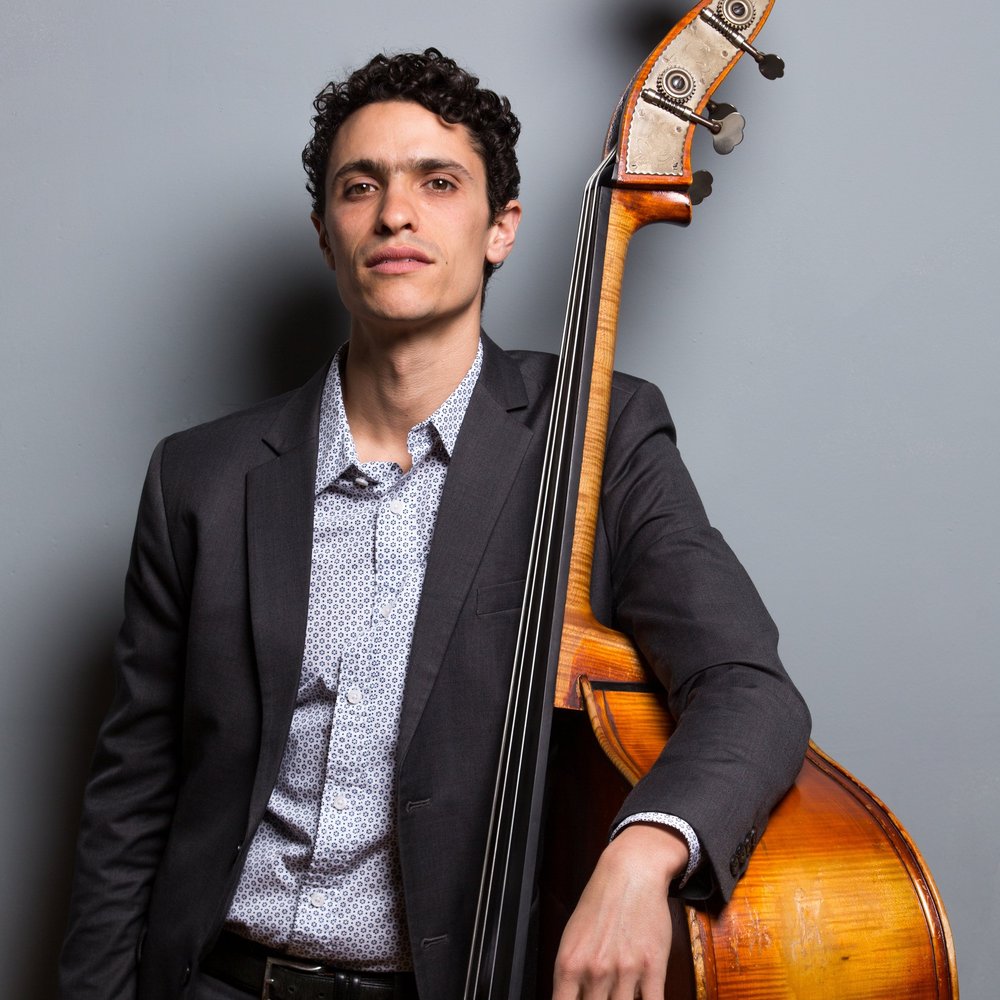
Bassist and composer Noah Garabedian is not only a well-educated musician (with degrees from UCLA and NYU) but also quite busy. He has worked with saxophonist Ravi Coltrane, pianist Kris Davis, drummer extraordinaire Jeff "Tain" Watts, and guitarist Nir Felder. He co-leads a trio with saxophonist Caleb Wheeler Curtis and drummer Vinnie Sperrazza (they have two recordings) and has released two albums as a leader, 2014's "Big Butter and the Eggmen" (BJU Records) and 2020's "Where Fables Meet" (self-released through Bandcamp).  Since before the Pandemic, Garabedian has been working with the rhythm section of Carmen Staaf (piano) and Jimmy Macbride (drums). They appear on the 2020 album along with bassist's tenor saxophonist brother Raffi.  Both albums are well exploring because the musicianship and the compositions are top-notch.


For his third album "Consider The Stars Beneath Us" (Outside In Music), Ms. Staaf and Mr. Macbride are back along with saxophonist Dayna Stephens (tenor and soprano) plus producer Samuel Adams (effects, programming, Moog Minitaur, and Juno JU-06A).  What stands out for this listener is the strength of the compositions, the great work of the band, and the depth of the sound. Garabedian's bass is front and center in the mix yet everyone else is so clear. Listen to the Weather Report-influenced "Salt Point"––under headphones, the music is so immediate and alive. Through speakers in the room, the music seems to fill every space but is not as intrusive as it is joyous and welcome. 


The blend of playful tunes and softer, more introspective, music pulls the listener. The blend of quiet tenor sax, classically-inspired piano fills, and full-throated bass push the opening "RR" with Macbride's active yet softer drumming pushing the music forward. One might look at the title "Expectation. Regret." and think this piece might be introspective as well.  But there is a quiet fire in the rhythm section that gives Stephens the cushion to build an impressive solo. The combination of the thick-toned bass lines and powerful piano work of Ms. Staaf makes the music jump. The pianist channels her inner McCoy Tyner on the closing track "Alice", producing a stunning solo.  Stephens expressive soprano sax pairs with the percussive piano to dance through the theme of "Petty Thieves" that then opens to a formidable bass solo.  "Shackelton's Cocoa" follows and it's a mischievous blend of blues and tango–the music is not a joke and builds to an impressive conversation between the four musicians.

Producer Adams layers electronics on several tracks; his most impressive work can be heard on "Pendulum for NG", a tune he wrote for the bassist. It's a strong piece especially for the fine tenor sax solo and the melodic strength of the rhythm section.  The synth sounds are, mostly, subtle and hardly intrusive.

"Consider the Stars Beneath Us" is a splendid album, filled with  with excellent compositions and fine playing.  Having listened numerous times over the past several months, this album fills this listener with joy and, like the best music, gives me hope.

For more information, go to www.noahgarabedian.com.  To hear more and to purchase the album, go to https://outsideinmusic.bandcamp.com/album/consider-the-stars-beneath-us-2.

Hear "Salt Point":


Five years ago, tenor saxophonist and composer Chet Doxas released "Rich In Symbols" (Ropeadope Records), a collection of compositions inspired by artworks from New York City artists of the 1980s. The saxophonist spent hours in galleries looking at the pictures, writing down melodic fragments and other thoughts. The resulting album was a powerful statement that mixed different genres of music and sounds, subtly capturing both the energy of the art and the composer's musical interpretations.  You can listen by going to  https://chetdoxas.bandcamp.com/album/rich-in-symbols


"Rich in Symbols II" (Justin Time Records) carries the subtitle "The Group of Seven, Tom Thomson and Emily Carr"; this time, Doxas spent time investigating artists from his native Canada (he's a native of Montreal, Quebec). Because all of the works are outdoor scenes, Doxas also created "field recordings" for the tracks that places the music (and the paintings) outside the galleries.  The rhythm section of Zach Lober (bass) and Eric Doob (drums) return from the first recording and the group is filled out by Jacob Sacks (piano, mellotron) and Joe Grass (pedal steel, guitar, banjo).  Like the earlier album, there are seven tracks but, for the most part, the newer pieces are longer and episodic in composition.  The impressionistic quality of the music and the performances allows for great variety in sounds––the music escapes from any specific genre and offers the listener a fascinating aural experience.

Photo: William Geddes

The first piece that really drew me into the project is "The Jack Pine". The longest piece in the program (13:04), the music also seems to travel the farthest. From the faint bell sounds (processed guitar and piano) plus a scratchy saxophone (as if recorded through a telephone), the music moves slowly like the wind blowing through the lonesome tree as depicted by Tom Thomson's painting (the artist lived from 1877-1917). Once Sacks picks up the melody on piano, the music begins to move forward with Doxas picking up the theme.  Suddenly, the rhythm section, sans piano, falls into a swing rhythm for a far-ranging pedal steel solo (reminds this listener of the playing of Susan Alcorn)–as the intensity picks up, the piece goes rubato and Doxas takes the lead. A quiet resolution to his solo leads to a gentle piano statement that reintroduces the theme and the cut closes on the gentle sounds of the opening seconds. Upon multiple listens, it strikes this listener that the melody hearkens back to music of the artist's time.  And the "airiness" as well as the noise places the subject outdoors in a cold and windy landscape.


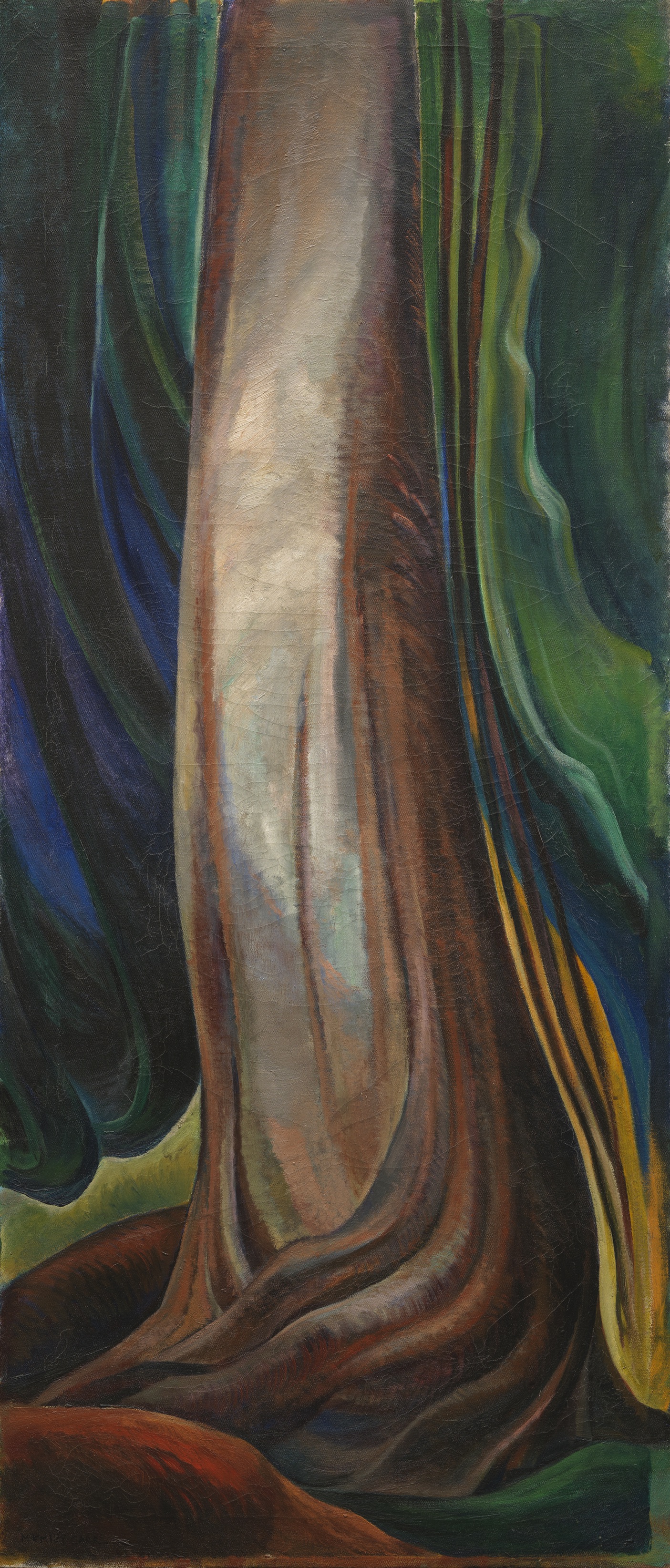
Emily Carr
There is a playful quality that emerges from "Tree Trunk", the song based on the painting by Emily Carr (1871-1945).  The music takes almost three minutes to emerge but when Doob drops into a "thumping" beat and Grass strums the banjo, Doxas (on clarinet) introduces the delightful melody. Shadowed by the bassist, the leader keeps dancing over the rhythm that is influenced by the work of Steve Reich. 

"House of Yprés", based on the painting (one of two on the album) by A.Y. Jackson (1882-1874) that the artist created while in France during World War I. Depicting a bombed-out house, the piece also features poet Sam Roberts reading an original work over the stark musical landscape.  

The final track, "The Front of Winter" which is based on a painting by J.E.H. MacDonald (1873-1932),  is a stunning "tone-poem", a handsome evocation of a snowy landscape on a winter morning. The blend of Doxas's rich tenor sound with the crisp piano lines, floating pedal steel sounds, thick yet melodic bass work, and the active brushes dancing around on the drum kit, is soulful, joyous, and reverential at the same time, a perfect close to a wonder-filled program.

"Rich In Symbols II" is an album you need to live with for a while. Much of the music is deliberate as if you are with Chet Doxas as he "sketches" his idea in the company of the paintings.  This is not a program concerned with technical brilliance but with helping you see and hear how one art form influences another as well as how the musician's interactions with the outside (natural) world can create concepts in the creator's inner world.  A glorious program that deserves your attention!

For more information, go to www.chetdoxas.com/. To hear more of the album and to purchase the music, go to https://chetdoxas.bandcamp.com/album/rich-in-symbols-2-the-group-of-seven-tom-thomson-emily-carr-2
 
Hear "House of Yprés":

Tuesday, December 21, 2021

2021 - Music that Moved, Soothed, Educated, and Inspired (Part 1)

 One gets to a certain point in life, especially if one has been reviewing albums for over five decades, that you realize what it is that really moves you. 2021, and all the craziness that has occurred, the anger, the apathy, the bullshit, the miracles, the possibilities, has been filled with a ton of great music.  Impossible to pick one favorite, never mind 10.  This list is split into two parts: the first list contains the 10+ I chose for the Critics Poll. 

James Brandon Lewis/ Red Lily Quintet – "Jesup Wagon" (Tao Forms) – Great story, great playing, important message, JBL and cohorts (drummer Chad Taylor, bassist William Parker, cornettist Kirk Knuffke, and cellist Chris Hoffman) create sounds soaked in blues and country folk, post-bop and more, into one of the freshest programs of this or any year. 
JBL's new Intakt release, "Code of Being", is also worth your close attention but start here!


Various Artists – "Kimbrough" (Newvelle Records Digital only) –– It's been almost a year since pianist/ composer/ educator Frank Kimbrough passed on and the effects of his passing continue to reverberate through the music. To honor Kimbrough's accomplishments as a composer and educator, producer and Newvelle Records co-owner Evan Mehler (also a former student) gathered 65 musicians, many of whom had played and/or studied with FK. The producer and the musicians spent four days in May in the studio in various formations recording 60 of Kimbrough's composition (one song is recorded twice, one with a vocalist, the other time as an instrumental). Two months, Newvelle released the 61 tracks as a digital download and at a reduced price –– the music is well worth exploring, painting multiple portraits of a composer always looking to create new ways of expressing melody and emotion.


Ches Smith and We All Break – Path of Seven Colors (Pyroclastic Records) - Percussionist, composer, and experimenter Ches Smith first got involved playing Haitian Vodou music over two decades, first as an accompanist for dancers before forming his group and creating new music for a quartet (drums, percussion, and piano) he formed.  That group recorded in 2015 on a small label.  For his second album, We All Break has expanded to an octet, adding a female vocalist, a fourth percussionist, and the evocative alto saxophone of Miguel Zenón. The music is fascinating, hypnotic, the rhythms pouring out of the speakers pushed by the small army of percussionists and pianist Matt Mitchell. Great package (if you buy the CD), so colorful plus informative and you get the quartet album as well!


Kate McGarry & Keith Ganz Ensemble – "
What To Wear in the Dark" (Resilience Music) - Just what one needs in the midst of a dark year is music that teaches us about love, resilience, friendship, creativity, and more.  Ms. McGarry and Mr. Ganz reimagine a number of songs from artists such as The Beatles, Steely Dan, Leonard Cohen, Paul Simon, and others, creating a program that often lads the listener back to the possibility of hope. Not only is Ms. McGarry's voice in splendid shape but also the arrangements by Mr. Ganz stand out for their creativity and musicianship.

Go to https://katemcgarry.com/music/ for more information.


Julius Hemphill – "The Boyé Multi-National Crusade for Harmony: Archival Recordings 1977-2007" (New World Records) – As Historical Recordings/ Reissues go, this seven CD set of live and studio recordings from the late composer, saxophonist, and conceptualist Hemphill (1938-1995) is akin to finding a vein of gold running through your backyard.  Kudos to producer/ curator Marty Ehrlich for his tireless work going through Mr. Hemphill's archives of papers and tapes housed at the Fales Library & Special Collections of New York University.  If you're a fan of Mr. Hemphill's adventurous music, this collection is a must. If you don't know how important he was to Black American Music in the last 25 years of the 20th Century, this set is essential learning.


Steve Coleman and Five Elements – "Live at The Village Vanguard (MDW NTR)" (Pi Recordings) – This two-CD set from MacArthur Genius grant recipient and innovator Coleman's May 2018 three nights at the legendary New York City music venue continues an incredible of amazing music that the Chicago native has produced over the past three+ decades.  Mr. Coleman is his usual fiery self on alto saxophone surrounded by the stunning rhythm section of Anthony Tidd (bass) and Sean Rickman (drums) with the exploratory trumpet of Jonathan Finlayson and the brilliant vocal poetry of Kokayi. This music is relentless and once you start listening, you do not want to stop. 


Henry Threadgill ZOOID – "Poof" (Pi Recordings) - Mr. Threadgill is deep into his sixth decade of stretching the boundaries of Creative Music; ZOOID celebrated its 20th Anniversary this year showing no end to the creative adventures that the composer/ alto saxophonist/ flutist designs for them.  Some people call this music jazz, some classical, but it's so much more than that. This music is storytelling that reaches into both your brain and soul, exposing one to possibilities of melody, sound, interaction, and ideas that seem radical but once absorbed, become part of one's DNA.  And, it's always a treat when Mr. Threadgill plays with his band!


Wadada Leo Smith's Great Lakes Quartet – "The Chicago Symphonies" (TUM Records) – Wadada Leo Smith's music was ubiquitous in 2021 and believe me when I tell you it's hard to pick just one (in fact, all four of his TUM releases make my extended list (the entire list will be posted soon).  While the trumpeter/ composer/ conceptualist is not a Chicago native, his amazing musical vision began to find its shapes while working with various members of the AACM, coming to life as he played alongside Anthony Braxton, the late violinist Leroy Jenkins, and late drummer Steve McCall.  His Great Lake Quartet includes two Chicago stalwarts, Henry Threadgill and drummer Jack DeJohnette, plus long-time ally, bassist John Lindberg (saxophonist Jonathon Haffner replaces Mr. Threadgill on disk 4).  These four "Symphonies" focus on the people and ideas that Mr. Smith encountered in Chicago and the AACM people he encountered later in Paris, France, and New Haven, CT.  I spent the better part of two weeks almost exclusively listening to these disks and still hear new ideas and make new connections when I return to the albums.


Sonny Rollins – "Rollins in Holland: the 1967 Studio & Live Recordings" (Resonance Records) – As the psychedelic era of rock music enveloped the United States in its smoky haze, jazz masters were beginning to lose their places on the Hot 100 albums and many clubs were revising their music policy. Tenor sax master Sonny Rollins was about to on another sabbatical but before he did, he honored a number of outstanding performances. He landed in Holland in May of 1967, met his rhythm section, bassist Ruud Jacobs and drummer Han Bennink, played a radio show and a couple of club dates, then moved on.  The music on this two CD set features shorter pieces recorded for the noontime radio show plus a generous helping of longer cuts from the "live" dates.  The sound quality of the broadcasts are top-notch but the relative brevity of the tracks does not give the leader music room to stretch; he's also quite generous in giving solo time to his rhythm section. The longer live cuts have poorer sound quality but Mr. Rollins shines throughout! 


Chet Doxas - "You Can't Take It With You" (Whirlwind Recordings) – Tenor saxophonist Doxas in a trio setting with pianist Ethan Iverson and bassist Thomas Morgan playing a delightful and heartfelt program of standards and originals.  The intimacy of this trio sans drums pulls the listener in, seducing one with melodic interplay, thoughtful interpretations, intelligent solos, and a sense of calm.  Doxas can "blow" with the best but here he chooses melody over facility/ technique. It's music for early morning and long nights when one can soak in the sounds without engaging the rest of the world.  


Mario Pavone Dialects Trio + 1 – "Blue Vertical" (Out of Your Head Records) –  In my original list, I posted "Isabella", the album Mr Pavone recorded with his Tampa Quartet in late February of this year but, after going back and listening to both posthumous albums, this one stood out a bit more. Recorded four weeks later (and six weeks before cancer claimed his life), one is amazed by the depth of the compositions (plus the brilliant of trumpeter Dave Ballou) and Mr. Pavone's stellar musicianship. Pianist Matt Mitchell and Tyshawn Sorey fill out the band – this ensemble's  history with the bassist explains why the music feels so urgent but not rushed.  Though I knew Mario Pavone for almost five decades, heard him play countless times, this is not a sentimental favorite.  This album shines brightly!


Roy Brooks – "Understanding" (Reel-to-Real Records) – For a time in the late 1960s and 70s, Roy Brooks was the "drummer" from Detroit. Not only did he lead his own ensembles but he also played alongside Horace Silver, Yusef Lateef, Chet Baker, and in Max Roach's percussion ensemble  M'Boom. This "buried" treasure was recorded live in Baltimore, MD, on November 1, 1970 and features the amazing trumpet work of Woody Shaw, tenor saxophonist Carlos Garnett, pianist Harold Mabern, and bassist Cecil McBee.  The intensity level this quintet creates leaps out of the speakers (the interactions between Shaw and Brooks are reminiscent of those of John Coltrane and Elvin Jones – no prisoners!) Roy Brooks, who passed in 2005, had a tough life yet his flame shone brightly until his illnesses got the best of him.  


Glenn Close & Ted Nash – "Transformation" (Tiger Turn) – Ms. Close and Mr. Nash decided to work together after the actress hosted the Lincoln Center Jazz Orchestra (of which Mr. Nash is a charter member) after a concert near her summer home in Maine. They threw ideas around for a collaboration and settled on telling stories about people who have made life-changing decisions and the people those decisions affect.  The blend of Mr. Nash's original music with the stories of people such as the saxophonist's son Eli, actor/ comedian Wayne Brady, convicted murderer Judith Clarke, activist Matthew Stevenson, E.O Wilson, playwright Tony Kushner, and others, remind us how complex the world can be and how the simple acts of paying attention and acceptance can make such a difference.  

Go to https://tednash.com/.  

More to follow!  Everyone, be safe!


Friday, September 24, 2021

Delight-filled Saxophone, Piano, & Bass


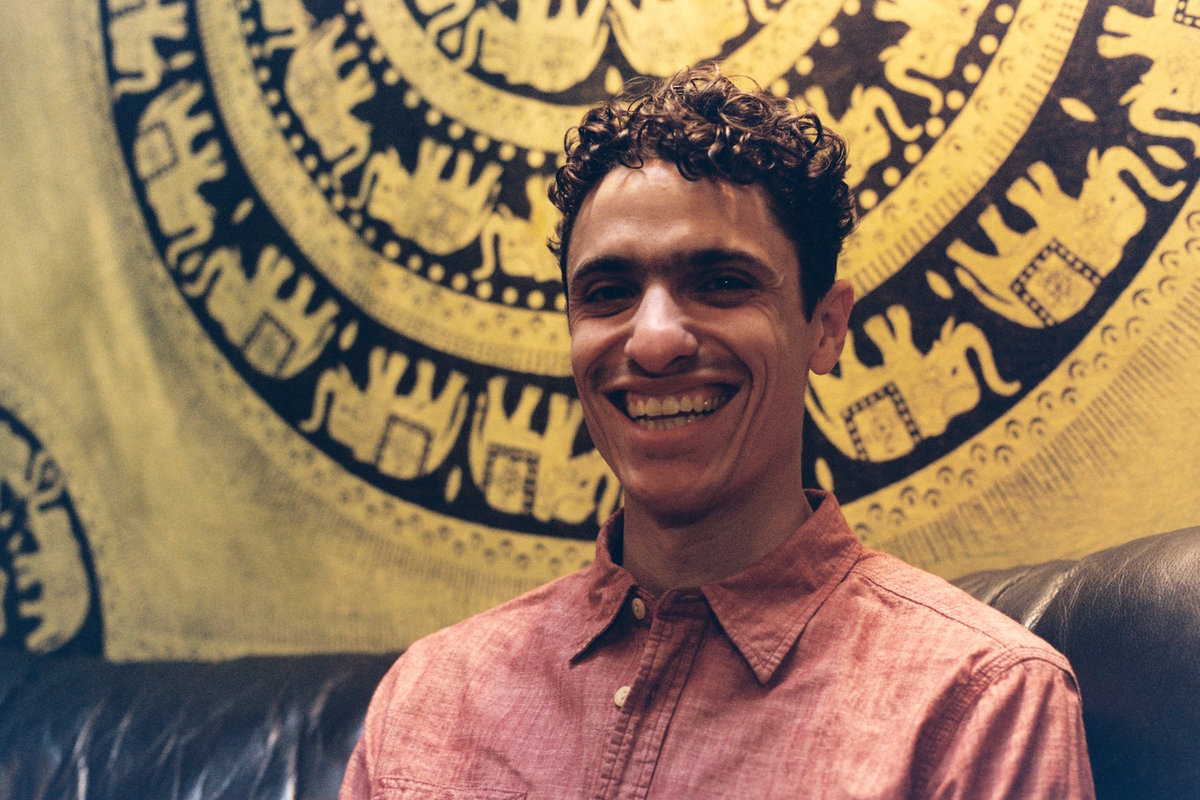
Canadian-born (Montreal, Quebec) Chet Doxas plays tenor saxophone, composes, plays in bands with his drummer brother Jim, and has co-leads the quartet Riverside with trumpeter Dave Douglas.  He has played alongside Carla Bley, Rufus Wainwright, the late John Abrecrombie, and Maria Schneider (to name just four) and plays in the Brooklyn, NY-based quartet LandLine.  He's got a "classic" tenor saxophone sound meaning one hear the influences of Coleman Hawkins, Lester Young, Ben Webster, Jimmy Giuffre, and others.

Doxas was on tour with Ms. Bley and her partner, bassist Steve Swallow, when they suggested he take one month each per composition for a project he was creating. As the songs took shape, the saxophonist kept hearing a drummer-less trio in his head.  He recruited bassist Thomas Morgan and pianist Ethan Iverson and, in September of 2019, they recorded the program that one can hear on Doxas's new Whirlwind recording "You Can't Take It With You".  The results are fascinating, playful, adventurous, melodic, and highly interactive.  

The title track leads off the album; the first sounds you hear are Morgan's richly melodic bass lines (at times, the melody one hears sounds like the "Sesame Street Theme" before the piano and tenor enter. The music settles in to a bluesy groove which the pianist jumps in and plays a delightful, playful, Thelonious Monk-inspired solo.  When the leader comes in for his solo, he starts with fluttering lines that sound Middle-Eastern before diving into a playful solo filled with circular lines, jabs, and feints. Watch out for the false endings.

"Lodestar (for Lester Young)" has a bouncy riff played by sax and bass while the pianist plays inside his instrument creating all sorts of dissonant tones before decided turn towards melody.  Doxas's long-held tenor notes connects the song to the next one, "Cheryl and George". Dedicated to the saxophonist's mother and father, the song starts with the tenor leading the way before Doxas and Iverson play together while Morgan solos.  After a short break, the trio comes back in and improvise in and around each other.

There's plenty to enjoy here.  "The Twelve Foot Blues" (inspired by Mark Twain) is another playful tune whose rhythm has a New Orleans-feel in its danceable bounce.  "Soapbox" was built on the rhythms of the speech patterns of late-night politicos.  Doxas not only creates melodic lines, he also "speaks" through his sax.  "All The Roads" is inspired by a speech by the late Fred Rogers; the music is contemplative asking the listener to think of all the people "who have helped to shape you."  

The program closes with "View From a Bird."  Composed in response to viewing a painting by Joan Miró (see left), there is a formality yet playful that hints at the influence of Ms. Bley's writing.  Iverson's piano lines have a classical feel while Morgan plays counterpoint off the pianist's left hand.  As the tenor solo flies above his partners, he does come back to land. The piano solo is delightful (is that James P. Johnson we hear for four bars?)

You can take "You Can't It With You" with you as a recording but make sure to sit and contemplate on what you have heard before going back and listening again. It's obvious Chet Doxas put a lot of thought and work into these 10 pieces, that he chose the right musical partners, and that they too worked hard to make this music sound so good, so effortless, so alive.  

For more information, go to www.chetdoxas.com. To hear more and to purchase the album, go to https://chetdoxas-whirlwind.bandcamp.com/album/you-cant-take-it-with-you

Hear "View From a Bird":