Last year was, overall, a great year for music and a stressful one for this writer. No need to go into details as my paucity of postings since the summer speaks volumes. Nevertheless, there were numerous recordings that absolutely captivated my brain; the best of them are listed below (and in a subsequent posting).
Buselli-Wallarab Jazz Orchestra – "The Gennett Suite" (Patois Records) – Have to say this album captivated me from the opening notes to the final fade. The BWJO tells the story of Bloomington, Indiana-based Gennett Records that, in the 1920s, was the first label to record King Oliver with Louis Armstrong, Hoagy Carmichael, Bix Beiderbecke plus Ferdinand "Jelly Roll" Morton. Arranger Mark Wallarab does a splendid job making the music sound fresh (Carmichael's "Stardust" is a real gem) and the band, made up mostly of musicians from the Midwest, in particular Indianapolis and Chicago, plays with fervor, joy, and love. Listen closely and you'll hear echoes of Duke Ellington, Chick Webb, Thad Jones-Mel Lewis Orchestra, and more; that makes sense as those artists and many others built their music around any and all of the artists featured on this album.
Anthony Branker & Imagine – "What Place Can Be For Us" (Origin Records) – As I wrote when the album was released "As you should be able to tell by the title, the themes of this new collection are inclusion, immigration, belonging, citizenship, and the never-ending racism that permeates the United States." Dr. Branker, currently on the Music Faculty of Rutgers University, continues to impress with his ability to blend music and story to illuminate the Black experience in America. With a cracking band including Fabian Almazan (piano), Linda May Han Oh (bass), Pete McCann (guitars), Philip Dizack (trumpet), Walter Smith III (tenor sax), Remy Le Boeuf (alto and soprano saxes), Donald Edwards (drums), and the voice of Alison Crockett, Dr. Branker's music sparkles, shivers, roars, soothes, and shines throughout. What he and the musicians should keep the involved listeners on their toes in this election.
James Brandon Lewis Red Lily Quintet – "For Mahalia, With Love" (Tao Forms) – Tenor saxophonist Lewis returns to the Red Lily Quintet –– Kirk Knuffke (cornet), Chris Hoffman (cello), William Parker (bass), and Chad Taylor (drums) –– the same group that recorded "Jesup Wagon", his tribute to Dr. George Washington Carver. For this brilliant recording, Lewis not only pays tribute to the great 20th Century gospel artist but also to his grandmother who instilled the love of music into the young boy who was amazed by her love of the music. Lewis and the RLQ do not play it safe, taking inspiration not only from the gospel material but from the power of improvisation as well as the work of Archie Shepp, John Coltrane, Albert Ayler, and other great tenor players who felt the fire emanating from the church music.
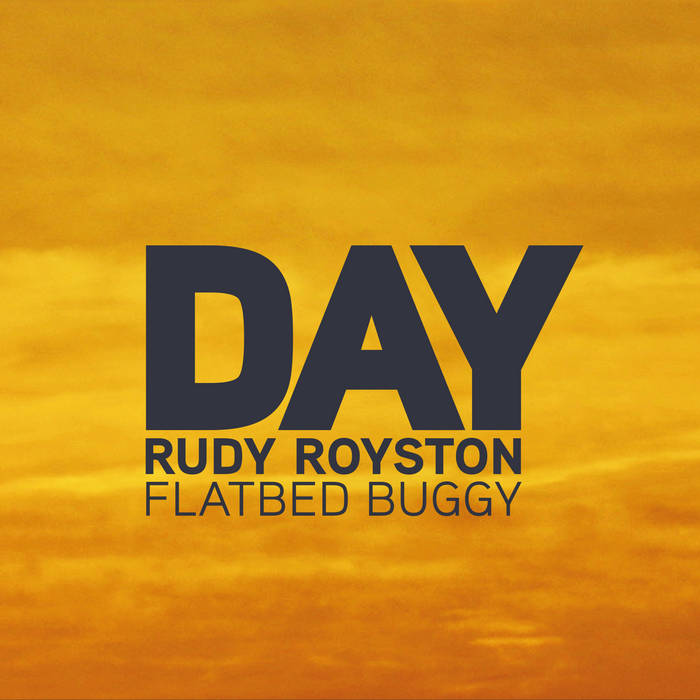
Rudy Royston Flatbed Buggy – "Day" (Greeenleaf Music) – The second gem to be recorded by drummer/ composer Royston and his simpatico ensemble composed of John Ellis (bass clarinet and clarinet), Hank Roberts (cello), Gary Versace (accordion), and Joe Martin (bass), the 10-song album is more of an "interior" album than the Quintet's 2018 debut. While still inspired by his childhood in Texas, the new album is built upon compositions that the drummer created during the pandemic with these musicians in mind. Whi]lew the music is quite impressive, the sound of this ensemble really stands out. Each instrument is distinct in the mix, each musician contributes to the success of the music, and it's a true joy to listen to these people play!
Tyshawn Sorey Trio – "Continuing" (Pi Recordings) – Jazz piano trio fans, take notice –– here's an ensemble that has much to offer. Drummer and conceptualist Sorey plays in so many types of settings that one might consider his albums with pianist Aaron Diehl and bassist Matt Brewer as a move back toward the mainstream. Who cares? This is a fascinating program; four long performances of pieces by Ahmad Jamal, Harold Mabern, Wayne Shorter, and the classic standard "Angel Eyes" by Matt Dennis, each one with standout performances. Diehl shines throughout (gives this person a MacArthur Genius Grant so he can realize his full potential –– it certainly worked for Sorey) while Brewer and drummer are solid without being intrusive. In fact, Sorey gives his bandmates plenty of solo space, rarely stepping out but always keeping the music moving forward. The Mabern piece, "In What Direction Are You Headed", seriously kicks and is an excellent tribute to one of Sorey's mentors.
Critics and reviewers were quite surprised and, ultimately, very pleased last July when drummer, composer, and conceptualist Tyshawn Sorey issued "Mesmerism" (Yeros7 Music––now reissued on Pi Recordings)), a piano trio album of four "standards" plus one piece each by Muhal Richard Abrams and Paul Motian. Sorey had wanted to include pianist Aaron Diehl (Cecile McLorin Salvant) in a project plus long-time friend and collaborator, bassist Matt Brewer (SF Jazz Collective, Ambrose Akinmusire); this project was the exact right. Later in 2022, Pi Recordings released "The Off Off Broadway Guide to Synergism", also a Trio album but with Russell Hall on bass and guest Greg Osby on alto saxophone. That triple (!) album is a must-listen.
Back to the Trio format on the new Pi Recordings album, "Continuing". Bassist Brewer has returned so one should consider this to be the official follow-up to "Mesmerism". The program consists of four tunes, one each by Wayne Shorter, Ahmad Jamal, and Harold Mabern (who had been a mentor to Sorey) plus the 1946 Matt Dennis/ Earl Brent classic "Angel Eyes". The overall program reminds this listener of a smoky nightclub gig, the early morning third set, as the music is steeped in the blues and the musicians let the songs move at a leisurely pace (save for the closing cut). Listen below to Mr. Shorter's "Reincarnation Blues" which he wrote for and recorded with Art Blakey & the Jazz Messengers in 1961. Sorey, Brewer, and Diehl create a slower take than the original. The piano solos are mighty impressive especially the dazzling second one (starting around 7:30 into the 10:25 cut). Brewer's solo, earlier in the piece, rolls atop the drums displaying a handsome melodic side.
Photo: John Rogers
Diehl captures the spirit of the composer on Mr. Jamal's "Seleritus" (first recorded and released in 1959)––the longest track on the album (15:43), the interactions of the piano and bass are what first stands out. The more you listen, the bounce in the rhythms Sorey plays stand out more. What also is intriguing is that the piece never really resolves; instead, the music fades out with Diehl's percussive block chords. "Angel Eyes" follows, proceeding gently over Brewer's chordal tones and Diehl's deliberate reading of the melody. Sorey enters at the 3:09 mark of the 13+-minute track, playing as quietly and gently as he can (his brushes whisper on the cymbals). Brewer's bass solo is a gem from start to finish as is Diehl's. The airiness is this performance is dramatic but not forced.
"Continuing" goes out with a bang as the Trio gets funky on Harold Mabern's "In What Direction Are You Headed". Originally recorded by Lee Morgan in 1971 for what turned to be "The Last Session". By the middle of the song, one feels as if we are in midst of a church service as Brewer locks into a nine-note riff while Sorey "stomps" out the beat. They continue in their groove even as Diehl joins in on low and high notes. The pianist does reintroduce the theme right before the album makes its rousing exit.
Pour yourself a libation, turn the lights down low, and listen as if the musicians were in your living room. All in all, this Tyshawn Sorey Trio is a real knockout!!
Jazz artists, since the beginning of its move into the public eyes and ears, like to perform the popular music of the day. Each generation of musicians looks to "pop music" to attract an audience and as a way to get those people to also listen to their original music. This is a concept that works well in the piano trio format. For its 2017 debut, the Hazelrigg Brothers, pianist George and bassist Geoff, whose main gig is designing, development, and manufacturing of high-end recording equipment, recorded "Songs We Like", a nine-song album of tunes they grew up listening to including the Police's "Spirits In the Material World". It should not come as a surprise that for their second Trio album (John O'Reilly, Jr is the drummer) that they would opt to record the entirety of the Police's 1983 "Synchronicity", that trio's fifth and final album. That recording spawned several Top 10 hits including "King of Pain", "Wrapped Around Your Finger", and "Every Breath You Take".
On "Synchronocity" An Interpretation of the Album by The Police" (Outer Marker Records), the Brothers play all the songs (even the cassette-only––those were the days––"bonus track") in the order they appear on the original Police Lp. Because the majority of the original songs have such strong melodies (at least, the ones composed by bassist/ vocalist Sting do), the Trio do not try re-invent the (musical) wheel. Therefore, the excitement of the opening title track is evident here as well thanks to the powerful rhythms they create. Geoff's bass is the lead instrument on the "Walking In Your Footsteps" and "Every Breath You Take"––the piano solo on the former tune has a tinge of the late Vince Guaraldi's sound while the latter builds dramatically from the opening until the bass reclaims the theme in the middle.
The bassist also leads the trio into "King of Pain" which, to these ears, is the highlight of the album. How the trio shares the melodic and rhythmic phrases and sections as well as the excellent dramatic movement of the melody stand out. That's followed by the excellent take of "Wrapped Around Your Finger"––again, it's the subtle rhythmic moves of the bass and drums that draws the listener into the emotional richness and poetry of the piano parts.
Some may argue that the Hazelrigg Brothers trio don't take many chances on their reinterpretation of The Police "Synchronicity" but, to their credit, they make Andy Summer's song "Mother" much more interesting replacing its manic vocal lines and by emphasizing the Kurt Weill aspects in the instrumental. Overall, if you grew up with this music, you should enjoy this album. If you are new to the material, enjoy the songs with the finely-etched melody lines and the excellent musicianship that abounds on this heartfelt tribute.
It's that time of year when critics and reviewers create their "Best-of" lists. I am no different but I look at this group of recordings as music that informs, changes, and enhances my life and teaching. Here is the group of albums from the past year that helped me through illnesses, sadness, joy, and much change.
Miguel Zenón - "Musica De las Américas" (Miel Music) – It's no secret how much I admire the music and work of Miguel Zenón. With his long-time ensemble, composed of Luis Perdomo (piano), drummer Henry Cole, and Hans Glawischnig (bass and truly the "glue" of the band). This new album celebrates the music of Central and South America as well as the Caribbean, showing how various elements have entered into the music of the United States (and beyond). Along with the latest album by rapper Bad Bunny ("Un Verano Sin Ti"), whose music celebrates the rhythms that inspire reggaeton, the album has deep grooves, evocative melodies, and the inventive musicianship one has come to expect from Señor Zenón and company. Percussionists Paoli Mejías, Victor Emmanueli, Daniel Díaz, and the five member Los Pleneros de La Cresta each appear on one track during the eight-song program.
Enjoy the fiery "Opresión y Revolución":
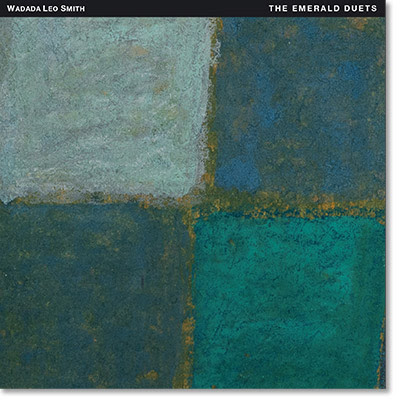
Wadada Leo Smith w/ Pheroan akLaff, Andrew Cyrille, Han Bennink, and Jack DeJohnette - "The Emerald Duets" (TUM Records) – Trumpeter, composer, conceptualist, historian, and philosopher Wadada Leo Smith celebrated his 80th birthday on December 18, 2021 (meaning he just turned 81 yesterday, as I write this). The Finnish-label TUM Records celebrated that momentous occasion by issuing two multi-disc box sets by Mr. Smith, the seven-CD "String Quartets: Nos. 1-12" and the five-CD "The Emerald Duets". Both are amazing but I expect it will take many more months to truly take in the scope of the string music. Whereas five albums with drummers captured me immediately. All the sessions stand out (this is the first time Mr. Smith played with Mr. Bennink) but the two CDs feature Mr. DeJohnette, a long-time musical compatriot. The drummer plays piano as well as percussion; it's not hard to fall under the spell of this music.
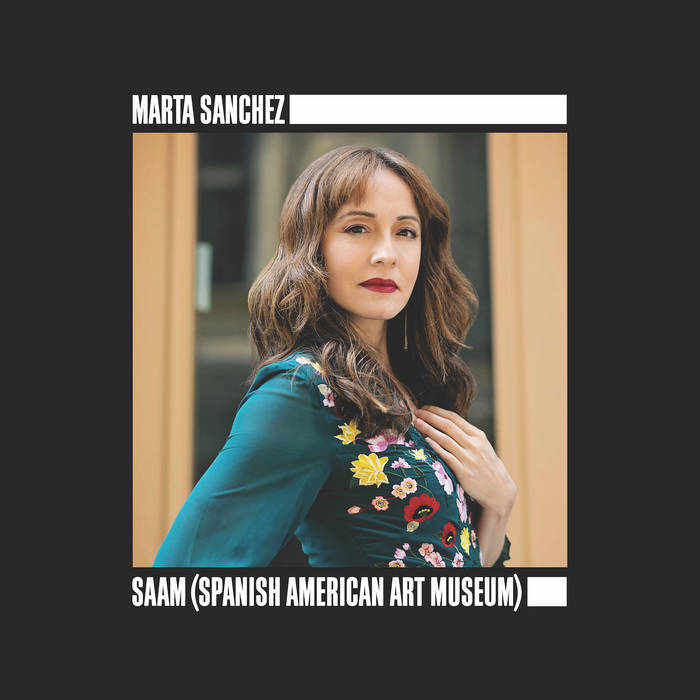
Marta Sanchez - "SAAM (Spanish American Art Museum") (Whirlwind Recordings) – Pianist and composer Sanchez had a tumultuous time during the Pandemic as her mother passed early on. She found time to write new music for her group – saxophonists Roman Filiu and Alex LoRe, bassist Rashaan Carter, and drummer Allen Mednard – and it's her most mature and realized program. The music sings throughout the album plus there are fine solos from all involved. Subtle, emotional, and intelligent, "SAAM" draws from myriad influences, is never imitative, and draws in the listener on the strength of the melodies. One track, "Marivi", features Ms Sanchez, Mr. Carter, and Mr. Mednard with Camilla Meza (vocal, guitar), Ambrose Akinmusire (trumpet), and Charlotte Greve (synths).
Listen to "Dear Worthiness":
Tyshawn Sorey Trio + 1 (with Greg Osby) - "The Off-Off Broadway Guide to Synergism" (Pi Recordings) - Another impressive year for drummer, composer, and educator Sorey, filled with debuts, impressive gigs, and two great albums. This live three-album set of standards, jazz classics, and more, is a splendid exploration of melody, improvisation, and interplay featuring Mr. Sorey with the impressive pianist Aaron Diehl, bassist Dana Hall, and the very welcome alto saxophonist Greg Osby. Three long sets (75 + minutes) yet the music never gets dull or stale because the musicians are free of any expectations other than play the melody, improvise, and follow your creative flow. The week before I wrote about the album, I listened to, at least, one set a day, especially on my daily walk. The addition of Mr. Osby, whose musicianship is impressive throughout, is such a delight!
Hear "Solar":
Noam Lemish – "12" (TPR Records) – This album, from the pianist, composer, and educator Noam Lemish, was one of the more impressive releases of the last six weeks. The Israeli-born, American-educated, and Canadian resident, had recorded several albums with oudist Amos Hoffman, duets with percussionist (and one of his teachers) George Marsh, plus several solo piano explorations. Here, he leads a 12-piece ensemble comprised of many fine Canadian musicians, supplying them with fine, often episodic, pieces with impressive arrangements. There's humor, pathos, wit, and emotion throughout the album (one of the initial releases on Three Pines Records, a new Canadian label led by Amy and Ernesto Cervini). This album gets better each time I listen––give it a whirl!
Here's the delightful "Beethoven's 7th Visit to Romania":
PUBLIQuartet – "What Is American" (Bright Shiny Things) – I don't write about classical music very much but this album (plus the Johnny Gandelsman album in Part 2) truly caught my attention. The PUBLIQs––violinists Curtis Stewart and Janina Norpoth, violist Nick Revel, and cellist Hamilton Berry––often blend European and American classical music but also have a expressive modernist bent. One of the group's ongoing projects, dubbed "Mind| The| Gap|", features arrangements of music by Nina Simone, Ornette Coleman, Tina Turner, Ida Cox, Alice Coltrane, and others into stew that really alters the way you listen to a string quartet. This album features music by Antonin Dvorák, Vijay Iyer, Roscoe Mitchell, Rhiannon Giddens, and others––it certainly does make you think about "what is American"!
Give a listen to "Improvisations on "Law Years" and "Street Woman" (composed by Ornette Coleman):
Trish Clowes – "A View With a Room" (Greenleaf Music) – Composer and saxophonist (tenor and soprano) Trish Clowes signed with Dave Douglas's Greenleaf Music this year and gifted listeners with "A View With a Room". Featuring her long-time band My Iris––guitarist Chris Montague, pianist and organist Ross Stanley, and drummer James Maddren––the music may, at times, remind you a bit of the quieter music of Jimmy Guiffre but, to this listener, Ms. Clowes has really created her own sound. The band interaction is impressive and the music makes you want to return to the album often. They have not toured the US yet––if they do, I would recommend you spend a night in their company.
Here's the delightful "Amber":
Somi – Zenzile: The Reimagination of Miriam Makeba (Salon Africana) – The vocalist and composer Somi has truly blossomed into a world-class artist, celebrating the sound of the African continent even as she updates it. Here, she pays tribute to the great Miriam Makeba (1932-2008), creating one of the most uplifting programs you will ever hear. In fact, Somi also created a play, "Dreaming Zenzile", around Ms. Makeba that debuted off-Broadway earlier in 2022. The album sounds so good, with such delicious rhythms, attractive vocals, and an impressive guest list including Ladysmith Black Mambazo, Angelique Kidjo, amd Gregory Porter (listen below) plus others. World music at its best–give a listen.
Here's the sensuous "Strawberries" featuring Gregory Porter:
Kate Wyatt – "Artifact" (Self-released) – The Montreal, Canada-based pianist Kate Wyatt, a native of British Columbia, has been active on the creative music in her native country for over two decades. "Artifact" is her debut recording as a leader and well worth the wait. Featuring drummer Jim Doxas, bassist Adrian Vedady (her husband), and trumpeter Lex French (on the Music Faculty of McGill University) the quartet explores this music with vigor, sensitivity, and emotional depth. Ms. Wyatt is a fine player but always makes sure you hear the other members of the group. One can hear a nod in the direction of the Kenny Wheeler, as much in the "open" sound and wit in the composition as well as in Dr. French's trumpet work. Impressive debut and one hopes there's more coming soon.
Listen to the lovely "A Flower Is a Lovesome Thing":
Sachal Vasandani with Romain Collin – "Still Life" (Edition Records) - This is the second collaboration for the vocalist with pianist Collin––like its 2021 predecessor "Midnight Shelter" (also on Edition Records), these performances are intimate, often spare, quiet, yet with an emotional intensity that draws in the listener from the beginning and does not let go until the last note fades. In fact, each time I listened, I played the album all the way through. When I spoke to the duo this past summer, they said that Mr. Vasandani stood right next to the piano during the recording session––the intimacy of the recording process translate to the music. Such a smart selection of tunes, from folk music to jazz standards to "pop" tunes to originals. Late night or early morning, this music is a comforting friend..
Listen to the emotional and heartbreaking "(I) Can't Make You Love Me":
Since the beginning of November, Connecticut has been blessed with a delightful week of Indian Summer (soon to depart in favor of the chill of late Autumn). The balmy temps (68-77) have allowed this writer to walk every day and to listen to music as I dodge the remaining leaves. The two albums have been in rotation each day!
Earlier this year, drummer and composer Tyshawn Sorey issued a trio album––"Mesmerism" featured bassist Matt Brewer and the splendid young pianist Aaron Diehl on an exciting and thoughtful exploration of "standards". In early March of this year, Sorey brought Diehl, bassist Russell Hall (Joey Alexander), and special guest Greg Osby (alto saxophone) to New York City's The Jazz Gallery for a five-night engagement. The band did not rehearse and, pretty much, chose the music on the bandstand. And, they recorded every set!
The results can be heard on "The Off-Off Broadway Guide to Synergism", a fantastic three-CD package from Pi Recordings. The 19-tracks are split up into three sets, each album approximately 75 minutes long. Five of the tracks are repeated in subsequent sets (Mr. Osby's "Please Stand By", Ornette Coleman's "Mob Job", Thelonious Monk's "Ask Me Now", Johnny Green's "Out of Nowhere", and "Three Little Words" composed in 1930 by Harry Ruby and lyricist Bert Kalmar). It's truly a delight to hear where these four players go with the music. The "Set 1" take of "Three Little Words" starts with a long, impressionistic, piano solo, so slow and gentle that it takes a moment before you the drums and bass have entered. Mr. Osby plays with the melody as if rolling a fine wine across his palette. Slowly and steadily, the alto solo builds with the insistence of the rhythm section. The leader, who does not solo on the set, engages in conversations with the other musicians. Diehl paints a fascinating solo first with the introspection he showed at the onset of the track and it becomes great fun to hear where he takes the piece goosed forward by Sorey and shadowed by Hall whose solo later in the track is quite playful and percussive.
If you love improvisatory music, there is not a dull moment in this music. There's the beauty of Andrew Hill's "Ashes" (which Mr. Osby first recorded in 2000 on his "The Invisible Hand" album that featured the composer plus guitarist Jim Hall) as well as the saxophonist's unaccompanied introduction to Billy Strayhorn's "Chelsea Bridge"––listen below and notice the playful background work of bassist Hall and the beautiful work of Diehl. The pianist, at times, reminds this listener of Jaki Byard as well as Mr. Hill. The Trio + 1 swings mightily on both versions of "Mob Job" with the bass and drums leading the way. The second take of "Out of Nowhere" (originally recorded by Bing Crosby in 1931) opens with an expansive solo piano meditation before Mr. Osby enters with over the rippling piano, whispering cymbals, and bass counterpoint. At the five-minute mark, the band kicks into a higher gear (but not out of control) with the alto and piano in conversation while the rhythm section dances about in support.
Photo: Jonathan Chimene
Every time one digs into the music of "The Off-Off Broadway Guide to Synergism", he or she can get carried away at the inventiveness of Tyshawn Sorey, Aaron Diehl, Russell Hall, and Greg Osby. The playfulness of the musicians on tracks such as "Jitterbug Waltz" (the track where one hears the inspiration of Jaki Byard in Diehl's piano solo) and the rip-roaring "Solar" is infectious and you can only imagine what is what being in the audience (unless you were). There are moments in each set where this quartet has the energy of the classic John Coltrane Quartet of the early-to-mid 1960s, the group with McCoy Tyner, Jimmy Garrison, and Elvin Jones. It's truly a delight to hear Greg Osby play with such imagination, power, and so melodically. Treat yourself to this great album!
Here's the Trio + Mr. Osby on Billy Strayhorn's "Chelsea Bridge":
Clarinetist Anat Cohen first assembled the three musicians who would join her to form Quartetinho (pronounced "quar-te-Chin-yo and meaning "little quartet") before the pandemic stopped the world in its tracks. James Shipp (vibraphone, glockenspiel, analog synth, percussion), Vitor Gonçalves (piano, accordion, Fender Rhodes), and Tal Mashiach (acoustic bass, guitar) join Ms. Cohen (who also plays bass clarinet) for their self-titled debut album (Anzic Records). If you have followed the clarinetist's career, you know that she has had a long love affair with Brazilian music, recording with guitarist Marcello Gonçalves as well as Trio Brasileiro and the Choro Ensemble.
For its debut album, the "little quartet" treats the audience to an 11-song program that includes original pieces from the leader, Shipp, and Mashiach plus two pieces by Egberto Gismonti and one each from Antonio Carlos Jobim, the contemporary Brazilian composer Maria Do Carmo Barbosa De Melo (the lively "Boa Tarde Povo"), and Antonin Dvorāk's "Going Home". The smashing arrangement of the last tune listed features accordion, vibes, bowed bass, and bass clarinet––it's a beautiful arrangement which during Ms. Cohen's solo takes a turn towards the blues. Shipp's solo also takes the "blues route" with his sweetly expressed lines over the supportive bass and accordion swells. Mashiach's "The Old Guitar" is a lovely ballad that leaves solo space for the leader as well as Gonçalves' sweet accordion sounds. The album opener, Shipp's "Baroquen Spirit", starts slowly with just clarinet, vibes, and a synth drone––the melody blends an Americana feel with a touch of classical music.
Photo: Shervin Lainez
That first track leads directly into Egberto Gismonti's lyrical "Palhaço"––there are moments during Ms. Cohen's solo that, thanks to the bass line, piano chords, and the dancing vibes, the music resembles a Joni Mitchell song. Also check the splendid piano solo (with Mashiach's supportive bass) that leads to the close of the piece. The other Gismonti piece, "Frevo", jumps atop the rippling clarinet and piano melody before the clarinetist takes a sly solo over Shipp's delightful percussion and the throbbing bass notes. The piano solo is also a treat.
Ms. Cohen contributes three originals to the program. "Birdie" is a melancholy melody played over a medium tempo with the Fender Rhodes offering shimmering chords (see the video below). Next up is "Canon" which starts with a richly melodic bass solo (there's a touch of flamenco in Mashiach's playing). The bassist then articulates the handsome melody supported by Shipp's vibes. Ms. Cohen joins on bass clarinet while Gonçalves joins on piano. "Louisiana" pops right along on the thick bass notes, the dancing piano chords, and the "jump-blues" in the vibes solo. Everybody solos but at 3:30, the music hardly overstays its welcome.
The album closes on Mashiach's "Vivi and Zaco" which he introduces on 7-string guitar. The accordion and vibes enters when the guitarist expands on the heartfelt melody. The piece has a lovely flow that often speeds up and slows down at the end of the verse. Before the piece ends, everyone has shared the melody line. It's a sweet close to an elegant group of songs.
"Quartetinho" is yet another jewel in the crown Anat Cohen is creating with her music. Her heart is so enmeshed in her music and her love for playing shines through every performance. With this quartet, culled from her Tentet, she has given listeners yet another reason to listen deeply.
As these words appear on the page, it's five weeks since Mario Pavone passed (May 15, 2021) after a multi-year, multi-episode, fight with cancer. Bassist, composer, and educator (he was closely involved with the Litchfield Jazz Camp), he had a long career working alongside creative artists, most notably Bill Dixon, Anthony Braxton, Paul Bley, and Thomas Chapin. After Chapin's death in 1998, Mr. Pavone became a leader – he had already begun recording his own music back in 1979 on labels such as Alacra, New World/Crosscurrents, and Knitting Factory. From 2002-2017, the bassist recorded 13 albums (as a leader or co-leader for his good friend Michael Musillami's Playscape Recordings; he also did the artwork for many of the label's releases. When queried about his writing, he told me his pieces were "composed from the bass upwards" and, when you listen closely, you hear how the rhythm section always participates in the melody. His music is propulsive, even fierce at times but always with a melodic center.
Last time we spoke in person (three years ago at Firehouse 12 in New Haven, CT –– he was a concert attendee not a player), he was thrilled about his latest Trio. He loved writing for and playing alongside pianist Matt Mitchell and drummer Tyshawn Sorey. He felt that they brought the ferocity and emotional balance that his new compositions called for. They first recorded as a unit on 2015's "Blue Dialect" (Clean Feed Records) and followed that with 2019's "Philosophy" (Clean Feed).
2020 was a very tough year for the bassist. His cancer had returned plus his 23-year old granddaughter Isabella died. Mr. Pavone poured himself into his music writing enough material for two albums, two groups. In late February, he went into the studio with his son Michael (guitar), Mike DiRubbo (alto saxophone), and Michael Sarin (drummer who was the third member of the Thomas Chapin Trio) and recorded an album for Clean Feed ("Isabella", to be released later this month). Four weeks after that session (3/25-26/21), he went into the studio with Mitchell, Sorey, and trumpeter/ arranger Dave Ballou (who served as arranger for "Isabella" as well) and recorded "Blue Vertical" (Out of Your Heads Records). Credited to the Dialect Trio + 1, the nine-song program sounds full of life, jammed with melodies, rhythmic twists-and-turns, powerful solos, and Mr. Pavone's trademark propulsive. forward motion. He never looked back, making the music for the time and the future.
Photo: Maurice D. Robertson
The addition of Ballou's excellent trumpet work to the Trio fired the composer's imagination. Pieces such as the opener "Twardzik" and "Good Treble" show his versatility and wit; the former features a delightful solo, with notes tumbling out of the horn and onto the rumbling rhythm section while the latter dances ahead on a Latin-tinged rhythm, the muted trumpet locking in with the piano for the melody. Ballou's solo over the jagged rhythm exudes swagger and a New Orleans-like frisson opening the door for Mitchell's rippling lines over Sorey's mighty drums. "Isabella" shows the bassist at his best, his counterpoint to the melody setting the tenor for the solos. The pianist's impressionistic lines connect with the bass lines, creating a duet that is ethereal. Ballou's muted trumpet joins that conversation, his long tones supported by the whispering cymbals. Sorey's whip-snapping drums at the onset of "Legacy Stories" set the pace for an exciting performance (note how the bass and drums fall into a "swing" rhythm right before the piano solo).
Photo: Victoria Lindsey
The album closes with "Face Music", the composer's percussive plucked notes and the tolling piano chords wrapping around the somber trumpet melody. The music moves slowly, tentatively but with purpose until Sorey's rapid-fire high-hat dance pushes the trumpet solo higher and, eventually, the piano and bass join the mix. The piece closes on Mitchell's abrupt note with the expectation that there was more to be said.
Mario Pavone lives on in his music and the fact that people will continue to explore his oeuvre, perhaps even recording pieces from his repertoire, gives this writer great hope. If you are not familiar with his music, know that from his earliest recordings as a leader to "Blue Vertical", Mario Pavone led from the heart.
At first, listeners may be put off by the sounds of "Facets" (Pi Recordings), the new album from the fertile imagination of tenor saxophonist and composer Hafez Modirzadeh. Those of us who live in the United States, Canada, Great Britain, basically north of the Equator, are used to the 12-tone scale whereas elsewhere in the world, you will hear alternative scales, microtones, and more. Often, those sounds puzzle us, sound dissonant (they are, to our ears), and just plain wrong. Yet, stay with what Modirzadeh is doing, listen all the way through, and then go back again.
Chances are good your curiosity will lead you to consult the liner notes by the time you reach the second or third piece. For the 18 songs on "Facets", Modirzadeh has retuned eight specific pitches on the piano. Those changes alter the resonances of the piano but allows the composer and performers (pianists Craig Taborn, Kris Davis, and Tyshawn Sorey play on six tracks each) to create music that grabs our attention and never lets go. There are two songs from Thelonious Monk ("Pannonica" and "Ask Me Now" - listen above) and "Facet 34 Defracted" deconstructs both songs in one piece. "Facet 32 Pearl" is based on "Variation No. 25" from J.S. Bach's"Goldberg Variations". Both Taborn and Sorey play an improvisation and both tracks fit into the scope of Modirzadeh's visions.
Do take the time to bathe in these sounds. Pieces such as "Facet 31 Wake" (Ms. Davis playing solo) is emotionally as it mesmerizing while "Flow Facet" (Ms. Davis solo again) feels like hypnotic Southeast Asian marimba, Chinese folk music, and a touch of boogie-woogie in the left hand. The keening tenor sax creates creates a wordless prayer with the piano (Ms. Davis) on "Facet 28 Nora" while the following track,"Facet 29 Night" is a duo for tenor sax and Sorey's sparse piano chords. The latter track also has a dream-like quality, creating a slow-moving set of mental pictures. Taborn and Modirzadeh create a stop-and-start feel from the outset of "Facet 35 Ode B'kongofon" –– after a moment, the fluttering tenor sax solo flows over the stumbling rhythm. Quiet piano chords (Taborn) usher in the saxophonist on "Facet 39 Mato Paha", a slow-moving tribute to a geological formation in South Dakota (the mountain's name comes from the Lakota tribe and translates to "Bear Butte"). Neither musician hurries, both the trance-like melody to resonate, to sink in.
The music on "Facets" is slow, at times meditative and trance-like, yet the deliberate tempi allow you time to digest and get accustomed to the sounds. Hafez Modirzadeh had previously used retunings on his 2112 Pi album "Post-Chromodal Out!", tying it closer to the Persian melodies of his ancestors than he does here by employing different instrumentation. Both albums are fascinating and both are unique!
Speaking of creating one's own language, saxophonist, trumpeter, composer, and conceptualist Ornette Coleman (1930-2015) hit the ground running in the late 1950s and did not stop once in his long career. Not only did the Texas-born Coleman change saxophone language but also how different rhythms can be utilized in acoustic and electric music. Saxophonist and composer Miguel Zenón was first introduced to Coleman's music as a teenage student in his native Puerto Rico. Later, as a member of the SF Jazz Collective, the ensemble created its inaugural program and tour (in 2004!) around the music of Coleman (arranged by Gil Goldstein). Yet, Zenón remains curious about the music and how it relates to the music he creates as well as the sound of his saxophone.
In May of 2019, Zenón assembled a quartet of musicians that he knew but who had never recorded together for a Coleman 91st Birthday Celebration in Basel, Switzerland. Joining the alto saxophonist was tenor saxophonist Ariel Bringuez (Cuba), bassist Demian Cabaud (Argentina), and Jordi Rossy (Catalan). Without much rehearsal, the band took the stage and the results can be heard of "Law Years: The Music of Ornette Coleman" (Miel Music). Instead of picking really familiar tunes, such as the oft-recorded "Lonely Woman" and "Una Muy Bonita", the quartet explores "Giggin'" (from 1959's "Tomorrow Is The Question", Coleman's second Lp), "Dee Dee" (from 1966's "At The Golden Circle Stockholm"), "Free" (from 1960's "Change of the Century"), "Street Woman" and the title track (from 1972's "Science Fiction"), "Tribes of New York" (from a 2016 release of unissued tracks from the 1960s Atlantic sessions), and "Toy Dance" (from 1968's "New York Is Now").
Photo: Chris Sweda 2016
The quartet have a ball with this music, getting in to the joy of playing Coleman's playful melodies while creating solos that rise out of the pieces organically. Check out "Free" –– I've not heard Bringuez before but he brings the fire as he and Zenón literally fly over the frantic rhythm section. "Giggin'" blends the joy of bebop with the blues; Zenón sounds like he's having a blast as he dances his way through a four-minute solo. Bringuez, who has worked with pianist Chuco Valdes and guitarist Hugo Fernandez, also solos with abandon. The title track opens with a short but powerful bass solo before the quartet lays down the melody. Their approach is reminiscent to that of the Atlantic Records Coleman Lps of the early 1960s. Cabaud, who has worked with the Lee Konitz-Ohad Talmor Big Band and vocalist Sara Serpa (among others) gets a longer spotlight right after the initial verse. Both the alto and tenor solos have tinges of flamenco music as well as moments of "free blowing".
Photo: Nuccio DiNuzzo 2015
The only ballad on the album, "Broken Shadows", shines from the opening moment. The interaction of the saxophonists (Zenón's keening tone and Bringuez's deep "blue" notes), the splendid bowed bass, and Rossy's intelligent cymbal coloring, all blend into a splendid performance.
"Law Years" closes with the medley of "Toy Dance/ Street Woman". The opening chorus and the subsequent solos swing with delight. After a short drum break, the saxophonists return to the opening melody go right into "Street Woman". This song has a darker feel and the rhythms more forceful. Bringuez's solo has a great sense of urgency and provides the power for Rossy's thumping drum solo. The waves of energy that come at you from the speakers as the pieces powers to is close makes you at to go right back to the beginning. Even as the various vaccines bring relief to millions of people all around the world, it might be number of years before musicians get to have a gig as loose and freewheeling as Miguel Zenón did on this May night in 2019. Pour a drink, turn down the lights, turn up the volume, and enjoy!
Bassist and composer Mario Pavone returns to Firehouse 12, 45 Crown Street in New Haven, this Friday (5/21) with his Dialect Trio. Pianist Matt Mitchell and drummer Tyshawn Sorey join the CT native for an evening of sonic explorations, edgy melodies, compelling solos, and absorbing interactions. I have always maintained that Pavone writes from the bass outward and love how his thick lines propel the melody as well as what his associates do with his compositional approach.
The Trio's second CD, "Chrome" (Playscape Recordings) , was issued in the Autumn of 2017 and is, arguably, one of Pavone's most exciting recordings. This is a group that knows how to push each other, they listen, respond to, and inspire each other plus create excellent solos. Engineer Nick Lloyd (of Firehouse 12 Studios) does an amazing capturing the sound of Pavone's bass so you can not only hear his solos but also how he interacts with Mitchell and Sorey. There's a great sense of rhythm as well as "freedom" in this music. The compositions save one are Pavone originals and the one is a group improvisation inspired by and named for pianist Paul Bley who passed six months prior to the recording.
This should be quite a musical experience and is the last date on a short CD release tour. For ticket information, go to firehouse12.org or call 203-785-0468.
Here's the Trio from 4 years ago right before recording their first album together:
I love getting emails from Brian Charette - he's such a busy guy, making so many different kinds of music with so many people. His latest missive included the poster above and links to the CD that the CT-born organist recorded with tenor saxophone master George Coleman. Mr. Coleman, a Memphis, Tennessee, native turned 83 in March and is in the midst of a career that stretches over six decades. He has recorded with B.B. King, Lee Morgan, Max Roach, Slide Hampton, Miles Davis, Herbie Hancock, Elvin Jones, so many others. Steeplechase Records owner and producer Nils Winthers captured Mr. Coleman in the studio last December with Charette, guitarist Vic Juris, and drummer George Coleman Jr. The results of their day together can be heard on "Groovin' With Big G" and, if you read the poster closely, the quartet celebrates the new CD with a date at the Blue Note, 131 West 3rd Street in New York City this coming Monday night. They'll play two sets - 8 and 10:30 p.m. - for more information, go to www.bluenote.net/newyork/index.shtml or call 212-475-8892.
Mr. Coleman and Mr. Charette also play in a trio setting on Saturday May 26 at 7 p.m. in The Jazz Loft, 275 Christian Avenue in Stony Brook, NY. To find out more and make reservations, go to www.thejazzloft.org or call 631-751-1895.
Give a listen to the Quartet live in the WBGO-FM studios:
Much has been written about composer and multi-instrumentalist Tyshawn Sorey over the past year and for good reason. He is a musical polyglot, seemingly without borders (other than time and his music often challenges our perception of time), and he can drive a band from his position behind the drums in the manner of Max Roach, QuestLove, and Eric Harland. When he was studying for his Masters Degree at Wesleyan University, Sorey also was a member of the University's Klezmer ensemble, playing keyboards and mighty impressive gut-bucket trombone. He used his time at the school to study with Anthony Braxton, Alvin Lucier, and Ron Kuivila as well as play with various ensembles. Earlier this year, he earned his DMA in composition from Columbia University and, at the end of this month (8/17), becomes the John Spencer Camp Professor of Music at Wesleyan.
And, he has a new recording. "Verisimilitude" is his sixth album as a leader and fourth for Pi Recordings. The program features his longtime "working trio" of Corey Smythe (piano, toy piano, electronics) and Chris Tordini (bass) playing its way through five Sorey originals, only one of which is under 10 minutes. These pieces cha;lunge the listener to hear a trio in different aspects, to understand that the role of each musician is not to impress with technique or speed but to advance the narrative of the music. The impressionistic quality of the music and the overwhelming softness can lull the listener. Yet, there are moments of power, both melodic and percussive, as if great gust of wind came through the window.
photo by John Rogers
I am not going to give you an account of each track; instead, you should approach this music with open ears. Be prepared to play the 69-minute program several times all the way through. This is not background music to be played with guests in the house or while eating dinner. It is music to ponder, to explore, to note how the "traditional" trio approach seems to be eschewed in favor of a group dynamic. Pay close attention to the work of bassist Tordini. He often drops out but is so important to the sound of these pieces. He can be percussive, melodic, supportive, foundational, and minimalist yet is a necessary element of the songs.
The elegiac quality of "Flowers for Prashant", a musical tribute to the late filmmaker Prashant Bhargava, is a wonderful place to enter the music yet, since the songs all flow into one another, you should start at the beginning. Have patience with this music - so many of us listen to music to be constantly stimulated, go from high to high, but "Verisimilitude" asks you to slow down, to appreciate every sound, to engage the silence between notes, to stop judging and just listen. This music is not for everyone and for every minute of the day. It is contemplative and powerful. Be open and you'll be rewarded and more so, refreshed.
To find out more, go to pirecordings.com/artist/Tyshawn_Sorey. Here's a link to a recent NYTimes article by Giovanni Russonello that will give you even more historical perspective - click here.
Here's a track to explore:
In January of 2015, I was quite impressed by saxophonist and composer Paul Jones's debut album, "Short History" (read review here). I especially was impressed by his compositional and arranging skills. All that and more is on display on his sophomore effort, "Clean" (Inside Out Music). With the exception of pianist Glenn Zaleski, he employs the same sextet (alto saxophonist Alex LoRe, guitarist Matt Davis, bassist Johannes Felscher, and drummer Jimmy Macbride) but also adds the SNAP Saxophone Quartet (Nicholas Biello, Andrew Gould, Sam Dillon, and Jay Rattan), the Righteous Girls (flutist Gina Izzo and pianist Erika Dohi) plus Mark Dover (clarinet), Ellen Hindson (oboe), Nanci Belmont (bassoon), and Susan Mandel (cello) on numerous tracks.
Looks pretty crowded but surprisingly there is little or no clutter on the 14-song programs. There are five tracks that are built from "Romulo's Raga", a Jones composition dedicated to Romulo Herrera, the longtime chef at the Cornelia Street Cafe in New York City who was murdered in his home in January of 2016. Jones was away at the time and shocked by the brutal killing, creating an homage that called for a wind octet plus piano. The "...Raga", while barely over a minute, has an intensity that illuminates the piece. The other four short compositions, titled "Ive Sn Th Fra Md", "It Was Brgh Cold", and "Im Pretty Uch Fkd", serve as segues to the sextet performances yet, though short, each has a power to stand on its own. Save for the final one, which is the closing track; "The Minutiae of Existence" is a miniature delight and brings the program full circle. On my laptop, the music does to not stop but goes back to the beginning , the first track being "Ive Sn Th Fra Md", and it helps to point out not only how all the pieces are interconnected but also
The sextet (and sextet plus) music is also quite fascinating. With four melodic instruments on a front line, it's fun to hear how the composer Jones shares melody and harmony lines. The title track rolls in on short figures from the saxophones with the melody played by guitarist Davis, counterpoint from the piano and then switched over to the tenor. Listen to how Jones plays with the rhythms below the theme before the solos begin over a static rhythm. Macbride drives beneath the solo while the insistent guitar strumming holds the tempo. At 8:46, the songs allows for various sections and solos, making it easy for the listener to fall under its spell.
The jaunty melody of "I Am an American", introduced by bass and piano, creates an easygoing feel. Bassist Felscher gets the first solo, o long and melodic solo, before Jones steps in. Ms. Belmont and Ms. Mandel join the sextet for "Buckley Vs. Vidal", a lengthy conversation (but not a debate) with a bounce to its beat and colors provided by the guest "voices". The guests enliven "Centre In The Woods", a handsome melody played over a tango rhythm. One can visualize dancers whirling around the floor as the saxophone solo rises over the slowly intensifying background.
As artists take control of their music (or are given free rein by labels), listeners are being blessed by a panoply of engaging projects. "Clean" is one of those albums that grows stronger each time you dig into it. You notice interactions, the fine melodies, the smart arrangements both for the sextet and for the wind octet, and solos that have arrives and are not just technical displays. If you dig around online, you'll find alternate versions of some of the pieces on the album. Check those out too. In his liner notes, Paul Jones writes that while working on the material for this album, he was listening to Kendrick Lamar ("To Pimp a Butterfly"), Philip Glass ("Glassworks"), and Steve Reich ("Music for 18 Musicians") as well as the immediacy of contemporary hip hop. Check this out, spend time inside the songs, and you should be pleased. To find more, go to www.paulthejones.com.

 Posts
Posts