Showing posts with label Big Band. Show all posts

Monday, February 1, 2021

Big Band Bud, Bleckmann with Brass


The life story of Earl "Bud" Powell (1924-1966) is not easy to read.  A child prodigy, he was in the forefront of the Bebop movement in the 1940s but a run-in with the police left him battered, bruised, and unconscious. From that time on, at various stages of his musical career, Powell would be institutionalized.  Yet, his musical output rarely suffered.  It was as if a switch would turn on when he sat down to the keyboard.  He could be a dazzling stylist, was an adventurous composer, and, up to the final years of is life, Powell was often a splendid soloist.  Unlike his contemporary Thelonious Monk, his compositions and his recordings have not garnered the same scrutiny, examination, and tributes. Enter Ethan Iverson.  The busy musician, composer, writer, and  performer began a comprehensive study of Powell's ouevre and began writing a piece for quintet and orchestra.  The result is "Bud Powell In the 21st Century" (Sunnyside Records) recorded live on the final days of December 2018 at Umbria Jazz Winter #26.  

The 16-piece ensemble includes Ingrid Jensen (trumpet), Dayna Stephens (tenor saxophone), Ben Street (bass), Lewis Nash (drums), and Iverson (piano, conduction) plus the brass and reed sections of the Umbria Jazz Orchestra. The program includes seven Powell compositions, one by Monk ("52nd Street Theme"), plus eight Iverson originals, several based on motifs that the composer based on Powell's improvisations. The album opens with the two-part title track ––  "Chorale" has a somber theme but when you listen to the reed and brass interjections, it may remind you of the sounds of Powell's "Parisian Thoroughfare" while "Continuity" jumps out on the strength of Iverson's dancing piano lines. That leads to a delightful romp from Stephens as the backing sections call-and-respond. 

The Bud Powell pieces ("Celia", "Tempus Fugit", "Bouncing With Bud", "Wail", "Dance of the Infidels", "I'll Keep Loving You", and "Un Poco Loco") all stand out. "Celia" swings sweetly and the arrangement with the trumpets playing the theme over Nash's splendid drumming is a treat.  The drummer leads off "Tempus Fugit" with a militaristic take before breaking into a powerful rhythm and we're off. The reeds play the theme, the brass answers, and the musicians romp away.  Sparkling solos from Iverson and Ms. Jensen add more sizzle to this sauce.  The bebop jump of "Dance of the Infidels" has the tenor and trumpet play the theme while Street and Nash build a swinging foundation.  "I'll Keep Loving You" opens with a long, lovely, French Horn feature for Giovanni Hoffer who, after the solo intro, leads the ensemble through the lovely melody (pay attention to the short "breaths" of the reeds during the verses).   

The final two tracks, "Nobile Paradiso" and "Un Poco Loco", are the longest pieces on the program (11:08 and 6:21) and both have great power. The former, an Iverson original, takes ideas from Powell and wraps them in a gentle swing rhythm, bouncy piano, and delightful, melodic, counterpoint from the brass and reeds. The latter track, one of Powell's most covered originals, has a forceful rhythm track –– it's a forceful example of the "conduction" method where Iverson cues the different musicians to step out of the ensemble and make short musical statements.  Over the course of the tune, the reeds play first and, after a brief respite, the brass get their moment. It's fascinating to hear the musicians play off each other, climaxing in a glorious cacophony above Nash's splashing cymbals.  The return to the theme is downright enjoyable!
Don't know much about Bud Powell?  Go find his classic Blue Note recording "The Amazing Bud Powell Vol. I" (you'll end up wanting more but start here) and then come back and listen to "Bud Powell In the 21st Century".  Not only does Ethan Iverson pay his respects, he does what all forward thinking musicians; he breathes new life into the ideas, themes, and musicianship of the originals.  Everyone plays great and the music shines!

For more information and to purchase the album, go to https://sunnysiderecords.bandcamp.com/album/bud-powell-in-the-21st-century.  

Here's a taste:


Personnel:

Ingrid Jensen - trumpet
Dayna Stephens - tenor saxophone
Ethan Iverson - piano, conduction (two tracks)
Ben Street - bass
Lewis Nash - drums
Giovanni Hoffer - French horn (on "Un Poco Loco")
Daniele Tittarelli - alto saxophone
Manuele Morbidini - alto saxophone, conduction (six tracks)
Pedro Spallati - tenor saxophone
Rossano Emili - baritone saxophone
Mirco Rubegni - trumpet
Francesco Lento - trumpet
Francesco Fratini - trumpet
Massimo Morganti - trombone
Roberto Rossi - trombone
Federico Pierantoni - trombone
Rosario Liberti - bass trombone


Here's a fascinating combination. "This Land" (Westerlies Records) posits the expressive voice of Theo Bleckmann in a collaboration with the brass quartet The Westerlies (trumpeters Riley Mulherkar and Chloe Rowlands plus trombonists Andy Clausen and Willem de Koch) .  Original material mixed with compositions by Woody Guthrie (four of his pieces), Bertolt Brecht, Joni Mitchell, Phil Kline, a gospel tune and one traditional make the listener sit and think about the power of music to illuminate the human condition.  The expansive musical arrangements allow the brass to "paint the scene" alongside the vocals and the songs often soar. 

Opening with Ms. Mitchell's "The Fiddle and the Drum" (composed in 1969), the song's anti-war message, originally sung by a Canadian looking across the border, reverberates in this time of internal unrest.  Bleckmann's vocal has just the right emotion and does not sound accusatory while the horns rise and fall behind.  While the title track sounds like it could be a Woody Guthrie tune, the music comes from trombonist Clausen who set the words of the late Kashmiri poet Agha Shahid Ali (1941-2001). Note how Bleckmann uses electronics to create a vocal wind behind the strident horns.  The vocalist contributes "Another Holiday", a song inspired by the mass shooting at Pulse nightclub in 2016. Without mentioning the horrific event, the lyrics speak of how the world passes by as events unwind, as one's family grows up in uncertain times. The horns move from bell-like figures to drones as Bleckmann's electronically modified voices float through the sound.  

While each song is notable, there are several beyond the ones mentioned already that really stand out. The traditional "Wade in the Water" is given a dark, mysterious, feel by the horns as they push the vocal to the background.  "In the Sweet By and By", a Gospel tune from the 19th, is linked with Joe Hill's "The Preacher and The Slave" (the satirical lyrics comes from the latter).  The "oom-pah" waltz adds to the comic effect as do the "Salvation Army" trumpets behind the penultimate verse.  Bleckmann translates the lyrics of Bertolt Brecht's "Das Bitten der Kinder", an anti-war song, that is first presented as a recitation and then sung in the original German with the brass playing the role of a string quartet (Bleckmann first recorded the piece in 2008 on the Winter & Winter album "Berlin: Songs of Love & War, Peace & Exile")

All the Woody Guthrie pieces ("Two Good Men", "Tear The Fascists Down", "The Jolly Banker", and "I Ain't Go No Home in This World Anymore") are instrumentals with only one over 51 seconds long (the rollicking "...Men").  They serve as joyful slices of Americana.

The album closes with Phil Kline's "Thoughts and Prayers" (from his "Florida Man" song cycle) – the piece is an elegy for the victims of the Parkland, FL, mass shooting and was originally composed for Bleckmann.  The title reminds us that that's the most politicians have offered after the multitude of gun tragedies that have occurred over the past decade.  

"This Land" is powerful music in these crazy days. Conceived and recorded before the pandemic but in the midst of the Trump administration, the music reminds that the United States has always been somewhat off-center. Theo Bleckmann and The Westerlies make all 15 tracks worth listening to time and again.  

For more information, go to westerliesmusic.com.  To hear more and to purchase the album, go to  https://thewesterliesmusic.bandcamp.com/album/this-land.


Here's an important musical statement from the album:


Friday, December 14, 2018

These are a Lot of My Favorite Recordings of 2018

Like many critics/reviewers (I'm in the latter camp), I make a year-end list of my favorite recordings of the past 12 months.  Since I rarely, if ever, review an album I truly dislike (or even are lukewarm about), it's hard to keep that list at 10 or 20.  In June of this year, I remarked to a good friend that I could probably create a 2018 "Best of" list with all Big Band or large ensemble albums alone. Nonetheless, this year, I present you the entire list with spare comments. This list, unlike the one I created for the NPS Jazz Critics Poll (which was truly a Top 10 and will be published soon) is in no particular order.

Top Albums 2018

Felipe Salles Interconnections Ensemble – “The Lullaby Project (and Other Works for Large Ensemble)” (Tapestry Records) - Such brilliant section writing as well as memorable melodies
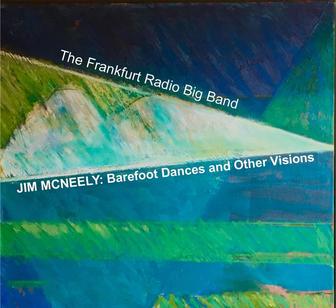
Jim McNeely & The Frankfurt Radio (HR) Big Band – “Barefoot Dances and Other Visions” (Planet Arts) - Same as above but with the Ellingtonian legacy of "knowing" who you re writing for
Kate McGarry, Keith Ganz, & Gary Versace – “The Subject Tonight is Love” (Binxtown Records) - The joy of intimate collaboration and emotionally strong material makes this collection something to listen over and over
Dafnis Prieto Big Band – “Back To The Sunset” (Dafnison Music) - Power and precision, melodies fired by rhythms led by an amazing drummer
Ambrose Akinmusire – “Origami Harvest” (Blue Note Records) - Mr. Akinmusire is really in a class by himself, moving in multiple directions without diluting his vision
Rudy Royston – “Flatbed Buggy” (Greenleaf Music) - Mr. Royston, known for his fiery and exuberant drumming, is maturing into a fine composer blending a variety of influences with a splendid ensemble of musical colleagues 
Kind Folk – “Why Not” – (Fresh Sound New Talent) - The spirit of the late Kenny Wheeler is celebrated here by four young musicians who gelled long before entering the studio
Andrew Rathbun Large Ensemble – “Atwood Suites” (Origin Records) - Mr. Rathbun takes a number of chances never missing his mark to bring Margaret Atwood's writing to a listing audience
Miguel Zenon & The Spektral Quartet – “Yo Soy La Tradicion”  (Miel Music) - Mr. Zenon with a string quartet playing traditional religious music and ore from his native land of Puerto Rico is chock-full of brilliant writing and playing
Edward Simon (w/ Afinidad and Imani Winds) – “Sorrows and Triumphs” (Sunnyside Records) - A subtly beautiful recording which sounds better with each listen
Thumbscrew - “Ours” + “Theirs” – (Cuneiform Records) - Amazing musicality and interplay between three masterful musicians who often think as one
Mary Halvorson - "Code Girl" (Firehouse 12 Records) - A new quintet that utilizes her Thumbscrew mates plus the expressive trumpet of Ambrose Akinmusire and amazing voice of Amirtha Kidambi. Prog-rock roots (I hear the influence of Robert Fripp in the opening guitar sounds) plus much more
Miles Okazaki – “Work: The Complete Works of Thelonious Monk”  (self-released/Bandcamp) - Wow!  So much thought and vision in this project, giving the listener an even better understanding how Thelonious Monk continues inspire generations of musicians and music
Frank Kimbrough - "Monk's Dreams: The Complete Compositions of Thelonious Sphere Monk” (Sunnyside Records - See above - Mr. Kimbrough shares the spotlight with three colleagues including the amazing multi-instrumentalist Scott Robinson
Noah Preminger – “Genuinity” – (CrissCross Records) - Moving back to Boston has energized young Mr. Preminger as both a composer and saxophonist. The addition of Dan Weiss has lit a fire under his quartet (which already boasts the great bassist Kim Cass and trumpeter supreme Jason Palmer)
Cecile McLorin Salvant – “The Window” (Mack Avenue) - What a voice! What an actress, a composer, an interpreter, and judos as well to the versatile Sullivan Fortner
Benjamin Boone/Philip Levine – “The Poetry of Jazz”  (Origin Records) - The late Philip Levine is one of my favorite poets yet it took me nine months to dig into this amazing blend of the poet's voice and the intelligent compositions and arrangements of Mr. Boone
Jeff Baker – “Phrases”  (Oa2 Records) - Another album that took its way to burrow under my skin and in my ears. Baker's emotional delivery and a great band featuring pianist Darrell Grant and drummer Brian Blade
Lorraine Feather – “Math Camp” (Relarion Records) - Ms. Feather is such a delightfully intelligent and humorous lyricist, not to forget she sings nicely as well. With science at its core, this album sparkles
Tessa Souter – “Pictures In Black and White” – (self-released) - Heartfelt, honest, adventurous, smartly arranged set of songs that allows the listener into Ms. Souter's complicated life story and her triumphs
Darrell Katz and the JCA Orchestra – “Rats Live On No Evil Star” (JCA Records) - Mr. Katz utilizes his orchestra to tell stories that range from political satire to treatises on friendship. A good number of these musicians have appeared on previous Katz/JCA recordings and he writes knowing their voices. Also, the voice of Katz's late wife, poet Paula Tatarunis, is heard in the impressive vocal work of Rebecca Shrimpton
Henry Conerway III.  "With Pride For Dignity" (self-released) – Best Debut Recording! Such joy, gospel, blues, and jazz with life experience makes for a splendid album.  
Carn Davidson 9 – “Murphy” (self-released) - I love how this ensemble blends all its voices int such a delightful stew - special shout-out to drummer Ernesto Cervini for his powerhouse yet subtle drumming
Ingrid Jensen & Steve Treseler - “Invisible Sounds: For Kenny Wheeler” (Whirlwind Recordings) - A fine quintet of musicians including the four members of saxophonist Steve Treseler's quartet plus trumpeter Ingrid Jensen pay tribute to the late Kenny Wheeler with an excellent selection of his songs
NYSQ – "Seven Steps to Heaven” (Whirlwind Recordings) - Nothing standard about this "standards" and the New York Standard Quintet - they make this material fresh and new.
Owen Broder – “Heritage: The American Roots Project” (ArtistShare) - Intelligent arrangements! Great musicianship!  Music that speaks of today by going back and examining material that mines the American spirit
Benje Danneman’s SearchParty – “Light In The Darkness”  (Self-released) - Heartfelt & thoughtful project played an amazing quintet of musicians
Anne Mette Iversen & the Norrbotten Big Band – “Everything In Between” (Prophone) -Brilliant section writing and arranging - this band loves to play!
Marshall Gilkes & the WDR Big Band – “Always Forward” (Alternate Sides Records/WDR - see comment just above
Judy Niemack & the Danish Radio Big Band – “New York Stories” (Sunnyside Records) - More great work from Jim McNeely plus great lyrics to T Monk tunes from Ms. Niemack
John Hollenbeck Large Ensemble – “All Can Work” (New Amsterdam) - Certainly one of the most intriguing group of arrangements
Joe Lovano & Dave Douglas: Sound Prints – “Scandal” (Greenleaf Music) - Two masters and great young band plus such passionate material
Jon Irabagon Quartet (with Tim Hagans) – “Dr. Quixotic’s Traveling Exotics”  (Irabbagast Records) - Perhaps the most powerful performances on record this year
Henry Threadgill Ensemble Double Up – “Double Up, Plays Double Up Plus”  (Pi Recordings)
Henry Threadgill 14 or 15 Kestra: Egg – "Dirt….And More Dirt" (Pi Recordings) - Mr. Threadgill continues to grow, expanding his interests as well as his sonic palette.
Steve Coleman & Five Elements – “ Live at The Village Vanguard (The Embedded Sets)"  (Pi Recordings) - Intense music from start to finish, a great front line paired with an equally great rhythm section
Jonathan Finlayson – “3 Times Round” (Pi Recordings) - Mr. Finlayson continues to grow as a composer and performer
Walter Smith III – “Twio” (Whirlwind Recordings) - Music that is so filled with the joy of playing together
Michael Musilami Trio + 2 - "Life Anthem" (Playscape Recordings) - Guitarist and composer Musillami bounces back after a life-threatening brain tumor - the album features his long-time trio plus cornetist Kirk Knuffke and multi-reed player Jason Robinson. Like the composer/musician, the music is so filled with life!
Jamie Baum Septet + - “Bridges”  (Sunnyside Records) - Ms. Baum's music continues to expand as she challenges her musicians and the audiences
Andy Biskin - "16 Tons: Songs from the Alan Lomax Collection" (AnDorfin Music) - Modern American music has so many influences and Mr. Biskin on reeds with a four-trumpet choir manages to mash a whole bunch together!
Geoff Bradfield – “Yes, and...Music for Nine Improvisers”  (Delmark Records) - Mr. Bradfield is a true student of jazz eras, writers and soloists. His latest mines the various strains that have developed in Chicago
Art Hirahara – “Sunward Bound”  (Posi-Tone Records) - Great band, great pianist, great material!
Tom Tallitsch – "Self-titled" (Posi-Tone) - Another artist who continues to mature with every album
Adam O'Farrill - "El Maquech" (Biophilia Records) - Great young band led by a trumpeter who already has an identifiable sound

Reissues and Historical
John Coltrane – “Both Directions At Once – The Lost Album” (Impulse) - Coltrane was always in transition and this is a fascinating example of a band in its prime
Wes Montgomery - "Wes Montgomery In Paris: The Definitive ORTF Recording” (Resonance Records) - What a treat to hear Wes let loose!
Fred Hersch Trio - “Heartsongs” (Sunnyside Records) - His first trio record, a unspoken tribute to several of his major influences as well as a reminder that Mr. Hersch's trios have been collaborative from the beginning
Sonny Rollins – “Way Out West (Deluxe Edition)” (Craft Recordings) - A favorite since forever, a one-shot trio that made history. 

Beyond Category
Yo-Yo Ma – “Six Evolutions – Bach: Cello Suites” (Sony Music) - Third time is a charm for Yo-Yo Ma in his life-long quest to plumb the depths of these amazing dance pieces - one could argue that one and second times through the music are also pretty great.
Tyshawn Sorey - "Pillars" (Firehouse 12 Records) - 21st Century Creative music with subtle influences from around the world doesn't do justice to the sounds that Mr. Sorey (drums, trombone, dungchen - low Tibetan horn, percussion, conductor) and his seven collaborators create on this trio of 75-minute + pieces

Label of the Year

Hard to choose - let's congratulate Pi Recordings, Sunnyside Records (a perennial favorite), Greenleaf Music, Whirlwind Recordings, and Resonance Records for their continuing excellence!

Best News of the Year!

Jason Crane and The Jazz Session has returned - it's still a joy to listen to.  I am so jealous of his interviewing skills and his continuing good taste (and not just because he chose to interview me.....no, really, I've written that before).


Wednesday, August 1, 2018

Voices of Love, Loss, Happiness, Desire, and More (Pt 1)

Honestly, I have been returning to listen to the latest album from singer and songwriter Jeff Baker since it arrived at the beginning of 2018.  "Phrases" (Oa2 Records) is a 76-minute program that, on initial listens, struck me as a series of vignettes on love and loss as if Baker was working his way through a dark time. On a personal note, throughout the year, the writer has dealt with deaths and/or illnesses of friends and relatives as well as health issues that affected the closest of compatriots.  The solace received from certain recordings and live performances was great but how does one write about the unspeakable.  I am not such a fool as to drown my sorrows in drink or drugs but crave the nearness of people.  Heaven forbid, I read about contemporary politics - much of the good happening in the world, in this country, and the state is covered by screaming headlines of divisions and inequalities (proving that not much has changed over the years only that we hear about faster and from all corners of the globe.  Easier to curl up with a book with music welling and cooing in the background.

Back to "Phrases."  From Baker's adaptation of Pablo Neruda's poem "Tonight I can write the saddest lines" to the singer's quiet take of "Don't Worry 'Bout Me" (from the pens of Rube Bloom and Fred Koehler), the songs deal with issues of the heart.  He's got quite a sparkling band, one that includes Darrell Grant (piano), Clark Sommers (bass), and Brian Blade (drums) as well as the smart reeds of Steve Wilson (alto saxophone) and Geof Bradfield (tenor saxophone) and the powerfully rich trumpet of Marquis Hill.  One also hears the electric guitar of Gregory Uhlmann plus contributions from the Avalon String Quartet (Blaise Magniere and Marie Wang on violin, Anthony Devrove on viola, and Cheng-Hou Lee on cello).

Listen to how Baker folds his tenor voice around the horns on "Lost" with Blade really driving the ensemble, Uhlmann's ringing guitar phrases (good solo as well) and Grant's flowing lines in support.  This is one of the songs that pulled me back into the album, lyrics that spoke of possibilities, mostly positive.  Note how Wilson's expressive soprano sax dances with the guitarist in the solo section of "Salinger" - based on a short story by the late J.D. Salinger as well as novel by Stephen Chbosky, this song also shows the influence of the music of Sting.  The slow ballad "Harbor" (composed by bassist Sommers and Baker) is a true love song, no premonitions of breaking hearts.

Still, it's hard to stay away from the heartbreak.  Baker's sweet take of Bonnie Raitt's "Not 'Cause I Wanted To" (which opens with a fine bass solo) is emotionally rich without being saccharine.  "People of Paper", based on the 2005 debut novel of Mexican-born author Salvador Plascencia, is a story of love unrequited and lost.  The horns float above the vocals until Hill steps out with a most reserved yet heartfelt solo - don't miss the short but stunning soprano sax phrase as the piece fades away.  .

Several of the reviews have said that the songs on "Phrases" go on too long and no one song stands out. I beg to differ; to my ears, each piece is part of a longer story, a tale in which love and loss are at the center.  Pay attention to the musicians Jeff Baker surrounds himself with, how they serve the music, how the arrangements have a strong sense of drama, and how Sommers and Blade offer such great support.  And, I can't through "A Hundred Less One" without tearing up knowing it speaks for the many people I know who have been married for decades.  Some music blazes trails, some music makes you dance, and some music takes so far inside yourself you feel as if your life is exposed to the world. "That's "Phrases" in a sentence!

For more information, go to jeffbakerjazz.com.


Twenty-two years ago, New York Voices shared the bill on an album alongside the Count Basie Orchestra.  Five years ago, the quartet - founded in 1998 by original members Kim Nazarian, Darmon Marer, and Peter Eldridge plus Lauren Kinhan (who joined in 1992) - recorded with the WDR Big Band.  2018 finds them joining the Bob Mintzer Big Band for "Meeting of Minds" (MCG Jazz). It's a treat from track one, a bluesy take on "Autumn Leaves" to the hard-driving samba of "I'll Remember April."

The album title certainly refers to the splendid band arrangements written by Mintzer as well as the wonderful vocal arrangements by Marder.  Yet, it's Eldridge and Marder who arranged both the band and vocal arrangements on Hoagy Carmichael's "I Get Along Without You Very Well" and Meader who does the dual honors on the Big Band (without NY Voices) on "I Want To Be Happy."  The former has a more "modern" sound with an arrangement perhaps influenced by Maria Schneider (especially how the high reeds frame the voice).  The latter tune bounces along on the powerful drum work of John Riley and solid bass of Jay Anderson.  Arranger Marder shines the spotlight on Scott Wendholdt's trumpet and the delightful piano of Phil Markowitz (both in support and when he takes his solo.)

The 17-member Mintzer Big Band has been in existence over 35 years, recording 21 Lps and CDs for labels such as DMP and MCG. Since 2004, the BMBB has issued seven CDs for the Pittsburgh, PA-based label.  Composed of musicians who are busy in large ensembles action both coasts, they can play just about everything.  Listen to the funky take of "Old Devil Moon" - with its raucous vocal from Ms. Kinhan and "down-and-dirty" drums, one feels the need to dance.  Check out the way Mintzer supports the voices of Ms. Nazarian and Mr. Eldridge on "The Way You Look Tonight" plus the smashing center section of wordless vocals and section voices.  The long tenor sax solo from Mintzer is also a treat.

Even though the vast majority of the music on "Meeting of Minds" comes from the 1930s-40s Golden Era of the Great American Songbook (save for Mintzer's original "Weird Blues" yet that would sound out of place played by the Count Basie Orchestra in the late 1950s), this album is no throwback.  Kudos to the Bob Mintzer Big and and New York Voices and all involved bringing this project to light! This album will brighten your day and do so perceptibly.

For more information, go to newyorkvoices.com or to www.bobmintzer.com.

Here are the groups in action:


Personnel of Bob Mintzer Big Band:

Bob Mintzer – Tenor Saxophone, Flute
Bob Sheppard – Alto Saxophone, Flute
Lawrence Feldman – Alto Saxophone, Flute
Bob Malach – Tenor Saxophone
Roger Rosenberg – Baritone Saxophone, Clarinet
Bob – Millikan – Trumpet
Frank Greene – Trumpet
Scott Wendholt – Trumpet
James Moore – Trumpet
Keith O’Quinn – Trombone
Jeff Bush – Trombone
Jay Ashby – Trombone, Percussion
David Taylor – Bass Trombone
Phil Markowitz – Piano
Marty Ashby – Guitar
Jay Anderson – Bass
John Riley – Drums


Monday, April 16, 2018

Ensemble Music With Messages

Photo: Nick Iwanyshyn
Canadian-born poet, essayist, and novelist Margaret Atwood (born Ottawa, Ontario, Canada) 1939) is currently enjoying renewed popularity these days thanks to HULU's production of "The Handmaid's Tale" and NETFLIX's production of "Alias Grace."  Her depictions of dystopian societies hits home in this time of Boko Haram and ISIS. Before her novels became popular, she wrote numerous volumes of poetry and that's where composer and saxophonist Andrew Rathbun (a native of Toronto, Ontario, Canada) has concentrated his attention.  He has taken several poems written 40+ years and created a pair of suites that are part of an ambitious project that takes Ms. Atwood's poetry and his music on a fantastic voyage.

"Atwood Suites", featuring the 16-member Andrew Rathbun Large Ensemble and released by Origin Records, is a fascinating two-CD sonic adventure. Joining the ensemble for the first CD is vocalist Luciana Souza and soloist Tim Hagans (flugelhorn): one can hear the influence of Kenny Wheeler especially on "Power Politics I-III" , a piece the late trumpeter/flugelhornist performed with Rathbun after their 2002 Fresh Sound New Talent collaboration "Sculptures."  One can hear tinges of Wheeler in Hagan's impressive solos and his the horns and brass interact with him plus the fine rhythm section - Nate Radley (guitar), Jeremy Siskind (piano, Fender Rhodes), Dave Ambrosio (bass), and Bill Stewart (drums) - that pushes the music forward.  The sectional work throughout is impressive (a full list of the personnel is below).  While Hagans is the principal soloist on disk one, there is also sterling performances from saxophonists Quinsin Nachoff (tenor), Dan Pratt (tenor), John O'Gallagher (alto) plus trombonist Mike Fahie and guitarist Radley.

The "Suites" succeed on many levels but pay special attention to the tremendous vocal work of Ms. Souza (pictured left).  Oftentimes, this combination of large ensemble, poetry, and vocals can sound pretentious or stodgy but, the singer inhabits the poetic fragments that tell of the interaction of men and women, of love and being subsumed in relationships There are also moments when Ms. Souza sings wordless lines alongside one of the sections. Her voice glides, the words flow, sometimes, there is fire, other times, subtle interactions with the musicians.  After a lovely reed introduction, "Two Islands" opens with just voice and piano: the melody is lovely (Siskind is a fine accompanist) perfectly suited for Rathbun's long and supple melody line. Hagan's burnished tone and lyrical solos stand out in fine contrast to the vocal, the sectional work, and Stewart's powerful push.
Photo: Dominic Gladstone
Disk two opens with "Fractured", a perfect title for the jagged melody that introduces the piece.  Aubrey Johnson wordless vocals support the melody, serve as counterpoint on the Fender Rhodes solo, and float effortlessly along with the sectional work. Owen Howard takes over for this track and the first one of there suite below and his solid, swinging, style gives the tracks an excellent boost.  The final three tracks are also part of suite Rathbun composed in 2012 (they were first performed that year). Presented out of order, - "V", "I", and "II" features sumptuous melodies, two separate compositions that open with "chorales" ("V" with just reeds, "II" with reeds and brass), and all three take time to introduce thematic material before heading into solos.  This is music that, at times, seems to float (the influence of Kenny Wheeler's "airy" sound permeates "I") and the use of the  different sections (notably the range of the various reeds, including flutes) of the band alongside the voice is creative and satisfying.

"Atwood Suites" is serious music yet such a joy to sit and listen.  Andrew Rathbun has taken his time to create a program that takes several of his older pieces and the use of a larger ensemble gives him more possibilities.  With the help of his co-producer George Schuller, he's made music that will stick to your mind even as it takes you out of the everyday.

For more information, go to andrewrathbun.com.

Andrew Rathbun - composer, director 

REEDS: 
John O'Gallagher - Soprano, Alto Saxophones 
Ben Kono - Alto Saxophone, Flute, Clarinet 
Quinsin Nachoff - Tenor Saxophone, Clarinet 
Dan Pratt - Tenor Saxophone, Flute, Clarinet 
Carl Maraghi - Baritone Saxophone, Bass Clarinet 

TRUMPETS: 
Seneca Black - Trumpet 
Matt Holman - Trumpet, Flugelhorn 
Dave Smith - Trumpet, Flugelhorn 
Russ Johnson - Trumpet, Flugelhorn 
Tim Hagans - Flugelhorn (1-6, soloist) 

TROMBONES: 
Alan Ferber - Trombone 
Mike Fahie - Trombone 
JC Sanford - Trombone 
Chris Olness - Bass Trombone 

RHYTHM/VOICE 
Luciana Souza - Voice (Disc 1) 
Aubrey Johnson - Voice (Disc 2) 
Nate Radley - Guitar 
Jeremy Siskind - Piano, Rhodes 
David Ambrosio - Bass 
Bill Stewart - Drums 
Owen Howard - Drums (1,2 Disc 2)


Here's a look at how the album came together:


Pianist, composer, and arranger Edward Simon came to the United States from his native Venezuela to study music at the Philadelphia Performing Arts School when he was 12 years old!  After his graduation (at the age of 15), he went on the University of the Arts (also in Philadelphia, PA) to study classical music before heading to the Manhattan School of Music to study with jazz pianist Harold Danko.  By the age of 21, he was already working with musicians such as saxophonist Bobby Watson before going on to spend eight years in the Terence Blanchard Group. Simon has also created several groups, most notably Afinidad with co-leader alto saxophonist David Binney.  In 2010, he took over the piano chair in the SF Jazz Ensemble (from founding member Renee Rosnes) and in 2012 became a member of Ninety Miles, a cooperative featuring vibraphonist Stefon Harris, trumpeter Nicolas Payton, and saxophonist David Sanchez.

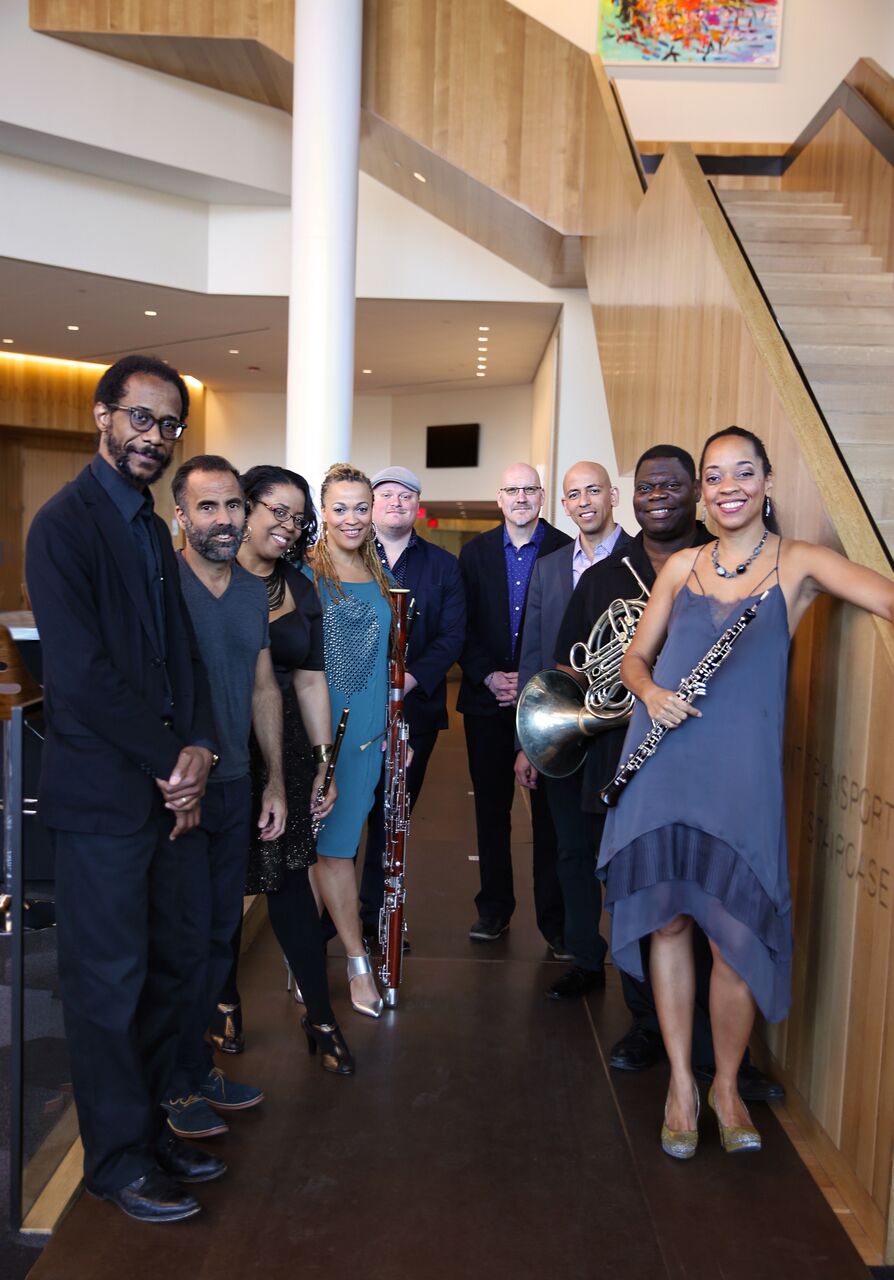
"Sorrows & Triumphs" (Sunnyside) is his 13th release as a leader. The program consists of two suites, one that bears the album's title and another titled "House of Numbers"  - there is also one track, "Incessant Desires", that was written for the SFJazz Collective.  Musicians include Afinidad (Binney, bassist Scott Colley, and drummer Brian Blade) plus guests Gretchen Parlato (vocals, lyrics), guitarist Adam Rogers, plus percussionists Rogerio Boccato (two tracks) and Luis Quintero (three tracks).  In an inspired move, instead of typical reed and brass sections, Simon invited the Imani Winds chamber ensemble and wrote a number of smashing arrangements.  Imani Winds, whose music covers a wide swath of musical territory (from  includes Valerie Coleman (flute), Toyin Spellman-Diaz (oboe), Monica Ellis (bassoon), Mark Dover (clarinet), and Jeff Scott (French horn).

There is quite a flow to this music, one that seems to run through every tune. Even ballads such as "Chant", the music flows gently from Ms. Parlato's whispery vocals to Binney's alto sax to Imani Winds. The restraint that Blade and Colley show as the music moves forward, not forcing the movement but allowing the piece to open up slowly. It's such a joy to hear the rhythm section take pieces such as "Equanimity" and the album opener "Incessant Desires" and guide the musicians forward (dig the bassoon echoing the bass lines on parts of the second track).  Also, note how Simon supports the alto sax solo before the voice and the winds return.  On the former track, Rogers moves out of the ensemble to create a splendid solo, melodic and quite rhythmic - Blade shines as he reacts to the solo and pushes him forward.  "Triangle" is a funky piece not just because of the great percussion work of Blade and Boccato but also because the horn arrangement and Simon's dancing piano have such a delightful joie de vivre.  "Venezuela Unida" opens with a short wind intro before the bass, drums, and congas/shakers drop into a sensuous rhythm. The melody dances along atop the bubbling bottom (reminiscent of Weather Report circa 1976).  Compare this version with Simon's arrangement for the new SFJazz Collective "Live: SFJazz Center" (released 4/13/2018) - the arrangement is quite similar but Blade and Quintero push the piece a bit differently than Obed Calvaire and Warren Wolf do: both versions are delightful.

The album closes with the enchanting "Triumphs" with Ms. Parlato delivering a lovely vocal after Colley's opening bass solo.  The hypnotic rhythms, the breathy saxophone, the quick, circular, figures played by the piano, all combine to draw the listener in.  If you listen closely, you hear Rogers's clicking guitar in unison with piano. Also, there's exciting synth work from the leader.  Ms. Parlato contributes the lyrics to the final cut, "Rebirth" - her quiet voice opens the song with just keyboard and bass accompaniment.  She enunciates every word before the bassist delivers a heartfelt solo over piano and brushes. When Simon steps out for his solo, Imani Winds enter with its individual voices adding emotional depth to the proceedings.

"Sorrow & Triumphs" really is quite triumphant. It is music that frees the spirit, music that is, at times, dreamlike and at other times, rooted to the rhythms Edward Simon heard growing up in Venezuela.  The impressive melodies, the intelligent arrangements, and the delightful musicianship are all good reasons why you should dig into this sublime recording.

For more information, go to www.edwardsimon.com.

Take a taste of the delightful sounds of "Triangle":

Monday, January 29, 2018

Visions, Dreams, and Realities

What a treat to immerse oneself in a big band recording!  To hear how the different sections work together and independently, how the solos are built upon such elegant and intelligent foundations, how melody leads to counterpoint, how rhythm leads to interaction, how the composer and arranger utilizes all these voices to tell his or her story, all this and more is exciting to these ears.  The sound of the big band in jazz has grown from the primitive yet really sophisticated work of Edward Kennedy "Duke" Ellington and Fletcher Henderson in the 1920s and 30s, from the "territory" dance bands of Benny Moten and Count Basie, the high-powered swing of Benny Goodman and Chick Webb, the smoother sounds of the Dorsey Brothers (together and separately) and Glen Miller and beyond.  The work of Gil Evans with and without Miles Davis in the 1950s and 60s as well Gerry Mulligan and Bob Brookmeyer paved the way to the work of Maria Schneider, John Hollenbeck, Alan Ferber, Ryan Truesdell (in his case, Gil Evans) and a number of younger voices such as Darcy James Argue, Ayn Inserto, and more.

 Jim McNeely (born 1949) grew up (musically) in the 1970s, working with the likes of the Thad Jones/Mel Lewis Orchestra, Phil Woods, and Stan Getz.  After Thad Jones moved to Europe, he began working with the Mel Lewis Orchestra and soon discovered how much he loved arranging and writing for big bands.  Mentored and employed as a pianist by Bob Brookmeyer, McNeely learned much and soon began working with big bands such as the Vanguard Jazz Orchestra, the Carnegie Hall Jazz Band, the Danish Radio Big Band, and, since 2008, has been the chief conductor of the Frankfurt Radio (HR) Big Band. That group is featured on his new album "Barefoot Dances and Other Visions" (Planet Arts), a stunning and highly enjoyable seven-song suite that speaks to the composer's relationship with these musicians and their myriad abilities.

What composer McNeely envisioned was a song cycle that pulled together a number of story-lines, from the celebration of Mr. Brookmeyer that opens the album, the playful and ebullient "Bob's Here", to the somber, wistful yet a bit bouncy ballad "A Glimmer of Hope" to the wondrous swing of "Redman Rides Again" (a tribute to the arranging style and adventurous nature of Don Redman (1900-1964) - the stunning interaction on the last track mentioned between the clarinets of Heinz-Deiter Sauerborn, Stefan Weber, and Rainier Heute with the electronically manipulated clarinet of Oliver Leicht is flat-out brilliant.


When you listen to program, notice the brilliant foundations laid down by bassist Thomas Heidepriem, how the electric guitar work of Martin Scales is so important to both the power and direction of certain pieces, the amazing work of the brass and reeds, and how drummer Jean Paul Höchstäder is the linch-pin for so much of the music - his power, his push, his fills - just the way he dances underneath trombonist Günter Bollman and the rest of the band on the title track is life-affirming. As you work your way back through the music, you'll hear soloists such as trombonist Peter Fell, tenor saxophonist Tony Lakatos, and trumpeter Axel Schlosser maneuver through the arrangements to create memorable solos.

With exception of his work with the Vanguard Jazz Orchestra (also released on Planet Arts as well as New World Records), "Barefoot Dances and Other Visions" is only other large ensemble work by Jim McNeely to be issued on an American label. This is music that should be heard - like the best work of the afore-mentioned composers and arrangers (Ellington, Brookmeyer, Schneider), the music builds off the past but is clearly of its day. This is also music that speaks of the creativity of the American musical experience, when freedom, creativity, talent, and the curiosity to see how one can continue to move forward collide to create art.  Plus, it's great fun from the opening minute right to the end!

For more information, go to www.jim-mcneely.com and to www.hr-bigband.de/english/index.html. The latter site has several concert videos (not of the music on the new CD but of collaborations with bassist Dave Holland and vocalist Gretchen Parlato).  

Personnel:
​THE BAND
Heinz-Dieter Sauerborn--Alto Sax, Soprano Sax, Flute, Alto Flute, Bass Flute, Clarinet
Oliver Leicht--Alto Sax, Clarinet, Flute, Alto Clarinet, Alto Flute
Tony Lakatos--Tenor Sax, Flute, Alto Flute
Steffen Weber--Tenor Sax, Flute, Clatinet, Bass Flute
Rainer Heute--Baritone Sax, Bass Clarinet, Alto Flute
 
Frank Wellert--Trumpet, Flügelhorn
Thomas Vogel--Trumpet, Flügelhorn
Martin Auer--Trumpet, Flügelhorn
Axel Schlosser--Trumpet, Flügelhorn
 
Günter Bollman--Trombone
Peter Feil--Trombone
Christian Jaksjø--Trombone, Valve Trombone
Manfred Honetschläger--Bass Trombone
 
Martin Scales--Guitar
Peter Reiter--Piano
Thomas Heidepriem--Bass
Jean-Paul Höchstädter—Drums


The Diva Jazz Orchestra, founded in 1992 by Stanley Kay after he conducted a band with Sherry Maricle as its drummer, is celebrating its birthday and continued existence with the "25th Anniversary Project", a smashing new recording produced and released through ArtistShare.  Instead of focusing on earlier works or standards, music director Ms. Maricle asked members of the all-women group to submit new works.  She brought two pieces to the project and eight other members have one each.  A number of these musicians and composers have busy careers outside the band but they have brought their best to this effort.


By this time, most people have gotten over the novelty of the "all female big band" and can concentrate on how good this music (besides, when one is listening to a recording, can you tell if it's a woman or a man playing - and does it matter at all?)  The program opens with the rollicking "East Coast Andy" composed and arranged by baritone saxophonist Leigh Pilzer (also a member of the Smithsonian Jazz Masterworks Orchestra) - the song is a spunky romp a la the Basie Orchestra with fine solos from the composer and trumpeter Jami Dauber. Clarinetist/tenor saxophonist Janelle Reichman blends Eastern European sounds and chords with a lively Latin rhythm on "Middleground" (co-arranged with bassist Noriko Ueda) - it's a delight to hear how the sections add to the melody section before pianist Tomoko Ohno dances over the rhythm section. Then, Ms. Reichman takes off with the reeds and brass playing counterpoint.  All the while, the bass and drums keep the piece percolating.

Every track as its standout moments. There is the delightful double trumpets solo (Leisl Whitaker and Barbara Laronga) on "Jami's Tune" and the powerful tenor saxophone statement by Erica von Kleist on "Darkness of the Matter" (composer Sara Jacovino adds a hardy trombone solo as well).  Ms. Maricle's lovely ballad "Forever in My Heart" features a handsome melody by Rachel Therrien on flugelhorn plus intelligent fills from the reeds and brass (excellent baritone sax work from Ms. Pilzer underneath).  The drummer also contributed the final track, aptly titled "The Rhythm Changes", which has a dazzling opening theme that breaks into exciting solos from trumpeter Laronga and alto saxophonist Mercedes Beckman.  Both bassist Ueda and drummer Maricle take short solos with the reeds and brass adding occasional "shout" phrases or bluesy riffs - the scramble at the end of the piece that leads back into the opening melody takes the album on a triumphant note.

Diva Jazz Orchestra may be 25 years old but this album sounds fresh and on target.  There's neither a weak tune nor boring solo in the 65-minute program. Yes, you can hear echoes of Count Basie, touches of Duke Ellington, a bit of Woody Herman but they are just that - echoes.  What truly stands out is how strong this music, how much fun the musicians are having as an ensemble, and how positive the listening experience is.  Happy "25th Anniversary Project"!  Here's to many more.

For more information, go to divajazz.com.

Personnel:
Alexa Tarentino: alto and soprano saxophones
Mercedes Beckman: alto saxophone, flute, clarinet
Janelle Reichman: tenor saxophone, clarinet
Erica von Kleist: tenor saxophone
Leigh Pilzer: baritone saxophone, bass clarinet
Leisl Whitaker: trumpet, flugelhorn
Jami Dauber: trumpet, flugelhorn
Rachel Therrien: trumpet, flugelhorn
Barbara Laronga: trumpet, flugelhorn
Jennifer Krupa: trombone
Sara Jacavino: trombone
Leslie Havens: bass trombone
Tomoko Ohno: piano
Noriko Ueda: acoustic bass
Sherry Maricle: drums, music director
with guest soloist Marcia Gallas on one track


Thursday, January 25, 2018

Let's Dance, say the Drummers

Drummer, composer, and arranger Rob Garcia is a very busy artist. Besides working with his own quartet, he is also the founder and artistic director of a non-profit organization called Connection Works, works and records with groups such as Svetlana and The Delancey Five and Brian Carpenter's Ghost Train Orchestra, and is an active member of the Brooklyn Jazz Underground.

His new project is a delightful aural treat. Aptly titled "Drum Solos for Dancers Only" (Connection Works Records), Garcia has created a program that will help people who love to dance realize that it's the drummer who gets them up and onto their feet and provides the impetus to keep going (not to slight the wailing horns, the athletic bass lines, the propulsive left hand of the pianist, and others).  The 13 pieces emphasize different dances ("Savoy Steps", "Honey Soft Shoe", "Elastic Boogie", etc) and it is impossible for the listener (or, the writer at the keyboard) to sit still.  It's fascinating to hear the different melody lines - yes, melody - that Garcia creates here. Listen to "Americana Thrill" -  do you hear the theme from Ferde Grofé's "Grand Canyon Suite"?


The album is not Rob Garcia showing off but illustrating how he can direct an orchestra and how to keep folks on the dance floor.  Technically, it's brilliant but this is neither a thesis project nor an exact history lesson.  Throughout the recording, you hear the influences of people like Chick Webb, Sonny Greer, Gene Krupa, and the countless drummers of the "swing era" and beyond.  In the long run, this is music for and about movement. The music brings people together, gives them a reason to have fun, to express themselves physically, to work out frustrations - it's why we sing in the car or the shower, why we go to concerts, why we sit up late at night listening to albums that turned our heads 40, 50 years ago.  Dancing can free us of certain inhibitions and I recommend you listen to this album really loud - Come on, "everybody dance now!"

For more information, go to www.robgarciamusic.com.

Frank Perowsky is a clarinetist and saxophonist from Des Moines, Iowa, who's been involved in the New York City music scene since graduating from the Juilliard School in the late 1950s. He's worked with bands led byWoody Herman, Jimmy Dorsey, in Broadway pit bands, backing singers such as Billy Eckstine, Peggy Lee, and Mel Torme, plus a three decade-plus working relationship with Liza Minnelli. One thing Frank Perowsky has yet to become is a prolific recording artist in his own right.

His new album, "An Afternoon in Gowanus" (JazzKey Music), features his 16-piece Jazz Orchestra (plus vocalist Ira Hawkins) and is his first album since he recorded "Bop on Pop" with  his son, drummer Ben Perowsky and organist Sam Yahel, in 2001.  The latest disc hearkens back to the days of the Count Basie Band, the Duke Ellington Orchestra, with hints of the Thad Jones-Mel Lewis Orchestra.

Look at the lineup and you'll see many familiar names. The saxophone section includes Jerry Dodgion, Loren Stillman, John Ellis, Bob Franceschini, and Roger Rosenberg while the trumpets include Seneca Black, Chris Rogers, Antoine Drye, and Waldren Ricks. The trombone section boasts the big sounds of Sam Burtis, Jacob Garchik, Brian Drye, and Joe Randazzo.  Besides Ben Perowksy at the drums, the rhythm section includes pianist David Berkman and bassist Aidan O'Donnell. The program, recorded in front of a live audience, features a bright selection of originals and intelligent arrangements of works by John Lewis, Tom McIntosh, Duke Ellington,  Bud Powell and Larry Young.  The Young piece, "Talkin' About J.C.", is a smart re-working of the organist's 1962 work recorded by Grant Green.  First of all, it swings like mad and opens up to a number of fine solos.  It's the blues that underpins this music, whether it's the happy-go-lucky original "Big Apple Circus" that opens the album or the quiet ballad "Paris Dreams", a vehicle for trombonist Burtis. Even on the latter track, there is a bounce in the rhythm section. I dare you to sit still on John Lewis's "Two Bass Hit" as it roars right out of the gates powered by the powerful drums.

When you listen all the way through "An Afternoon in Gowanus" a few times, you realize just how much fun this band is having.  Frank Perowksy's arrangements leave plenty of room for solos and the sectional work is exciting and active, quite complementary throughout.  This is "live" music, alive in many ways.  Perhaps no new ground is covered but never does it sound stale, re-hashed, or a pale copy of bands past.  This is the kind of music for a crowded nightclub or concert hall, sounds that fill the air and have the power to block out negativity.  Play it loud and enjoy!

For more information, go to www.jazzkey.com.

Here's a taste: