Showing posts with label Matt Wilson. Show all posts

Monday, February 27, 2023

These Sounds & Those Words


Argentinean-born pianist and composer Emilio Teubal creates music that shines with lyrical beauty, sparkling solos and interplay plus rhythms that make you dance and sway. His 2013 BJU release, "Musica Para un Dragon Dormido", is one of my all-time favorite albums. Teubal has been busy since moving to the United States over two decades. He writes constantly and has worked with artists such as bassist Pedro Giraudo, cellist Erik Friedlander, and various tango organizations and groups in the New York City area.  Currently, he leads a trio with bassist Pedro Lanouguere and drummer Chris Michael.

Those two musicians are the foundation of his new recording "Futuro" (Not Yet Records).  Recorded in several sessions in December 2021 and May 2022 (drummer Michael has been dealing with long COVID so Brian Shankar Adler appears on five of the 10 tracks, all recorded at the later sessions).  Joining the trio on three tracks is Sam Sadigursky (clarinet) and Fede Diaz (guitar) while vibraphonist Chris Dingman adds his sound to three other cuts.  From the opening measure of the opening cut (the title track), the listener is transported to sunnier climes.  The dancing clarinet and percussive guitar wrap around the warming piano figures. Bassist Lanouguere, who leads a quintet that Teubal is part of, is a rich melodic player with a full tone on both acoustic and electric; he also contributes fine bow work (he and the pianist play the opening melody of "Children of MMXX"––he then solos sans bow and is quite impressive there as well.

Photo: Sergio R. Reyes
Of the three tracks Dingman appears on, "Remolinos" stands out for its hypnotic piano figures and circular melody. There is a Steve Reich in the piano lines that is repeated by the vibes and the electric bass throughout. It certainly feels like all four musicians are percussionists and melody makers at the same time.  The vibraphonist also appears on the handsome take of Sir Paul McCartney's "Blackbird".  While the piece is the shortest track in the program (2:35), the arrangement allows everyone to shine and the melody to stand out.  


Photo: Sergio R. Reyes
The blend of the acoustic guitar and clarinet on "Los que Fluyen" hints at tango as well as Brazilian folk forms––Teubal's solo rises out of the main theme, dancing atop the guitar and electric bass then steps aside for Sadigursky to create a masterful, emotional, solo.  The quintet imbues "Tokyo Trenque" with such a gentle quality, caressing the melody while Adler's hand percussion clicks underneath.  The music picks up with intensity during Lanouguere's acoustic bass solo from which Teubal moves farther away without going "free" but much more impressionistic. The clarinet solo seems to move the rest of the band back to melody; after a quick climax, the music gently sighs to a close.

The album closes with "Los Ultimos Seran Los Primeros"  ("The last will be the first"), a wistful Trio piece dedicated to the pianist's father who passed in 2021.  The insistent quality in the piano solo allows the listener to hear touches of Keith Jarrett in the delightful two-hand work of Teubal.  As you listen to this track (and others), one can really tell that these musicians are in tune with each and with the material.  "Futuro" stands out as a work that celebrates life and melodic adventure without sacrificing the rhythms that have sparked the curiosity of Emilio Teubal since he was a boy.  Listen to "Rio" below––it's indicative of how the music incorporates its many influences to create sounds that please, hug, and brings joy!

For more information, go to www.emilioteubal.com.  To hear more and to purchase the album, go to  https://emilioteubal.bandcamp.com/album/futuro-2023

Join the group on its journey to "Rio"


Photo: Jimmy Katz
What do you get when mix drummer Matt Wilson, bassist Mimi Jones, and saxophonist Jeff Lederer, give them two nights at the end of February 2020 in the newly reopened Cafe Bohemia in New York City, and let them loose.  It's the Leap Day Trio and now you can hear the results on "Leap Day Trio: Live at The Cafe Bohemia" (Giant Steps Arts). The music on the recording is spirited, lively, at times thoughtful, and very human. Messrs. Wilson and Lederer have been friends and musical partners on and off for three decades; adding Ms. Jones to their special mix neither tempers nor hinders their musical fun. Instead, she's a solid foundational player and a melodic soloist (check her out on "The Dream Weaver" and "Leap of Faith").

The nine song, 68 minute program, opens with Wilson's "Dewey Spirit", (listen below) a tune the drummer dedicates to one of his earliest mentors and employers, tenor saxophonist Dewey Redman. Commencing with percussion and Lederer's spiky tenor sax sounds, the piece opens in rubato with Ms. Jones dancing underneath the melody line.  When the main theme kicks in, one hears a running bass line, swinging drums, and the saxophonist flying all around his horn.  Everyone solos, the energy is contagious, and the crowd enjoys it all.

Two of the next three tracks are ballads ("Leap of Faith" and "Ghost Town") but the track in between ("The Dream Weaver") rumbles along atop the pulsing bass and percussion.  "Ghost Town" is a fascinating journey through the musical terrains of blues, post-bop, and during the bass solo, the feel of Native American music. Lederer lets loose on the opening of "Strival For Survival"––that sets the tempo for the rhythm section and they rocket forward. When the tempo slows down for Ms. Jones fine solo, listen for Wilson's delightful work on the cymbals.

Photo: Jimmy Katz
The program closes with the spirited "For Friends"––again, Lederer leads off the piece with a solo introduction but one can hear from his exciting forward lean, the music is going to be fiery.  Even when the gentlemen step aside for Ms. Jones spirited solo, the music has great drive.  

One hopes that the Leap Day Trio doesn't only convene every four years. In the meantime, celebrate the group's music on "Live at The Cafe Bohemia".  

Hear Matt Wilson's musical tribute to Dewey Redman:


Trumpter, composer, mentor, and author Jeremy Pelt has just issued Volume III of "Griot: Celebrating the Lives of Jazz's Great Storytellers".  15 more interviews with artists whose ages range from 89 (Wayne Shorter) to 28 (Elena Pinderhughes) sharing insights into their musical and spiritual upbringing, how they each developed a singular voice, and the changes they have seen in this art form created by black musicians at the start of the 20th Century.  These are stories of resilience in the face of the racism that has never truly been eradicated in this country and in places around the world. Many of the artists speak of how the changes that other musical forms (styles) have brought to the music keeps it alive in the face of listeners and label owners apathy.  But you also read of how musicians have been mentored by their musical elders, about the rigors of the road, and the cost, mental and physical, of a musician's calling.  Still, there are joys galore in their retelling stories of their formative days and nights on and off the bandstand.  

Photo: Ra-Re Valverde
I have written before how "Griot" will remind older Black Music fans of "Notes and Tones: Musician-to-Musician Interviews", the 1977 classic interviews drummer Art Taylor compiled that featured 29 of the greats who helped push the music forward in the middle decades of the 20th Century.  Jeremy Pelt has given us the 21st equivalent of Mr. Taylor's book and, hopefully, he will continue to converse with his elders, contemporaries, and young people for years to come!

For more information and to order any one or all three volumes of "Griot", go to  http://jeremypelt.net/home.html.


Tuesday, May 17, 2022

The Digital Side of Newvelle Recoirds

 Over the past year, the vinyl-only, subscription series, record label Newvelle Records has been issuing digital versions of albums from its first four "seasons".  While the digital releases go a long way to capture the impressive "sounds" of the Lps, one does not get the brilliant art work that accompanies each package. Nevertheless, the lesser expensive alternative is a great way for music lovers to learn about the great work that Artistic Director Elan Mehler and engineer Marc Urselli of NYC's East Side Sound are capturing.  

Noah Preminger has two releases on the label including "Some Other Time" released in Season One (2015).  It's a ballads album that features the tenor saxophonist playing alongside guitarist Ben Monder, bassist John Pattitucci, and drummer Billy Hart.  This is not a typical standards collection; yes, there are pieces from Billy Strayhorn "My Little Brown Book"), Duke Ellington ("Melancholia"), Victor Young ("A Ghost of a Chance"), and Jimmy Campbell's "Try a Little Tenderness" but there's also Bob Dylan's "Boot of Spanish Leather", "Porcelain" from The Red Hot Chili Peppers, and "Una Limosnita por Amor de Dios ("An Alm for the Love of God") composed by guitarist Agustín Barrios Mangoré (1885-1944).  Preminger contributes "Semenzato", a piece that is not only quite melodic but features a great bass solo plus the saxophonist's strong give-and-take with Hart. 

There's a touch of Coleman Hawkins and Ben Webster in Preminger's tone on pieces such as "Ghost of a Chance" that also features splendid bass playing and smart brushes work. That breathy and bluesy sax sound permeates the Leonard Bernstein piece that gives the album its name.  Here, the interactions of all four musicians stand out with kudos to the wonderful rhythm guitar of Monder plus the high-energy saxophone coda. The guitarist's "atmospheric" sound is a delightful foil to Preminger's attack––note how Monder weaves in and out of the melody on the opening of "Melancholia" as well as his "ringing" chords behind the bass solo.

"Some Other Time" is a timeless set of music. How impressive is this quartet of contemporary musicians that they can take material that is over 70 years old and mix it with much newer works and the results are so ageless. This album is a welcome addition to growing discography of Noah Preminger, a series of fascinating and adventurous musical experiences.  

For more information, go to www.noahpreminger.com. To hear more and to purchase the album, go to  https://noahpreminger.bandcamp.com/album/some-other-time

Hear "A Ghost of a Chance":


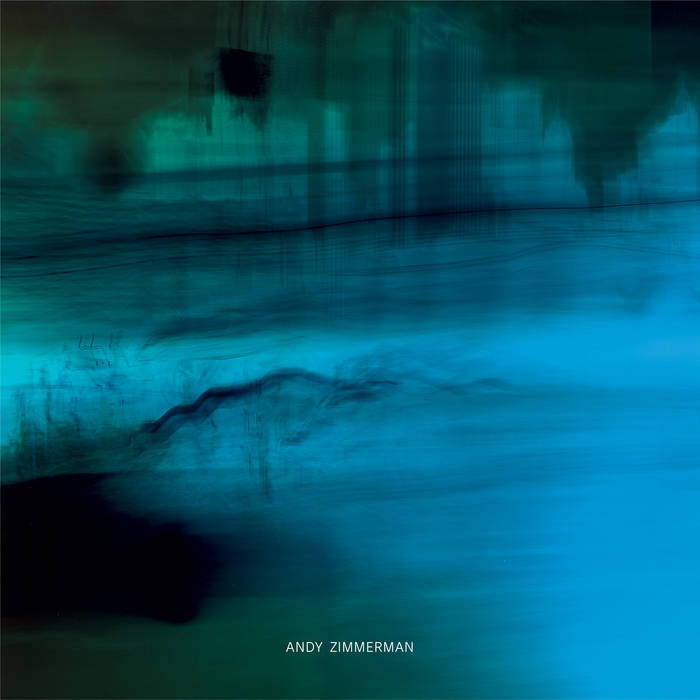
From Newvelle's Season 3 comes "Half Light", an impressive and imagistic collection of pieces created by tenor saxophonist and composer Andy Zimmerman. Based in Chicago, IL, he doesn't have a big discography but is involved in an on-going project with his father, award-winning storyteller Jack Zimmerman. The saxophonist also appears on the first Newvelle release, Frank Kimbrough's "Meantime".  His release finds him in the company of pianist Kevin Hays, bassist Matt Penman, and trumpeter Dave Douglas.  There are moments throughout the 11-song program when it feels like all four are playing melody. One rarely hears Douglas as a sideman these days but he's an excellent second "voice" in much of this music––he stands out on "Sunset and The Mockingbird" (a Duke Ellington piece from "The Queen's Suite") especially on his interactions with the leader. Although the liner notes calls these pieces "sketches", the music shines.  Zimmerman's pellucid sound has a lightness akin to alto saxophonist Paul Desmond. There are no wasted notes, no need to impress with long, technically amazing solos–the melody, the story, is all.

There are no weak moments on the album. Whether the song is a shimmering musical poem ("The Bay Area"–listen below), an aural painting ("Clearing"–watch below), celebrating a sweet melody with a Latin feel in the rhythm ("Lena's Dance"), or reimagining George Gershwin's soulful ballad ("Bess You Is My Woman Now"), Andy Zimmerman and company play with love, conviction, joy, respect, and an understanding that music can do many things for listeners including offer solace in bitter times. "Half Life" is a gem and will offer you, as it has for me, a creative respite.

For more information, go to www.andyzimmermanmusic.com. To hear more and to purchase the album, go to https://newvellerecords.bandcamp.com/album/half-light.

Here's "The Bay Area":


Watch the quartet in the studio:


Pianist Billy Lester is not well-known in the great big music world yet that should stop from checking out "From Scratch" his album that appeared in Newvelle's Season 4. Joining him in this 14-song program are bassist Rufus Reid and drummer Matt Wilson.  The Lp version contains nine songs while the digital release adds four more songs and one alternate take.  All standards, this music is anything but standard.  The piano is front-and-center throughout while Reid offers delightful counterpoint and Wilson is the engine that can and does gleefully swing or gently strolls through the music.  Listen below to the 1917 James F, Hanley classic "Back Home In Indiana"–the piano, bass, and drums lock in from the start and never let go.  The same can be said for Jerome Kern's "Yesterdays" in that the Trio "hits it" from the onset and never lets go.

Photo: Anna Yatskevich
Lester, who studied with Sal Mosca (a Lenny Tristano disciple), has a bright sound as well as witty take on approaching on performing a tune often splintering the original melody and building his solo out of those melodic and/or rhythmic splinters. There's a dollop of Thelonious Monk on the previously unreleased "These Foolish Things" and traces of Duke Ellington in the opening minutes of the piano solo "Darn That Dream" which later has a playful stride section.  That's the joy of this music––Billy Lester can play what he wants when he wants and no two versions of any song in his repertoire can be subtly (or even not-so-subtly) changed each time he sits at a piano.  Check out "From Scratch" for a musical adventure par excellence.

For more information, go to www.billylestermusic.com. To hear more and to purchase the music, go to 

Here's the swinging "Back Home in Indiana":


Saturday, September 12, 2020

Stepping Out From the Rhythm Section

Bassist and composer Eric Revis (pictured left) has got serious pedigree. He's graduated from the school of Betty Carter, has also worked with Steve Coleman, Jason Moran, Lionel Hampton, Andrew Cyrille, and Orrin Evan and Nasheet Waits in the collective trio Tarbaby.  Revis has spent the past 23 years in the rhythm section of the Branford Marsalis Quartet playing alongside Jeff "Tain" Watts and his successor Jason Faulkner. A prolific composer, he has contributed songs to the Marsalis Quartet repertoire and received several prestigious grants and fellowships.

His eighth album as a leader, "Slipknots Through a Looking Glass", is his first for Kris Davis's Pyroclastic Records label. The recording features Ms. Davis on piano plus his "working" quartet of Chad Taylor (drums, mbira), Darius Jones (alto saxophone), and Bill McHenry (tenor saxophone with afore-mentioned Faulkner on drums for two tracks. The resulting music (nine Revis originals, one each from both the saxophonists, and one credited to the bassist, drummer, and pianist) runs the gamut from funk to fiery blowouts to subtle ballads, and never a dull moment. The program opens with "Baby Renfro" (listen below), a serious slab of funk underscored by Faulkner's drums, Ms. Davis's "rhythm guitar-like" piano, and and the leader's thick bass lines.  The overdubbed saxes play a robotic rhythmic line plus there are several slowdowns but most of the piece romps forward.

Photo: Jati Lindsay
Faulkner also appears on "Earl and the Three-Fifths Compromise", a slinky piece that features a circular (and hypnotic) bass line, impressionistic piano chords, and a lengthy conversation feature the two saxophones.  It's Taylor's drums that set the torrid pace "Shutter" on which both McHenry and Jones tear a hole in the ozone layer with their powerful, frantic, and raucous solos.  Ms. Davis dances all over the keyboard while Revis rips out a thunderous walking bass line. "Vimen" opens with a bass and drums dialogue before the pianist joins the fray laying down a series of angular lines blended before Jones scrambles atop the rhythm section and leaps into action. When it's his turn, McHenry takes a softer approach but slowly builds towards a powerful climax.

The title track is split in three short parts, all of which features the bassist in both speakers, quiet piano in the background, and a high-pitched but barely intelligible squeals as white noise. The "second" "Slipknots..." leads into "House of Leaves" which unfolds over four minutes of jagged, rubato, interaction before dropping into a slow funky groove and turning into a moody, introspective, work.

The most intriguing song "SpÆ", an improvised work for bass, mbira, and treated piano that flows from Revis's opening pattern and quiet piano figures and the percussive mbira into a more steady pace. Also a three-part work, the music flows from section to section seamlessly. The trance-like effect of the overdubbed mbira takes over the final moments slowing down with the bass to the fade.  McHenry's lovely ballad "When I Become Nothing" features the band moving forward together with only Ms. Davis moving around the two saxophones.  While not a conventional ballad, the music has a subtle beauty and a yearning quality.

"Slipknots Through a Looking Glass" continues the impressive body of music that Eric Revis has produced over the past two+ decades.  The sound quality of the recording is quite impressive as you can clearly hear all the voices, even when there is a lot of noise.  This is neither simple music nor "art-for-art's-sake" but true creative Black American Music.

For more information, go to https://ericrevis.com.  To purchase the album, go to https://ericrevispyroclastic.bandcamp.com/album/slipknots-through-a-looking-glass.

Here's the deliciously funky "Baby Renfro":


Who better than drummer, composer, educator, and impressive human being Matt Wilson to bring a smile to one's face in the midst of the pandemic.  From a distance––a socially responsible distance––he and his musical cohorts (reed man Jeff Lederer, cornetist Kirk Knuffke, and bassist Chris Lightcap) have conspired to give a musical "Hug!" (Palmetto Records). And, darned if we don't need a big one (hug, that is) plus a reason to smile through our collective fears and worries.

It's been six years since the MWQ released an album of its own––the members all appeared on Wilson's 2016 "Beginnings of a Memory" album as part of his Big Happy Family ensemble. The band's 2014 recording, "Gathering Call", also featured pianist John Medeski but "Hug!" is just the four musicians making their own fun.  The 11-song program opens with Gene Ammon's rollicking "The One Before This", a joyous "blues shout" that features solid bass work, crashing drums and cymbals, and stand-out solos from Lederer (tenor sax), Knuffke, Lightcap, and the leader.  Everybody gets loose so the audience can sit back and rest assured the music will be top-notch!

Off they go into a collection that features pieces by Abdullah Ibrahim ("Jabaloni"), Charlie Haden ("In The Moment"), Dewey Redman ("Joie de Vivre"), five Wilson originals, one riotous collaboration with Sun Ra ("Space Force March/Interplanetary Music"), and a Wilson favorite from his youth, Roger Miller's "King of the Road". If you are a long-time Wilson fan, his choice of material shouldn't surprise but the Miller tune stands out for its delightful....well...."joie de vivre".  Lederer's clarinet leads the way, Knuffke gets a short solo, Lightcap contributes the foundational bass line while Wilson's subtle percussion sets an ambling pace––his "tap dancing solo near the close will are you smile even wider.

Photo: John Abbott
Another surprise is the presence of the voice of President Donald Trump. He's there to announce the Space Force initiative as the band contributes a Charles Ivesian background and then break into the "Space Force March" as the President serves as counterpoint to the musical mayhem. The Quartet then segues into Sun Ra's "Interplanetary Music" (hear the original) and creates a pastiche of bouncy blues riffs with a touch of New Orleans.  They sing Sun Ra's lyrics while the President interjects his "Space Force" words.

There are plenty of other highlights.  Wilson's "Every Day With You" is a lovely ballad, heartfelt, emotional, and richly melodic. "Sunny & Share", also an original, may be a tribute to the 1960s hitmakers but, in reality, it's a raucous and rapid melody line punctuated by short solos from each member of the band.  The title tune (listen below) may just bring Herb Alpert and the Tijuana Brass to mind. Complete with a string accompaniment (all parts arranged and performed by Matt Combs, a Nashville, TN-based fiddler), the piece is quite sweet and deserving of its title.

Photo: John Abbott
"Hug!" closes with the aptly-titled "Hamba Kahle (Goodbye)"––the title is from the Zulu language and the music hearkens back to the sounds of Abdullah Ibrahim.  The solid drumming, the dancing electric bass line, the sweet melody line (from the drummer), and the gentle fade all serve to close the album on a hopeful note.  Having attended numerous performances by Matt Wilson either in a leadership role or as a sideman, his music and playing are often imbued with joy.  He can be silly, and irrepressibly so at times, but he is always serious about making good music. The music of the Matt Wilson Quartet obliterates borders, ignores genres, and embraces melody and improvisation. You should partake of this bounty!

For more information, go to www.mattwilsonjazz.com.

Here's the title track:


Sunday, June 14, 2020

Many Stories of the Past & Present

Pianist and composer Denny Zeitlin has been playing music all his life and professionally for the better part of six decades.  The 82-year old native of Chicago, IL, has lived on the West Coast since 1964 when he moved to study at University of California/ San Francisco and do his internship – yes, Dr. Zeitlin is also a clinical Professor of Psychiatry and also has a private practice. He's scored movies (the 1978 remake of "Invasion of the Body Snatchers"), developed an interest in synthesizers and electronic music, and, while he does not tour much these days, he's maintained his current trio of Buster Williams (bass) and Matt Wilson (drums) since 2001. When you listen to them play, it's easy to hear why the association has lasted over the years – Dr. Zeitlin is a pianist with great facility, loves melody, and creates long, flowing, solos that are poetic and powerful whereas the rhythm section is just as musical and exploratory as its leader. One just knows they never play a song the same way twice.

"Denny Zeitlin: Live at Mezzrow" (Sunnyside Records) was recorded in May 2019 when the good Doctor was back East, a rare occurrence these days.  The nine-song program stretches out over 72 minutes, a collection of seven standards and two originals, and there's not a dull moment throughout. By this time of his career, one knows what to expect from a Denny Zeitlin performance and album; impeccable musicianship, intelligent choice of repertoire, and the delight of interacting with his fellow musicians.  Even his "electronic" duos with drummer/ percussionist George Marsh have those same qualities.  Mr. Williams and Mr. Wilson both come to these performances armed with their love of melody, joy of improvising, and in creating musical conversations with Dr. Zeitlin that are emotionally rich and musically powerful.

As I wrote above, one knows what to expect from this Trio yet we always listen because these albums are creative music at its best. Denny Zeitlin never cheats the listener, never relies on cliches or drastic rearrangements or deconstructions. His career-long adherence to playing the melody then taking those notes and chords so the audience can hear them grow as he (and, in many cases, his cohorts) explores all facets of the song is what the true fan revels in.  The finest pianists do that. People such as Fred Hersch, Geri Allen, Vijay Iyer, Keith Jarrett on back to Thelonious Monk, Bud Powell, Art Tatum, Fats Waller, and Earl Hines always keep or kept digging throughout each song and each performance.  Sit back, listen, and luxuriate in the splendid "Live at Mezzrow".

For more information, go to www.dennyzeitlin.com. To purchase the album, go to https://dennyzeitlin.bandcamp.com/album/live-at-mezzrow.

Here's a piece from the pen of Billy Strayhorn:


Photo: Heather Sten
Vocalist and composer Sara Serpa creates music that is intimate, personal, and exploratory, reaching into the listener's heart and mind to create a connection.  Her partnership with pianist Ran Blake has been an ongoing investigation of standards (with a mix of improvisatory magic) while her work with husband André Matos (guitar) has been a splendid mix of folk material and often gentle sonic explorations.  Ms. Serpa often uses her voice as another instrument in the mix, her wordless vocals evoking emotions that words cannot explain.  One of her more intriguing collaborations is her work with the vocalist quartet Mycale who perform music created by John Zora. She's part of the four-person a capella ensemble (along with Ayelet Rose Gottlieb, Sofia Rei, and Malika Zarra) for its second Tzadik release "Gomory: The Book of Angels Vol. 25" (2015).

For her debut on Biophilia Records, "Recognition", Ms. Serpa created a multi-media presentation based around the family movies her father took when he worked in the Portuguese territory of Angola. The music not only serves as her soundtrack to the silent films – when you purchase the album (see below) you receive a link to the presentation – but also tells the story of European colonialism  in its dying days. Images of planes dropping bombs (open practice runs, one believes), armies marching down the Main thoroughfare with the jarring juxtaposition of Caucasian Generals and Majors leading their troops (nearly all dark-skinned Africans and their cartoon-like white gloves) are manipulated by Ms. Serpa to create a dream-like atmosphere.

Photo: Carlos Ramos
Performing the music is a formidable trio; Zeena Parkins (harp, tuning forks), Mark Turner (tenor saxophone), and David Virelles (piano).  With Ms. Serpa's often over-dubbed wordless vocals, the music holds a mystery all its own. The composition are not in the head-solo-head mode; instead, the quartet creates a mood for each piece. For instance, insistent repeated melodic fragments roil beneath and besides the voices on "Free Labour" giving the piece the feel of a Steve Reich piece. "Beautiful Gardens" uses the words of José Luandino Vieira, an Angolan novelist, from his 1961 novel "A Vida Verdadeira de Domingos Xavier (The Real Life of Domingos Xavier)", with a story line that speaks to the cruelty of the police towards the Black Angolans.  The section that one hears tells about the difference between conditions of the native laborers, the White workers, and the management.  It's not a pretty and the music does not pretend to make it sound better.

"Queen Nzinga" tells quite another story.  The piece, adapted from an excerpt of "Njinga of Angola – Africa's Warrior Queen" (2017), a book by Linda Heywood, celebrates the life of the 17th Century Queen, leader of the Mbundu people, who defied Portuguese rule by opposing slavery throughout her 37-year reign, even leading her people into battle.  After you listen to the story, go back and listen to the brilliant music the trio creates (it's a group improvisation as the other track discussed above), an important role in helping to tell the story.

Add caption
The mixture of the voices on "Absolute Confidence" blends with the crashing piano chords and plucked harp notes while Turner serves as a counterpoint to the singer. There's a classical feel to the intertwine lines from piano, sax, and voice on "Propaganda" and, as the piece moved forward, Virelles steps away and into a solo filled with rippling phrases. The album closes with "Unity and Struggle" with words from from Amílcar Cabral, an agricultural engineer, poet, essayist, and an anti-colonial leader who was assassinated in 1973.  The accompanying music is fascinating as Ms.Serpa creates the melody from reciting Cabral's forceful words. Turner shadows the voice here as well while Ms. Parkins has her own melody line and a short solo.  Turner and Virelles then trade with harpist as the piece and album fade don.

If you are someone who enjoys the voice and music of Sara Serpa, "Recognition" might seem a bit stark and shocking first time through.  Go back, listen to how the voice, the words, the music, all these elements together tell a story of slavery, subjugation, tradition, transition, and more.  Disturbing story and music? Yes. Do artists still need to tell these stories?  Yes.  Do you need to listen? Now more than ever.

For more information, go to www.saraserpa.com.  To purchase the album, go to https://saraserpa.bandcamp.com/album/recognition-2.

Here's one of the fascinating tracks:


Photo: David Crow
Rudresh Mahanthappa, alto saxophonist, composer, and educator, not only possesses great technique but also quite a curious mind. Over the course of his career (now spanning nearly a quarter of a century), he has worked with artists such as Vijay Iyer, Jack DeJohnette, Bunky Green, Steve Lehman, Danilo Pérez,and many others. He's led or co-led numerous sized-ensembles with forays in Carnatic Music, fusion, and through-composed music. He also has a sweet tone, can easily and rapidly move through into his instrument's higher ranges; there are times on his recordings when his saxophone sounds straddle the worlds of jazz and South Indian music.

His latest musical adventure, "Hero Trio" (Whirlwind Recordings), is a loving and often hard-driving tribute to his musical inspirations. With the high-energy rhythm section of bassist François Moutin (bass) and Rudy Royston (drums), Mahanthappa dances, dips, dives, roars, and purrs through a program that differs from anything he's done before – he did not compose any of the music.  Nevertheless, the trio tackle music by Charlie Parker, John Coltrane, Ornette Coleman, Stevie Wonder, Keith Jarrett, Ira Gershwin-Vernon Duke ("I Can't Get Started"), Gene de Paul ("I'll Remember April"), and Johnny Cash.  Yes, Johnny Cash! The Trio dances through "Ring of Fire" (a tune that June Carter Cash and Merle Kilgore and was first recorded by June's sister Anita in 1962 and was a big hit for June's husband Johnny the following year), paying tribute to the original tempo in the beginning and continually toy with it throughout.  Moutin never loses the groove and Mahanthappa dances atop it with glee.

Photo: David Crow
There is plenty of joy in this music. From the rumbling volcano of Parker's "Red Cross" (listen below) to the trio's dancing take of Bird's "Barbados" which is paired with Coltrane's "26-2" to Jarrett's romping "The Windup" (notice that Moutin takes the role of the composer's left hand), one can just imagine the energy in the stdio as the band played. "...April" is initially deconstructed then the alto and bass dive into the melody as Royston creates a percussive storm beneath them. They move back-and-forth to the melody until Mahanthappa uncorks a dazzling solo building off the energy of the drummer.

Photo: David Crow
The music slows down for a pair of tracks,  the down-tempo version of "I Can't Get Started" and Coleman's "Sadness."  Moutin's excellent bow work is displayed on the latter as he and the leader share the melody and improvisation. The piece is performed rubato therefore Royston's role is to dramatically "color" around his colleagues.  On the former, the saxophonist introduces the handsome Vernon Duke melody but note how the tempo is parsed, a martial beat that evokes a darker quality to the piece.  The album closes with a rousing take of Parker's "Dewey Square" with Mahanthappa playing around, through, and in and out of the melody. The rhythm section feeds off of the leader's energy, pulling the music forward in a spirited rush of sound.

2015's "Bird Calls" (ACT Music) was Rudresh Mahanthappa's tribute to one of his musical mentors, using the same rhythm section and adding the musical voices of Matt Mitchell (piano) and Adam O'Farrill (trumpet). "Hero Trio", in its way, "flips the script", taking the original music the saxophonist exposed in his younger days and making it feel new, fresh, invigorated by the sheer joy of playing.  The avid listener will marvel at the delightful sounds created by Messrs. Mahanthappa, Moutin, and Royston – play this music loud and often!

For more information, go to www.rudreshm.com. Go to https://rudreshmahanthappa1.bandcamp.com/album/hero-trio to hear more and purchase the album.

Here's the opening track (one of the three tunes composed by Charlie Parker):

Wednesday, May 9, 2018

Listening to Trios (Part 3)

I have had the opportunity to interview Dr. Denny Zeitlin several times over the past decade. He's had a long career - his first recording was issued in 1963 - not just in acoustic music but also as an experimenter in electronic pieces. The pianist, composer, clinical professor of psychiatry, turned 80 in April of this year and just this past week (5/02-5/05), he, bassist Buster Williams, and drummer Matt Wilson performed at Mezzrow in New York City.  That trio has been together since the early 2000s, recording three albums and doing the occasional tour.  Like the best trios, it's a group of equals: yes, the rhythm section takes its cues from the leader/pianist but their familiarity allows to give as good as they get.  Because of that trust, musicality, and willingness to go were inspiration takes them, the music they create is such a joy to listen to.

The trio's latest sonic adventure, "Wishing On The Moon: Live at Dizzy's Club Coca Cola in New York City" (Sunnyside Records), was recorded in March of 2009 yet sounds fresh and is quite delicious.  The 11-song program is a mix of standards and originals plus a fascinating take on "Put Your Little Foot Right Out", a child's nursery rhyme/traditional folk dance tune that inspired "The Hokey Pokey."  This performance is neither hokey or pokey but a wonderful adventure in melody and improvisation.  Even when the music is up-tempo, the trio makes sure to introduce melody, listening to each other, and pushing (sometimes gently, other times with forcefully) each other to move the music forward.  On pieces such as the title track (a Zeitlin original), listening to Williams's fine counterpoint and Wilson's sparkling brush work under the articulate piano solo is a real treat.

The centerpiece of the recording is the four-part "Slickrock" (the title of this trio's first album on the MaxJazz label) - inspired by composer Zeitlin's mountain-biking trips to Moab, Utah, the music opens with "Dawn; Gathering", a rubato piece features noisy percussion, bowed bass, and "serious" piano chords before the pianist introduces a shimmering melody (even strumming the piano strings) before exploding into "On The Trial" (not the Ferde Grofe piece), an exciting romp powered by the flying bass lines and snappy drumming.  "Recovery" sounds as if the bicyclist has slid off the path, with fiery drumming, throbbing bass, and skittish piano lines. Wilson's martial snare drum gives Zeitlin the opportunity to create a wide-ranging piano solo. The music calms down before before the final section, "On The Trail Again", when the trio moves back into high gear, powered by a thunderous drum solo that leads to a rousing climax.

If you are a fan of these musicians, you will devour this music.  Classy, melodic, rhythmical, often stunning, and great fun, "Wishing On The Moon" will make you wish you were in the audience as well as go back ands listen to the other albums by Denny Zeitlin, Buster Williams, and Matt Wilson - I know I did!

For more information, go to www.dennyzeitlin.com.

(I'll post a track as soon as one is available).

Speaking of great fun, you should take a listen to "Live From San Pedro", the newest CD from the Jeff Hamilton Trio and their first live recording for Capri Records.  The Trio - Hamilton (drums), Christoph Luty (bass), and Tamir Hendleman (piano) - has been together since the turn of the 21st Century, recording a slew of albums by themselves and backing artists such as saxophonists Cory Weeds and Scott Hamilton plus vocalist Wilford Brimley (!) For this album, recorded in January of 2017, the program includes two pieces by one of the drummer's long-time musical partners, bassist John Clayton, one original each from the drummer and the pianist, two from Broadway musicals, Thelonious Monk's "In Walked Bud", a splendid version of "Poinciana", and a  piece each from Hamilton's friends, the late pianist George Robert (1960-2016) and drummer Joe LaBarbera

Again, familiarity breeds excellent results. Hamilton's "Sybille's Day" opens the album on quite the swinging note. It's a bluesy shuffle powered by the thick bass lines and dancing drums. That cushion allows the pianist to really dig in and produce quite the exciting solo.  There are no surprises in the Trio's take of Ahmad Jamal's classic "Poinciana" - yet the loping beat, the circular bass line, and the recognizable piano melody is pleasantly comforting. Luty's elastic bass lines and Hamilton's drums do conjure up Jamal's classy rhythm section of Israel Crosby (b) and Vernel Fournier (d).  It's so easy to get lost in the rhythm section that you miss the splendid playing of Hendelman.  The temptation to press "repeat" is hard to resist.

Photo: Bill King
Several pieces emphasize Hamilton's fine work with brushes.  Robert's "Hammer Tones" and Clayton's "Brush This", with the former being a jaunty showcase for how the ensemble can play a joyful blues and the latter a a sweet re-arrangement of a classy tune from the Clayton-Hamilton Jazz Orchestra repertoire.  The other Clayton contribution is also an uptempo blues shuffle.  Hendelman really digs in for a funky solo while his partners really provide the propulsion (dig the great cymbal work).
Hamilton's dancing brushes lead the trio into a samba-soaked performance of "Gary, Indiana" (from "The Music Man") while the brushes create a softer environment on the lovely "I Have Dreamed" (from "The King and I"), the one ballad on the program.  Pay close attention on the slow song to the melodic counterpoint Luty creates as well as the soulful musings of the pianist.

"Live From San Pedro" is a flat-out treat from beginning to end.  Three talented musicians who absolutely do not rest on their laurels create a program that is filled with swinging rhythms, splendid solos, and a joie de vivre that is impossible to resist. The Jeff Hamilton Trio shines brightly: like the Denny Zeitlin album above, one imagines it would have been great to have a front-row seat for this playful and play-filled set.

For more information, go to hamiltonjazz.com/artist-category/jeff-hamilton-trio/.

Here's that joyous opening track:


Acoustic guitarist and composer Adam Tully first studied tango music in 1995 Buenos Aires, Argentina, with tango guitarist master Anibal Arias.  Since then, he performed as a soloist on stages throughout the United States.  He has also worked alongside \numerous artists and groups in the U. S. and Latin America, playing with The Zvi Midgal (a group that takes its name from famous Polish prostitution ring that also sent women to Argentina) and Importango (a piano, guitar, and violin trio that was based in Brooklyn). Tully can play Baroque guitar, Latin American music,  and flamenco but has found a home playing and composing tangos.

His debut album as a leader, "La Llegda" ("The Arrival") has just been issued by the Argentinean label Epsa Music: The 11-song program features Tully's guitar alongside the articulate bass work of Pedro Giraudo and the emotionally rich piano of Emilio Teubal. There are several moments when this music is reminiscent of the work of Astor Piazzolla as well as Ralph Towner.  Tully's "Vals Mio" opens the album. The lovely melody is complemented by the subtle bass work (note Giraudo's counterpoint) and stately piano lines. The delicate piano and guitar interactions on Teubal's "Cumbio de Rumbo" are dramatic to be sure but also quite melodic. The grandeur of "Don Andrés" also has a playful side. Again, the brilliant bass counterpoint stands out alongside both the guitar and piano. When the guitarist leads the bass ands piano into the delightful "Andanzas", it's hard not to get up and dance. Yet, the piece can be as delicate as a spring breeze and powerful as a clap of thunder.


Tully goes it alone on "Doce", a lovely tune from contemporary Argentinean composer Fernando Otero.  The blend of various melody and chords move like lines of poetry and Tully's use of silence gives such gravitas to the music. For the final track, "Lluvosia", Felipe Traine adds the voice of his guitarrón (an deep-bodied six-string acoustic bass) to Tully's guitar.  They create quite a mysterious sound; it is fascinating to hear how they wrap their guitar lines around each other and how the lower guitar creates such a fine counterpoint to the higher sound.  

"La Llegada" is quite an attractive album with music that reaches into your mind and soul.  At times joyous, other times melancholy, Adam Tully has created music that reflects and respects the past while illustrating how a trio can also be forward-looking.  The interplay of Tully with Emilio Teubal and Pedro Giraudo (his bowed bass throughout is quite attractive) is so impressive.  Sit down with this album and enjoy the journey.

For more information, go to www.adamtully.com.

Here's the delightful opening track:

Sunday, March 4, 2018

The Sounds of America's Past, Present, & Future

Owen Broder, saxophonist, clarinetist, flutist, and composer, has just released his first album as a solo artist.  "Heritage: The American Roots Project" (artistShare) is a fascinating and rewarding combination of different tunes from traditional American forms such as bluegrass, spirituals, early blues, and more with improvised music. Broder has assembled quite the octet of musicians; besides his woodwinds, there's the expressive violin of Sara Caswell, the formidable brass of Scott Wendholt (trumpet, flugelhorn) and Nick Finzer (trombone) as well as the rhythm section of James Shipp (vibraphone, percussion), pianist Frank Kimbrough, bassist Jay Anderson, and drummer Matt Wilson. Several tracks features the voices of Kate McGarry, Wendy Gilles, and Vuyo Sotashe. Composers include the leader, Miho Hazama, Ryan Truesdell (also the producer), and Aphonso Horne. Each composer supplied arrangements for their works while Ms. Hazama and Truesdell each arranged a traditional piece as did Jim McNeely and Bill Holman.

photo by Sasha Israel
The program is a treat from beginning to end.  Opening with Broder's "Goin' Up Home" with it's haunting melody that suggests a blend of bluegrass and an Appalachian folk song, the piece begins with, of all things, vibraphone before the violin and trombone introduce the melody.  The band enters and the melody is repeated yet listen to the hypnotic background created by the piano and vibes.  Shipp steps out for the first solo over a fiery hard-bop rhythm while the other instruments add harmonies and short counter-melodies.  Finzer solos over the droning violin with the vibes snd piano now adding counterpoint.  Holman's "Jambalaya" is a delight-filled deconstruction and reconstruction of the song that was a big hit for Hank Williams (who took credit for the song that was co-written with pianist Moon Mullican - the pianist had based his song on another piece which contained melodic elements of a 1937 song titled "Alons Kooche Kooche" composed by Julius "Papa Cairo" Lamperez. Click on this link to find out more). This rendition swings with a "cool" feel, featuring fine solos from Ms. Caswell and Wendholt.

Ms. McGarry and Ms. Gilles share the lead vocals on "Wayfaring Stranger" (arranged by Truesdell.  The opening is quite dramatic, the piano and bass leading the songs in while the bass clarinet moans quietly below.  The vocal harmonies  are lovely, with Ms. Gilles moving in and around the lead, at times singing in unison or either above and below Ms. McGarry's melody line.  The song also features a long, melodic, bass solo from Anderson.  Vuyo Sotashe takes the lead on Horne's "The People Could Fly": the melody is based on a line the composer heard from a storyteller, the rhythms delightfully South African, and the story an African American folktale. It's a rollicking good time.  The assembled voices (wordless) support the opening melody on the final track "A Wiser Man Than Me."  Broder's expressive baritone sax leads the way through this New Orleans-inspired gospel tune, a sweet coda to a fine program.  And don't those unaccompanied voices sound sweet closing out the piece.

"Heritage" the American Roots Project" comes at a time when young people's belief in the "American Experiment" is at its lowest ebb in years. This music serves as a reminder that we are truly a nation of immigrants, that artists and musicians are inspired by the various cultures encountered in their daily and working life, and that imagination and improvisation can help open eyes to new possibilities.

To learn more, go to www.americanrootsproject.com.

Here's the opening track:


Owen Broder is also a member of the quintet Cowboys And Frenchmen whose second album, "Bluer Than You Think" (Outside In Music) was issued in October 2017.  Broder plays alto and baritone saxophones and is joined in the front line by fellow alto saxophonist Ethan Helm (who doubles on soprano sax). They each contribute three of the seven tunes with one from friend, trombonist, and conceptual artist Chris Misch-Bloxdorf (whose work you can find under the nom-de-plume Artie do Good). The rhythm section includes pianist Chris Ziemba, bassist Ethan O'Reilly, and drummer Matt Honor. The band came together in 2014, taking its name from a short film by David Lynch ("Twin Peaks"), with the intent to blend "traditional American folk and pop music with elements of contemporary R&B and modern jazz"  (www.cowboysandfrenchmen.com). 


The music does defy expectations.  There's the tension-filled "Beasts" (with a Steve Reich-like rhythm and the feel of a piece by the Claudia Quintet), the funky, swaggering, "Companion Plan" (listen to how the bass, piano, and drums create an atmosphere that may remind some of Steely Dan, and "Wayfarer", the quintet take on "Wayfaring Stranger" (the baritone sax taking the lead here before it joins the alto sax for a hypnotic melody).  Ziemba's piano solo on the last track has elements of Jewish liturgical music as his lines sway and slither over the over the bass and drums.

"Clear Head", the song written by Misch-Bloxdorf, opens with the soprano and alto saxes playing a pleasing melody with support from drummer Honor. Then it drops into a rapid-fire beat, falling back to half-time and then rubato. There are several tempo variations as the soprano sax delivers a rousing solo.  Helm's ballad "Lilies Beneath a Bridge" has a handsome melody played by the alto saxes that are just slightly off-kilter creating a doppler effect.  Ziemba's sweet yet bittersweet piano solo is a highlight but so pay attention to the rhythm section supports and prods him forward.  


"Bluer Than You Think" is one of the more playful, diverse, surprising, and pleasing albums of the past year.  Tradition takes a back seat to invention and experimentation while most of the pieces have intelligent and lovely melodies.  Several of the tracks show the influence of The Bad Plus (especially the powerful "C&F Jam", though the piano solo has a lot of Keith Jarrett as well). All told, Cowboys And Frenchmen deserve your attention with its challenging and rewarding music. Here's a track to whet your appetite: