Showing posts with label Dave Douglas. Show all posts

Tuesday, May 17, 2022

The Digital Side of Newvelle Recoirds

 Over the past year, the vinyl-only, subscription series, record label Newvelle Records has been issuing digital versions of albums from its first four "seasons".  While the digital releases go a long way to capture the impressive "sounds" of the Lps, one does not get the brilliant art work that accompanies each package. Nevertheless, the lesser expensive alternative is a great way for music lovers to learn about the great work that Artistic Director Elan Mehler and engineer Marc Urselli of NYC's East Side Sound are capturing.  

Noah Preminger has two releases on the label including "Some Other Time" released in Season One (2015).  It's a ballads album that features the tenor saxophonist playing alongside guitarist Ben Monder, bassist John Pattitucci, and drummer Billy Hart.  This is not a typical standards collection; yes, there are pieces from Billy Strayhorn "My Little Brown Book"), Duke Ellington ("Melancholia"), Victor Young ("A Ghost of a Chance"), and Jimmy Campbell's "Try a Little Tenderness" but there's also Bob Dylan's "Boot of Spanish Leather", "Porcelain" from The Red Hot Chili Peppers, and "Una Limosnita por Amor de Dios ("An Alm for the Love of God") composed by guitarist Agustín Barrios Mangoré (1885-1944).  Preminger contributes "Semenzato", a piece that is not only quite melodic but features a great bass solo plus the saxophonist's strong give-and-take with Hart. 

There's a touch of Coleman Hawkins and Ben Webster in Preminger's tone on pieces such as "Ghost of a Chance" that also features splendid bass playing and smart brushes work. That breathy and bluesy sax sound permeates the Leonard Bernstein piece that gives the album its name.  Here, the interactions of all four musicians stand out with kudos to the wonderful rhythm guitar of Monder plus the high-energy saxophone coda. The guitarist's "atmospheric" sound is a delightful foil to Preminger's attack––note how Monder weaves in and out of the melody on the opening of "Melancholia" as well as his "ringing" chords behind the bass solo.

"Some Other Time" is a timeless set of music. How impressive is this quartet of contemporary musicians that they can take material that is over 70 years old and mix it with much newer works and the results are so ageless. This album is a welcome addition to growing discography of Noah Preminger, a series of fascinating and adventurous musical experiences.  

For more information, go to www.noahpreminger.com. To hear more and to purchase the album, go to  https://noahpreminger.bandcamp.com/album/some-other-time

Hear "A Ghost of a Chance":


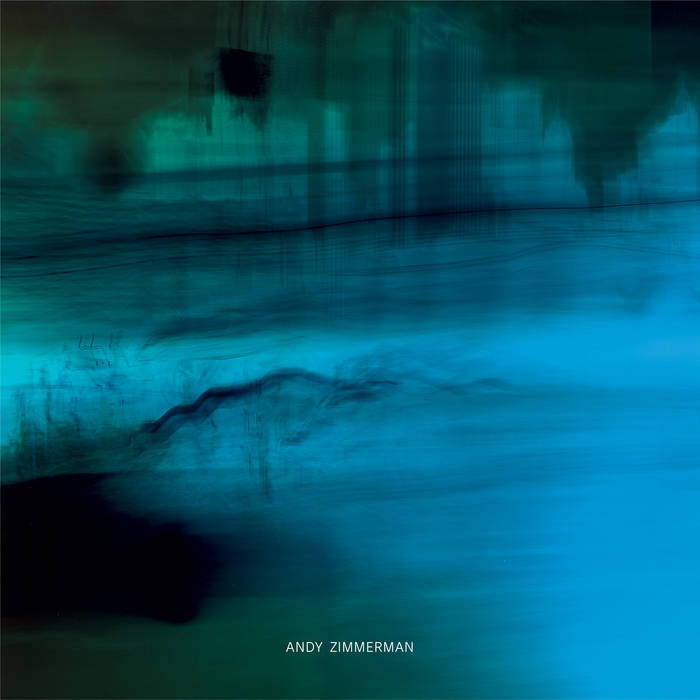
From Newvelle's Season 3 comes "Half Light", an impressive and imagistic collection of pieces created by tenor saxophonist and composer Andy Zimmerman. Based in Chicago, IL, he doesn't have a big discography but is involved in an on-going project with his father, award-winning storyteller Jack Zimmerman. The saxophonist also appears on the first Newvelle release, Frank Kimbrough's "Meantime".  His release finds him in the company of pianist Kevin Hays, bassist Matt Penman, and trumpeter Dave Douglas.  There are moments throughout the 11-song program when it feels like all four are playing melody. One rarely hears Douglas as a sideman these days but he's an excellent second "voice" in much of this music––he stands out on "Sunset and The Mockingbird" (a Duke Ellington piece from "The Queen's Suite") especially on his interactions with the leader. Although the liner notes calls these pieces "sketches", the music shines.  Zimmerman's pellucid sound has a lightness akin to alto saxophonist Paul Desmond. There are no wasted notes, no need to impress with long, technically amazing solos–the melody, the story, is all.

There are no weak moments on the album. Whether the song is a shimmering musical poem ("The Bay Area"–listen below), an aural painting ("Clearing"–watch below), celebrating a sweet melody with a Latin feel in the rhythm ("Lena's Dance"), or reimagining George Gershwin's soulful ballad ("Bess You Is My Woman Now"), Andy Zimmerman and company play with love, conviction, joy, respect, and an understanding that music can do many things for listeners including offer solace in bitter times. "Half Life" is a gem and will offer you, as it has for me, a creative respite.

For more information, go to www.andyzimmermanmusic.com. To hear more and to purchase the album, go to https://newvellerecords.bandcamp.com/album/half-light.

Here's "The Bay Area":


Watch the quartet in the studio:


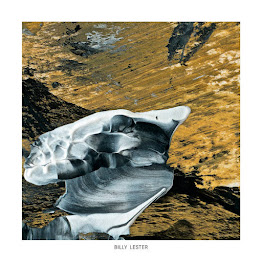
Pianist Billy Lester is not well-known in the great big music world yet that should stop from checking out "From Scratch" his album that appeared in Newvelle's Season 4. Joining him in this 14-song program are bassist Rufus Reid and drummer Matt Wilson.  The Lp version contains nine songs while the digital release adds four more songs and one alternate take.  All standards, this music is anything but standard.  The piano is front-and-center throughout while Reid offers delightful counterpoint and Wilson is the engine that can and does gleefully swing or gently strolls through the music.  Listen below to the 1917 James F, Hanley classic "Back Home In Indiana"–the piano, bass, and drums lock in from the start and never let go.  The same can be said for Jerome Kern's "Yesterdays" in that the Trio "hits it" from the onset and never lets go.

Photo: Anna Yatskevich
Lester, who studied with Sal Mosca (a Lenny Tristano disciple), has a bright sound as well as witty take on approaching on performing a tune often splintering the original melody and building his solo out of those melodic and/or rhythmic splinters. There's a dollop of Thelonious Monk on the previously unreleased "These Foolish Things" and traces of Duke Ellington in the opening minutes of the piano solo "Darn That Dream" which later has a playful stride section.  That's the joy of this music––Billy Lester can play what he wants when he wants and no two versions of any song in his repertoire can be subtly (or even not-so-subtly) changed each time he sits at a piano.  Check out "From Scratch" for a musical adventure par excellence.

For more information, go to www.billylestermusic.com. To hear more and to purchase the music, go to 

Here's the swinging "Back Home in Indiana":


Thursday, April 28, 2022

Greenleaf Spring & Australian Autumn


30-plus years into a fascinating career, one is still impressed by the music Dave Douglas composes, records, and performs.  When you think that trumpeter, educator, Greenleaf Music head, podcast host, festival coordinator, and so forth, is most comfortable in one of the various quintets he leads (or co-leads, in the case of Sound Prints), he'll record a solo trumpet album ("Hudson Solos") or work with an ensemble made up of students from Australia's Monash University ("The Dream: Monash Sessions") or record hard rock funk music for listening to during demonstrations with bassist Melvin Gibbs, guitarist Rhafiq Batia, and drummer Sim Cain ("Marching Music")––that's just in the last 24 months.

The trumpeter's new album, "Secular Psalms", is a 10-song program inspired by "The Adoration of the Mystic Lamb", painted between 1420-1432 and hung in Sgt. Bavo's Cathedral in Ghent, Belgium. Douglas initiated the project before the pandemic shut down the world, choosing a band (six members in all) from Europe and the United States; artists include Berlinde Deman (tuba, serpent, voice), Marta Warelis (piano, prepared piano, pump organ), Frederik Leroux (guitars, lute, electronics), Lander Gyselinck (drums, electronics), Tomeka Reid (cello), and the leader on trumpet and background vocals. The blend of tuba or serpent (a wooden brass instrument!) with amplified guitar, cello, trumpet, the various keyboards, and voice is fascinating.  While the music is inspired by 14th Century composers, there is a 21st Century "avant-garde" as well as 1960s-70s "prog-rock" feel (if there was a flute, this music could easily be linked to Jethro Tull (check out "Agnus Dei" and see if you agree). 


Photo: Gemma Vander Hayden
You understand you are in a different musical right from the opening seconds of "Arrival".  The trumpet melody is supported by electronic sounds, cello, and the guitar with Ms. Deman's serpent playing a quiet counterpoint.  The drone created by cello and serpent carries the piece as does the subtle drive of the drums.  "Mercy" jumps forward with the trumpet and cello on the melody––the lyrics blend Marvin Gaye's "Mercy Mercy", "Kyrie Eleison", and a short phrase penned by Douglas. Leroux's funky, raunchy, guitar solo offsets the solemnity of the lyrics as does Ms. Reid far-ranging cello work. If you listen closely to the vocals, you can hear Douglas shadowing Ms. Deman's voice.  

Photo: Johan Jacobs
If you listen closely, not only are Ms. Deman's vocals important to the sound but so are her tuba and serpent contributions (that's her on the left). Listen to how she and Ms. Reid join with Gyserlinck to create a rhythmic flow on "Instrumental Angels" and how her counterpoint enlivens "Hermits and Pilgrims".  Her soulful vocal on "If I'm In Church More Often Now", based on lyrics composed by Christine de Pasan (1364-1430?), makes the poet's sentiment contemporary as we now see many people looking for answers from their spiritual leaders in these often-scary times.  Douglas's original "Edge of Night" closes the album, the lyrics speaking to how music can heal, can serve to push us forward, all the while the drone created by the pump organ, the cello, and the lute takes on a chant-like feel.  Leroux switches to electric, joining the trumpet, cello, percussion, and serpent in accentuating the closing lyrics "Making this music, will help us to heal/ Even as the world continues to reel/ We laugh/ We dance/ We love/ We pray/ Even as we mourn."  


"Secular Psalms" is a stunning album, all the more so because all the parts were recorded remotely at different times, then edited and remixed by Tyler McDermid and Dave Douglas. The album stands out in the trumpeter's oeuvre not only because it's an amazing collection of music and performances but also because like 2012's "Be Still" and 2015's all-instrumental "Fabliaux", the songs, messages, and instrumental experimentation gives the listener deep insight into the trumpeter's inner life.  Listen and be moved!

For more information, go to https://greenleafmusic.com/out-now-secular-psalms/. To hear more and to purchase the album, go to https://davedouglas.bandcamp.com/album/secular-psalms

Listen to "We Believe":


Photo: Monika Jakubowska
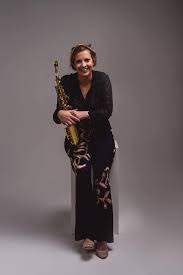
Saxophonist and composer Trish Clowes (pronounced "clues") hails from Shrewsbury, Shropshire, England. At the age of 19, she moved to London to study at the Royal Academy of Music. Seven years later (in 2010), Ms. Clowes issued her debut album "Tangent" on Basho Records––an ambitious project for sextet and, on two tracks, a full orchestra with vocalist. Two years later, not only did she release her second album as a leader ("And In the Night-Time, She Is There") which featured her touring quintet with a string quintet and guests, the saxophonist was named BBC Radio 3 New Generation Artist. The BBC commissioned Ms. Clowes to compose for their Concert Orchestra which garnered her a British Composer Award in 2015. That piece of music can be heard on her third Basho release, 2014's "Pocket Compass", her first full album with her Quintet with three tracks featuring the BBC Concert Orchestra.  Over the next few years, Ms. Clowes kept herself quite busy with many different commissions and projects including "Emulsion", a fascinating improvised music "happening" that continues to this day.

Photo: Brian Homer
In 2016, the saxophonist created MY IRIS, a quartet that features two members of her Quintet, guitarist Chris Montague and drummer James Maddren, plus pianist/ organist Ross Stanley. The bass-less ensemble's self-titled album was issued on Basho in early 2017 followed two years later by "90 Degrees Gravity" (also on Basho). The quartet was hoping to record in April of 2020 but the pandemic put that project on hold.  Ms. Clowes did self-release "MY IRIS Live!", a digital-only album through Bandcamp in 2020, a "low-fi" six-track set from an October 2019 live date.  

The group finally got into the studio at the end of August 2021 and the results of their efforts can be heard on "A View With a Room", Ms. Clowes debut for Greenleaf Music.  Still working with MY IRIS, many of the saxophonist's eight original pieces were composed during the world's lockdown. One can hear a restlessness, an urgency, in several of the songs such as the funky title track and the driving "No Idea".  The first track has such a "poppy" feel (note the bouncing piano line and dancing drums). The leader's solo is a joyful romp which leads right into pianist Stanley's spirited and playful spotlight.  Montague steps out next and he makes a more intense statement and the band picks up on that fieriness.  Ms. Clowes kicks off "No Idea" in musical conversation with drummer Maddren––notice how the piece then breaks into separate conversations (guitar with just drums before the piano reenters followed by sax, piano, drums, and quiet guitar). 

"Amber" is dedicated to Amber Bauer, CEO of Donate4Refugees, a London-based charity that Ms. Clowes works as an ambassador––if the charity's head is an energetic as this music, she'll do well.  The rhythm and main melody suggests Steely Dan (circa "Aja") and the band makes the most of the r'n'b swing of the piece. Guitarist Montague stands out on "Time", his Country-ish riffs reminiscent of Bill Frisell while there's a touch of Bruce Hornsby in Stanley's spot. The lovely ballad "Morning Song" is muted like the hour before daybreak, the handsome melody opening to a classically-inspired piano solo.  The short yet hushed tenor solo makes way for a powerful guitar statement and the set of fascinating chord changes before the close.


The program closes with "Almost". The piece opens rubato, scurrying brushes on snare, scattered piano chords, atmospheric guitar phrases, and disjointed saxophones phrase that slowly take shape into a lilting ballad. Nobody rushes but the song seems to grow more soulful as Ms. Clowes rides the guitar chords and the piano glissandos forward.  A shift in direction so that the guitarist can push the song forward and, as the intensity builds, the leader's soprano sax rises up above the rhythm section for a moment, like a colorful bird riding the thermals. Stunning, stirring, a momentary burst of pure joy.

Trish Clowes may be a new name to US audiences but do check out her music and, especially her work with MY IRIS.  "A View With a Room" feels like a musical balm, creating a sense of joy in the midst of complicated and often dangerous world––do spend time soaking in these sounds!

For more information, go to trishclowes.com/.  To hear more and to purchase the album, go to https://trishclowes-glm.bandcamp.com/album/a-view-with-a-room.

Here's the afore-mentioned "Amber":


I first became aware of Australian-born saxophonist Angela Davis back in 2013. At that time, she was studying for her Masters of Music at the University of the Arts in Philadelphia, PA.  That was also the year Ms. Davis self-released her debut album, "The Art of the Melody". Two years later, her second album, "Lady Luck", featured the saxophonist alongside pianist Dan Tepfer, bassist Linda May Han Oh (who was also on the debut album, drummer Richie Barshay, and a string quartet. Ms. Davis moved back home, to Melbourne, where she serves as a lecturer at both University of Melbourne and Monash University.  She's married to trumpeter Mat Jodrell and they have a son, Max.  Since returning home, she's released one album, "Little Did They Know", for ABC Jazz, the label of the Australian Broadcasting Corporation.

Ms. Davis's fourth album is the result of a Commission from the ABC Fresh Start Fund.  "Suite for Max" (ABC Jazz) is dedicated to her son born right before the pandemic. The five-movement, 36-minute, "Suite" features the saxophonist's "working" quartet including guitarist Stephen Magnusson, bassist Frank De Sario, and drummer Patrick Danao.  The opening "Movement" bears the influence of the Joe Lovano/ Bill Frisell/ Paul Motian trio, especially in floating rhythmic feel and Magnusson's guitar tone.  Max's father, Mat Jodrell, shows on the next track and his addition charges the album's atmosphere with Danao being more aggressive without overwhelming the music.  The leader's takes the first and most lyrical of the solos. The guitarist also creates a fine solo with his rippling phrases swooping and diving about the interactive rhythm section.
 
"Movement 4" opens like a quiet lullaby, Ms. Davis's gentle tenor leading the way. The handsome and fully-realized gives way to short solos then to the guitar and saxophone dancing around each other and landing back at the melody.  Bassist De Sario provides the counterpoint while the drummer moves from his cymbals back to a solid beat as the music draws to a close.  A tender guitar melody serves as a prologue on "Movement 5" which takes its lively feel from the engaging.  Ms. Davis's playing, at times, has a feathery feel as she was a leaf dancing on an Autumn breeze. Magnusson lets loose on his solo without jacking up his volume, making the most of the dancing rhythms of the bass and drums.   The saxophonist leads the band through a melodic coda, reminiscent of the way Keith Jarrett led his American Quartet (there's Paul Motian again) on their mid-70s albums.  

"Suite for Max" won't shake your world but that's not its purpose.  The music that Angela Davis composed for this project is the result of her watching her son begin to move, begin to claim his own space in the world, all the while wide-eyed at wonders all around.   Ms. Davis rarely plays on the fiery side; instead, she gravitates towards the melodic side of music.  Listen to this music at the break of dawn or at the close of the day; it's such pleasant company!

For more information, go to https://angeladavismusic.com/

Here is "Movement #2" from "Suite for Max":

Wednesday, May 5, 2021

Inner & Outer Spaces

Two delightful new albums both influenced by the adventurous soundscapes of Wayne Shorter.

Photo: Geoff Countryman
Joe Lovano (tenor saxophone) and Dave Douglas (trumpet) created their co-led quintet Sound Prints in 2011 to celebrate the musical and artistic contributions of Wayne Shorter.  Both were members of the SFJazz Collective when that ensemble celebrated Mr. Shorter's music for its 2008 season.  Douglas's 1997 Arabesque album "Stargazer" was the trumpeter's first dedication to the saxophonist/ composer on record –– while the album only featured three songs by Mr. Shorter, the majority of Douglas's original pieces illustrate how he took the influences and adapted them without mimicking one of his musical mentor.

"Other Worlds" (Greenleaf Music) is the third album by Sound Prints and the first to feature all compositions by Lovano or Douglas.  The rhythm section supporting the two leaders remains the same: pianist Lawrence Fields, bassist Linda May Han Oh, and drummer Joey Baron. The band went into the studio a day after finishing a week-long run at The Village Vanguard in New York City; those gigs took place in January of 2020, six weeks before the club, the city, and the world closed down.  The familiarity with the material makes this 70-minute program move organically forward with exquisite playing from all involved. You can hear the influence of both Mr. Shorter and of Miles Davis's classic quintet of the the mid-1960s on Lovano's "Life on Earth", especially in the piano support and Baron's driving drums a la Tony Williams.   Lovano's "Sky Miles" is less a tribute to the trumpeter as it is a hard-driving, hard bop tune in which the band plays with the tempo, speeding up and slowing down which, at times, is dizzying.  Listen to the rhythm section during the solos as there are moments when the pianist, bassist, and drummer are each going in different directions and other times when all five musicians are in sync. 

Photo: Merrick Winter
Overall, this music should not surprise fans of the two leaders. Neither one is afraid of showing their influences or for pushing into areas in which both the musicians and the listeners are challenged.  And this band can swing. Fields's piano support on "Pythagoras" allows the soloists to soar and Baron to explore.  On that track, the pianist and drummer offer support in the style of Jimmy Garrison and McCoy Tyner in John Coltrane's Quartet. "Antiquity to Outer Space" (composed by Douglas) could be a title of a Sun Ra album but here is a multi-sectioned that opens up to allow each musician to express him- or her- self. Fields, who has worked with Lovano and Christian Scott aTunde Dejuah, sparkles throughout the album and, especially, on this track.  The two duets –– Douglas with Ms. May Han Oh and Lovano with Baron –– are quite inventive.  The trumpeter's handsome ballad, "The Transcendentalists", contains a handsome melody as well as strong solo statements from Lovano and Douglas (muted trumpet) as well as Fields (why doesn't he have an album out under his own name?) 

"Other Worlds" is an album well worth exploring! Joe Lovano & Dave Douglas Sound Prints is a group one needs to hear and (soon, one hopes) to see.  Yes, they play "in the tradition" but it's a very big, very wide, "tradition", a universe still ripe for traversing!

For more information, go to https://greenleafmusic.com/artists/soundprints/other-worlds/. To hear more and to purchase the album, go to https://soundprints.bandcamp.com/album/other-worlds


Photo: Anna Yatskevich
Trumpeter and composer Alex Sipiagin has been quite a busy musicians since moving to New York City from his native Russia in 1990. He's played in numerous ensembles, ranging from the Mingus Big Band & Orchestra to the Gil Evans Orchestra, to several groups led by bassist Dave Holland to Dave Sanborn to Michael Brecker to Elvis Costello and many others. Sipiagin has taught at New York University with residencies in both Amsterdam and Basel, Switzerland.  His discography includes 11 albums on Criss Cross Jazz plus recordings on SunnySide Records, TCB-The Sound of Montreux, 5Passion, and others. His new album, "Upstream" (his debut as a leader on Posi-Tone Records), serves as a farewell to the United States as, since the October 2020 recording, the trumpeter and his wife have spent time in Singapore and have plans to settle in Northern Italy

The new album is the latest in Posi-Tone Marc Free's "pandemic" recordings.  With the "house" rhythm section composed of Art Hirahara (piano, Fender Rhodes), Boris Kozlov (acoustic and electric basses), and Rudy Royston (drums) (the same trio recorded on Alexa Tarantino's "Firefly" and Behn Gillece's "Still Doing Our Thing", the two Posi-Tone releases before this one), Sipiagin's trumpet powers and sings its way through  the nine-song program.  The leader composed five of the tracks, two are from bassist (and fellow Russian) Kozlov, plus one each from pianist Hirahara and a lovely reading ofWayne Shorter's "Miyako".  That last piece listed, a gentle ballad first played by the composer on his 1969 Blue Note release "Schizophrenia", spotlights Sipiagin's fine flugelhorn work.  The leader composed "Rain", another flugelhorn ballad, as he was waiting for his wife to be released from the hospital. Perhaps that is why the music sounds so emotionally strong as well as wistful.  Pianist Hirahara contributed album's other splendid ballad; "Echo Canyon" moves forward on a rising melody lines with supple flugelhorn pushed forward by Royston's active but respectful drums. The composer's powerful solo energizes Sipiagin, whose soaring solo is punctuated by the drummer's press rolls and splashing cymbals.

Photo: Anna Yatskevich
Throughout the recording, Rudy Royston plays like he's been released from solitary confinement  The album's opening track, "Call", may initially remind you of one of Wayne Shorter's open-ended pieces but the fire rising up from the drummer sets this piece apart.  Listen how Kozlov and Royston set a torrid pace that really pushes both the trumpeter and pianist to respond emphatically.  Later in the program, "SipaTham" (the title combines the composer's name with that of his wife Melissa Tham) is a response to the pandemic and how the world outside the couple's home is changing rapidly.  The give-and-take of the trumpet and piano, powered by the rhythm section, stands out.  The bassist's funky "Magic Square", was first played by Sipiagin and Kozlov when both were in school in Moscow in the 1980s.  The electric bass and the powerful drumming has the feel of Chick Corea's electric Return to Forever and Lennie White's dynamic power.  How Royston's explosive drumming did not blow the mute out of the trumpet I'm not sure, but the drum solo just might shake the speakers off the wall!

The title track closes the album on a high.  After Hirahara'a Fender Rhodes intro, the song flies forward on the strength of the drums and Kozlov's thunderous electric bass.  The piece features solos by the leader, Hirahara, and Royston whose brash solo sounds as if he's trying to chase away the pandemic with his hands and feet!  "Upstream" has plenty of power and beauty in its 55 minutes. Alex Sipiagin has made numerous albums with great rhythm sections (Kozlov appears on several as do drummers Antonio Sanchez, Eric Harland, Jeff "Tain" Watts, and Johnathan Blake) –– this recording is among the best!  

To learn more about the trumpeter, go to www.alexsipiagin.com/ (needs to be updated).  

Click here to hear "Sight":


Friday, December 25, 2020

Twenty Recordings for 2020 (Pt. 2)

There was a lot of very good-to-excellent music to listen to and write about this year; so much so, that I'll play catch-up through January 2021. Here's the rest of the recordings (in no particular order) I believe made this year so much better.

Brian Asher – "Brian Asher's Skrontch Music" - (Sinking City Records) – Even though this large ensemble album was issued in October of 2019, I did not create a review until late January of 2020. Asher has created a fascinating recording illuminating how the Black music that grew up in New Orleans permeates much of what we listen to.  The 5-song "suite", created for a 10-piece ensemble, combines the issues of anti-Jim Crow activism with the growth of jazz from the turn of the 20th Century forward.  Considering the craziness of this year, the music is hardly dated but right on target.  
For more information, go to www.brianasher.com.  Go to https://byronasher.bandcamp.com/album/byron-ashers-skrontch-music to hear more and purchase the album. 

Rudy Royston – "PaNOptic" - (Greenleaf Music) – Mr. Royston is one of the finest drummers playing at this time.  He is the supersonic engine beneath numerous Posi-Tone Records recording sessions yet can play gently and melodically when working with people such as Bill Frisell and Dave Douglas.  When the pandemic hit, the drummer decided to release these solo tracks he made several years before.  It's a percussive "autobiography" with Mr. Roystron paying tribute to the blues, to influences Max Roach and Elvin Jones, Herbie Hancock, Prince, and Jack DeJohnette, to dancing and more.  100% of the proceeds from the sale of the album goers to the Music Cares COVID-19 Musicians Fund.  To listen to and purchase this splendid project, go to
And, here's a video:


Jorge Roeder – "El Suelo Mio" - (Self-released) - Bassist Roeder, who has regular gigs with guitarist Julian Lage as well as trombonist Ryan Keberle's Catharsis, created this musical gem before the pandemic struck yet it's a perfect example of an artist making creative statements on an instrument that often is overlooked for its versatility. Like a snifter of Cognac, aged single-malt Scotch, or vintage Port, this is music to be savored in the quiet moments of the day, early morning and late evening.  Thoughtful, melodic, soulful, exciting and more, this music shines!  For more information, go to www.jorgeroeder.com. To hear more and purchase, go to https://jorgeroeder.bandcamp.com/album/el-suelo-mio.  Take a look:


The Dayna Stephens Quartet – "Right Now! Live at The Village Vanguard "- (Contagious Music) - Listening to this album for the first time five months into the pandemic made me long for live venues and for groups such as this who are musical explorers. Stephens (saxophones, EWI), joined here by Aaron Parks (piano), Ben Street (bass), and Gregory Hutchinson (drums), dances, swings, and sings his way through pieces from throughout his expanding catalogue.  What a treat!  Stephens work on the EWI has always been fascinating and the two tracks on this 2-CD set are excellent. To find out more, go to www.daynastephens.net.  To hear more and purchase, go to

(Honorable mention––Dayna Stephens Trio "Liberty" (Contagious Music),  

Here's a piece from the Quartet:


Chris Dingman – "Embrace" & "Peace" - (Inner-Arts.org) - Vibraphonist Dingman issued two projects this year, "Embrace", a trio recording with bassist Linda May Han Oh and drummer Tim Keipers plus the solo project "Peace" that he created for his father during his time in hospice.  Both albums are infused with melodic invention, with hypnotic sounds, and with love. The trio disk is mesmerizing yet has moments of great excitement.  "Peace" is a five-CD, nearly five hour project that is concerned with soothing and healing the body and mind. "Beautiful" is the word that comes to mind when this music is playing––it's not about technique or flash but all about how one person can help others when they are vulnerable, ailing, and in the last days of their life.  For more information, go to  https://chrisdingman.bandcamp.com/

Here's a trio track:


Kurt Elling with Danilo Perez – "Secrets are The Best Stories" - (Edition Records) - Elling's debut for the British-based Edition Records is a fascinating reminder just how wide-ranging his creative mind can be. Teamed up with pianist Danilo Pérez, the material combines jazz compositions that the vocalist adds his poetry to. Social conscious works sit comfortably next to tributes to Toni Morrison and Robert Bly. Percussionist Rogerio Boccato is on the majority and there are appearances by bassist Clark Sommers, drummer Johnathan Blake, and alto saxophonist Miguel Zenón but the work of Elling and Perez is exemplary––this music gets better and deeper with each listen.  For more information and to purchase the album, go to https://kurtelling.bandcamp.com/album/secrets-are-the-best-stories.  

Here's the video for powerful "Song of the Rio Grande":


Dave Douglas – "Dizzy Atmosphere: Dizzy Gillespie at Zero Gravity" - (Greenleaf Music) - There are few people busier in the music world than Dave Douglas. The trumpeter-composer runs Greenleaf Music, hosts a monthly podcast, seems to be composing all the time, and teaches as well. 2020 saw three releases, tow initially for Greenleaf Music subscribers only, and this delight-filled tribute to John Birks "Dizzy" Gillespie.  Joining him are Dave Adewumi (trumpet), Matthew Stevens (guitar), Fabian Almazan (piano), Carmen Rothwell (bass), and Joey Baron (drums).  While only two of the nine pieces are Gillespie compositions, one can hear the Master's influence throughout the album.  To find out more and to purchase the recording, go to 

(Honorable mention:  Dave Douglas – "Overcome" (Greenleaf Music) – This six-song album, released in December, was recorded "in quarantine" with each musician adding his or her part to the "blueprint" tracks that the trumpeter sent. What a lineup––Fay Victor and Camila Meza (vocals), Jorge Roeder (bass), Ryan Keberle (trombone), and Rudy Royston (drums)––playing music that ranges from "protest" songs to "prayers" to "free improvisation." The recording is now available at  https://davedouglas.bandcamp.com/album/overcome.  Check it out!)


Orrin Evans and The Captain Black Big Band – "The Intangible Between" - (Smoke Sessions Records) – Pianist, composer, and sometime arranger Evans has managed to keep this large ensemble going for nearly a decade. For this album, it's more of large-ish band, down to nine members from its usual 16-18.  But, as always, these pieces are noisy, raucous, emotionally powerful, and chock-full of excellent soloists.  There's Monk ("Off Minor"), there's gospel ("This Little Light of Mine"), a tribute to Roy Hargrove (the late trumpeter's "Into Dawn"), and a statement of power and against police brutality in these uncertain time ("Tough Love", music by Andrew Hill plus several poems).  This music sounds better the more you listen!  For more information, go to https://smokesessionsrecords.com/shop/albums/the-intangible-between-feat-the-captain-black-big-band/.

Take a listen:


Raphaël Pannier Quartet – "Faune" - (French Paradox) - As debut albums go, this effort from French drummer and composer Pannier. Now based in New York City, Pannier enlisted Miguel Zenón as "music director", co-producer, and alto saxophonist for these sessions. From the opening moment of Ornette Coleman's "Lonely Woman", the music is exciting, exploratory, and interactive.   Besides the drummer and saxophonist, the ensemble includes François Moutin (bass) and Aaron Goldberg (piano); there are also two "classical" pieces, one composed by Olivier Messiaen, the other by Maurice Ravel, both featuring pianist Giorgi Mikadze.  Great playing all around as well as inventive arrangements!  To hear more and to purchase this delightful album, go to https://raphaelpannier.bandcamp.com/album/faune

Check out the classic Coleman piece:


The Awakening Orchestra – "vol. II: to call her to a higher plain" - (Biophilia Records) – The long-awaited sequel to 2014's "vol. I", this album, composed (most of it), arranged, and conducted by Kyle Saulnier for this 18-member (plus guests) ensemble, continues in the vein of the earlier album in that there is a strain of "protest music" running through these works.  The program includes two four-part "suites" plus rearrangements of songs by Nine Inch Nails, Nick Drake's mother, Bill Frisell (in the style of the Liberation Music Orchestra), and choral composer Eric Whitacre. The four-part title track features the powerful violin of the composer's wife Brooke Quiggins. The album, nearly two hours in length, is quite impressive for the intricate arrangements, often-stunning musicianship, and the breadth of the compositions.  To find out more about this orchestra and its creator, go to www.awakeningorchestra.com/.  To listen to and purchase the digital-only album, go to https://awakeningorchestra.bandcamp.com/album/volume-ii-to-call-her-to-a-higher-plain

Give a listen:


This year's most wonderful "Historical Release" comes, no surprise here, from Resonance Records. "Sonny Rollins: Rollins in Holland" is a combination of tracks from three different sessions, one for a radio program and two in concert. Mr. Rollins met his rhythm section––bassist Ruud Jacobs and drummer Han Bennink–moments after stepping off the plane.  Sound quality ranges from very good to okay but the music shines nonetheless.  On the longer tracks, the great tenor master rarely comes up for an extended breather.  Kudos to the rhythm section as they really spurred Mr. Rollins on to such inspired playing.  For more information, go to https://resonancerecords.org/product/sonny-rollins-rollins-in-holland/.  Be sure to check out the mini-documentary!

Actually, it was quite impossible to stop after 20 (my list, including reissues and "historical releases", comes closer to 44) but, as I wrote at the top, over the next month I will attempt to catch up with 2020 releases that are well worth your attention.  

Have a Happy, Healthy, and Safe New Year!  Thanks for reading!


Monday, April 20, 2020

Trumpet Stories Based on History (Distant Past & Recent)

Dave Douglas goes from strength to strength. The trumpeter, composer, label owner, podcast host (he's an excellent interviewer), and social activist, is a musical adventurer. He writes and records with numerous musicians, rarely releasing more than two or three albums with the same lineup. This allows him so much creativity, to have different voices and instruments interpret his music.  His "sound" is crisp, reminiscent of the "cleaner, clearer" styles of Clifford Brown and Booker Little.

His newest adventure is "Dizzy Atmosphere" (Greenleaf Music) Inspired by John Birks "Dizzy" Gillespie, Douglas went into the studio with long-time associate Joey Baron (drums) plus four younger musicians including Fabian Almazan (piano), Matt Stevens (guitar), Carmen Rothwell (bass), and Dave Adewumi (trumpet). The program, seven Douglas originals and two Gillespie-penned gems, reminds one of the trumpeter's other tribute albums including 1990's "In Our Soul" (Mary Lou Williams), 1995's "In Our Lifetime" (Booker Little), and 1997's "Stargazer" (Wayne Shorter) –– each album included several songs by the artist plus a majority of Douglas compositions.  You can find the first and third albums by going to davedouglas.bandcamp.com and the second at www.newworldrecords.org/products/dave-douglas-in-our-lifetime.

Piet Mondrian (MOMA)
The album opens with "Mondrian", named for the Dutch painter Piet Mondrian (1872-1944) who moved to New York City in 1938, spending the final six years of his life and career influenced by the sights and sounds of the city. The painting on the left, "Broadway Boogie-Woogie"captures the hustle-and-bustle of the wartime years.  Douglas's music moves in a powerful, if a bit, anxious manner building up from Almazan's left and Ms. Rothwell's foundational lines.   Gillespie was in the City at that time as well and this music captures his youthful vigor and sense of exploration. The second track offers a play on words: "Con Almazan" refers back to "Con Alma".  The Douglas variation features an excellent give-and-take for the two trumpets, a powerful guitar statement, a majestic piano solo, and adventurous work from the bassist and drummer.

 The two Gillespie pieces are right in the middle of the program.  "Manteca" (credited to Gillespie, Gil Fuller, and Chano Pozo) has an irresistible bounce, playful interactions between trumpets, guitars and piano, plus delightful solos from Douglas and Adewumi riding atop the groove.  "Pickin' The Cabbage" is purportedly Dizzys first published piece; recorded in 1940 by Cab Calloway's Orchestra , the ensemble where you could find the composer in the trumpet section at the time. It's a funky blues and, again, the two trumpeters have a great time playing off each other.  Ms. Rothwell and Baron provide quite a deep bottom plus the drummer gets a rousing solo.

Photo: Lawrence Sumulong
The three ballads on the program stand out as well. "See Me Now" finds the sextet moving slowly through the melody with the composer's muted trumpet in the lead. Note the melodicism of the piano in contrast to the quiet moaning of the guitar. The two trumpets open "Pacific" (the title may refer to how "peaceful" the music is) before Almazan moves gently, in an introspective manner, through the melody. The trumpets and guitar take over  moving contrapuntally through the next few minutes. Listening to Adewumi and Douglas playing in and around each other along with the waves of notes from the piano is a reminder that music can soften the blow of everyday life by challenging us to listen creatively.  The album closes with "We Pray", a handsome piece with a sweet trumpet melody, another fine piano solo, and excellent brush work from Baron. This piece as well as "Pacific" also appear on 2019's "Devotion", Douglas's album with Uri Caine and Andrew Cyrille.

Photo: Yousuf Karsh
"Dizzy Atmosphere" bears the subtitle "Dizzy Gillespie at Zero Gravity", an apt title as older generations of musicians probably felt that Mr. Gillespie's entry on the music scene was an alien invasion. Yet, the title also reminds us that his music turned a lot of ears, his joie-de-vivre, his mentorship, his endless curiosity, and crackling trumpet sound changed our world for the better.  Dave Douglas taps into that wellspring of creativity and curiosity, fashioning sounds that serves as a reminder that creative music has often moved forward by looking back and digging deeper.

For more information, go to greenleafmusic.com and/ or davedouglas.com. The album will be released on May 1, 2020 –– go to davedouglas.bandcamp.com/album/dizzy-atmosphere for purchase information.

Here's one of the two Dizzy tunes on the album:


Trumpeter, composer, and educator Ian Carey, born in Binghampton, NY, has lived-in the San Francisco Bay Area for the past two decades after studying in various places including in New York City (he attended the New School) where one of his teachers was Maria Schneider.  Carey is also a fine writer with occasional blog posts that are fun and educational (check an example out here).  He leads the Quintet + 1, an ensemble that has the same rhythm section since his 2006 5-piece group debut; pianist (acoustic and electric) Adam Schulman, bassist Fred Randolph, and the dynamic drummer Jon Arkin.  Saxophonist and flutist Evan Francis appears on the first three recordings with tenor saxophonist Kasey Knudsen becoming the + 1 on the third –– bass clarinetist Sheldon Brown replaced Francis for the fourth recording, 2016's "Interview Music".

The lineup remains the same for Carey's fifth release, "Fire In My Head (The Anxiety Suite)", his debut for Slow & Steady Records (the first four were released by the trumpeter's Kabocha Records). The "Suite" is comprised of five sections, each with individual themes yet connected to the whole in many ways.  Carey is a democratic leader, making sure everyone is heard, has their moments in the spotlight, but it's his way with arranging the pieces that truly stand out.  Listen below to "II: This Is Fine"; note how the brass and reeds share the melody, echoing each other, coming together then pushing apart, in and out, back and forth, while the rhythm section pushes the piece forward with abandon.  Schulman's solo is a hard-bop, single-note, romp followed by the leader's intense statement before bassist Randolph steps out.

Carey composed this music in the aftermath of the 2016 U.S. Presidential election. In the album liner notes, he admits to struggling with anxiety throughout his life and that the issue was heightened by the events leading up to Election Day and its aftermath.  While there is a nervous undercurrent to this music, there is also a creative guide to surviving these times. "III: Thought Spirals" is an intelligently constructed piece that leaves room for through-writing, tempo changes, group interplay, solos, and even a short section for a trumpet and reeds sans accompaniment.  The "glue" on this track is Schulman's hypnotic Fender Rhodes drone that permeates the piece.

On earlier recordings, one could clearly hear Carey's influences from both the classical and jazz world.  Those have been folded into the mix plus the fact that the trumpeter had multiple opportunities to work with this group of musicians performing and refining the program gives the music a freshness.  Each voice is clearly delineated yet there is also a clear group "sound." "Fire In My Head (The Anxiety Suite)" was recorded before but is being released during the current global pandemic.  There are times when the density of the sound verges on overwhelming but there is also an undercurrent of hope in the "Suite".  Perhaps, that's because the final track, "V: Resistance", speaks to our ability to rise above the foolishness and. childish behavior of certain officials and do what's right for ourselves, our children, our community, and, inevitability, our country. Sheldon Brown's powerful solo on that track stands out as an expression of freedom.

"Fire In My Head (The Anxiety Suite)" is powerful music made all the more relevant in our current situation. This music will resonate long after the blows from the Coronavirus have been absorbed and (hopefully) eliminated.  The Ian Carey Quintet + 1 has thrown down the gauntlet; listener, start healing your self through creativity, confrontation, and reflection.

For more information, go to iancareyjazz.com –– for purchase information, go to iancarey.bandcamp.com/album/fire-in-my-head-the-anxiety-suite.

Here's the second movement a.k.a . "This Is Fine":


Trumpeter and composer Ben Holmes, a native of Ithaca, NY, now lives in Brooklyn, NY.  He's studied Jewish Music, in particular Jewish music of the 20th Century with the emphasis on popular musicians such as clarinetist Dave Tarras plus trumpeters Ziggy Elman and Mannie Klein.  Holmes has co-led the Tarras Band with clarinetist Michael Winograd, co-leads a duo with accordionist Patrick Farrell and played with Vampire Weekend as well as Slavic Soul Party. As a leader, he's recorded a Trio album in 2012 and Quartet album (for Skirl Records) in 2015.

In 2019, Holmes appeared as part of a larger ensemble on Michael Winograd's "Kosher Style", one of the best klezmer albums of the past few years.  Now, he's released "Naked Lore" (Svejk Music/ Chant Records), a nine-song program of originals based on classic Jewish and Klezmer melodies. Joining the trumpeter is Brad Shepik (acoustic and electric guitars) and Shane Shanahan (percussion) –– the makeup of the band will remind close listeners of Dave Douglas's Tiny Bell Trio, an ensemble that Sheik played with as well.  But the music here has more of Middle-Eastern and Iberian Peninsula feel, with the hand percussion.  The Portuguese guitar adds a Mediterranean feel to "Swamplands Chusidl" but the funky rhythm Shanahan creates places the listener in Brooklyn. Holmes gets such a clear tone from his trumpet, a classical sound, yet the music does not feel stilted in any manner.

Pieces such as "The Sunbeast Emerges" (listener below), "Interlude on Avenue J", and "Two "Oh No!"s and an "Oh!", no "No!" have an urgency that jumps out of the speaker. Shanahan creates an insistence that pulls the trumpet and guitar, especially during Shepik's solo on the last track listed. "Interlude..." features more percussive excitement as the guitar and trumpet create a circular melody that is quite alluring.  "Invocation II/ The Dust of Unremembering" opens with a stunning solo trumpet statement that runs nearly three minutes. The second half of the six minute opens with Shepik playing a hypnotic guitar figure while Shanahan wails away on the frame drum. When Holmes reenters, he's playing muted trumpet and the music takes on an air of mystery.

YouTube
The final two tracks include the soothing then raucous "First We Were Sad; Then We Danced" and the lovely medium-tempo "All Together".  "First..." tells you all you need to know right in the title while "All..." also starts slowly then picks up on the strength of the rollicking percussion.

"Naked Lore" should be considered one as of the albums involved in the "changing of the guard" in contemporary Jewish music. Listeners who love music well-played as well as challenging can find a home here in these melodies and rhythms. Ben Holmes is an exciting trumpeter, an excellent musician whose has found his soul in this music and makes you see and hear it as well.

For more information, go to www.ben-holmes.com. To purchase the music, go to benholmes.bandcamp.com/album/naked-lore.

Here's a taste of "The Sunbeast Emerges":