Showing posts with label Rudresh Mahanthappa. Show all posts

Tuesday, February 8, 2022

Short, Sweet, & Hot!

When I first started collecting 45 rpm "singles" back in the 1960s, every once in a while, one of my favorite artists would drop a four-song 45. Those packages were extremely popular in Great Britain. Nowadays, the "industry" still insists calling a CD with 3, 4. or 5 cuts, an "EP" –– go figure!

Photo: David Crow
Saxophonist, composer, and educator Rudresh Mahanthappa first organized the Hero Trio with bassist François Moutin and drummer Rudy Royston in 2019 with their debut CD released in June of 2020 by Whirlwind Recordings. Needless to say, the pandemic put an end to the Trio's tour plan for that year and, as it turns out, the next year as well.  Undeterred, Mahanthappa brought the rhythm section into the studio in November of 2021 and they laid the tracks for their next release, an EP titled "Animal Crossing". Like the debut, the material comes from myriad sources –– in this instance, the four tracks include pieces by Pat Metheny, Chuck Mangione, George Michael, and Kazumi Totaka. Who is Kazumi Tokata?  He's the composer of the recording's title track which is the theme for a popular video game that the leader's young children have played a lot since the beginning of the pandemic. 

If you know the band's debut recording, you understand this is a band that loves to hit hard, loves to push each other, and to have great fun. The title track leaps out of the speakers but, to the song's credit and the band's sensitivities, they don't mess with the "sweet" video game melody.  When they get to Mahanthappa's solo, the music takes off. Moutin's powerful and melodic bass lines, often in counterpoint to the saxophonist's phrases, plus Royston's frenetic dancing all around his kit is a real treat. The trio tears into Metheny's "Missouri Uncompromised" (from the guitarist's debut ECM album "Bright Size Life") –– they don't ignore the handsome melody yet it's such a treat to hear what the rhythm section does throughout the piece.  Mangione's "Give It All You Got" (from the flugelhornist's 1980 "Fun and Games" Lp), is rearranged from its original "funky" take and has more of a ballad feel.  Excellent solos from the leader and the bassist stand out.  

Photo: David Crow
The final track is a rapid-fire, wild ride, through George Michael's "Faith".  While Mahanthappa plays the melody, listen below to what Moutin and Royston are doing.  The bassist plays very quickly yet maintains his melodic counterpoint while Royston brings the "thunder".  The shortest piece of the four at 4:29, the music still amazes for the trio's ability to be so powerful and still respect the melody.

"Animal Crossing", the EP, is a blast.  The Rudresh Mahanthappa Hero Trio certainly can fly but also knows how to glide.  When the world reopens, make sure to go see them (they're touring in Europe in March).  Their music just might save the world!

For more information, go to www.rudreshm.com/.  To listen to and to purchase the music, go to https://rudreshmahanthappa-whirlwind.bandcamp.com/album/animal-crossing-ep

Have some "Faith":

Sunday, June 14, 2020

Many Stories of the Past & Present

Pianist and composer Denny Zeitlin has been playing music all his life and professionally for the better part of six decades.  The 82-year old native of Chicago, IL, has lived on the West Coast since 1964 when he moved to study at University of California/ San Francisco and do his internship – yes, Dr. Zeitlin is also a clinical Professor of Psychiatry and also has a private practice. He's scored movies (the 1978 remake of "Invasion of the Body Snatchers"), developed an interest in synthesizers and electronic music, and, while he does not tour much these days, he's maintained his current trio of Buster Williams (bass) and Matt Wilson (drums) since 2001. When you listen to them play, it's easy to hear why the association has lasted over the years – Dr. Zeitlin is a pianist with great facility, loves melody, and creates long, flowing, solos that are poetic and powerful whereas the rhythm section is just as musical and exploratory as its leader. One just knows they never play a song the same way twice.

"Denny Zeitlin: Live at Mezzrow" (Sunnyside Records) was recorded in May 2019 when the good Doctor was back East, a rare occurrence these days.  The nine-song program stretches out over 72 minutes, a collection of seven standards and two originals, and there's not a dull moment throughout. By this time of his career, one knows what to expect from a Denny Zeitlin performance and album; impeccable musicianship, intelligent choice of repertoire, and the delight of interacting with his fellow musicians.  Even his "electronic" duos with drummer/ percussionist George Marsh have those same qualities.  Mr. Williams and Mr. Wilson both come to these performances armed with their love of melody, joy of improvising, and in creating musical conversations with Dr. Zeitlin that are emotionally rich and musically powerful.

As I wrote above, one knows what to expect from this Trio yet we always listen because these albums are creative music at its best. Denny Zeitlin never cheats the listener, never relies on cliches or drastic rearrangements or deconstructions. His career-long adherence to playing the melody then taking those notes and chords so the audience can hear them grow as he (and, in many cases, his cohorts) explores all facets of the song is what the true fan revels in.  The finest pianists do that. People such as Fred Hersch, Geri Allen, Vijay Iyer, Keith Jarrett on back to Thelonious Monk, Bud Powell, Art Tatum, Fats Waller, and Earl Hines always keep or kept digging throughout each song and each performance.  Sit back, listen, and luxuriate in the splendid "Live at Mezzrow".

For more information, go to www.dennyzeitlin.com. To purchase the album, go to https://dennyzeitlin.bandcamp.com/album/live-at-mezzrow.

Here's a piece from the pen of Billy Strayhorn:


Photo: Heather Sten
Vocalist and composer Sara Serpa creates music that is intimate, personal, and exploratory, reaching into the listener's heart and mind to create a connection.  Her partnership with pianist Ran Blake has been an ongoing investigation of standards (with a mix of improvisatory magic) while her work with husband André Matos (guitar) has been a splendid mix of folk material and often gentle sonic explorations.  Ms. Serpa often uses her voice as another instrument in the mix, her wordless vocals evoking emotions that words cannot explain.  One of her more intriguing collaborations is her work with the vocalist quartet Mycale who perform music created by John Zora. She's part of the four-person a capella ensemble (along with Ayelet Rose Gottlieb, Sofia Rei, and Malika Zarra) for its second Tzadik release "Gomory: The Book of Angels Vol. 25" (2015).

For her debut on Biophilia Records, "Recognition", Ms. Serpa created a multi-media presentation based around the family movies her father took when he worked in the Portuguese territory of Angola. The music not only serves as her soundtrack to the silent films – when you purchase the album (see below) you receive a link to the presentation – but also tells the story of European colonialism  in its dying days. Images of planes dropping bombs (open practice runs, one believes), armies marching down the Main thoroughfare with the jarring juxtaposition of Caucasian Generals and Majors leading their troops (nearly all dark-skinned Africans and their cartoon-like white gloves) are manipulated by Ms. Serpa to create a dream-like atmosphere.

Photo: Carlos Ramos
Performing the music is a formidable trio; Zeena Parkins (harp, tuning forks), Mark Turner (tenor saxophone), and David Virelles (piano).  With Ms. Serpa's often over-dubbed wordless vocals, the music holds a mystery all its own. The composition are not in the head-solo-head mode; instead, the quartet creates a mood for each piece. For instance, insistent repeated melodic fragments roil beneath and besides the voices on "Free Labour" giving the piece the feel of a Steve Reich piece. "Beautiful Gardens" uses the words of José Luandino Vieira, an Angolan novelist, from his 1961 novel "A Vida Verdadeira de Domingos Xavier (The Real Life of Domingos Xavier)", with a story line that speaks to the cruelty of the police towards the Black Angolans.  The section that one hears tells about the difference between conditions of the native laborers, the White workers, and the management.  It's not a pretty and the music does not pretend to make it sound better.

"Queen Nzinga" tells quite another story.  The piece, adapted from an excerpt of "Njinga of Angola – Africa's Warrior Queen" (2017), a book by Linda Heywood, celebrates the life of the 17th Century Queen, leader of the Mbundu people, who defied Portuguese rule by opposing slavery throughout her 37-year reign, even leading her people into battle.  After you listen to the story, go back and listen to the brilliant music the trio creates (it's a group improvisation as the other track discussed above), an important role in helping to tell the story.

Add caption
The mixture of the voices on "Absolute Confidence" blends with the crashing piano chords and plucked harp notes while Turner serves as a counterpoint to the singer. There's a classical feel to the intertwine lines from piano, sax, and voice on "Propaganda" and, as the piece moved forward, Virelles steps away and into a solo filled with rippling phrases. The album closes with "Unity and Struggle" with words from from Amílcar Cabral, an agricultural engineer, poet, essayist, and an anti-colonial leader who was assassinated in 1973.  The accompanying music is fascinating as Ms.Serpa creates the melody from reciting Cabral's forceful words. Turner shadows the voice here as well while Ms. Parkins has her own melody line and a short solo.  Turner and Virelles then trade with harpist as the piece and album fade don.

If you are someone who enjoys the voice and music of Sara Serpa, "Recognition" might seem a bit stark and shocking first time through.  Go back, listen to how the voice, the words, the music, all these elements together tell a story of slavery, subjugation, tradition, transition, and more.  Disturbing story and music? Yes. Do artists still need to tell these stories?  Yes.  Do you need to listen? Now more than ever.

For more information, go to www.saraserpa.com.  To purchase the album, go to https://saraserpa.bandcamp.com/album/recognition-2.

Here's one of the fascinating tracks:


Photo: David Crow
Rudresh Mahanthappa, alto saxophonist, composer, and educator, not only possesses great technique but also quite a curious mind. Over the course of his career (now spanning nearly a quarter of a century), he has worked with artists such as Vijay Iyer, Jack DeJohnette, Bunky Green, Steve Lehman, Danilo Pérez,and many others. He's led or co-led numerous sized-ensembles with forays in Carnatic Music, fusion, and through-composed music. He also has a sweet tone, can easily and rapidly move through into his instrument's higher ranges; there are times on his recordings when his saxophone sounds straddle the worlds of jazz and South Indian music.

His latest musical adventure, "Hero Trio" (Whirlwind Recordings), is a loving and often hard-driving tribute to his musical inspirations. With the high-energy rhythm section of bassist François Moutin (bass) and Rudy Royston (drums), Mahanthappa dances, dips, dives, roars, and purrs through a program that differs from anything he's done before – he did not compose any of the music.  Nevertheless, the trio tackle music by Charlie Parker, John Coltrane, Ornette Coleman, Stevie Wonder, Keith Jarrett, Ira Gershwin-Vernon Duke ("I Can't Get Started"), Gene de Paul ("I'll Remember April"), and Johnny Cash.  Yes, Johnny Cash! The Trio dances through "Ring of Fire" (a tune that June Carter Cash and Merle Kilgore and was first recorded by June's sister Anita in 1962 and was a big hit for June's husband Johnny the following year), paying tribute to the original tempo in the beginning and continually toy with it throughout.  Moutin never loses the groove and Mahanthappa dances atop it with glee.

Photo: David Crow
There is plenty of joy in this music. From the rumbling volcano of Parker's "Red Cross" (listen below) to the trio's dancing take of Bird's "Barbados" which is paired with Coltrane's "26-2" to Jarrett's romping "The Windup" (notice that Moutin takes the role of the composer's left hand), one can just imagine the energy in the stdio as the band played. "...April" is initially deconstructed then the alto and bass dive into the melody as Royston creates a percussive storm beneath them. They move back-and-forth to the melody until Mahanthappa uncorks a dazzling solo building off the energy of the drummer.

Photo: David Crow
The music slows down for a pair of tracks,  the down-tempo version of "I Can't Get Started" and Coleman's "Sadness."  Moutin's excellent bow work is displayed on the latter as he and the leader share the melody and improvisation. The piece is performed rubato therefore Royston's role is to dramatically "color" around his colleagues.  On the former, the saxophonist introduces the handsome Vernon Duke melody but note how the tempo is parsed, a martial beat that evokes a darker quality to the piece.  The album closes with a rousing take of Parker's "Dewey Square" with Mahanthappa playing around, through, and in and out of the melody. The rhythm section feeds off of the leader's energy, pulling the music forward in a spirited rush of sound.

2015's "Bird Calls" (ACT Music) was Rudresh Mahanthappa's tribute to one of his musical mentors, using the same rhythm section and adding the musical voices of Matt Mitchell (piano) and Adam O'Farrill (trumpet). "Hero Trio", in its way, "flips the script", taking the original music the saxophonist exposed in his younger days and making it feel new, fresh, invigorated by the sheer joy of playing.  The avid listener will marvel at the delightful sounds created by Messrs. Mahanthappa, Moutin, and Royston – play this music loud and often!

For more information, go to www.rudreshm.com. Go to https://rudreshmahanthappa1.bandcamp.com/album/hero-trio to hear more and purchase the album.

Here's the opening track (one of the three tunes composed by Charlie Parker):

Saturday, January 6, 2018

Catching Up January 18 (Pt. 1)

Over the past several decades, guitarist and composer Rez Abbasi has been "fusing" sounds from India and his native Pakistan with the varied influences of Western Music, specifically jazz and blues. His 12th album as a leader, "Unfiltered Universe" (Whirlwind Recordings), features his long-time companions Vijay Iyer (piano), Rudresh Mahanthappa (alto saxophone), Johannes Weidenmueller (bass), and Dan Weiss (drums) and adds the cello of Elizabeth Mikael.  Iyer, Weiss, Mahanthappa, and Weidenmueller appeared on 2011's "Suno Suno" and 2009's "Things to Come" and the leader sees this record as a third in a trilogy of recording that use South Asian music as touchstone for his compositions and the improvisations.  The blend of alto sax, acoustic piano, and guitar with this highly active rhythm section makes for a winning combination.

John Rogers photo
"Propensity" opens the program and, right from the start, the listener should pay attention to the different components. The extended melody, the powerful combination of bass and drums, the vocal characteristic of Mahanthappa's alto sax, the way the arrangement includes the cello as counterpoint. and the excellent solos.  The title track follows.  This melody, played by the alto and guitar, has a lovely almost melancholy flavor especially when the cello enters shadowing the lines played by the piano.  Notice the "freedom" yet structure in the rhythm section during the solos as well as Iyer's heavy chordal work.  The rhythms slow down at the onset of the piano solo and one can really hear the articulated notes and how, slowly, surely, Iyer works in tandem with Weidenmueller and Weiss.

With exception of "Thoughts", a short (1:41) but rambunctious guitar solo, the songs stretch out but no piece is overdone.  It's fun to hear how the tempos change within songs, how the different voices interact, how the power of the alto sax is matched by the guitar and piano but is not a "war" of virtuosi.  The leader plays with great fire throughout yet there are moments of simple beauty as well.  The longest track (11:54), "Turn of Events", take its time to get going but once the song hits a rhythmic stride, the musicians still don't hurry.  The mysterious melody finally arrives, played by the guitar, sax, and cello and it's as if everything as fallen into the right places. Soon, Mahanthappa and Abbasi are soloing together as the pianist pulls the rhythm section forward.  But, they drop for a piano solo framed by only the bass and drums yet you can hear how Iyer builds his powerful spot from the main melody and rhythm of the composition. Ms. Mikael steps out for a quick solo with Weidenmueller's bass as a counterpoint before the bass is by himself.  Guitar and piano create a percussive dialogue before the sextet returns for the reprise of the opening theme.

"Unfiltered Universe" is structured yet has such a "free" feel at times it seems as if the musicians are spinning a magic story.  While Rez Abbasi talks about the importance of carnatic music to this album, all the influences seems to have merged into an original sound.  Give a listen and then another - this music all seduce you.

For more information, go to www.reztone.com.

Here's the title track:


It was Peter Margasak in the Chicago Reader who hipped his readers to the "Flow", the new Delmark album from the Paul Gialorrenzo Trio.  I went out and purchased the album on the power of his suggestion.  Yes, it's a piano trio album, released at a time when one get lost easily in the plethora of piano trio recordings. But, I understand his enthusiasm.  Pianist and composer Gialorrenzo, a native of Long Island, NY who now resides and works in Chicago, has crafted an album that may remind some of work of Herbie Nichols or Bud Powell or Thelonious Monk. He's not afraid of changing tempos in mid-phrase and is blessed to have the rhythm section of Joshua Abrams (bass) and Mikel Patrick Avery (drums) who not only follow his creative paths he creates but push, poke, prod, and "swing like mad" along the way.

Listen to how "Rolling" does just that, how it rolls along on the walking bass lines and ride cymbal and how the melody and solo dances atop it.  Throughout the nine-song program, the emphasis is on melody, interplay, and  the narrative Giallorenzo weaves into every track.  Feet have to tap on "Flipd Scrip" and heads will lean in on the opening melody of "Interstice": with the entrance of bassist Abrams on the latter track, the piece moves in a "freer" direction but never goes all the way out. In fact, there's a section that is "deep" blues.

The two pieces that bookend the album, "A-Frolicking" and "A Way We Go", point to the playfulness of this music, the type of repertoire that make audiences sit up and smile.  The Paul Giallorenzo Trio swings with glee, the music never feels forced, and you can see the musicians are paying close attention to each other.  "Flow" is a delight from start to finish.

For more information about this fascinating musician, go to paulgiallorenzo.com.


Saxophonist Nick Hempton (alto and tenor) has issued four fine albums on Posi-Tone Records, mostly with his fine Quartet.  With the release of "Trio Stonk: Live at Smalls" (SmallsLIVE), the Australian native has downsized but not to the detriment of his music. With his rhythm section - George DeLancey (bass) and long-time associate Dan Aran (drums) - Hempton moves his way through seven pieces, five of which are originals.  Not hard to compare some of the pieces to the 1950s Trio work of Sonny Rollins - listen to the opening of "Dropping A Franklin" or the playful take of "When I Grow Too Old to Dream" and you can hear it in the way Hempton phrases and the gentle swing of the rhythm section.  There are even a few Rollins quotes on the opening of "Not That Sort of Jazz That Stewart Likes", a delightful romp that has an easy groove.

The lovely take of the standard "Poor Butterfly" is a highlight, the alto sax dancing around the structural work of the bass and drums. The singing tone of the sax, the gentle brush work, and intelligent counterpoint from the bass, all combine for a sweet ballad.  "A Whistling Blues" opens with just sax and bass playing a "down home" tune with the feel of David "Fathead" Newman supporting Ray Charles.  The blues gets deeper when the drums enters to slowly push the tune forward.

Trio Stonk plays with verve, a sweet sense of humor, and the desire to entertain people who like jazz. Neither confrontational nor challenging, Nick Hempton and company make music that's filled with joy, soaked in the blues, not afraid to swing, and possessing a sense of humor.  Relax and dig into these tasty sounds.

For more information, go to nickhemptonband.com.

Give a listen:

Sunday, December 24, 2017

2017, What a Year! (Pt 5 - Solo, Group, Historical)

The plan was for 36 of my favorite CDs including reissues or "historical" releases.  The final count for this year is 44! And I missed a few.  In the next few weeks, I'll be "catching up" with releases that came out over the past few months and I did not have the time to write about (and there are a number that deserve your attention).  As I look at other lists created by friends and other reviewers, critics and musicians, one has to reiterate that 2017 was a major step forward for music.  Personal became political became reality and begat artists who felt the need to step up, who could not believe what they were seeing and hearing. Even with several special elections that turned Senate or House seats from red to blue, one cannot see 2018 being any calmer.  If anything, life could get "hotter" as politicos and journalists, pundits and prognosticators, feel no compulsion to compromise - "my way or the highway" has certainly replaced "let's work together" as the national mantra.

Into the fray this year came pianist, composer, and educator Vijay Iyer.  He put together an amazing Sextet - Steve Lehman (alto saxophone), Mark Shim (tenor saxophone), Graham Haynes (cornet, flugelhorn, electronics), Stephan Crump (bass) and the indefatigable Tyshawn Sorey (drums) - and gave them music to really dig into.  There are moments where the fire coming from the rhythm section may overwhelm your speakers but that note how the horns continue to ride those waves.  Note the subtle work of Graham Haynes, the occasional forays into Fender Rhodes (few pieces this year funkier than "Nope"), and how the leader pushes, persuades, and often lets loose with torrents of notes that match the intensity of Crump and Sorey.  It's not all "sturm and drang" but this album, titled "Far From Over" (ECM Records) grabs ahold of the mind, shakes it, and reminds us to stay involved.


Speaking of grabbing ahold of a tiger. alto saxophonist Rudresh Mahanthappa self-released his new Indo-Pak Coalition album "Agrima", selling to only as a digital-download from his website. With long-time companions Rez Abbasi (guitar, pedals) and Dan Weiss (tabla, drum kit), the album explores numerous musical motifs that show the influence of nations that give the band its name as well as nodding towards the Mahavishnu Orchestra.  The interactions, the stop-on-a-dime and go in a new direction, the amazing work of Weiss, and the sounds that emanate from the guitar and saxophone (the first time Mahanthappa has recorded with  synths), all that as well as the wonderfully drawn compositions makes "Agrima" a joy to hear. Try and sit still!


Drummer Weiss is also part of the quartet saxophonist and composer David Binney gathered to record "The Time Verses" (CrissCross Records).  Binney has used Weiss, bassist Eivind Opsvik, and pianist Jacob Sacks as his working group in New York City's 55 Bar for a number of years. The narrative of the album is a "day in the life" of a working musician but you do need to know that to really dig into this music. Always a powerful soloist, Binney has quite the ear for melody. There's a poetic feel to pieces such as "Walk", "Seen" (with lovely vocal from guest Jen Shyu), and the episodic "Where Worlds Collide."  Spend time with these "verses" and your spirit will be refreshed.

September of this year was quite a month for pianist, composer, and now author Fred Hersch.  Jazz at Lincoln Center invited him to perform his "Leaves of Grass" suite, his memoir  "Good Things Happen Slowly: A Life In and Out of Jazz" was published to very positive reviews, and his new solo piano album "Open Road" (Palmetto) was released.  What made this album stand out in the Hersch repertoire is not just the excellent interpretations of material by Antonio Carlos Jobim, Benny Golson, Billy Joel (!), and Thelonious Monk (no surprise there) but the three fascinating original pieces.  One piece, "Through The Forest", runs nearly 20 minutes and covers so much territory without getting bogged down in cliches or at a loss for a through-line. In fact, what stands out is how outside of genre the music is (a nice way of saying don't pigeonhole the piece by calling it jazz, classical, or whatever.)  


I am blessed to know pianist and educator Laszlo Gardony, one of the friendliest and most creative musicians one will ever meet.  It makes such good sense to call his new solo piano album "Serious Play" (Sunnyside Records). If you have Professor Gardony in person, you know that he has great technique but never allows that to get in the way of serving the melody or the rhythm (he really knows how to create rhythm in his music).  He also understand the blues so pieces such as "Georgia On My Mind" and "Over The Rainbow" are ripe with honest emotions.  Each track stands out yet the program feel connected from beginning to end.  You can play this album over and over and hear something new each time.


Another person who is a "serious player" is Anat Cohen. If you have ever seen her in person, you know that the clarinetist (she also baritone sax on this CD)  is rarely without a smile, that she can make the most "down-home blues" feel like a revival meeting, and she can genres in a heartbeat. This year saw three new releases including two with a Brazilian and one with her new Tentet.  Arranged by Oded Lev-Ari, the music ranges from klezmer to Brazil to swing to deep ballads and to African balafon music.  Her ensemble -  Rubin Kodheli (cello), Nadje Noordhuis (trumpet, flugelhorn), Nick Finzer (trombone), Owen Broder (baritone saxophone, bass clarinet), James Shipp (vibraphone, percussion), Vitor Gonçalves (piano, accordion), Sheryl Bailey (guitar), Tal Mashiach (bass), and Anthony Pinciotti (drums) - is excellent. One can tell this music is for the concert hall and larger clubs yet much of the time one wants to dance ("Kenedougou Foly" closes the program and I dare you to sit still.


Like the Jen Shyu, Rudresh Mahanthappa, Josh Nelson, and Tomas Fujiwara recordings, the second album from the Marta Sánchez Quintet has been sitting on my desktop for months (and playing while I was doing school work). Retaining  the front line of alto saxophonist Roman Filiu and tenor saxophonist Jerome Sabbagh from her previous CD but with a new rhythm section of bassist Rick Rosato and drummer Daniel Dor, "Danza Imposible" (Fresh Sound New Talent) builds on the promise of her 2015 date titled "Partenika" (Ms. Sánchez has issued two earlier albums on Spanish labels).  There is a "lightness of being" on several tracks where the reeds don't "blow" as much as sing while the rhythm section often has a dancing quality. Meanwhile the leader's piano contains both beauty and muscle - for example, "Flesh" builds off powerful chords yet retains a quiet center, especially in the impressionistic piano solo. The slightly off-kilter saxophones lead the title track and share the melody lines while the piano plays counterpoint with the drums and bass building the tension.  Ms. Sánchez has written music for a group, not for soloists and a rhythm section; it's fun to hear how the different voices in the group play off each other.  There are moments when the mood and freedom of movement reminds this listener of the classic Miles Davis 1965-68 Quintet and that's a good thing. You can really tell that this group enjoys playing together and that joy is contagious.


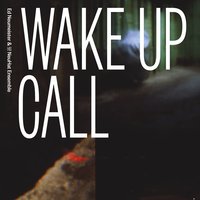
It took composer and arranger Ed Neumeister over three years, several grants, and an Indiegogo campaign to bring his new album "Wake Up Call" (Meistero Music) to fruition.  Yet, this labor of love is anything but laborious. In fact, much of this music soars. The NeuHat Ensemble is composed of world-class musicians (many of whom have worked or play with the Vanguard Jazz Orchestra and the Maria Schneider Orchestra), it's so enjoyable when the musicians dig in to the well sculpted melodies and intelligent arrangements.  There's a touch of Duke Ellington in "Locomotion" (the composer writes that the song is based on John Coltrane's "Dear Lord") while it's possible that "Birds of Prey" has some influence from Ms. Schneider's well-known hobby. This music sparkles with inventiveness, wit, and often has a gentler side that is soothing.


Saxophonists Dave Liebman and Joe Lovano came together in 2007 at the request of BBC Radio to celebrate the 40th anniversary of John Coltrane's passing. With a rhythm section of Phil Markowitz (piano), Ron McClure (bass), and Billy Hart (drums), The results of their musical endeavors can be heard on "Compassion: The Music of John Coltrane", beautifully packaged and mastered by Resonance Records.  The six-song program features works for 1958 up until 1967's title track.  Both saxophonists play extremely well, never attempting to imitate the muscular sound that Coltrane mastered yet still having great power. The rhythm section also plays with great fire, especially Hart.  This quintet succeeds unmaking Coltrane's music sound timeless and fresh.

This year, Resonance Records released two albums from pianist Bill Evans featuring the rhythm section of Eddie Gomez (bass) and Jack DeJohnette (drums).  Up until now, the only album with that lineup was Evans's Verve Lp "Bill Evans at The Montreux Jazz Festival." That recording won a GRAMMY in 1969 by which time the drummer was in the Miles Davis Group.  "Another Time: The Hilversum Concert" was recorded seven days after Montreux and just two days after "Some Other Time: The Lost Session from the Black Forest", which Resonance released earlier this year. The albums are fairly similar though they have different material. The later recording seems livelier, punchier, as if the trio had a good dinner and were digging each other's company.  Bill Evans remains quite popular 37 years after his passing and there are a lot of albums to choose from. The spark of inventiveness can be heard throughout "Another Time" and that makes the music infectious.

***************************************
That's a wrap, as they say, for 2017. These albums made me feel good while listening and writing; some even helped my mood get so much better.  I was sick and hospitalized in July and early August so music really made my recuperation time move by.  Thanks to the promoters and the publicists, thanks to my fellow writers for keeping me honest, and thanks to the artists for taking chances and not settling for just good!  Thanks to you for reading and reacting.  Be healthy, be safe, and be generous throughout the Holiday and into 2018.  Change is all around us. We must be ready and resolute and never, ever, lose your sense of humor and love of music.

Richard

Wednesday, February 11, 2015

Winter Heat

For his 8th recording as a leader, alto saxophonist and composer Rudresh Mahanthappa look back and forward at the same time.  "Bird Calls" (ACT Music) takes its musical cues from Charlie Parker (his daring playing, his willingness to experiment and his often dazzling technique) and adds the myriad influences the leader has encountered in the years since he first started playing.  The group Mahanthappa has assembled for this project plays with grace and fire; bassist François Moutin and drummer Rudy Royston are long-time acquaintances and musical cohorts while the saxophonist started playing with pianist Matt Mitchell 4 years ago (first as a member of guitarist Rez Abbasi's band, then with Mahanthappa and Bunky Green in the "Apex" band). The secret weapon in this ensemble is the 20-year old trumpeter Adam O'Farrill (son of pianist/bandleader Arturo O'Farrill) - his cool, confident, musicianship is a fine counterpoint to the fiery work of Mahanthappa. The music does not ignore the leader's Asian-Indian heritage - in fact, the opening track of the CD, "Bird Calls #1", serves as an overture and one can clearly hear echoes of the shehnai, the double-reed instrument in the music of India, Pakistan, Bangladesh and Iran.

Besides the 5 short "Bird Calls" (which, besides the group opener, include a sax-trumpet duet plus solo pieces for saxophone, bass and piano, each serving as a lead-in to a longer quintet piece), there are 8 pieces for the group.  Mahanthappa, who composed the entire program, claims to base each track off a Charlie Parker composition but I would not listen for direct parallels in the melody.  Instead, concentrate on the tremendous work of the rhythm section who are the engine of this music, check out Mitchell's splendid support and solos, and listen to how each melody creates a fertile garden for the soloists.  "On The DL" has the sound of a Mahavishnu Orchestra track (play it loud, you'll see), especially in the melody line, the leader's incendiary solo and Royston's poly-rhythythmic attack.  The trance-like quality of the pianist's lines lead to a stunning solo until the pace slows for O'Farrill's softer, more impressionistic spotlight.  His circular lines pick up in intensity and the rhythm section guides the band back in. The interaction of saxophone and trumpet on "Chillin'" has a folk-blues feel, especially in the call-and-response of the theme.  Mitchell's ringing chords, Moutin's throbbing bass and Royston's majestic drum work push the piece forward (there are moments when the chord pattern beneath the solos sounds like Weather Report's "Birdland.")

Mahanthappa's visceral solos, with his full yet sharp tone, often have a percussive feel (not unlike solos by his contemporary, Miguel Zenón) as if influenced by a tabla player's attack.  Still, on a ballad like "Sure Why Not", with its strong hint of the blues in the melody, he displays an emotional richness and sweeter tones.  The interaction of the trumpet and piano, echoing the saxophone lines in "Gopuram", is a pleasing touch while the intense rhythm section work during the solos serves as kindling for the improvisers.  The "funky bop" of "Maybe Later", which builds off of Royston's rousing drum work and utilizes Moutin's forceful bass lines as its foundation, is exhilarating.

"Bird Calls" starts out by making the listener sit up and listen with its powerful groove; even the final track, "Man, Thanks for Coming", puts one on the edge of his chair for 1:38.  Do not play this CD to relax but to set your mind on fire.  Rudresh Mahanthappa, who is known for his great musicianship and for getting the most out of his compositions and cohorts, has created what, arguably, may be his finest ensemble and music.  Catch them in person if you can - this music will rock your soul.  For more information, go to rudreshm.com.

Give a listen to "Chillin'" and dig the fire! Also, Rudresh Mahanthappa is the first guest on the newly-invigorated "The Jazz Session" - it's great to have Jason Crane back and you can hear the podcast by clicking on the link at the top right of this blog.


Trombonist Marshall Gilkes, best known for his work with the Maria Schneider Orchestra and the Edmar Castaneda, has just issued his 4th CD as a leader and first with a large ensemble.  "Köln" (Alternate Side Records) is the culmination of his 4 years as a member of the WDR Big Band (Westdeutscher Rudfunk).  Based in Cologne, Germany, the 18-piece group works and records with many visiting artists as well as working with young people. Their discography includes collaborations with guitarist Hiram Bullock, vocalist Fay Classen, Maceo Parker, the New York Voices and many others.

The studio recording took place in January 2014. Gilkes's contract had expired the previous month but he had been invited back for a concert featuring his original works and an arrangement of Harold Arlen/Johnny Mercer's "My Shining Hour."  Appropriately, it's that tune which opens the program, a sprightly arrangement that features Gilkes as its only soloist.  He returns once again on the lovely performance of "Edenberry", a ballad that was the title cut of his 2005 debut album. The "Introduction" is an arrangement for brass chorale then Gilkes steps up to lead the entire band through a handsome reading of the piece. Again, he is the only soloist but the arrangement shows off his talent for creating compelling voices for the reeds and brass sections. Gilkes returns to solo on the final track, a smart new arrangement of "Downtime", a track that was a highlight of his 2012 "Sound Stories" recording.  It's fun to hear how the sections support and expand his melodic expedition.

Gilkes does not play on the rest of the tracks but creates impressive pieces that spotlight different members of the Big Band.  Pianist Frank Chastenier and the flugelhorn of John Marshall are featured on the prayer-like "Vespers" yet the section work also stands out.  "4711 Special" has a strong melody but builds smartly from the playful rhythm work of the pianist, bassist John Goldsby and drummer Hans Dekker. Pleasing solos by trombonist Ludwig Nuss and alto saxophonist Johan Hörlen add spice to the piece named for the famous Original Eau de Cologne from the region.  Goldsby is front-and-center on the bluesy (strong hints of Thad Jones in the melody) "Plant Bassed" that also features a stand-out trumpet solo by special guest and frequent collaborator Michael Rodriguez (who appeared on the trombonist's 2008 "Lost Words"). Rodriguez solos on flugelhorn on the lovely "Mary Louise", named for and dedicated to Gilkes' mother.  The brilliant sounds of the brass propel the melody to its soft finish, a short, sweet, second flugelhorn solo. "End in Sight", which also appeared on "Lost Words", is actually a piece from the composer's days at Juilliard  Here, it opens with the horn intro from the earlier recording but soon transform into an animated work where each section contributes to the brightness.  When the rhythm section kicks into a higher gear, the piece becomes a spotlight for an exciting alto saxophone solo from Karolina Strassmeyer followed by a vivacious turn from tenor saxophonist Paul Heller.

The old adage says there is usually "strength in numbers" and the wonderful section work on "Köln" bears witness to that.  This recording not only celebrates the music and arranging of Marshall Gilkes but also his relationship with the WDR Big Band.  There is a great amount of joy in this music, strong emotions abound, and the ensemble plays with gusto as well as sensitivity. Those who love 21st Century Big Band music will enjoy this gem of a recording. For more information, go to marshallgilkes.com.

Here's the opening track: