The quartet of Avishai Cohen (trumpet), Yonatan Avishai (piano), Omer Avital (acoustic bass) and Daniel Freedman (drums) call themselves Third World Love. They first came together in 2002 in Barcelona to play one gig and had such a good time they decided to become a band. Over the past decade, they recorded 3 CDs, one each for Fresh Sounds New Talent, Smalls Records and Anzic. "Songs and Portraits" is the band's second release for Anzic. Recorded in New York City in 2009, the music is a dizzying blend of influences, from Middle Eastern rhythms and melodies to Latin sounds to mainstream jazz. Each band member contributes, at least, 1 composition with Avital composing 3 (plus the unaccompanied intro to "Sefarad"), Freedman 2, and Cohen and Avishai each with 1 (pianist Avishai credited for the arrangement of the traditional Yemenite song, "Im Ninalu.") O, the rhythms they create, from the swirling sounds of "The Abutbuls" to the hard swing of "Song For a Dying Country" to the West African drive of Freedman's "Song for Sankoum." The latter is a "shoutout" to Senegalese drummer Sankoum Sissoko, has an irresistible drive (love Avishai's piano over the simple drumming in the first few minutes) plus several tempo changes. Cohen's clarion-call trumpet ushers in a ripping solo while Avital's percussive bass line paired with the solid drum work dances the piece forward. Freedman also composed the lovely ballad "Alona" - it also appears on his new Anzic CD (reviewed in Part 1 - read it here) as a fine vehicle for tenor saxophonist Mark Turner. Here, it belongs to the sweeping piano lines and handsome trumpet. Pianist Avishai's "A Night in Zebulon" has an Ellington-type melody line; it goes "out" a bit after the fine trumpet solo with Freedman's powerful drums and strong cymbal moving around the splashing piano chords. Yet, his piano solo is tender and melodic. Avital's "Sefarad" (the ancient Hebrew name for Spain) has a fine melody, the Iberian influence showing in the trumpet and bass solos as well as Freedman's sympathetic drumming.
On "Songs and Portraits" one can really hear a band at work and play. They listen, they respond, nudge each other in new directions, never hogging the spotlight, always sharing. Third World Love makes music that is creatively and emotionally strong. Powerful stuff that is worth your full attention - for more information, go to www.thirdworldlove.com.
Pianist-composer Ari Erev, a native of Israel, is one of the busiest musicians in his homeland, playing jazz at festivals, concert halls, on stage and television. "A Handful of Changes" (self-released), his second CD, finds him in several different settings, from duo to quartet to quintet to sextet. His rhythm section features Eitan Itscovich (drums) and either Arie Volinez (electric bass, acoustic bass on 7 tracks) or Tal Ronen (acoustic bass on 3 tracks) as well as percussionist Gilad Dobrecky (6 tracks). Joining him on 8 tracks is the seemingly ubiquitous Joel Frahm (tenor saxophone, soprano saxophone) while Ofer Shapiro plays alto saxophone and clarinet on 1 track each. The generous program (11 tracks, 75+ minutes) ranges from straight-ahead jazz pieces to classical works to standards to creative interpretations of 2 works by Israeli composer Alexander "Sasha" Argov (1914-1995), a noted composer of popular Israeli songs. Pianist Erev openly acknowledges the influence of Bill Evans (he leads a trio dedicated to the late American pianist) and it shows on Argov's lovely "Me'ever La'Tkhelet" (Beyond the Blue), a waltz with Ronen's excellent bass work. Shapiro's lyrical clarinet playing enlivens the other Argov piece, "Kshe'Or Dolek Ba'Halonekh" (Light In Your Window)
Elsewhere, Erev combines Chopin's "Prelude in E-minor Opus 28, No.4" with Cole Porter's "So In Love", the transition between the melodies aided by a pronounced Latin beat. Frahm's work is exemplary throughout, especially the duet reading with Erev on the standard "For All We Know" and his fiery soprano on Erev's "Step by Step" (Volinez's electric bass work is also quite fine.) "Irit's Wave", a lovely waltz dedicated to the pianist's wife, prominently features Frahm's masterful tenor work - he is both powerful and melodic during his long, well-thought out solo. Shapiro (alto saxophone) and Frahm (soprano) share the lead on "Precious Present", a bouncy piece with a decided Brazilian feel.
With such a long program, it can be hard to keep one's interest but Erev does a fine job of shifting tempos and rhythms, using different combinations of musicians, and providing a good melodic foundation. His debut CD "About Time", released in 2008, was his tribute to Bill Evans - "A Handful of Changes" shows Ari Erev developing his own approach to jazz, smartly adding new voices to the mix. To find out more, go to arierev.com.
Thursday, April 19, 2012
Levon Helm
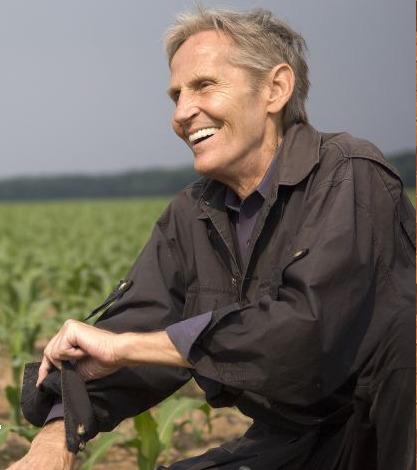
People die every day but some weeks are crazier than others. Dick Clark, who brought pop music to the forefront of television for over 3 decades via "American Bandstand", and Teddy Charles, jazz vibraphonist and pianist who also became famous as a charter boat skipper, both passed on Wednesday April 18. Today, we received news that drummer/mandolinist/vocalist Levon Helm (pictured) lost his long battle with cancer.
Any rock music fan who came of age in the late 1960s know about The Band. 5 musicians, led by composer/guitarist Robbie Robertson, came together to work with Bob Dylan in Woodstock, New York - after Dylan's motorcycle accident in 1966 and subsequent retreat to the country, Robertson, Helm, bassist Rick Danko, pianist/drummer/vocalist Richard Manuel and keyboard whiz Garth Hudson worked with the iconic composer as his "house" band, recording scores of demos (many released as "The Basement Tapes") and pulling their own music together. "Music From Big Pink", The Band's debut Lp, was issued in 1968, combining Canadian-native Robertson's love of Americana with several unreleased Dylan tunes. Robertson wisely combined the voices of Helm (with his Arkansas country twang) with Danko's ethereal falsetto and Manuel's strong tenor (he wrote several of the songs), often alternating verses ("The Weight" being a prime example.) Their second Lp, "The Band", is universally (and properly) treated as a classic, with songs such as "The Night They Drove Old Dixie Down", "Jemima Surrender" and "King Harvest Has Surely Come" that shine to this day. Helm's joyous vocal and mandolin work (Manuel switched to drums) on "Rag Mama Rag" and rollicking work on "Up On Cripple Creek" never fails to make me smile.
The quintet continued to tour and record through the mid-70s, culminating in the concert that became "The Last Waltz" (1976). Due to a contractual obligation, they reunited in 1977 for "Islands" and then broke up forever. Helm toured and recorded with Danko then reformed The Band (without Robertson) in 1983. Manuel committed suicide in 1986 (he had become an alcoholic in the 70s which really damaged his handsome voice) yet the group soldiered on until Danko's death in 1999. During that time, Helm worked in a number of movies (including "Coal Miner's Daughter") and recorded several solo albums. He suffered from throat cancer in the early part of the new century but recovered his voice to record several excellent CDs over the past 5 years. 2009's "Electric Dirt" and its 2011 followup, "Ramble at the Ryman" both won GRAMMYs. But, the cancer returned and, sadly, took the 71-year old musician and entrepreneur.
Levon Helm was not the most technical drummer but was just right for music he loved so much. His reedy voice, filled with personality and honest emotion, could drill lyrics right into the brain. Happy music, sad music, blues, country or folk, Levon Helm did not seem to have a false bone in body - he lived the songs he sang. "King Harvest" takes us all away; yet, we are never ready when someone who made music come alive as Levon Helm did passes. Yes, he will be missed but we do have his music.
Any rock music fan who came of age in the late 1960s know about The Band. 5 musicians, led by composer/guitarist Robbie Robertson, came together to work with Bob Dylan in Woodstock, New York - after Dylan's motorcycle accident in 1966 and subsequent retreat to the country, Robertson, Helm, bassist Rick Danko, pianist/drummer/vocalist Richard Manuel and keyboard whiz Garth Hudson worked with the iconic composer as his "house" band, recording scores of demos (many released as "The Basement Tapes") and pulling their own music together. "Music From Big Pink", The Band's debut Lp, was issued in 1968, combining Canadian-native Robertson's love of Americana with several unreleased Dylan tunes. Robertson wisely combined the voices of Helm (with his Arkansas country twang) with Danko's ethereal falsetto and Manuel's strong tenor (he wrote several of the songs), often alternating verses ("The Weight" being a prime example.) Their second Lp, "The Band", is universally (and properly) treated as a classic, with songs such as "The Night They Drove Old Dixie Down", "Jemima Surrender" and "King Harvest Has Surely Come" that shine to this day. Helm's joyous vocal and mandolin work (Manuel switched to drums) on "Rag Mama Rag" and rollicking work on "Up On Cripple Creek" never fails to make me smile.
The quintet continued to tour and record through the mid-70s, culminating in the concert that became "The Last Waltz" (1976). Due to a contractual obligation, they reunited in 1977 for "Islands" and then broke up forever. Helm toured and recorded with Danko then reformed The Band (without Robertson) in 1983. Manuel committed suicide in 1986 (he had become an alcoholic in the 70s which really damaged his handsome voice) yet the group soldiered on until Danko's death in 1999. During that time, Helm worked in a number of movies (including "Coal Miner's Daughter") and recorded several solo albums. He suffered from throat cancer in the early part of the new century but recovered his voice to record several excellent CDs over the past 5 years. 2009's "Electric Dirt" and its 2011 followup, "Ramble at the Ryman" both won GRAMMYs. But, the cancer returned and, sadly, took the 71-year old musician and entrepreneur.
Levon Helm was not the most technical drummer but was just right for music he loved so much. His reedy voice, filled with personality and honest emotion, could drill lyrics right into the brain. Happy music, sad music, blues, country or folk, Levon Helm did not seem to have a false bone in body - he lived the songs he sang. "King Harvest" takes us all away; yet, we are never ready when someone who made music come alive as Levon Helm did passes. Yes, he will be missed but we do have his music.
Wednesday, April 18, 2012
Jazz Through (Mostly) Israeli Eyes & Souls (Part 1)
Bassist-composer Omer Avital has been at the forefront of the Israeli-American jazz connection since the early 1990s. Possessor of a mighty sound, he is, at times, quite melodic as well as rhythmical. "Suite of the East" (Anzic Records) features fellow Israelis Avishai Cohen (trumpet) and Omer Klein (piano), the latter 26 years old at the time and about to launch his international career. Joining them is drummer Daniel Freedman and tenor saxophonist Joel Frahm (proving yet again he can play in just about setting.) Recorded in 2006 after a week-long residency at Small's, this music bristles with electricity and improvisational fire. Avital's imagination is fueled by the sounds and sights of his native land; most of these songs have rhythms and melodies one would find in Israeli folk tunes (where the myriad influences include music brought to the country from Yemen, Morocco, Jordan and elsewhere.) The opening track, "Free Forever", builds from the opening moment atop Klein's McCoy Tyner-esque piano chords. When the sax and trumpet enter, the energy level jumps higher; yet,everything grows quiet for Frahm's melodic exploration which slowly builds to a pulsating climax. The title track opens with a solo piano excursion that is ruminative and thoughtful. When the rhythm section, the counterpoint from the bass and the splashing cymbals move through the melody until Frahm enters with the handsome melody - the next section introduces the trumpet and Cohen weaves in and around the tenor part. Next section starts with a short bass statement before dropping into a funky beat for the piano, then the brass and reed to play call-and-response.
"Song for Peace" is the longest track (14:49) - notice how Avital splits the melody line between tenor sax and trumpet, having them move towards each other until there is harmony. The sensuous rhythm pulls the listener in, mesmerizing even as becomes quiet for the trumpet solo. Freedman begins to push against the "quiet", accentuating the martial feel in his snare and beat on his ride cymbal. Cohen responds without "boiling over", bringing the level down for the opening of Klein's long and involved solo.
There is not a weak cut or even weak moment on "Suite of the East." There are pieces, such as "Sinai Memories", where the melodies played by both the bass and piano are so filled with emotion. And, the CD closes with "Bass Mediation (on the possibility of peace in the Middle East", a solo piece for Avital that is both highly musical and also filled with great longing. Perhaps one gets the feeling from the title but here Avital is most like Charles Mingus, another musician who channeled his anger, his dreams and hopes, into his music. Not sure why this session took 6 years to see the light of day but its arrival is most welcome. For more information, go to www.omeravital.com.
Daniel Freedman, Omer Avital's rhythm section partner in Third World Love, has issued his 2nd CD as a leader (his self-titled debut was issued in 2001 on Fresh Sounds New Talent). "Bamako By Bus" (Anzic Records), produced by the drummer/composer in 2009, features an "all-star" lineup including Lionel Loueke (guitars, vocal), Avishai Cohen (trumpet), Jason Lindner (keyboards), Abraham Rodriguez (percussion, vocals), Pedrito Martinez (percussion, vocals), Yosvanny Terry (vocals, percussion), Mauro Refosco (percussion), Davi Viera (percussion), Mark Turner (tenor saxophone), Joshua Levitt (ney flute) and Meshell Ndegeocello (bass) with Avital sharing bass duties on 1 track. This is the sort of program that will drive jazz purists crazy because the music has myriad influences. Yet, if you follow Freedman's career, you know he's worked Angelique Kidjo, Anat Cohen, Pharoah's Daughter, Charles Owens Quartet, and Sting, therefore the variety in this music should come as no surprise. Loueke is featured on 4 tracks, including the highly rhythmical "All Brothers" (composed by Avishai Cohen and Freedman) - Ms. Ndegeocello's bass work is mesmerizing atop the fiery drumming of Freedman and Viera. The trumpet solo reflects the percussive nature of the piece while Loueke's vocal and guitar playing is exemplary. "Darfur/Oasis" pairs Loueke's guitar with the ney flute of Levitt along with both acoustic bass (Avital) and electric - the second half of the tune features Lindner's sparkling Fender Rhodes sound. Turner appears on 2 tracks paired on the front line in each instance with Cohen's trumpet. "Alona" is a ballad with a dramatic overture that leads to a soft yet intensely heartfelt melody played by Turner who build his fine solo slowly. Cohen, whose playing has matured greatly over the last decade, takes the tune out with a short but strong statement. They pair up again on "Sa'aba"; here, the tune rises on the funky rhythms but without overheating. Turner can certainly be quietly "intense" as can Cohen. "Rumba Pa'NYC" is a drum workout that features Rodriguez, Martinez, and Yosvanny Terry on vocals and percussion - in fact, along with Freedman's trap set, they are the only performers on the first half of the track. Linder, Ms. Ndegeocello and Cohen enter and the piece really catches fire.
Daniel Freedman wrote or co-wrote and/or arranged all the pieces on "Bamako By Bus" yet rarely takes the spotlight. The variety of styles as well as the excellent rhythm section (not to forget the fine solo work) makes this music so highly enjoyable. For more information, go to www.danielfreedman.net.
"Song for Peace" is the longest track (14:49) - notice how Avital splits the melody line between tenor sax and trumpet, having them move towards each other until there is harmony. The sensuous rhythm pulls the listener in, mesmerizing even as becomes quiet for the trumpet solo. Freedman begins to push against the "quiet", accentuating the martial feel in his snare and beat on his ride cymbal. Cohen responds without "boiling over", bringing the level down for the opening of Klein's long and involved solo.
There is not a weak cut or even weak moment on "Suite of the East." There are pieces, such as "Sinai Memories", where the melodies played by both the bass and piano are so filled with emotion. And, the CD closes with "Bass Mediation (on the possibility of peace in the Middle East", a solo piece for Avital that is both highly musical and also filled with great longing. Perhaps one gets the feeling from the title but here Avital is most like Charles Mingus, another musician who channeled his anger, his dreams and hopes, into his music. Not sure why this session took 6 years to see the light of day but its arrival is most welcome. For more information, go to www.omeravital.com.
Daniel Freedman, Omer Avital's rhythm section partner in Third World Love, has issued his 2nd CD as a leader (his self-titled debut was issued in 2001 on Fresh Sounds New Talent). "Bamako By Bus" (Anzic Records), produced by the drummer/composer in 2009, features an "all-star" lineup including Lionel Loueke (guitars, vocal), Avishai Cohen (trumpet), Jason Lindner (keyboards), Abraham Rodriguez (percussion, vocals), Pedrito Martinez (percussion, vocals), Yosvanny Terry (vocals, percussion), Mauro Refosco (percussion), Davi Viera (percussion), Mark Turner (tenor saxophone), Joshua Levitt (ney flute) and Meshell Ndegeocello (bass) with Avital sharing bass duties on 1 track. This is the sort of program that will drive jazz purists crazy because the music has myriad influences. Yet, if you follow Freedman's career, you know he's worked Angelique Kidjo, Anat Cohen, Pharoah's Daughter, Charles Owens Quartet, and Sting, therefore the variety in this music should come as no surprise. Loueke is featured on 4 tracks, including the highly rhythmical "All Brothers" (composed by Avishai Cohen and Freedman) - Ms. Ndegeocello's bass work is mesmerizing atop the fiery drumming of Freedman and Viera. The trumpet solo reflects the percussive nature of the piece while Loueke's vocal and guitar playing is exemplary. "Darfur/Oasis" pairs Loueke's guitar with the ney flute of Levitt along with both acoustic bass (Avital) and electric - the second half of the tune features Lindner's sparkling Fender Rhodes sound. Turner appears on 2 tracks paired on the front line in each instance with Cohen's trumpet. "Alona" is a ballad with a dramatic overture that leads to a soft yet intensely heartfelt melody played by Turner who build his fine solo slowly. Cohen, whose playing has matured greatly over the last decade, takes the tune out with a short but strong statement. They pair up again on "Sa'aba"; here, the tune rises on the funky rhythms but without overheating. Turner can certainly be quietly "intense" as can Cohen. "Rumba Pa'NYC" is a drum workout that features Rodriguez, Martinez, and Yosvanny Terry on vocals and percussion - in fact, along with Freedman's trap set, they are the only performers on the first half of the track. Linder, Ms. Ndegeocello and Cohen enter and the piece really catches fire.
Daniel Freedman wrote or co-wrote and/or arranged all the pieces on "Bamako By Bus" yet rarely takes the spotlight. The variety of styles as well as the excellent rhythm section (not to forget the fine solo work) makes this music so highly enjoyable. For more information, go to www.danielfreedman.net.
Sunday, April 15, 2012
Duo at The Firehouse + CD Pick
Larry Willis has been an active musician for the better part of 5 decades, working with numerous great musicians. Like DiRubbo, he came under the tutelage of Jackie McLean, making his recording debut on the saxophonist's 1966 Blue Note Lp, "Right Now" (Willis even contributed 2 songs to the session.) Willis is one of those musicians who has been involved with all types of musicians, from Cannonball Adderley to Carmen McRae to Stan Getz to Art Blakey to a 7-year stint with Blood, Sweat & Tears. He's equally at home in Latin music as well as classical.
The reviews for "Four Hands, One Heart" have fairly glowing and you'll be hear why on Friday. Messrs. DiRubbo and Willis will play 2 sets, 8:30 and 10 p.m. - for ticket information, go to firehouse12.com or call 203-785-0468. To find out more, go to ksantirecords.com.
Pianist Kenny Werner has recorded in a duo setting (Toots Theilemann), numerous trio settings, big band, string ensemble and quintet but "Me, Myself & I" (Justin Time) is his first solo piano effort. Recorded live over 2 nights at the Upstairs Bar & Grill in Montreal, Quebec, Werner stretches out on a program of 7 tunes. The pianist is both wonderfully melodic and highly inventive so the listener can be enthralled as Werner allows the music to move in various directions over the course of the performance. The one original piece, "Balloons", is a fairly new one, having been recorded in a quartet recording released in 2011 - here, the tune emerges from Erik Satie-like minimalist chords, picking up intensity as it moves along. By the 5-minute mark (the tune runs 13:34), Werner becomes ruminative once more. One hears traces of Chick Corea's "Children's Songs" as the pianist follows his instincts. Werner is nothing if not playful - he maneuvers through John Coltrane's "Giant Steps" with ease, playing with the tempo, building one part of his solo on ascending chords and single-note runs that go high to low. (His vocal reactions throughout the program range from grunts to surprised laughs as if he is surprising himself.)
He goes back to Joni Mitchell's "Songs to a Seagull" Lp (her 1968 debut) for the stunning "I Had a King" (there are moments I believe Werner is whistling along with the melody line) - his solo captures Ms. Mitchell's emotionally mature vocal and then spins his own musical story. Even as his most forceful, there is a grace to Werner's melodic excursions. How he caresses Thad Jones' touching "A Child Is Born", imbuing the performance with a childlike innocence (befitting the melody), seemingly moving up into the stars before returning to earth (and the melody) with full chords followed by more heavenly figures (and the whistling). Combined with the Joni Mitchell song, these 2 pieces are a stunning example of how music can stir memories and emotions that resonate long after the piano notes decay.
"Me, Myself & I" may not reveal anything about Kenny Werner listeners did not already know; his melodic flair, adventurous solos, and intelligent arrangements can be heard on his numerous recordings. But, this solo music also displays, at different times in the program, a generous amount of soul. Yes, generous as well as moving - isn't that why many of us listen to music? To be moved. This music does just that, and should be heard. For more information, go to www.kennywerner.com.
are on vie
Monday, April 9, 2012
2 by B-3s
There's something about Hammond B-3 organ trios that reminds me of spring and summer, lounging on the back porch with a cool drink. Perhaps, it's the "burbling brook" sound some players get out of their speakers - whatever it is, the chemical reaction in my brain is quite positive.
For his 5th release on the Posi-Tone label, "Golden Child", Jared Gold returns to the Trio setting that served him well on his 2009 CD, "Supersonic." Guitarist Ed Cherry is back from that date while Quincy Davis (who appeared on Gold's previous Posi-Tone release) mans the drum chair.The program ranges from "pop" tunes, such as "Wichita Lineman" and "I Can See Clearly Now" to jazz standards like "In A Sentimental Mood" and "When It's Sleepy Time Down South" to 5 pieces from the leader. The disk opens with an ultra-funky version of Sam Cooke's "A Change Is Gonna Come", a piece that sets the tone for the entire album. Davis is a responsive and explosive drummer, doesn't hold back reacting to the soloist. Cherry, who has worked with a slew of great musicians (like Dizzy Gillespie, Henry Threadgill and Hamiett Bluiett), is an equal partner in the music, either doubling the song's theme or stretching out on a solo. His lines blend jazz licks (a touch of Wes Montgomery octaves show up on the title track) with a strong blues feel. This is no "lounge" band; every one digs in and gives his all. One can enjoy the subtle shadings of Gold's "Pensa Em Mim", groove on the "second-line" feel of "14 Carat Gold" or bask in the sweet glow of "...Sleepy Time..." Excellent solos from both Gold and Cherry as well as simple-sounding yet masterful percussion. The trio's take on Jmmy Webb's "..Lineman" is quite funky while remaining true to the melody and mood of the original. Cherry's rhythm guitar work is exemplary while Davis lets loose during the organ solo - then, the drummer gives the guitarist a real "fatback" feel beneath his short yet satisfying solo. "Times Up" moves (rather successfully) into Larry Young territory, with Davis's fiery drumming pushing, urging, coaxing his cohorts forward.
Each one of Jared Gold's Posi-Tone recordings has something to recommend it but "Golden Child" is, arguably the best. Even in a trio setting, the program is his most varied. You'll like the way the Trio communicates, how their solos are substantial (and not just space fillers) and, for these ears, Gold's handsome "burbling" organ. To find out more, go to www.jaredgoldb3.com.
If you're a fan of Josh Jackson and WBGO-FM's "The Checkout", you may remember hearing organist Brian Charette play with his Sextette last May (check it out here) - perhaps, like me, you really enjoyed the mix of reeds, drums and B-3. The 3 pieces they played live in the studio whetted my appetite for the upcoming Steeplechase CD but then I never saw it.
Brian was kind enough to send the mp3s that make up "Music for Organ Sextette" and, believe me, this is one fine group and CD. Charette has assembled an impressive lineup, starting with the excellent drummer Jochen Rueckert, alto saxophonist Mike DiRubbo, flutist Jay Collins, bass clarinetist John Ellis and tenor saxophonist Joel Frahm. With all this "firepower", the program Charette creates for his ensemble will surprise you. There are moments the arrangements really swing, like on the opener "Svichkova", with Charette's bass pedal work locked in with Rueckert's drumming. "Fugue FKA/ EGF Variations" opens as if written by JS Bach while the second half has a serious groove; yet, the reeds come in one at time. First the tenor, then alto, followed by flute and finally bass clarinet all playing a round, especially when the organ joins the fray. The melodic arrangement for the reeds on "French Birds" may remind one of the sound of the World Saxophone Quartet. Every one solos but no one goes on too long and the results are rewarding.
"Elvira" is playful, a delightful melody over a reggae beat, with each soloist getting a different emphasis in the rhythm section beneath them. "Tambourine" blends New Orleans melody and harmonies (love the blend of flute and alto sax on the melody section) over seriously funky drumming - Reuckert is both a dynamo and painter throughout the CD, whether it's the James Brown opening of "Late Night T.V." or his exquisite cymbal work on "Equal Opportunity" or his ability to quickly shift gears as he demonstrates on the mysterious "Mode for Sean Wayland" (dedicated to the contemporary Australian-born keyboard artist.) Charette has a keen sense of humor; can't help but praise the gospel setting for "Prayer For An Agnostic" (with an Ellingtonian feel in the melody line by the reed ensemble) and the "testifying" solos, each one more soulful than the one before.
It's hard to single out one soloist, everyone plays so well. Relaxed yet intense, with rhythms that caress you one moment, push you up out of your seat the next. Pay attention to the arrangements, to the textures of the reeds as they move with and around each other, notice the different sounds from the organ as well as the first-class work of the drummer. Then, just sit back and let it enter your soul - because this music, more often than not, is quite satisfying. Brian Charette and his Sextette makes honest and joyous music. You should seek out this fine recording. For more information, go to www.kungfugue.com.
For his 5th release on the Posi-Tone label, "Golden Child", Jared Gold returns to the Trio setting that served him well on his 2009 CD, "Supersonic." Guitarist Ed Cherry is back from that date while Quincy Davis (who appeared on Gold's previous Posi-Tone release) mans the drum chair.The program ranges from "pop" tunes, such as "Wichita Lineman" and "I Can See Clearly Now" to jazz standards like "In A Sentimental Mood" and "When It's Sleepy Time Down South" to 5 pieces from the leader. The disk opens with an ultra-funky version of Sam Cooke's "A Change Is Gonna Come", a piece that sets the tone for the entire album. Davis is a responsive and explosive drummer, doesn't hold back reacting to the soloist. Cherry, who has worked with a slew of great musicians (like Dizzy Gillespie, Henry Threadgill and Hamiett Bluiett), is an equal partner in the music, either doubling the song's theme or stretching out on a solo. His lines blend jazz licks (a touch of Wes Montgomery octaves show up on the title track) with a strong blues feel. This is no "lounge" band; every one digs in and gives his all. One can enjoy the subtle shadings of Gold's "Pensa Em Mim", groove on the "second-line" feel of "14 Carat Gold" or bask in the sweet glow of "...Sleepy Time..." Excellent solos from both Gold and Cherry as well as simple-sounding yet masterful percussion. The trio's take on Jmmy Webb's "..Lineman" is quite funky while remaining true to the melody and mood of the original. Cherry's rhythm guitar work is exemplary while Davis lets loose during the organ solo - then, the drummer gives the guitarist a real "fatback" feel beneath his short yet satisfying solo. "Times Up" moves (rather successfully) into Larry Young territory, with Davis's fiery drumming pushing, urging, coaxing his cohorts forward.
Each one of Jared Gold's Posi-Tone recordings has something to recommend it but "Golden Child" is, arguably the best. Even in a trio setting, the program is his most varied. You'll like the way the Trio communicates, how their solos are substantial (and not just space fillers) and, for these ears, Gold's handsome "burbling" organ. To find out more, go to www.jaredgoldb3.com.
If you're a fan of Josh Jackson and WBGO-FM's "The Checkout", you may remember hearing organist Brian Charette play with his Sextette last May (check it out here) - perhaps, like me, you really enjoyed the mix of reeds, drums and B-3. The 3 pieces they played live in the studio whetted my appetite for the upcoming Steeplechase CD but then I never saw it.
Brian was kind enough to send the mp3s that make up "Music for Organ Sextette" and, believe me, this is one fine group and CD. Charette has assembled an impressive lineup, starting with the excellent drummer Jochen Rueckert, alto saxophonist Mike DiRubbo, flutist Jay Collins, bass clarinetist John Ellis and tenor saxophonist Joel Frahm. With all this "firepower", the program Charette creates for his ensemble will surprise you. There are moments the arrangements really swing, like on the opener "Svichkova", with Charette's bass pedal work locked in with Rueckert's drumming. "Fugue FKA/ EGF Variations" opens as if written by JS Bach while the second half has a serious groove; yet, the reeds come in one at time. First the tenor, then alto, followed by flute and finally bass clarinet all playing a round, especially when the organ joins the fray. The melodic arrangement for the reeds on "French Birds" may remind one of the sound of the World Saxophone Quartet. Every one solos but no one goes on too long and the results are rewarding.
"Elvira" is playful, a delightful melody over a reggae beat, with each soloist getting a different emphasis in the rhythm section beneath them. "Tambourine" blends New Orleans melody and harmonies (love the blend of flute and alto sax on the melody section) over seriously funky drumming - Reuckert is both a dynamo and painter throughout the CD, whether it's the James Brown opening of "Late Night T.V." or his exquisite cymbal work on "Equal Opportunity" or his ability to quickly shift gears as he demonstrates on the mysterious "Mode for Sean Wayland" (dedicated to the contemporary Australian-born keyboard artist.) Charette has a keen sense of humor; can't help but praise the gospel setting for "Prayer For An Agnostic" (with an Ellingtonian feel in the melody line by the reed ensemble) and the "testifying" solos, each one more soulful than the one before.
It's hard to single out one soloist, everyone plays so well. Relaxed yet intense, with rhythms that caress you one moment, push you up out of your seat the next. Pay attention to the arrangements, to the textures of the reeds as they move with and around each other, notice the different sounds from the organ as well as the first-class work of the drummer. Then, just sit back and let it enter your soul - because this music, more often than not, is quite satisfying. Brian Charette and his Sextette makes honest and joyous music. You should seek out this fine recording. For more information, go to www.kungfugue.com.
Sunday, April 8, 2012
The Firehouse Goes" Fluorescent" + Reunion of the Spirits
Alto saxophonist, composer and conceptualist Steve Lehman (Wesleyan University, class of 2000) returns to Connecticut on Friday April 16 where he and his Trio - drummer Damion Reid and bassist Chris Tordini (subbing for Matt Brewer) - to perform at Firehouse 12, 45 Crown Street in New Haven. They will be in the midst of an East Coast tour celebrating the release of "Dialect Fluorescent", their explosive new CD on Pi Recordings.
In his youth and college days, Lehman studied with both Jackie McLean and Anthony Braxton. Over the past decade, he has developed into one of the most fascinating composers and musicians on the contemporary scene. During that time, he's worked alongside pianist Vijay Iyer and drummer Tyshawn Sorey in Fieldwork, has been studying composition at Columbia University in New York City with French composer Tristan Murail, played with bassist Stephan Crump as well as alto saxophonist Rudresh Mahanthappa and toured with various sized ensembles. Yet, this new recording reminds me a lot of Trio Air, the collective of saxohonist/flutist Henry Threadgill, bassist Fred Hopkins and drummer Steve McCall. And, it's not imitation; I hear it in the "conversations" between the instrumentalists, in Damion Reid's wonderful sense of drive and propulsion, in the full tones of Matt Brewer's bass notes and in the tart, crystalline sharp, tone of Lehman's alto saxophone.
It's no surprise that the Trio covers the Anthony Newley/Leslie Briscusse composition "Pure Imagination" or that one of the leader's originals is titled "Alloy." Lehman challenges his band mates to think beyond the cliche and engage him in this "triologue" that does not eschew tradition but recognizes so many musical styles and allows to filter into the music. John Coltrane's "Moment Notice" is fueled by the Reid's juggernaut drums, Brewer's propulsive yet melodic bass work and the leader's contemplative then fiery alto playing. He reacts to Reid's drumming by embracing the fire and then playing against it. The twisting and turning solo bass that opens Lehman's "Fumba Rebel" leads into a bass-drum dialogue with Reid and Brewer "talking" together. When Lehman enters, the conversation beneath him opens up to allow his input. The trio absolutely "smoke" Duke Pearson's "Jeanine", Reid's brushwork as active and multi-directional as his work with sticks.
This music, either on record or "live" in performance, is insistent, demanding on both listeners and performers, and quite exhilarating. Damion Reid's playing is exceptional, made more so by the fact that bassist Matt Brewer equally impressive bass does not always supplant the drums as timekeeper. Yet, the music rarely stops moving forward; one has to believe that is Steve Lehman's vision, to continually move and change, like a strong river current that is always changing shape but never losing sight of its ultimate destination. To find out more, go to www.stevelehman.com or to pirecordings.com/artist/Steve_Lehman. For ticket information and availability, go to firehouse12.com or call 203-785-0468.
The cover of the self-released 2-CD set from the David Bindman Ensemble is the first clue to the musical experience the listener will enjoy on "Sunset Park Polyphony." The brilliance of the sun draws you in to the center of the painting; yet, one should also notice that there are no dark shadows or ominous clouds. Don't expect "new-age" noodling from saxophonist/composer Bindman (Wesleyan class of 1985, M.A. 1987) but an intense yet finely shaded group of pieces that illustrate his interest in African music and the exploratory jazz work of Bill Dixon and Bill Barron. The rhythm section features fellow Wesleyan travelers royal hartigan (drums, percussion) and Wes Brown (bass), both of whom he has continued to play with over the quarter-century since graduation. Pianist Art Hirahara, a native of the San Francisco Bay Area who moved to New York City nearly a decade ago, is a welcome voice in this music as he creates many different colors and never sounds intrusive. Trombonist Reut Regev, who has worked with Anthony Braxton, Taylor Ho Bynum and Metropolitan Klezmer, adds burr and bite to the mix while the declamatory trumpet of Frank London (The Klezmatics) is a fine foil to the rounder tones of the saxophone.
Disk 1 is comprised of 4 longer pieces opening with the hard-driving "Shape One." The song has great drive (excellent work from hartigan) and a melody that works off the percussion. The interaction of the brass with Bindman's tenor and the chords behind the tenor solo remind me of Andrew Hill in his Blue Note days. The title track is, admittedly, influenced by South Indian rhythms, moving from an opening section without metric time to a thematic section with multiple meters. The drum solo, which sounds like hartigan using only his hands (and foot on the high-hat) in the beginning, is involving as is the tenor solo that follows, with several phrases that refer to the South Indian beats in the rhythm. Bindman acknowledges the influence of trumpeter/composer Bill Dixon on "Robeson House Echoes", another multi-sectioned piece with more rhythmic excitement and fascinating writing for the front line. Hirahara's hypnotic piano alongside hartigan's strong ride cymbal work sets the table for the solo section. London rides the rhythm and delivers an impassioned solo while Regev jousts and spars with the drummer while the pianist adds quiet tinkling noises. Bindman's episodic music leaves room for exposition and improvisation, moments of silence in the midst of a series of sonic storms and strong solos.
I had the pleasure to watch Messrs. Bindman, Brown and hartigan play many times together during their University years. At the time, hartigan would thrill us with his percussive choices and you can hear how expressive and thoughtful he is throughout this program. He and Bindman's tenor work well together on "Landings Suite: 1. The Transient", with his African-influenced drumming in conversation with Bindman's somewhat edgy sounds. After they finish, Brown and Ms. Regev engage in a lively musical exchange. This piece offers ensemble work, trio interaction and several different tempi. London's rich trumpet work is featured (above the moaning sax and trombone but no rhythm section) on the next section "2. Singing Bird Melody." hartigan's African drumming is the focal point of "4.Invisible Dance", a piece inspired by the poorest people in all societies who are subjugated by their poverty and rendered invisible to most peopel by their economic condition. Brown joins in as the piece picks up in pace.
Disk 2 also features the handsome ballad "Unspoken", an ever-so-slow work that shows the influence of Charles Mingus - the sparkling yet gentle piano of Hirahara is very effective in setting the mood that is carried on by the reeds and horns. The pianist is quietly expressive on several tracks, his rippling phrases fanning across the music and adding handsome colors.
"Sunset Park Polyphony" is a very personal recording from David Bindman; dedicated to his late mother (who passed when he was in his early teens) and featuring musicians, some of whom he has quite a history with, this music demands your attention. Intelligent, multi-rhythmic, at turns lyrical or challenging but never dull, this aural experience is worth your attention. For more information, go to www.davidbindman.com.
In his youth and college days, Lehman studied with both Jackie McLean and Anthony Braxton. Over the past decade, he has developed into one of the most fascinating composers and musicians on the contemporary scene. During that time, he's worked alongside pianist Vijay Iyer and drummer Tyshawn Sorey in Fieldwork, has been studying composition at Columbia University in New York City with French composer Tristan Murail, played with bassist Stephan Crump as well as alto saxophonist Rudresh Mahanthappa and toured with various sized ensembles. Yet, this new recording reminds me a lot of Trio Air, the collective of saxohonist/flutist Henry Threadgill, bassist Fred Hopkins and drummer Steve McCall. And, it's not imitation; I hear it in the "conversations" between the instrumentalists, in Damion Reid's wonderful sense of drive and propulsion, in the full tones of Matt Brewer's bass notes and in the tart, crystalline sharp, tone of Lehman's alto saxophone.
It's no surprise that the Trio covers the Anthony Newley/Leslie Briscusse composition "Pure Imagination" or that one of the leader's originals is titled "Alloy." Lehman challenges his band mates to think beyond the cliche and engage him in this "triologue" that does not eschew tradition but recognizes so many musical styles and allows to filter into the music. John Coltrane's "Moment Notice" is fueled by the Reid's juggernaut drums, Brewer's propulsive yet melodic bass work and the leader's contemplative then fiery alto playing. He reacts to Reid's drumming by embracing the fire and then playing against it. The twisting and turning solo bass that opens Lehman's "Fumba Rebel" leads into a bass-drum dialogue with Reid and Brewer "talking" together. When Lehman enters, the conversation beneath him opens up to allow his input. The trio absolutely "smoke" Duke Pearson's "Jeanine", Reid's brushwork as active and multi-directional as his work with sticks.
This music, either on record or "live" in performance, is insistent, demanding on both listeners and performers, and quite exhilarating. Damion Reid's playing is exceptional, made more so by the fact that bassist Matt Brewer equally impressive bass does not always supplant the drums as timekeeper. Yet, the music rarely stops moving forward; one has to believe that is Steve Lehman's vision, to continually move and change, like a strong river current that is always changing shape but never losing sight of its ultimate destination. To find out more, go to www.stevelehman.com or to pirecordings.com/artist/Steve_Lehman. For ticket information and availability, go to firehouse12.com or call 203-785-0468.
The cover of the self-released 2-CD set from the David Bindman Ensemble is the first clue to the musical experience the listener will enjoy on "Sunset Park Polyphony." The brilliance of the sun draws you in to the center of the painting; yet, one should also notice that there are no dark shadows or ominous clouds. Don't expect "new-age" noodling from saxophonist/composer Bindman (Wesleyan class of 1985, M.A. 1987) but an intense yet finely shaded group of pieces that illustrate his interest in African music and the exploratory jazz work of Bill Dixon and Bill Barron. The rhythm section features fellow Wesleyan travelers royal hartigan (drums, percussion) and Wes Brown (bass), both of whom he has continued to play with over the quarter-century since graduation. Pianist Art Hirahara, a native of the San Francisco Bay Area who moved to New York City nearly a decade ago, is a welcome voice in this music as he creates many different colors and never sounds intrusive. Trombonist Reut Regev, who has worked with Anthony Braxton, Taylor Ho Bynum and Metropolitan Klezmer, adds burr and bite to the mix while the declamatory trumpet of Frank London (The Klezmatics) is a fine foil to the rounder tones of the saxophone.
Disk 1 is comprised of 4 longer pieces opening with the hard-driving "Shape One." The song has great drive (excellent work from hartigan) and a melody that works off the percussion. The interaction of the brass with Bindman's tenor and the chords behind the tenor solo remind me of Andrew Hill in his Blue Note days. The title track is, admittedly, influenced by South Indian rhythms, moving from an opening section without metric time to a thematic section with multiple meters. The drum solo, which sounds like hartigan using only his hands (and foot on the high-hat) in the beginning, is involving as is the tenor solo that follows, with several phrases that refer to the South Indian beats in the rhythm. Bindman acknowledges the influence of trumpeter/composer Bill Dixon on "Robeson House Echoes", another multi-sectioned piece with more rhythmic excitement and fascinating writing for the front line. Hirahara's hypnotic piano alongside hartigan's strong ride cymbal work sets the table for the solo section. London rides the rhythm and delivers an impassioned solo while Regev jousts and spars with the drummer while the pianist adds quiet tinkling noises. Bindman's episodic music leaves room for exposition and improvisation, moments of silence in the midst of a series of sonic storms and strong solos.
I had the pleasure to watch Messrs. Bindman, Brown and hartigan play many times together during their University years. At the time, hartigan would thrill us with his percussive choices and you can hear how expressive and thoughtful he is throughout this program. He and Bindman's tenor work well together on "Landings Suite: 1. The Transient", with his African-influenced drumming in conversation with Bindman's somewhat edgy sounds. After they finish, Brown and Ms. Regev engage in a lively musical exchange. This piece offers ensemble work, trio interaction and several different tempi. London's rich trumpet work is featured (above the moaning sax and trombone but no rhythm section) on the next section "2. Singing Bird Melody." hartigan's African drumming is the focal point of "4.Invisible Dance", a piece inspired by the poorest people in all societies who are subjugated by their poverty and rendered invisible to most peopel by their economic condition. Brown joins in as the piece picks up in pace.
Disk 2 also features the handsome ballad "Unspoken", an ever-so-slow work that shows the influence of Charles Mingus - the sparkling yet gentle piano of Hirahara is very effective in setting the mood that is carried on by the reeds and horns. The pianist is quietly expressive on several tracks, his rippling phrases fanning across the music and adding handsome colors.
"Sunset Park Polyphony" is a very personal recording from David Bindman; dedicated to his late mother (who passed when he was in his early teens) and featuring musicians, some of whom he has quite a history with, this music demands your attention. Intelligent, multi-rhythmic, at turns lyrical or challenging but never dull, this aural experience is worth your attention. For more information, go to www.davidbindman.com.
Pick of the Week Special Edition
May I introduce Elliot Flaxman Kamins, the son of our daughter Rachel and her husband Joel Flaxman. Like many long-anticipated "wondrous" events, he arrived early in the morning, showing up on Friday April 6 (yes, a very Good Friday) in time for his first seder. ("Why, Elliot, of course" was my immediate reaction to the first of the Four Questions; Why is this night different than any other night?) He moves into a world of mischief, mayhem, political bluster (he'll certainly stay warm since he lives in Washington D.C.), food and water shortages, abject poverty only a few miles from his new home, and so many promises. Elliot has a loving family who will do try their utmost to nurture his creativity and teach him that his world can and should be one of many communities that will support him in any and all endeavors.
Can't help but notice Elliot has big cheeks on his handsome face; perhaps his first exposure to jazz should be John Birks "Dizzy" Gillespie. Perhaps his first CD or download should be the recording pictured below, the wonderful "WeBop" from Jazz at Lincoln Center and its resident "big drummer man", Matt Wilson. Hmmmm.....
Subscribe to:
Posts (Atom)