Showing posts with label saxophone trio. Show all posts

Wednesday, March 9, 2016

Saxophone in Front (Part 1)

Tenor saxophonist and composer Melissa Aldana has been involved with music from a young age. She started out by watching her father - a jazz saxophonist - teaching students in their home in Chile.  Starting out on alto and switching to tenor after hearing Sonny Rollins (she was given her grandfather's Selmer Mark VI, the instrument she still uses today), Ms. Aldana came to the US to continue her education at the Berklee College of Music in Boston, MA, won the 2013 Thelonious Monk International Jazz Saxophone Competition, has been mentored by tenor great George Coleman, and now tours and records with her trio.

Her 4th CD as a leader, "Back Home" (Wommusic), is her second straight release in a trio setting.  Bassist Pablo Menares (who played on her 2014 Concord release) is now paired with drummer Jochen Rueckert (he replaces Francisco Mela).  The title refers to Ms. Aldana returning to the music of Sonny Rollins for inspiration. The lessons of "Live at The Vanguard" and "Freedom Suite" can be heard in how this is a "collective", not just a saxophone soloist with rhythm section.  While the leader contributes 4 compositions, the bassist and drummer both contribute 2 (there's also a lovely tenor sax-bass duo on Kurt Weill's "My Ship").

More than anyone, Ms. Aldana's sound reminds me of Charles Lloyd, the lightness of her delivery, her phrases that sweep and flow over the rhythm section but never overwhelm the piece. Yes, one can hear passages that have heft (her solos on "Alegria" and on the title song) yet this music is more exploratory than exclamatory.  Rueckert's "Obstacles" jabs and darts, the saxophone skating atop stop-start-run of the rhythm section.  Menares' thick bass tines support the saxophone melody on the bassist's "Desde La Lluvia" as the drummer colors the proceedings with his splendid cymbal work.

NY Times
Like the most compelling contemporary music, "Back Home" looks backwards and forwards, never sounding dated or forced.  The best tracks seem to move like dream passages.  "Time" (composed by Ms. Aldana) opens with a bass solo before the saxophone melody enters, like a quiet tango. The bass counterpoint, the brushwork, the saxophone phrases that away from the melody and back again, all that and more make the song so attractive.  The bassist also leads the way in on his ballad "En Otro Lugar", a piece that moves easily forward on Reuckert's gentle yet insistent forward motion.

The title track comes at the end of the album and certainly has the hallmarks of Sonny Rollins in its playful melody, stop-and-go rhythms, and the solid bass lines (reminiscent of the 1957 "Way Out West" classic).  Ms. Aldana swings mightily, Menares does some serious "walking",  and Reuckert propels the Trio forward with obvious delight.

"Back Home" is a treat from start to finish. Melissa Aldana plays with great confidence throughout, displaying both a thoughtful as well as playful side.  Her influences continue to be incorporated into her own "voice" both as a player and composer.  And, with such top-notch associates, this music is certainly stellar.  For more information, go to www.melissaaldana.com.

Here's the Trio in action from 2015 and Vermont PBS playing "My Ship":

Saturday, December 19, 2015

2015, A Year (Part 2)

No personal reflections this time, just continuing my survey of the music that moved me the most over the past 12 months. This part of the list included recordings I did not post reviews for.

Technically speaking, this album came out in late 2014 and technically speaking, it's quite brilliant.  Over the past decade, Sam Newsome has concentrated his efforts on the soprano saxophone, releasing a series of solo albums that stand out for their brilliance, audacity, and sheer musicality.  So it is with "The Straight Horn of Africa: A Path to Liberation" (Some New Music), 21 tracks, many of them overdubbed, where the saxophonist creates percussion by clicking the keys in ways that suggest drum choirs. It was such fun to return to listen to this music again, fun to have one' breath taken away track after track.

For more information, go to www.samnewsome.com.

Violinist, composer and arranger Tomoko Omura released "Roots" (Inner Circle Music) early in 2015 and the music resonates with me still. Employing a great ensemble including Glenn Zaleski (piano, keyboards), Colin Stranahan (drums), and Noah Garabedian (bass) plus guitarist Will Graefe on 8 tracks. Ms. Omura reimagines pieces from her native Japan in ways that honor their original intent while giving the new life.  And, there is such of a sense of "serious play" on these cuts.  

For more information, go to www.tomokoomura.com


The new recording from vocalist and multi-instrumentalist Jen Shyu is a dazzling display of creativity and musicality that also defies categorization.  Let's just say you'll not hear a more dynamic and dramatic album than "Sounds and Cries of the World" (Pi Recordings) - you may hear some that are its musical equal (Mycale, Bjork) but not as powerful. She makes brilliant use of her band - Ambrose Akinmusire (trumpet), Mat Maneri (viola), Thomas Morgan(bass) and Dan Weiss (drums) - while making you return time and again to hear how she uses her voice nd instruments. 

For more information, go to pirecordings.com/album/pi61.

Saxophonist and composer Ochion Volk and his Quartet pianist Amino Belyamani (Dawn of Midi), bassist Sam Minaie (Tigran Hamasyan), and drummer Qasim Naqvi - released his 2nd CD this year and it's a jewel. The interplay of the musicians (guitarist Lionel Loueke appears on several cuts), the creativity of the compositions and fact that the musicians serve the music and not just show how well they can play, all that and more makes this a standout CD.  I would love to hear this band live just to get lost in this creative experience.

For more information, go to www.ochion.com. 


The latest hit from alto saxophonist Rudresh Mahanthappa has its roots in 2 musical areas, those being the intricate rhythms of South Indian music and the saxophone language developed by Charlie Parker. Performed by a band that boasts the fiery rhythm section of François Moutin (bass) and Rudy Royston (drums - he shows up again below), the agile piano work of Matt Mitchell and the brilliant trumpet playing of Adam O'Farrill, this music is an often joyous blend of dexterity, rhythmic complexity and melodic playfulness.

For more information, go to rudreshm.com.


Speaking of Mr. Royston, his work with tenor saxophonist JD Allen is how listeners first heard his dynamic drumming.  After a pair of Quartet recordings, Mr. Allen returned to his Trio (bassist Gregg August is the important third member) he formed in 2007 to create "Graffiti", perhaps the bluesiest and most melodic recording  he has released in his career.  Yes, there's a bow to the classic Sonny Rollins Trio recordings of the 1950s but this recording serves to remind us of how revolutionary the elder tenor player was in his youth and this style is far from being tired and old.

For more information, go to www.jdallentenorsaxophonist.com.


Going back to listen to "Synovial Joints", the 2015 Pi Recordings album from Steve Coleman and the Council of Balance, I am reminded of how many different styles of music the alto saxophonist, composer and arranger dips into to create his music and just how seamlessly he does it. Utilizing the great rhythm section of Anthony Tidd (electric bass) and Marcus Gilmore (drums) plus the splendid voice of Jen Shyu (see above), trumpeter Jonathan Finlayson, guitarist Miles Okazaki, a string quartet, 3 additional brass players, 3 additional reeds, and 3 percussionists, t is stunning how clean, clear, and insistent this music is.

For more information, go to pirecordings.com/album/pi57.


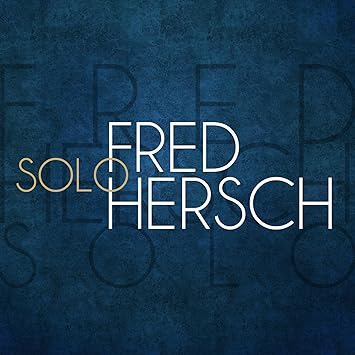
In a world filled with masterful pianists, Fred Hersch is certainly one of the finest.  Whether in front of his Trio or a larger ensemble, his lyricism and creativity is, at many turns, quite amazing.  This year, he gave us "Solo" (Palmetto Records) and, once again, the listener is whisked away from the mundane and everyday to bask in the glow of a consummate performer. Whether it's his original music or one of his joyous forays into the land of Thelonious Monk, Mr. Hersch always gives the listener much to chew on.

For more information, go to www.fredhersch.com.


Speaking of masterful pianists, Myra Melford dropped "Snowy Egret" (both the name of the group and its recording from ENJA) during the year. With a band that includes such great players as Ron Miles (trumpet), Liberty Ellman (guitar),  Stomu Takeishi (bass guitar) and Tyshawn Sorey  (drums), the composer gave us music that, like Mr. Coleman's and Ms Shyu's, is multi-directional, challenging and quite satisfying. 

For more information, go to www.myramelford.com.


No one was busier this year than pianist Matthew Shipp, showing up as a sideman on several CDs, co-leading others and releasing, arguably, his most impressive Trio recording in his career.  "The Conduct of Jazz" (Thirsty Ear) is contemplative, feisty and filled with, at a number of turns, impressive interplay between the pianist, long-time associate Michael Bisio (bass) and the Trio's new member, drummer Newman Taylor Baker.

For more information, go to www.matthewshipp.com.

The final group of favorites will be posted next week - in the meantime, live life to the fullest by going out to support live music in your community and state!


Wednesday, June 24, 2015

Live in Old Lyme + A Bassist's Journey

Okay, so I'm a bit crazy when it comes to drummer Rudy Royston.  He's one of those players who plays with great fire but rarely does he upstage the leader.  He's been working and recording with tenor saxophonist J D Allen since 2008's "I Am I Am" (Sunnyside Records) and, along with bassist Gregg August, they are a formidable saxophone trio. Allen released 3 CDs of original material with the rhythm section between 2008 - 2012 and then organized a brand-new new ensemble - a quartet featuring Hartford natives Dezron Douglas on bass (for the 2013 sessions) and  Jonathan Barber on drums - that recorded his 2013 and 2014 Savant releases, "Grace" and "Bloom".

The Trio is now back together and they are coming to The Side Door Jazz Club in Old Lyme this Friday evening. They are celebrating the recent release (May 19) of their 4th adventure together.  "Graffiti" (Savant - you can access the title track below) is an excellent CD, 9 Allen originals that explore the blues and modern jazz roots in his music.  The influence of John Coltrane is noticeable throughout but especially on the album's opening track, "Naked",  a raucous duet for tenor sax and drums. August is no slouch - his bluesy phrases on "Sonny Boy" echo the work of Charles Mingus while the leader romps through the piece.

Mr Allen, Mr August and Mr Royston will take the stage at 8:30 p.m. (the doors open an hour earlier) and, rest assured, they will take the stage.  Many people believe the best creative music is interactive and the J D Allen trio plays together with great energy and gusto. Best call 860-434-0886 for reservations (I know this is late notice but do it anyway.)

J D Allen, amazingly, does not have a website but you can get information and find out where else the Trio is playing by going to www.facebook.com/TheJDALLENfanpage. !!!!(Author's Note: Jan from The Side Door set me straight - the saxophonist does have a website.  Go to www.jdallentenorsaxophonist.com.)!!!!

Here's the title track from the new CD:


NY Times
On Saturday evening, Jan and Ken welcome back trumpeter and composer Jeremy Pelt to The Side Door. This time, the former Hartt School Professor brings his acoustic ensemble, 4/5ths of whom appear on his 2015 HighNote CD "Tales, Musings, and Other Reveries".  Besides Pelt, the group coming to Old Lyme includes New Haven native Ben Allison (bass), veteran drummer Victor Lewis and the fine young Italian-born pianist Simona Premazzi (drummer Billy Drummond was the other musician featured on the CD).

The new recording is mighty impressive, filled with strong melodies, excellent improvisations and interactions, and exciting solos.  Pelt is a generous leader, not hogging the solo spotlight. The program features 5 original pieces plus reworkings of Clifford Jordan's "Glass Bead Games", Wayne Shorter's "Vonetta" and Jimmy Van Heusen's sweet ballad "I Only Miss Her When I Think of Her".

The Quartet plays its first note at 8:30 p.m. For more information and reservations, go to thesidedoorjazz.com or call 860-434-0886.

To find out more about Jeremy Pelt, go to www.jeremypelt.net.

Here's a piece from the new recording:


******************************************************
Bassist and composer Petros Klampanis is a native of Greece (from the island of Zakynthos in the Ionian Sea) - he came to the United States in 2008 to study at the Aaron Copland School of Music in New York City.  He stayed and has been working fairly steadily ever since. One of the musicians he worked with was saxophonist Greg Osby who quickly signed the bassist to his Inner Circle Music label.  In 2011, his debut CD "Contextual" showed him to be a fine bassist, a quickly-maturing composer and creative arranger.  His duo with vocalist Gretchen Parlato on Paul McCartney's "Blackbird" is quite delightful.

His new Inner Circle recording, "Minor Disputes", features Jean-Michel Pilc (piano), Gilad Hekselman (guitar), and John Hadfield (drums, percussion) plus percussionist Bodek Janke, a string quartet, and Max ZT who plays the Persian hammered dulcimer known as the santuri.  The music covers a lot of territory; the title track, for instance, opens the program as a quiet ballad with lovely piano and guitar work (with the strings swirling around them ,then drops into an infectious rhythmical treat. "March of the Sad Ones" has a bluesy edge, with strong work from Hekselman, an excellent string arrangement, whisper-soft percussion and melodic bass phrases. "Ferry Frenzy" is the East River version of "Parisian Thoroughfare", the speedy melody lines stopping for strong to get on board before pitching forward. The final track, "Thalassaki", uses a traditional Greek melody as its basis. Once again, the guitarist contributes a forceful solo (with a sound that resembles a bouzouki) over a subdued yet propulsive rhythm section. Here, as he does throughout the program, Klampanis creates a string arrangement that is more than mere decoration but an intrinsic part of the song.

Petros Klampanis is not only an exceptional bassist (his tone is rich without being cloying) but also on his way to becoming an impressive arranger.  The music on "Minor Disputes" has moments of great beauty and musicality, a journey home to the composer's roots but also a glimpse into his odyssey.  For more information, go to www.petrosklampanis.com.

Here's an alternate arrangement of "Thalassaki" (without the string quartet):

Sunday, March 15, 2015

Saxes Up Front

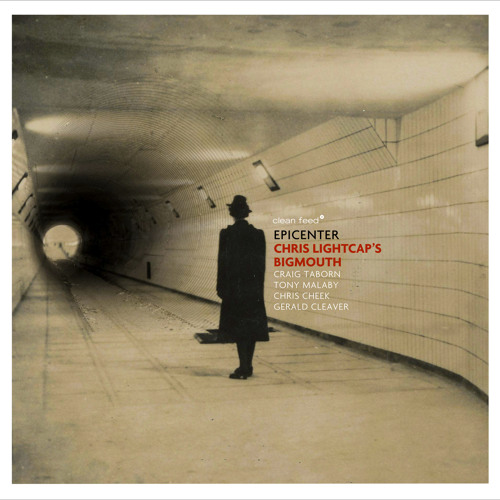
Bassist/composer Chris Lightcap is a busy musician, currently working in the groups of violinist Regina Carter, guitarist Joe Morris, drummer Matt Wilson, saxophonist Chris Cheek and pianist Craig Taborn.  The last 2 mentioned are also members, along with tenor saxophonist Tony Malaby and drummer Gerald Cleaver of the bassist's quintet, Bigmouth. He named the group after the title of his 2003 Fresh Sound New Talent recording which featured a song of the same name.  "Epicenter" (Clean Feed Records) is the ensemble's new recording, Lightcap's 4th as a leader since 2000, all of which feature a 2-saxophone lineup (the 3rd CD added alto saxophonist Andrew D'Angelo for several tracks).  Malaby and Cleaver have been in the group since its inception with Taborn joining as the 5th member in 2005 and Cheek replacing Bill McHenry before 2010's "Deluxe" recording (also on Clean Feed).

photo by Nada Zgank
The majority of the music on the new recording is the result of a commission (and grant) from Chamber Music America.  The composer created a suite titled "Lost and Found New York" - it's a musical documentary of his move to New York and his experiences over the past 15+ years. The 8-song program (interesting how all 4 of the bassist's recordings have 8 tracks)  opens with the forceful "Nine East", its insistent electric piano figures dancing beneath the whirling saxophones.  As the soloists step up, Lightcap keeps that musical figure alive while Cleaver pushes forward. The bassist then overdubs several acoustic guitars for "White Horse", the horns and organ moaning in the background while the melody moves around them. The title track opens to reveal a melody influenced by Ornette Coleman then into a muscular bass solo, an exciting piano solo and then both Malaby and Cheek solo.  There's is only a short ensemble before the piece reaches its conclusion. The evocative "Arthur Avenue" speaks of warm summer nights strolling the streets while "Down East" (and its 1950's style 2-handed piano chords) has the saxophonists wailing like r'n'b players "walking the bar". The rhythm section lays down a seductive rhythm for "Stillwell"; after the electric piano introduces the chordal structure, the saxes plays a melody that sounds inspired by Adulah Ibrahim's soulful South African music. Slowly, the intensity picks up through the various solos until the drums bring the listener down to silence.  There's tenderness in the quiet figures played by the saxophonists behind the rhythm section on "Stone By Stone", like a persistent gentle breeze. The music steadily opens up but never loses that tender quality.

The program closes with a raucous reading of Lou Reed's "All Tomorrow's Parties", a nod to the halcyon days of the late 1960s and a city that does not exist anymore.  Taborn pounds the keys of the acoustic piano, the saxophones play the plaintive melody, the bass throbs next to the pounding of the drums.  The music fades on the insistent piano chords, jangling like the composer's guitar often sounded but nodding to the trance-like figures of the early music of Terry Riley.

The music on "Epicenter" is built on the strength of the elemental drum patterns (which open up and settle down so organically), the strong melodic bass lines, the incredible motion of the keyboards and the praying, braying and soothsaying nature of the 2 tenor saxophones.  Chris Lightcap's Bigmouth opens wide, pulling at the listener to pay attention and enjoy how his songs describe his adopted home. For more information, go to chrislightcap.com.

Here's the title track:


The new CD from tenor saxophonist Doug Webb, "Tripl3 Play" (Posi-Tone Records, is a treat from the handsome opening notes  to the hair-raising riffs that bring the program to a close.  In between, Webb and fellow tenor men Walt Weisskopf and Joel Frahm swing, bluster and carouse their way through a set that literally roars out of the speakers. A good portion of the excitement can be attributed to how the trio interact and push each other into a fiendish yet friendly competition.  Also, one must give a lot of credit to the rhythm section of Brian Charette (organ) and force-of-nature that is drummer Rudy Royston for how they make sure the fires are always stoked.

There's nary a ballad to be found in the 60-minute run.  In fact, the music goes from swinging to burning and beyond.  Tunes such as "Avalon", "Giant Steps" and the title track hit the ground running and never let up. There's also a heady dollop of blues on tracks such as Randy Aldcroft's "Your Place or Mine" and Lou Donaldson's "Alligator Boogaloo." Try to sit still listening to Lanny Morgan's "Pail Blues" or Weiskopf's "Three's a Crowd" - impossible! Webb makes sure everybody gets heard therefore the solos are often short.  Yet, the results are not inconsequential. Sure, this is a "blowing session" yet there is great respect for the music, for the tradition and for keeping the listener satisfied. To find out more about the saxophonist, go to www.dougwebb.us.

Here's the opening track:


California native John O'Gallagher (alto saxophone) is a busy musician, working and recording with drummers Owen Howard and Jeff Williams, trumpeter Ralph Alessi, pianist Frank Carlsberg and a host of big bands.  "The Honeycomb" (Fresh Sound New Talent) is his 9th as a leader and a return to the trio format, the 4th CD he has released with just bass and drums.  These 8 tracks feature the magnificent voices of Johannes Weidenmuller (bass) and Mark Ferber (drums); they are equal partners in this venture, often engaging in conversations as he moves through a solo. The opening cut, "Uroboros" (named for the mythical serpent that eats its own tail) is one of several pieces that may remind you of the work that another brilliant alto saxophone, Henry Threadgill, produced with Steve McCall (drums) and Fred Hopkins (bass) in Trio Air.  The music twists and turns, with both the saxophonist and drummer using the bouncing bass lines as a springboard for their inventions.  "Petulant Snoot" comes in on quiet bass lines and splashing cymbals with a melody that suggest blues.  After several times through that melody, the energy picks up and O'Gallagher rides the fiery drums and the foundational yet freewheeling bass lines.  Yet, this is no ordinary "blowing session" in that every track has both a well-constructed melody and a well-defined foundation. The fun of the listening experience is hearing how the musicians work within and outside of the structure.  "Kerberos" (named for a computer authentication protocol) has an incredibly funky beat, spilling forward on the power of the drums and alto sax.  Even the excellent bass solo picks up on that energy.

"Go Where You Are Watching" is a quiet piece, with fine brush work throughout, plus a saxophone solo section where Weidenmuller not only sets the pace but also plays counterpoint.  O'Gallagher's lines are longer here, tones are sustained and there are delightful moments (just a few) when the sax and bass play the same notes. The title track has a slippery rhythm, starts slowly and then takes off like a race car, the saxophone solo a blizzard of rapid-fire lines that fly over the propulsive rhythm section (Ferber matches the leader's energy!)

By the time one reaches the final track, the powerful "Turducken", the seduction is complete.  Those people who love creative music, enjoy how musicians create a group sound while maintaining their own "voice", how pieces can have structure and "freedom" built into its performance, should really enjoy "The Honeycomb."  The music created by the John O'Gallagher Trio absolutely shines and is a powerful reminder that the best recordings are the ones where you hear the musicians "play" and not work. To find out more, go to www.johnogallagher.com.

Thursday, June 5, 2014

4 By 3s (Part 1)

"Boom Crane" is the name for the trio that includes Peter Van Huffel (alto saxophone), Michael Bates (bass) and Jeff Davis (drums) - it is also the name of the trio's debut CD on the Fresh Sound/New Talent label.  As someone brought up on great trio recordings such as "The Freedom Suite" by Sonny Rollins (with Max Roach and Oscar Pettiford) and "Air Time" (the cooperative trio of Henry Threadgill, Steve McCall and Fred Hopkins), I must admit to measuring every sax trio I have heard since then on those albums.

To my ears, Boom Crane rates high because their approach fuses the 2 styles heard on the albums and makes it sound new and quite.  The rhythms section plays with great verve throughout, offering the saxophonist not only a solid foundation but excellent sparring partners.  There are a flurry of tempo changes on Bates' "Automatic Vaudeville" and Van Huffel is right on top of each and every one. "More Room" is a group improv, flying in on Bates' percussive yet melodic bass solo (over sympathetic and playful drumming; when the sax enters, the piece makes a subtle shift, picks up in intensity and the driving rhythm section puts its pedal to the medal.  The title track, composed by Bates, is a blues shuffle, one that stops for short solos by each member save for the composer.  The melody has a strong feel of the blues, like an Ornette Coleman tune from his Atlantic years.  A dirge-like feel inhabits Davis's "Slipper Hero" until the piece splinters, opening up for a 3-way conversation that contains several tempo changes, a handsome overarching sax solo and splendid percussion from the composer. Davis's propulsive drums open the doors of "On Equilibrium", a Van Huffel piece that stops-and-starts, with several fine bass riffs and playful drums (at times, displaying a New Orleans feel.)

This music sound as if the trio of Peter Van Huffel, Michael Bates and Jeff Davis - Boom Crane - has a great time playing together.  They can all takes chances, all take the lead, all show a percussive side, giving the listener a thrill each time the music moves in a new direction or takes a solo jumps out of the speakers. There are a good many Trio CDs that lose their luster with the car windows - not this one.  Play it loud!  For more information, go to www.petervanhuffel.com.  

Bassist David Ambrosio has appeared on numerous recording through his career including 3 as a member of drummer George Schuller's Circle Wide, 5 as member of saxophonist Matt Renzi's group, and 4 with pianist Eri Yamamoto. He also has recorded with big bands led by Jamie Begian, JC Sanford/David Schumacher, and Asuka Akitani.  Ambrosio also has studied Afro-Cuban music and plays bata drum in different ensembles.

Since he's so busy, it probably should come as no surprise that "Gone" (Fresh Sound/New Talent is his debut recording as a leader.  With Loren Stillman (alto saxophone) and Russ Meissner (drums), the bassist creates a program that hews more to the Sonny Rollins model; the music swings, the band has great interaction, and songs are vehicles for solos.  Stillman contributes 4 of the 7 songs, Ambrosio 2 and Meissner 1.  The drummer's composition, "Brahmin", is the only true ballad on the CD, has a lovely melody, and features several strong solos. Meissner's cymbal work shines throughout the program, none more than on Ambrosio's "Matter of Fact" - the way he plays beneath the bass solo makes it stand out more.  Stillman's work here is exemplary, caressing the melody with short phrases or held notes.  Actually, he play gracefully throughout the recording, whether it's putting an Ornette Coleman spin on "The Proof Is In The Pudding" or more of a Lester Young sweetness to the title track.

"Gone" is more of a cool breeze than a hot wind but that does not mean you should ignore this music.  The songs have more of an intimate feel, the mix is neither hot nor loud, and one can tell these musicians really listen to each other (and are not just going the motions).  For more information, go to www.davidambrosio.com.