Showing posts with label Fresh Sound New Talent Records. Show all posts

Wednesday, April 20, 2022

Ornette, Or Not

Here are two  bands, each peopled by musicians who all have their own ensembles and whose sonic palette is influenced by that of the Ornette Coleman quartet of the late 1950s-early 1960s that recorded for Atlantic Records. The group featured Ornette (alto saxophone), Don Cherry (pocket trumpet), Charlie Haden (acoustic bass), and either Billy Higgins or Ed Blackwell on drums.  

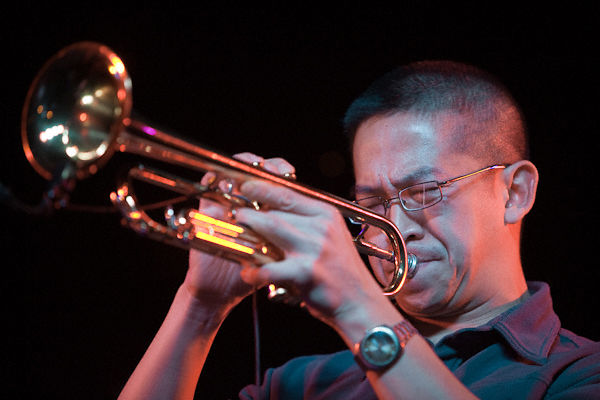
Kind Folk features (from left to right) Colin Stranahan (drums), John Raymond (trumpet, flugelhorn), Noam Weisenberg (bass), and Alex LoRe (alto saxophone). The quartet takes its name from a Kenny Wheeler piece and his spirit certainly can heard throughout their 2018 debut "Why Not" (Fresh Sound New Talent). In June of 2021, the group reconvened, each member bringing in new material. Stranahan, having worked with guitarist/pianist Kurt Rosenwinkel, suggested to his compatriots one of his tunes ("Mr. Hope") as well as bringing in an arrangement of Elliot Smith's "Between the Bars". Perhaps it was the time in lockdown and all the lost gigs (plus the worries of surviving the pandemic) but there is an extra urgency to this music.


"Head Towards The Center" (FSNT Records) is the album's name and also the final track.  The nine-song program opens with a group improvisation, "Where Am I", a veritable sonic and physical centering piece that introduces listeners to the quartet's leanings towards melody.   The bassist strums the band in on Raymond's 'Power Fall", a piece that reminds this listener of the music of Booker Little (1938-1961). LoRe's solo rises out of the unison theme and he partakes in an exciting push/pull with the bass drums.  Raymond hovers in the background until he steps into his spirited, crisp-toned, exploration of ideas.  He switches to flugelhorn for his other tune "Sweet Spot".  The bassist introduces the melody while the brass and alto murmur in the background.  One hears a tinge of Lee Konitz in the clear-tones of the alto sax lines. There's a hint of melancholy in the flugelhorn solo that picks up intensity as it rolls forward.

LoRe, Weisenberg, and Stranahan dance "Mr. Hope" in with Raymond joining on the last part of the theme. The song really swings with the fast-paced waking bass line and the drummer's hearty swing.  More strummed bass chords followed by a slow bass melody opens the Smith track, a deliberate, sweet, blues-soaked ballad. The combination of soft alto sax lines with Raymond's emotional flugelhorn phrases in the solo section is a highlight of the program, especially when Stranahan responds to their growing urgency.

As I wrote above, the title track closes the album. The throbbing floor drums beneath the intertwined reed and brass opens the song in a somber fashion. As the music moves forward, the contrapuntal lines pick up intensity, freeing up the drummer while the bass holds down the bottom.  LoRe and Raymond continue to feed off each other until a drum solo over strummed bass chords brings the music to a close.

 "Head Towards the Center" is an album built around the love of music and melody, the excitement of exploration and interaction, and the need to push away the darkness of daily life. Kind Folk does listeners a kindness by playing with integrity and passion, not settling for easy solutions. Give them a good listen!

For more information, go to www.kindfolkband.com

Here's the quartet's version of Elliot Smith's "Between the Bars":


Way North, the collaboration of three Canadians––tenor saxophonist Petr Cancura, trumpeter Rebecca Hennessey, and bassist Michael Herring––with American drummer/percussionist Richie Barshay came together in 2014 (same year as Kind Folk above) through their love of music.  There's a New Orleans-inspired looseness to their music but don't get the idea they are lazy. They like melody, harmony, danceable rhythms, mixing it all together in a delightful gumbo.


"New Dreams, Old Stories" (Roots 2Boots Recordings) is the quartet's third album and continues their adventures into jazz, blues, funk, and more. The title of the album is a nod to Old & New Dreams, the quartet that featured saxophonist Dewey Redman, Don Cherry, Ed Blackwell, and Charlie Haden (all alumni of Ornette Coleman's ensembles). Bassist Herring, in fact, penned the ballad "If Charlie Haden Couldn't Write a Song to Bring World Peace , What Hope is There for Me?", the lovely ballad right in the middle of the 12-song program. Outside of that, much of this music will keep you tapping your feet.  The album opens with Ms. Hennessey's "Play"––listeners  can ravel in the playful melody, in the delightful dance of the rhythm section, and in the sweet solos.  The tempo seems to be doubled on Cancuras's "I'm Here To Stay" with Barshay's thundering drums pushing Herring into a "running" bass line.  

Several tracks include group vocals including the bluesy ballad "Come Over to Our House". Composed by Herring, there are short vocal refrains wrapped around the soulful tenor sax solo, the sweet trumpet spot, and a sparkling bass solo.  Ms. Hennessey's "Dr. Good" has a raucous New Orleans feel, a snappy vocal chorus, a growling tenor sax spot, a clarion call from the trumpet, stomping drums, and a thick bass line.

Drummer Barshay, who now teaches in Boston and also performs with The Klezmatics, offers up the sprightly Venezuelan traditional "Pajarillo Verde", replete with delightful rhythm changes, splendid bass work, and short but pithy solos all around.  Barshay also arranged Jackie McLean's "Dig" for the quartet––it's a playful romp that features powerful solos and on-the-dime tempo changes. 

"New Dreams, Old Stories" closes with the lilting ballad/lullaby "When You Say Goodnight to Me"––composed by Ms. Hennessy and Herring, the music feels likes a hymn and, at the same time, a love song. Sweet and satisfying, it's just the right song to finish a program that is so inviting, so much fun, and so well-played.  Way North is not about technique, it's about how one can have a good time in the midst of a crazy world creating music from the heart and soul. Enjoy!!

For more information, go to http://waynorthband.com/.  To hear more of the album, check out the band's other two albums, and to purchase any or all of them, go to https://waynorth.bandcamp.com/

Here's the title track:

Tuesday, November 12, 2019

Contemporary Music with Roots

Photo: Dimitri Louis
Guitarist and composer Miles Okazaki has proven to be quite an adept person in the Contemporary Music scene. His 2018 recording of "Work (the Complete Compositions of Thelonious Monk"), which is a solo guitar exploration of the man's oeuvre, was fascinating and still reveals new layers each time one returns to it.  Now, he's back with his Trickster quartet – Matt Mitchell (piano, Fender Rhodes, Prophet-6), Anthony Tidd (electric bass), and Sean Rickman (drums) – his "electric" adventure into and out of inner worlds and myths (if you want to understand the music's back story, go to www.milesokazaki.com/albums/the-sky-below-2019/ and read the "liner notes.")

Listening to this group's second recording "The Sky Below" (Pi Recordings), even without the notes, is a fascinating experience.  There are links to the "jazz-fusion" of the 1970s, e.g. Chick Corea's electric Return To Forever as well as to the sounds saxophonist-conceptualist Steve Coleman has been making with the M-Base Collective for the past three+ decades.  The Coleman connection also includes his current rhythm section of Tidd and Rickman, chosen for its ability to lay down the foundations plus be part of the melodic explorations.  Listen to the three-way dialogue on the opening cut "Rise and Shine" between Okazaki, Mitchell (who replaces Craig Taborn from the first album), and Tidd, how each musicians has a complimentary melody to what the other is playing.  When Rickman's expressive drums are added, the piece takes off in a different direction.  Notice how Tidd sets the pace on "Dog Star", how the melody is built off his bass line, and how the different keyboards of Mitchell move in and around Okazaki.

The blend of acoustic guitar and drums at the onset of "Seven Sisters", with the leader handling the melody (and the bassist the foundation) while Rickman s the "lead" voice is impressive.  The piece picks up intensity when the drums fall into the beat and Mitchell engages in a dialogue with Okazaki's electric guitar (note the acoustic piano is locked in with the bass while it's the Prophet-6 interacting with the leader).  The subtlety in the arrangements, even as the music moves from a roar to a whisper, stands out.

There is so much to take in as you listen to "The Sky Below"; note the use of layering keys and guitars and how the activities of the rhythm section add so much to how the music stands out.  Miles Okazaki, who has been touring Europe with his "Works" music as well as being part of Mary Halvorson's Quartet playing the music of John Zorn, produces music with Trickster that will not only challenge the listener but make them move their feet!

For more information, go to milesokazoki.com.

Here's the opening track:


Photo: Tayla Nebesky
Pianist and composer Marta Sánchez, born and raised in Madrid, Spain nonliving in New York City, is, like many of her contemporaries, a very busy musician.  She first came to the US and to New York in 2011 on a Fulbright Scholarship – she studied at New York University and soon formed her Quintet.  Ms. Sánchez had led a trio and quartet while living in Spain, recording several albums as well as working as a sideman for numerous projects. Her US group included the rhythm section of bassist Sam Anning and drummer Jason Burger plus saxophonists Roman Filiu (alto) and Jerome Sabbagh (tenor).  They released their first album in early 2015 on Fresh Sound New Talent.  By 2017 when the second album was issued (also on FSNT), the rhythm section now included bassist Rick Rosato and drummer Daniel Dor.

The Quintet, now with tenor saxophonist Chris Cheek instead on Sabbagh, now has its third album.  "El Rayo de Luz" (FSNT). On the second album, "Danza Impossible", Ms. Sanchez created much of the program to have the feel of dancing, swaying, and that trend is continued on the new recording.  Thete is also a touch of mystery to the stories the band tells on these eight songs. The mix of Filiu's alto and Cheek's tenor also gives the music, especially on the opening "Cascadas", a sense of urgency.  Pay attention to how easily the rhythm section moves as well as to how Ms. Sánchez "colors" in the background.  Her solo starts quietly and, while it does pick up in intensity, it's also a pleasure to hear how she expands the melody and her thoughts throughout the improvisation. The next track, "Parmesano", continues in that same vein but now Dor is responding to the soloists and pushing them forward.

Photo: Tayla Nebesky
"Nenufar" is a handsome ballad that on which Ms. Sánchez creates a lovely long solo.  Cheek continues along a similar road that the pianist created until Filiu reenters and the song moves to its close.  The combination of the saxes on the circular phrase that opens the title track is so seductive that the pianist and bassist pay a version of it. As the piece expands, the saxes move in and around each other, coming to together for unison and harmony lines.  As the dogs moves into the solo section, note the work of Rosato and Dor, the simple bass patterns (simple in that there are few notes) and the dancing cymbal work over the insistent piano creating a rhythm cushion for Fillies exploratory solo.  The bassist gets a short spotlight that is so melodic that it adda to the music rather than slows it down.

By the time the band and the listener reach the final track, one realizes how special this music is. Though the cut is titled "Unchanged", one cannot help but be changed by the music Marta Sánchez and the Quintet play here.  There's traces of Wayne Shorter and Guillermo Klein in the rhythms and melodies but neither the composer nor the musicians imitate anyone.  The Quintet are familiar with the material that Ms. Sánchez created for them; one can tell they truly listen to each other and are comfortable taking chances.  Try and see this ensemble live!

For more information, go to www.martasanchezmusic.com.

Here's the title track:


Since first coming to critical notice in 1990, Avram Fefer (alto, tenor, soprano, and baritone saxophones, clarinet, bass clarinet, flute, alto flute) has created music that can melt your speakers as well as pieces the can melt your heart. Fefer studied at Harvard, Berklee College, and the New England Conservatory of Music.  In his 20s, he moved to Paris, France, playing with numerous US ex-patriates such as Archie Shepp and Sunny Murray as well as groups from Senegal and the Arab world. He has worked with David Murray's Big Band, Go: Organic Orchestra, Greg Tate's Burnt Sugar, and bassist Michael Bisio.  His debut as a leader was issued by Cadence Jazz Recordings and featured bassist Eric Revis who has graced a number of his bands and recordings.

His new recording, "Testament" (Clean Feed Records), is his 15 or 16th album was a leader. It's credited to the Avram Fefer Quartet and features Revis, drummer Chad Taylor (who's been a member of Fefer's trio for over a decade), and guitarist Marc Ribot.  The eight tracks from the swinging "Dean St. Hustle" that opens to the album to drummer Taylor's prayer-like tribute to the late African bassist "Song For Dyani" (the only track on the album not composed by Fefer).  A West African feel permeates "Wishful Thinking", a piece that features splendid drumming by Taylor and foundational bass work from Revis.  The Quartet takes its time to get through the melody but then Fefer take off on a lengthy and playful solo, pushed forward and higher by the rhythm section. Ribot takes over and digs right into a loud solo that rides over the powerful beats. Fefer reenters for a wild moment dropping back to the bass and drums and the opening theme.

The title track roars forward on the interaction of the sax and guitar while Taylor thunders under them and Revis gets in on the melody.  The music never gets into a rhythmic flow which allows everyone to "attack" the piece. After the tenor sax solo, Ribot tears the speakers to shreds while Revis and Taylor go on a sonic rampage (the drummer must be in great shape as he never lets down through the entire song and that includes his interactions with the bassist that leads to the final moments of the song).  The final piece, "Essaouria", is named for the Moroccan coastal city on the Atlantic Ocean.  Taylor and Ribot set the sensual mood with Revis's insistent bass line moving the piece forward. Fefer's handsome melody sings out, not forced with the guitar chords ringing alongside. The intensity picks up during the sax solo yet the rhythm section takes its time.  Ribot's solo is quite rhythmical, having fun interacting with Taylor and Ribot. The music flows, often floats, and keeps its cool throughout.

"Testament" is an excellent collaboration between the four masters who make up the Avram Fefer Quartet.  Fefer, Marc Ribot, Eric Revis, and Chad Taylor play with fire, conviction, and plenty of joy. This, too, is a band worth seeing live but the album truly captures the essence of this powerful music.  Play it loud!!

For more information, go to www.avramfefer.com.


You'll note that all three of the music samples above come from Bandcamp.com.  You can buy the music and be assured that the artist gets a higher share of the profit than from other streaming services (especially if you use Spotify).


Tuesday, October 10, 2017

Musicians From Israel (Pt 1)

As I am writing this post, radio stations throughout the US and elsewhere are celebrating the 100th birthday of Thelonious Monk.  None of the albums reviewed below have Monk compositions yet his music has influenced musicians from around the world for the last 70+ years. Ethan Iverson wrote an excellent appreciation for The New Yorker and you can - and should - read it by clicking here.
********************************************
It's amazing how many musicians from Israel have taken up residence in the United States. Among the first to be noticed was bassist Avishai Cohen who first came to critical notice when he joined pianist Chick Corea's group in 1996.

Clarinetist-saxophonist Anat Cohen came to the United States to study at Berklee College around the same time bassist Avishai Cohen (no relation - her brother Avishai is a much-heralded trumpeter) joined Corea's Origin sextet.  Moving to New York City in 1999, she joined DIVA Jazz Orchestra as well as several Brazilian ensembles plus David Ostwald's Gully Low Jazz Band, an ensemble dedicated to the music of Louis Armstrong.  In 2005, she started Anzic Records and had released eight albums as a leader, four as the Three Cohens (with her brothers Avishai and saxophonist Yuval), two each with the Choro Ensemble and Trio Brasileiro, and a duet with Brazilian guitarist Marcello Gonçalves. She has also recorded as a side person with numerous bands plus tours in a duo setting with pianist Fred Hersch.

The eighth Anzic album is "Happy Song" and features a fascinating Tentet playing quite a repertoire mostly arranged by Oded Lev-Ari (he's also the co-producer with Ms. Cohen). The ensemble for this recording includes Rubin Kodheli (cello), Nadje Noordhuis (trumpet, flugelhorn), Nick Finzer (trombone), Owen Broder (baritone saxophone, bass clarinet), James Shipp (vibraphone, percussion), Vitor Gonçalves (piano, accordion), Sheryl Bailey (guitar), Tal Mashiach (bass), and Anthony Pinciotti (drums).

 The material ranges from klezmer (the album's centerpiece is the 12:26 "Anat's Doina", a medley of three traditional melodies) to Brazil (a sweet arrangement of Egberto Gismonti's "Loro") to several impressive standards (Owen Murphy's snappy "Oh Baby" from 1924, made famous by Bix Beiderbecke and Gordon Jenkins's "Goodbye" composed in 1935 and a tune that became Benny Goodman's sign-off tune).  The program opens with two originals from Ms. Cohen, the funky title track followed by the handsome ballad "Valsa Para Alice", a piece she recorded with Trio Brasileiro on their 2016 collaboration "Algeria Da Casa."  Lev-Ari's original contribution is "Trills and Thrills", a seven-minute sonic adventure that opens in rubato until Ms. Cohen plays the lovely melody and the piece opens up with contributions from all building to a powerful, blues-drenched finish. The album's final track is "Kenedougou Foly", a high-spirited romp composed by Malian balafon artist Néba Solo (the 2006 album that features this song is well worth examining) - arranged by Ms. Cohen, each member of the Tentet adds his or her personal touch and the joyous piece is worth playing at very high volume. Special kudos to Messrs. Shipp and Pinciotti for their impressive work driving the band.  It should remind some close listeners of the work of Pierre Dørge's Jungle Orchestra.

This album does live up to its name. There are solemn moments but the album opens and closes on such "highs" that one walks...no, dances away from the speakers.  From the delightful Milton Glaser cover painting to Ms. Cohen's highly expressive clarinet playing to the intelligent and inventive arrangements and the "knockout" ensemble, Anat Cohen's Tentet's "Happy Song" is a treat to hear over and over.

For more information, go to www.anatcohen.com.

Here's the title track:


Bassist and composer Or Bareket had an international upbringing. He was born in Jerusalem, raised in Buenos Aires, Argentina, and then in Tel Aviv, Bareket (whose brother Eden is a baritone saxophonist) is now based in New York City.  His debut album as a leader (he's worked or recorded with drummer Ari Hoenig, pianist Aaron Goldberg, plus vocalists Cyrillé Aimee and Camila Meza), "OB1" (Fresh Sounds New Talent), features guitarist Shachar Elnatan, pianist Gadi Lehavi, and drummer Ziv Ravitz.

The album opens with a bluesy guitar intro that leads into "Patience", a song that has a jump and an irrepressible forward motion that gets interrupted every now and then with melodic interludes.  Sound engineer Luis Bacque does an amazing job of capturing the band's sound, you can clearly hear the quartet's interactions as well as the intimate relationship of the drums and bass. Bareket's sound and attack remind this listener of the playing of Eric Revis; they are both so melodic yet can be percussive when need be.

What stands out throughout the program is how melodic these songs are. Influences from Middle-Eastern music, traditional Israeli music, and the innovations of 1960s Blue Note Recordings move in and out of pieces such as "Snooze" and "Misdronoth"; One hears a more traditional melody on the piano-bass duo "Elefantes I" et the piano backing has a classical feel, especially when Lehavi plays beneath the bass solo.  Still, the fun is allowing the music to just roll over you, to listen closely, then at a distance, and to hear how the music often moves seductively.

Percussionist Keita Ogawa and accordionist Vitor Gonçalves join the group for "La Musica Y La Palabra", a lovely tango composed by pianist and vocalist Carlos Aguirre.  The leader and accordionist have several lovely moments when they play the same phrases.  It's a haunting melody and Bareket deserves much praise for filling the piece with long solos but for embracing the melody with short solos that rise organically out of the thematic material.

The album closes with "Shir Lelo Shem (Song with No Name)" - composed by one of the earliest Israeli-born "rockers" Shalom Hanoch (born 1946), Bareket plays it solo, sticking to the handsome melody with several short solo excursions.  His notes are well articulated and he never lets technique stand in for emotion.

"OB1" is a memorable debut that stands out as much for the excellent musicianship as for its thoughtful melodic content.  One hopes Or Bareket continues his quest for what he has created here bodes well for his future as both a musician and composer.

For more information, go to www.orbareket.com.


One of the essential components of jazz has how the blues has been integrated into the music. Sometimes, you can hear it in the chord progressions, sometimes in the anguished cries or gleeful shouts of the musicians, and sometimes it's how the composer and/or musician approaches the material and performance. "Antidote" (AIMA Records) is the fourth album from Jerusalem native Rotem Sivan and the first since the guitarist/composer a seven+ year relationship with his girlfriend ended and new person entered his life.  Recorded with his "working" band of Haggai Cohen Milo (bass) and Colin Stranahan (drums), the album is, not surprisingly, an emotional roller-coaster.

photo by Tomasz Handzlik
The opening track, "Shahar", has a lighter feel. Built upon a powerful bass line and splendid brush work, the guitarist flies over the rhythms.  The title track follows. It's a bit darker, there are a touch of electronics in the background, and the melody is accompanied by whistling and wordless vocals. Milo's bowed bass work helps the dark mood as does the short, highly amplified, break.  But there is hope in the melody.

Vocalist Gracie Terzian joins the trip for a funky, danceable, version of "Somewhere Over the Rainbow" - the touch of hip hop in the rhythm section and the "chill" vocal gives the music less of a wistful feel and feels more positive.  The other non-original is Bob Dylan's "Make You Feel My Love" which turns out to be a vehicle for Milo's wonderfully melodic bass.  Sivan takes several choruses but does not stray far from the melody until his powerful solo. Urged on by conversational drums of Stranahan, the guitarist does step out and continues to ride the percussive wave until the piece fades out. Interesting to note - several cuts earlier, Sivan's hard-edged "Sun Song" sounds like variations on the Dylan song.

The bluesiest track is the ballad "Aloof", a piece with a country twang in the melody and another excellent bass solo.  Milo, who has worked with pianists Omer Klein and Jarrett Cherner plus has worked with numerous choreographers, knows how to shape a solo.  The counterpoint he creates for the drum solo on "For Emotional Use Only" includes low notes that resonate on the bottom.  The song goes through several sonic changes before the guitarist turns up his amp and rips off a powerful solo.

Rotem Sivan channeled his heartbreak and bewilderment into his music and, thanks to his trust and love for his bandmates, came up with his "Antidote."  Instead of burying himself in long self-indulgent solos, these 11 tracks come in at 38 minutes yet one does not feel short-changed.  Give it a listen at rotemsivan.bandcamp.com/album/antidote-full-album.

To learn more about the guitarist, go to www.rotemsivan.com.

Here's one of the tracks:

Tuesday, April 25, 2017

Strong Music, Subtle Message

Trumpeter David Weiss leads two of the most dynamic bands playing these days and nights. As a player, he takes a bit of a back seat in The Cookers (the septet with Billy Hart, George Cables, Billy Harper, Eddie Henderson, Cecil McBee, and Donald Harrison) - Weiss is much more prominent in Point of Departure, a quintet (plus guests) that takes its name from an Andrew Hill composition (and album).  This group mines music from the late 1960s and early 70s from composers like Hill, Tony Williams, Wayne Shorter, and two men closely associated with the Detroit music scene of that time, pianist Kenny Cox and trumpeter Charlie Moore.  Those two musicians, who recorded as the Cox and The Contemporary Jazz Quintet, had a big effect of Weiss and he has recorded a number of their pieces with Point of Departure.

"Wake Up Call" (Ropeadope) is the ensemble's fourth CD. The 9-song program is broken into three sections, "I. Prologue", "II. Unfinished Business", and "III. New Beginning".  Judging by the power of the music, I believe that Weiss is telling his audience that these songs, many of them from the raucous years of the late 1960s, are indicative of the turmoil in this country at that time and how they reflect these troubled times. Besides Weiss on trumpet (and Fender Rhodes on 2 tracks), Point of Departure is composed of Matt Clohesy (bass), Ben Eunson (guitar), Myron Walden (tenor sax on 6 tracks), J.D. Allen (tenor sax on 3 tracks), Nir Felder (guitar on 3 tracks), Travis Reuter (guitar on 6 tracks) and, for my money, the most important element in the group, drummer Kush Abadey. The drummer, who first came to critical notice at the age of 16 when he joined Wallace Roney's group, has worked with Terence Blanchard, Chris Potter, Tomasz Stanko and many others.

The album opens with "Sanctuary", a John McLaughlin songs from the Mahavishnu Orchestra'a 1973 album "Birds Of Fire."  The music starts slowly but soon Abadey plus guitarists Eunson and Reuter are creating a roiling rhythm for Walden's intense solo.   "..Unfinished Business" begins with Wayne Shorter's "Two Faced", a song first recorded by the Miles Davis Quintet in 1968, appearing on 1976's "Water Babies". At 12:22, it's the longest track and takes its time to build up steam - there are strong solos from Weiss and Allen, both fairly long and both feeding off the energy of the rhythm section.  Two songs from Charles Moore follow, the funky uptempo "Multidirection"(reminiscent, at times, of "Theme from Shaft") and the delightful ballad "Noh Word." On the latter track, Allen's soulful solo rolls into Felder's, a more impressionistic take over the powerful drums.

The third, and longest, section, "New Beginning" opens with Joe Henderson's "Gazelle" (recorded in 1970) - the piece rides the rampaging drums (listen to Abadey under Walden's fiery tenor solo) and percussive guitar. Cox's "Sojourn" has an understated power, pushed by the rhythm section and the counterpoint of the guitars. Perhaps the most fascinating cut in the program is "Sonhos Esquecodos" from Brazilian composer Lelo Nazario (recorded in 1982 as a member of Grupo Um).  Sandwiched between two pieces by Tony Williams, the song has a long rubato beginning (yet listen to the power of Abadey) with trumpet and saxophone playing the melody (actually sounds like a tune Weather Report may have produced in its early years). Once the piece settles into a groove, Reuter's hard-edged solo ratchets up the intensity.

"Wake Up Call" is intense music, so much so that even the quieter moments have great power. Listen to this music for its messages, for the solos, for the amazing work of Kush Abadey and Matt Clohesy, for the smart two-guitar work, and for its power.  David Weiss & Point of Departure wants you to get off your feet and let the music created here push you to action.

For more information, go to davidweissmusic.com/projects/david-weiss-point-of-departure/.

Take a listen:


Tenor and soprano saxophonist Jason Rigby, from Cleveland, Ohio, is a busy musician and educator. He leads or co-leads four groups and is currently an Assistant Professor of Jazz/Commercial Saxophone at Towson University in Maryland. His third album as a leader, "One: Detroit - Cleveland Trio" (Fresh Sound New Talent), features the rhythm section of bassist Cameron Brown and drummer Gerald Cleaver, both of whom hail from the Motor City and recorded with Rigby on his 2009 FSNT album "The Sage."  In fact, Brown was also on Rigby's 2006 debut for Fresh Sound, "Translucent Space."


Right from the opening moments, "One" is a treat for lovers of saxophone trio music. "Dive Bar" is a duet for tenor and drums - Cleaver opens the piece with a short introduction, a thunderous setting for Rigby to enter with a melody not unlike the initial theme of Sonny Rollins's "Freedom Suite."  The power of the drums and the writhing saxophone lines sink their hooks into the ears of the listener and do not let go for seven minutes. Brown leads the trio in on ""Dorian Gray" with a three-note bass line then joins Rigby to play the theme. The tension created by the rhythm section gives the tenor plenty of room to play around. Rigby is a strong player but not a "shouter" or ""screamer", there's a subtlety to his lines that give a song like "Live By The Sword" its focus yet his phrases hint at the work of Albert Ayler - listen to Brown and Cleaver as they freely navigate underneath. Both musicians stoke the fires of this music without losing control or direction.

Yet, there are quieter moments with strong melodic flourishes.  The Richard Rodgers - Lorenz Hart standard "You are Too Beautiful" (composed in 1931 for Al Jolson) starts off quietly with Rigby emphasizing the melody and building his solo from the theme. Pay attention to the great counterpoint of Brown and the sweet brush work of Cleaver.  The saxophonist goes solo on the Gershwin's "Embraceable You", creating a mini-symphony and taking his time to reference the melody. He breaks out the soprano sax for Herbie Hancock's "Speak Like a Child", playing the melody against Brown's excellent counterpoint and Cleaver's splendid cymbal playing.  Rigby's solo is mesmerizing, short phrases repeated, bouncing off the low notes of the bass, twisting around the poly-rhythms of the drums, and slowly picking up in intensity but never boiling over.

"One" is a good title. Yes, this is a trio recording but the musicians approached the session of one mind; to play hard, smart, and together.  One can hear plenty of "freedom", with the sax, drums, and bass seemingly going in three directions at the same time but never at cross purposes. Listen to the music of Jason Rigby: The Detroit - Cleveland Trio with open ears and you will be rewarded many times over.

For more information, go to www.jason-rigby.com.

Enjoy the opening track:

Tuesday, June 21, 2016

Guitar Adventures (Pt 2)

Sebastian Noelle, German-born guitarist and composer, is probably best known as a large ensemble guitarist. He's a member of Darcy James Argue's Secret Society, the Chris Potter Big Band, Joe Phillips Numinous, the New York Soundpainting Orchestra, and Jeff Fairbank's Project Hansori, and others.  He has also worked in smaller groups and his first two CDs for Fresh Sound New Talent as a leader featured quintets.

"Shelter" is his third CD for the label (fourth overall) and it, too, features five musicians. Joining the guitarist on this 10-track program of originals are Marc Mommaas (tenor saxophone) and Matt Mitchell (piano) plus the superb rhythm section of Matt Clohesy (bass) and Dan Weiss (drums). Listening through several times, the work of the rhythm section and how the piano, bass, and drums create sparks on just about every cut stands out.  Noelle's compositions and arrangements are smart, the melodies offer the rhythm section choices.  Listen to how Weiss constantly changes his accents and snare drum on the medium tempo ballad, "Another Spring" and how Mitchell and Clohesy frame the melody of "Day Off."  The rhythm section gives Mommaas such a sweet cushion on that latter track, enough so his solo feels effortless.  There is a deliberate quality during the introduction to "Mirror Lake"; then the piece goes in several different directions with a fascinating fragmented melody before a splendid solo from Mitchell (he dazzles in several solos on the album). Noelle's folk-like introduction to "Home In a Strange Land" includes Clohesy on the melody over the circular piano lines. Soon, Mommaas takes the melody, sharing the second half with the bass. Everyone but Weiss gets in on delivering the theme yet he's quite active under the tenor and guitar interaction.

The influence of Indian music is evident on "Ahir Bhairav." - Based on a classic Indian modal form, the piece gets its power and movement from the circular melody lines and Weiss's tremendous drum presence.  Most listeners know of his vast knowledge of tabla drums and Indian rhythms; on this track, he uses his trap set to lay the melody line, bouncing around beneath the powerful guitar solo while Clohesy stays tethered to the song's thematic material.  It's just so amazing to hear how the entire band states the rapid-fire melody before and after the impressionistic tenor sax solo.

"Shelter" is such a full band project. Sebastian Noelle has created music that involves his entire group and the listener.  His handsome melodies and intelligent arrangements plus the fine work of his Quintet allows the listener to "get lost" in the music, to savor the delightful rhythms and the interactions within each piece, and, ultimately, to enjoy the results.

For more information, go to www.sebastiannoelle.com.

Here's a short video about the album:


Guitarist and composer David Gilmore, a native of Cambridge, MA, is in the midst of a very busy career.  His guitar playing has graced albums by Wayne Shorter, Sam Rivers, Cassandra Wilson, Steve Coleman, Jeff "Tain" Watts, and many others as well as touring with the likes of Mavis Staples, Me'Shell N'degocello, Isaac Hayes, and Melissa Etheridge.

"Energies of Change" is not only the name of the guitarist's latest CD (released on Evolutionary Music) but also the name of the Quintet playing the music.  Recorded in December of 2010 (with additional work in November 2012), the nine originals feature the guitarist with Marcus Strickland (soprano, alto, and tenor saxophones, bass clarinet), Luis Perdomo (piano), Ben Williams (bass) and Antonio Sanchez (drums). This is a band of great soloists and leaders and they give Gilmore so many sonic possibilities.  The music can soar as it does on the fiery "Rajas Guna" with its Mahavishnu-like melody line. Strickland (on tenor) and Gilmore take advantage on the tremendous work of Perdomo, Williams, and, especially Sanchez who continually pours percussive gasoline on the musical fire. "Over Shadow Hill Way" reads like a Wayne Shorter title and even sounds like it could have come off of the great saxophonist's 1995  "High Life" album. The percussive attack of both Strickland (soprano) and Gilmore is fueled by Sanchez's inventive give-and-take while Perdomo responds with lines that ripple across the keyboard.  The drummer teams with guest Kofo Wanda (talking drum) on "Dance of Duality" to create a sensuous rhythm, aided pleasingly by Williams pulsing bass lines.  The blend of soprano sax and guitar,the percussive counterpoint of Perdomo's piano plus the percussion interaction makes this track a joyous romp.

The fluidity of the piano and guitar on the opening of "Awakening" leads the listener into what sounds like a typical world. But, surprise, there's a "straight-ahead swing" section for Gilmore, Williams, and Perdomo craft fine solos.  There is more of a gentle swing on "Sacred Pause"; after the soprano and guitar state the melody, Strickland creates a solo that flies above the rhythm section setting the stage for Perdomo's dancing solo.  Sanchez's cymbal work, the counterpoint of the bass, and Gilmore's easy chords keep the attention on the solos. The leader gets his turn as well, creating a furious dialogue with the drummer that shakes up the song but does not knock it off its moorings.  The CD ends on a fine and funky note, with the clicking guitar and rattling drums leading the tenor saxophone and piano in to "Trick Of I." Gilmore's solo is a highlight, moving from rapid-fire single-note lines to a chordal conclusion (they reappear again during the fadeout) that leads into Strickland's rapid-fire lines.

Give this album some time to sink into your mind.  Listen to how well-balanced the songs are, how David Gilmore arranges each piece so that every member of the quintet plays up to his full potential, and how Antonio Sanchez gives each track such life from his drum seat. If you enjoy guitarists like Kurt Rosenwinkel and Brad Shepik, "Energies of Change" should make you very happy.

For more information, go to www.davidgilmore.net.

Here's a video of the band from 2013 with Rudy Royston in the driver's seat:


Saturday, May 21, 2016

Such Sweet Thunder

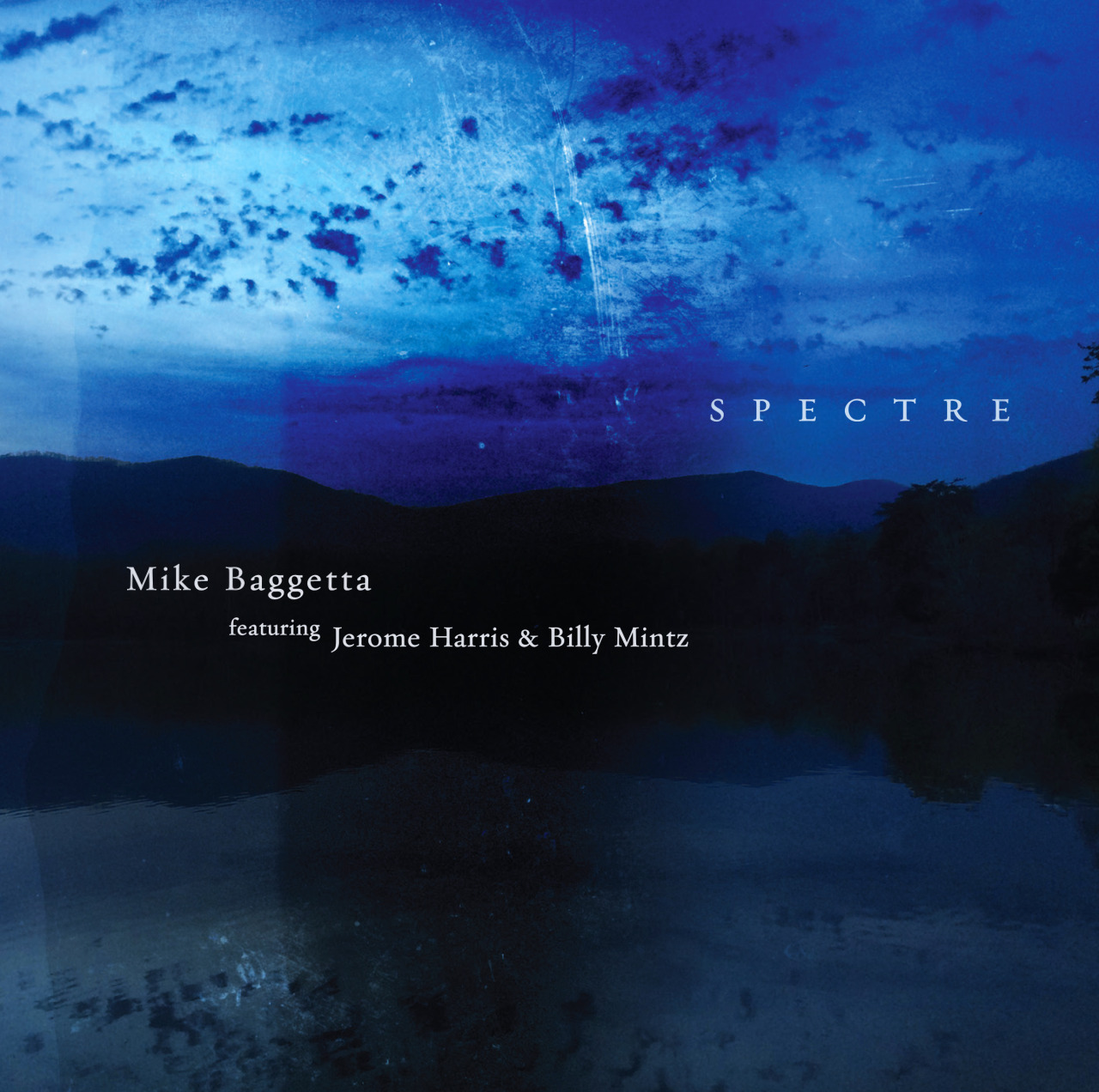
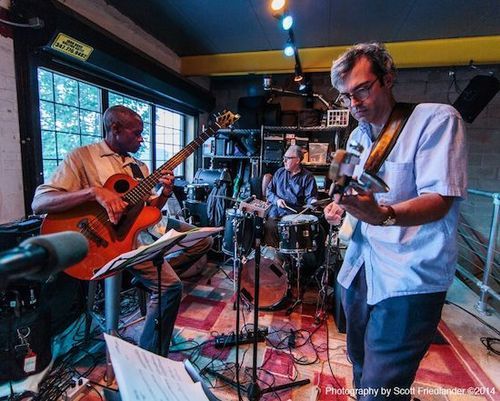
Having seen guitarist Mike Baggetta play in a solo setting, duo with trumpeter Kris Tiner in their TIN/BAG ensemble, and in his long-running quartet with saxophonist Jason Rigby, drummer George Schuller, and bassist Eivind Opsvik and Cameron Brown, I was excited to see "Spectre" (Fresh Sound New Talent) arrive as a trio date.  With the acoustic bass guitar sounds of Jerome Harris, the drum work of Billy Mintz, and the leader's guitars plus live processing, one would expect this music to go in many directions, and it certainly does. Five of the nine tracks are Baggetta originals, there is one track credited to all three ("Second Prelude", the opening cut), a heavy-metal inspired cut, "Nasty" composed by Mintz, Wayne Walker and Webb Pierce's country classic "Leavin' On Your Mind" (a big hit for Loretta Lynn in 1963), and Ornette Coleman's "War Orphans" (with versions recorded by Paul Motian, Bobo Stenson, and Charlie Haden's Liberation Music Orchestra.)

With the exception of the afore-mentioned "Nasty" and the guitar solo on Baggetta's "The Only Blues", this music is often quiet, filled with pauses and silences, the three musicians interacting in the studio having a conversation that draws the listener in. A piece such as "Passage", a Baggetta original that stretches out for over 10 minutes, the looping guitar lines, the wonderful melodic work of Harris and Mintz's splendid brushes, keeps one involved all the way through.  The first few times, you wonder where it's going; when you return again, listen closely to how this music moves, how each player is important to the direction and the sound, and how just how well the guitarist integrates the electronics.

downtownmusic.net
Don't confuse softer volume with lack of intensity when listening to this trio.  Baggetta's other-worldly sounds, with phrases that may remind some of the "bent" country sounds of Bill Frisell or the expressive Jeff Beck, blend well with the musicality of Harris and colorings of Mintz.  The three-part title suite sounds improvised, as does the majority of the album, but when you return to the music, a logic and sense of purpose appears.  The album closes with the Ornette Coleman work, the guitarist alone with looping, creating a stark yet emotionally rich atmosphere that makes "War Orphans" all the more poignant.

The dark blues of the album cover are a good signpost as to what to expect when one listens to "Spectre." There is a spaciousness to the music that one often feels as if he were standing on a mountain top surveying the universe.  Mike Baggetta turned to fellow guitarist David Torn for the mastering; his sense of sonic landscapes influences the project as each participant's sound is given equal weight as one falls under the spell of this music.  Dig in, dig deeply, and you will be moved, challenged, and ultimately satisfied.

For more information, go to mikebaggetta.com.

Here's a taste:

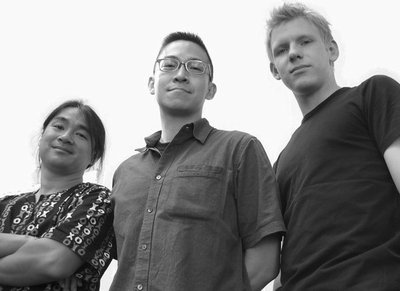
As a young person growing up in the Seattle, WA, area, trumpeter and composer Cuong Vu was greatly influenced by guitarist Pat Metheny. Vu spent several years in the early 2000s touring and recording with the guitarist's band. He has also worked with pianist Myra Melford, saxophonist Chris Speed, guitarist Joel Harrison and vocalist Laurie Anderson (among others). As a leader, Vu has recorded several albums for Knitting Factory and ArtistShare plus his Vu-Tet album on Origin Records. He's been working with the rhythm section of Stomu Takeishi (electric bass) and Ted Poor (drums) for over a decade (and three recordings), musicians who give as good as they get and more.

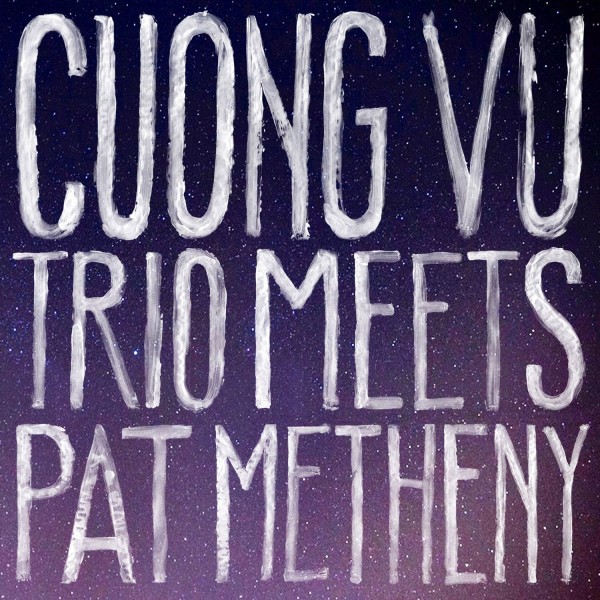
"Cuong Vu Trio Meets Pat Metheny" (Nonesuch Records) is a bit of a misnomer. This project does not feel like a "jam session"; instead, the seven tracks are a group effort.  Takeishi's fundamental bass lines, Poor's thrashing drums, Vu's forceful trumpet, and Methany's powerful guitar work seem like a natural fit. The program starts quietly, "Acid Kiss" arriving on a soft trumpet melody then slowly and steadily picks up in intensity, Vu's searing sound underpinned by squealing guitar, until the music seems to explode. Right near the end, the trumpet and guitar blend so closely the two musicians sound like one. There's plenty of fire on "Not Crazy (Just Giddy Upping)" with its post-modern electric/electronic bop.  Vu's trumpet solo moves up and down, in and out, reaching for sounds in the manner of the late Kenny Wheeler (especially reaching reaching for non-melodic sounds.)

If you have followed Pat Metheny's music and career over the past 40+ years, you know how much he likes to experiment with sounds and textures.  His brass-like sounds on songs such as "Let's Get Back" or his wailing solo on "Tiny Little Pieces", the latter over the rampaging rhythm section, prove he's not rating on his laurels.  On the latter track, his feedback and loops play right into Vu's coarse, raspy, trumpet sound, as if they were inside each other's minds.  Metheny gets bluesy and references John McLaughlin during "Telescope" (his composition), moving from supple melodic runs to roaring flurries of notes.  Both he and Vu take it down a few notches for the handsome "Seeds of Doubt" the guitar flowing atop Poor's active drums and cymbals and Takeishi's spot-on counterpoint.

There are moments on "Cuong Vu Trio Meets Pat Metheny" when the listener is reminded of electric Miles Davis and how that trumpeter, especially in the live setting, really pushed his band to go further with the music.  Then, there are cuts such as "Tune Blues" (composed by saxophonist Andrew D'Angelo), where the quartet swings hard but with a bluesy flair, electronics aside (save for Metheny).  The music is a bit off-center, Poor pounding away with Takeishi keeps the rhythm moving forward.  You should actually listen to this recording several times in a row start to finish, concentrating on different musicians each time.  When you can stand back and let the sound fill the house, your room, or the car, even your headphones, this music has the power to take you far beyond the ordinary.

For more information, go to www.cuongvu.com.

Saturday, August 29, 2015

Potent Quartets

There was a thread going around Facebook earlier this summer asking about saxophonists who have been inspired by Charles Lloyd.  I could not think of one (although I'm sure they exist) until I heard the new recording by Ochion Jewell.  It's not that he sounds like the man from Memphis, TN, but the musical structures and the influences of both world music and folk/blues in the music of the Kentucky native (he grew up in Appalachia) has, in my ears, has many similarities.

"Volk" (self-released) is young Mr. Jewell's second CD with his Quartet - his debut, "First Suite for Quartet", was issued on David Binney's Mythology label and is quite hard to obtain. The opening track, "At The End of the World", is called by the composer "the overture to the album" setting the stage with its dramatic presentation (hear it below). One hears the influence of Spanish music is the conversation between the members of the Quartet. And, what a responsive band, the same musicians as on the debut including pianist Amino Belyamani (Dawn of Midi), bassist Sam Minaie (Tigran Hamasyan), and drummer Qasim Naqvi (Dawn of Midi, Burnt Sugar The Arkestra Chamber).  The 3 also play together as the Axis Trio. They are a integral part of telling the majority of the 10 stories on the album (Jewell goes it alone on the final track "Black Is The Color of My True Love's Hair").  This music can be extremely powerful, as displayed on in the opening minutes of  "Give Us A Drink of Water" yet the same piece has incredibly quiet passages. And the leader does not even come until after the 4 minute mark of the 11 minute track, then plays a delightfully schizoid solo ranging from bluesy sustained notes to short percussive notes. The tenor solo in the middle of "Radegast" displays an anger, veering into "free" territory yet is followed by one of the prettiest interludes on the album.

Guitarist Lionel Loueke shows up on 2 tracks, the forceful yet subtly exciting "Gnawa Blues" (Gnawa being in West Africa) and the highly rhythmical "The Master" (based on the drumming of the Ewe people of West Africa.)  Loueke's slinky, percussive, sounds meshes well with the Quartet on these tracks - his phrase on the latter track sound much like J.J. Cale in the short melodic mesmerizing phrases. The saxophonist slowly rises out of the piano-guitar interaction joining in the rhythmic lines and quietly adding a phrase here and there but not stepping out.  The song belongs to the rhythm section, Naqvi rampaging drums and Belyamani's throbbing piano.

Minaie's expressive bowed bass introduce the melody of "Shenandoah" then shares it with the tenor. The piano enters, its sweet and plaintive counterpoint supporting the saxophone before playing parts of the melody. Belyamani's sweet solo is variations of the melody line with the quiet cymbals beneath him. When Jewell re-enterts, he also plays abstracts of the melody, some with a touch of swaggers, others with gentle lyricism.  The pianist takes the song out on his own, tenderly reaching the final low chords.

There's beauty, rhythm, energy, melody, counterpoint and splendid interactions throughout "Volk". Ochion Jewell, the composer and arranger, challenges the listener to join in on this journey, to allow the music to seep into one's soul for what is "folk music" but "soul music" in another guise.  The Ochion Jewell Quartet plays this music with great passion, something else they share with Charles Lloyd and his Quartet.  Play this music next to one of Lloyd's post-2000 CDs - the ensembles, with mostly identical instrumentation, do not sound alike but they both play with great joy.

The release date is set for September 29, 2015.  For more information, go to www.ochion.com.


Bassist and composer Daniel Fortin, a native of Peterborough, Ontario, has a new CD - his debut as a leader.  Titled "Brinks" (Fresh Sound New Talent), the 10 original tracks feature the distinctive musical voices of Michael Davidson (vibraphone), David French (tenor saxophone) and Fabio Ragnelli (drums), all (including the leader) deeply involved in the Toronto jazz scene.  They create a program rich in melody, alive with interaction, and smart solos.  The blend of French's clear-toned tenor and Davidson's whirling, full-toned vibraphone creates a handsome atmosphere throughout the program.  Right from the opening moment of the first track, "Verona", one can sense this will be a pleasing journey. French plays the uncomplicated melody while Davidson dances around, Ragnelli creates a pulsating beat and Fortin adds counterpoint (and punch) as he pushes the piece forward.  The saxophonist takes the lead on the following track, "Ends",  while the vibes provide the counterpoint.  But, this music is not as easy to describe as that. The long and involved vibes solo skitters atop the bouncing bass and dancing drums. Fortin's solo is pleasingly melodic and the vibraphone flourishes just divine.

The multi-sectioned "So As To" pulls in the listener, taking one for a fascinating ride while "Smithereen" romps along on Ragnelli's playful yet rock-solid drumming. "Adldmbdld" (now that's a title that alludes spell-check!) moves in the manner of a Gary Burton piece, Fortin's electric bass and Ragnelli's uninhibited drumming propelling the piece forward.  There is a similar excitement in the rhythm on the final track, "But Still and Yet" - the tension between the slow melody line, the high energy of the lines that Davidson is playing, and the propulsive bass and drums is joyous as the sounds spill out of the speakers. Fortin the soloist stands out on the ballad "Flecks" and his interaction with Davidson near the close of the track as the piece speeds up is  infectious

Daniel Fortin, who is one of the three composer/musicians in the cooperative Myriad3, is a strong player who can play percussively along drummer Fabio Ragnelli and then create the most melodic solos. These pieces flow more than swing and several have quite an intensive drive.  A bit of judicious editing (8 songs instead of 10 but which 2 to cut?) might have made "Brinks" a stronger album but it still has much to recommend it.

For more information, go to www.danielfortinthewebsite.com.

Here's a taste to whet your whistle:


Monday, April 27, 2015

Quartet (CD + Live)

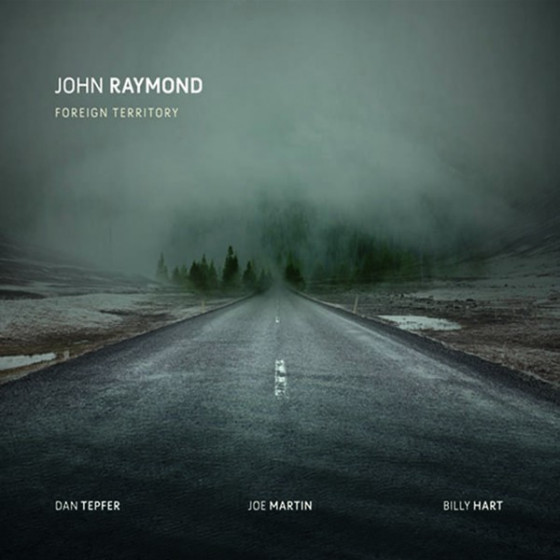
This Friday evening (May 1), Firehouse 12 in New Haven welcomes the John Raymond Quartet.  Trumpeter, flugelhornist, and composer, Raymond celebrates the release of his 2nd CD as a leader, "Foreign Territory" (Fresh Sound New Talent), also hits the stores (online and on the street) this week.  It's a wonderful album, featuring 6 Raymond compositions, 2 group improvisations, and 1 piece by the late Kenny Wheeler.  The band on the recording includes Dan Tepfer (piano), Joe Martin (bass) and master Billy Hart (drums).  What's exciting for those attending the live gig is that Raymond will have the same musicians on stage as on the record!

And, what an album. The music is invigorating, exploratory, exciting, emotionally rich, and never dull (no surprise, considering the personnel).  The program opens with the title track, introduced by the forceful bass work and propelled by the crisp drumming of Mr. Hart.  The drummer is the lynchpin of the music throughout the program, never settling for obvious patterns but surprising both musicians and listeners with his "swing" and wit.  Raymond includes a short trio (no trumpet) improv, "Hart of the Matter", a piece without trumpet that illustrates the drummer's innate ability to always be moving forward. The other improvisation, titled "Rest/Peace", opens with Raymond's lyrical flugelhorn atop the restless legato of the rhythm section and a rolling piano melody. Because of the lyrical bent of the participants, the track seems through-composed and not "composed" on the spot.

This music has so many delightful moments. The trumpet and bass introduce the theme of "Deeper" over Mr. Hart's dancing brush work; when Tepfer enters, he creates the counterpoint that propels the piece forward. Martin's melodic bass solo gives way to Raymond's pleasing jaunt (listen to how the drummer and pianist dance right along). The lengthy legato intro to "Chant" has a gravitas that gives way to the formal melody section that has a Native American feel, the bass lines (from both Martin and Tepfer) have a hypnotic feel that is heightened during the fine piano solo. The Wheeler piece, "Mark Time", has a winding melody line used forward by the muscular drive of the rhythm section. Raymond's trumpet solo features an exciting interaction with Tepfer's dancing piano lines  -still, listen to how Mr. Hart leads the band forward and then directs the piece to its quiet finish. The program closes with "Adventurous-Lee", a high-energy boppish piece with a cheery melody that shows the quartet at its best. There are moments when it seems like all 4 lock into the piece, then each goes their own way, then come back together in the true nature of jazz, exploratory and exciting.

John McNeil, whose production credits will soon rival those of his recording credits, produced this gem and one imagines all he needed to say was "Roll the tapes."  In many ways, "Foreign Territory" is "the sound of surprise" at its best.  Even when you return for the 10th or 100th time, you cannot escape how fresh this music is, how spontaneous and joyous in is execution, how good it feels to hear  musicians having fun "creating".  This music, created by John Raymond, Billy Hart, Dan Tepfer and Joe Martin,  may be "Foreign Territory" but one should have no fear of joining them on the journey.

For more information, go to www.johnraymondmusic.net.  Check out the itinerary for the Quartet.  If you're in Connecticut and want to see this band live, go to firehouse12.com or call 203-785-0468.

Enjoy the title tune:

Thursday, April 9, 2015

Similar Lineups, Different Sounds, Great Music

Marta Sánchez is a composer/pianist from Madrid, Spain, who came to the United States in 2011 to study at NYU. She had already begun to capture critical attention as a member of the Afrodisian Orchestra as well as appearing on recordings with vocalists Doris Cales and Natalia Calderon.   Before moving to New York City, Ms. Sánchez had released a both a trio and quartet CD.

Her self-produced latest recording, "Partenika" (Fresh Sound New Talent) features an international quartet of musicians based in the United States.  Alto saxophonist Román Filiú (Cuba), tenor saxophonist Jerome Sabbagh (France), bassist Sam Anning (Australia), and drummer Jason Burger (California) are her cohorts on the 8-song program, one that will surprise listeners in its melodic and emotional range, in how the individual voices move easily and freely around each other, thanks to the delicate yet exquisite melodies and harmonies the pianist creates. Though she is the leader, Ms. Sánchez often cedes the initial solos to the front line, teaming with Anning and Burger to build the foundation of the songs.  However, she has her moments.  "Yayyyy" rushes forward delightfully with the pianist setting the pace for the saxophonists to play her contrapuntal melody.  The piano solo is a joyous romp, a musical interpretation of the cheer inherent in the title of the song. There is much pleasure and little pain in "Patella Dislocation" (at least for the listener) which leaps forward on the throbbing bass notes and raucous drum work. Yet, listen to how Ms. Sánchez's piano swirls in the background (sounding somewhat like Myra Melford) and that sets the stage for the legato section in the middle of the piece.  The title track, the longest on the disk at 8:49, opens with a long melodic bass solo before moving into a gentle yet uptempo piece. The rhythm section once again roams freely underneath the alto sax solo here, slowly down for the tenor spotlight (a solo ripe with percussive phrases amongst the lines.)

The ballads really stand out.  "Ballad Del Momento" has a martial rhythm in the opening left-hand piano work while the right sketches the melody along with the reeds. Filiú takes the first solo, his breathy tone (a touch of Lee Konitz) soaring over the active rhythm section.  Throughout the recording, the piano backing makes for essential listening. In this case, Ms. Sánchez not only frames the piece but also give Anning and Burger the freedom to create an ever-changing bottom.  "Andy" feels like a prayer but, again, the bottom keeps shifting beneath the soloists.  Sabbath plays with great fire, his rippling phrases woven around the piano chords. Time slows down for the piano solo, a portrait of a restless spirit that soon turns into a dance as the bass and drums respond to the darting lines of the solo.

"Partenika" is a delightful recording that gives the interested listener much to dig into.  Melody and harmony are important to Marta Sánchez but no more than the shifting rhythms that one hears on most tracks.  Make sure to go back to listen to her piano work, especially her active left hand and intelligent solos that stretch across the canvas of this album.  If you get the opportunity, see and hear this band live - it has to be a treat to watch the interactive nature of this music come to life.

For more information, go to www.martasanchezmusic.com.    

E. J.Strickland, drummer and composer, is one busy musician. Besides playing in his twin brother Marcus's ensembles, he also has worked or continues to work with saxophonist Ravi Coltrane, pianist Luis Perdomo, guitarist Russell Malone, and trumpeter David Weiss.

"The Undying Spirit" (Strick Muzik) is his second CD as a leader; his debut, "In This Day", was issued in 2009. Like the CD reviewed above, the recording features an alto saxophonist (Jaleel Shaw), tenor saxophonist (brother Marcus, who doubles on soprano), piano (Mr. Perdomo) and bass (Linda Oh). E.J. is a vibrant drummer, active yet rarely intrusive, knows how to swing yet can lay down a mighty funky beat.  In fact, the program opens with "Ride", the drummer laying down a "righteous rhythm" for 1 minute before the band enters, the unison saxophones laying out the melody over the solid bass lines of both Perdomo and Ms. Oh.  The piece takes its time to allow the saxophonists to play the melody through twice before Marcus and Shaw to play back and forth.  Perdomo steps out in style while never losing touch with the rhythmic nature of the melody.  There are several pieces along the way that really jump out of the gate on the force of E.J.'s explosive drumming.  Songs such as "Hindsight", the high-energy "Bomba for Leel and Max", the forceful "A Dance for Mojo's Return", and the subtly funky "Transcendence",  all burst out of the gate on the power of the rhythm section.  Perdomo's left hand and solid chordal work blends so well with Ms. Oh's powerful lines.  The saxophonists takes full advantage of the foundational work of the piano, bass and drums to roar, soar and fly, coaxing powerful lines of their own.

That said, the ballads are quite impressive.  "For My Home Folks" is a bluesy prayer-like piece, with the saxophonists "testifying" while Perdomo's piano goes to church to support them. The emotional tenor solo is fiery and fierce, going for the jugular.  Marcus's soprano leads the way into "Ballad for All Mankind" and, when Shaw enters, his counterpoint helps to give the piece its depth and dramatic feel.  The tracks also features a fine solo from Ms. Oh, supported by quiet piano chords and the "rat-a-tat" from the snare drum.  Ms. Oh's solo also stands out on "Midnight's Clearing", setting the stage for a heartfelt statement from Perdomo. Listen to how E.J. supports them, quiet cymbal splashes, floor tom rolls and gentle high-hat.

By the time you reach the final track, "Impromptivity", you can hear how this music takes its cue from the work of drummers Art Blakey, Max Roach and Ralph Peterson Jr. without sounding like any of them  This music crackles with excitement yet leaves room for impassioned melodies.  You'll also be impressed by the solos, each person building what they "say" from the themes of the pieces.  After you get the CD and spend time with this powerful music, you'll want to hear the quintet live.  Go to www.ejstrickland.com to find out where and when plus more about the drummer.

Here's a generous taste of the "Bomba for Leel and Max";