The final installment of what could easily called the best new releases of the past three months and among the best of 2022.
Photo: Stephen Hawk
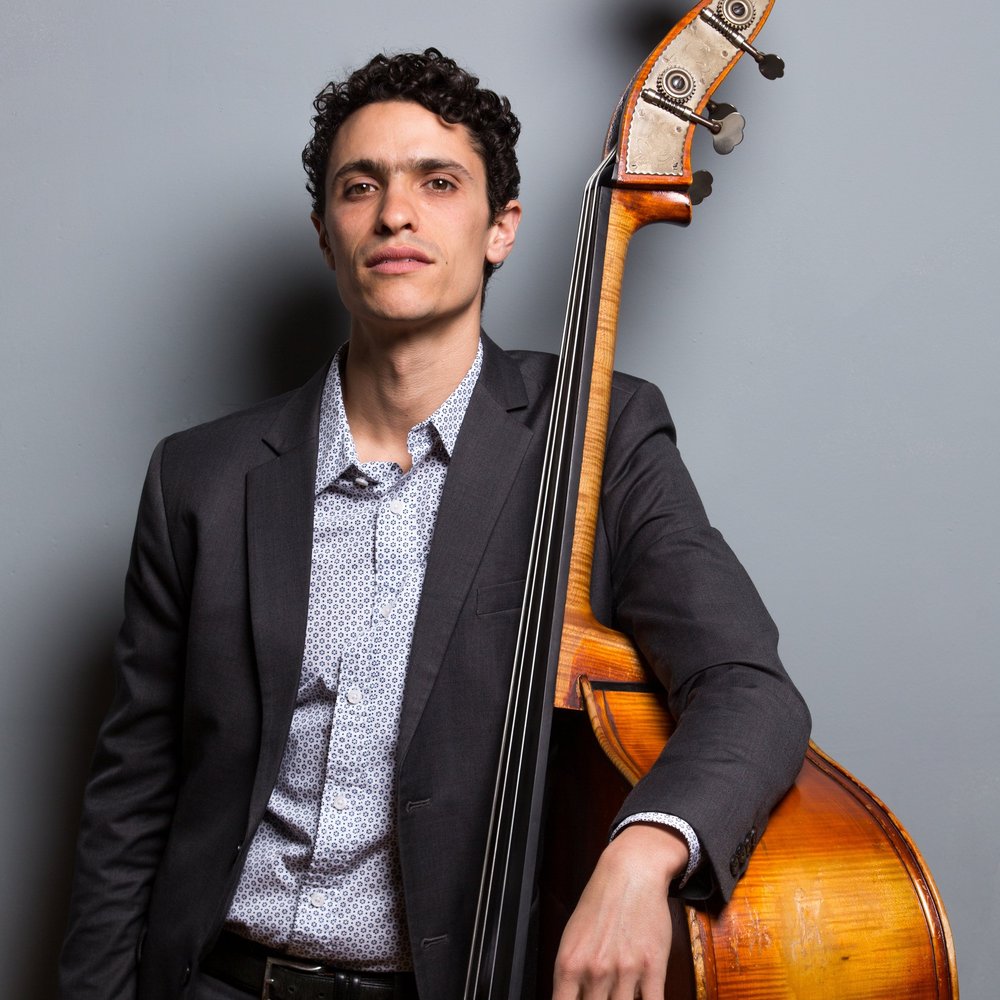
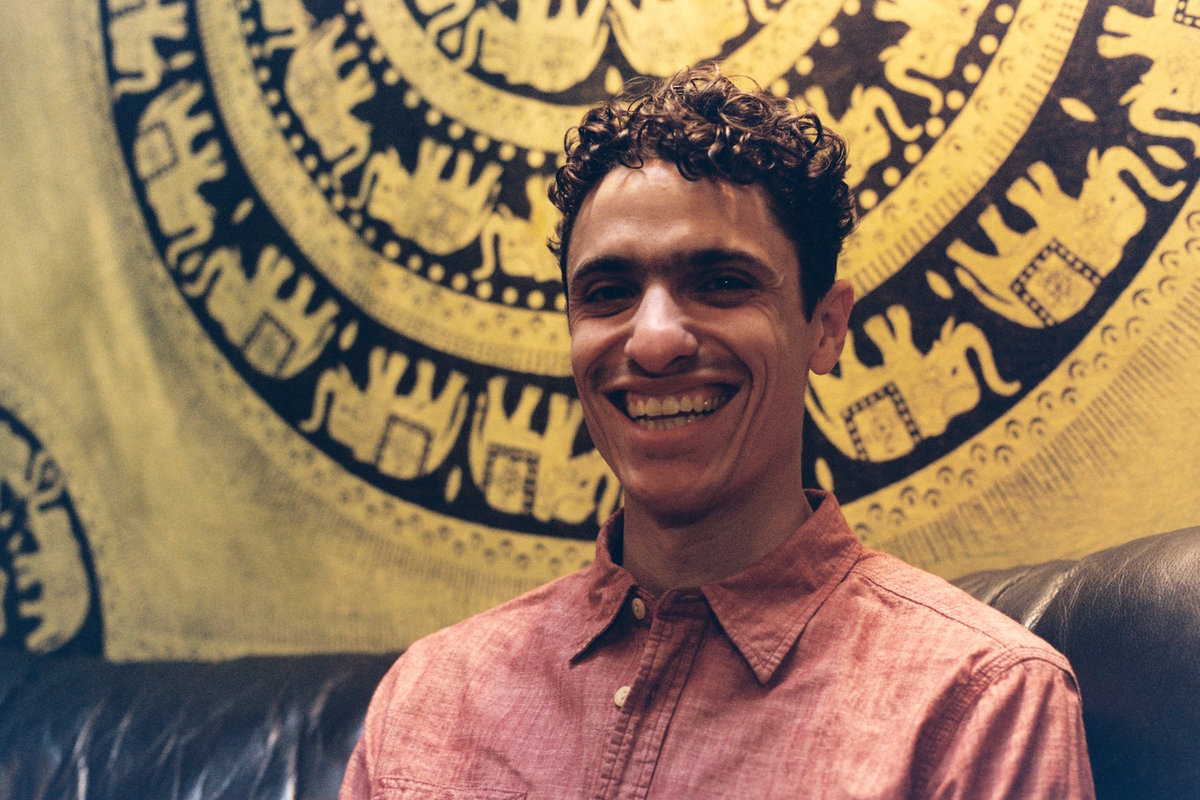
Bassist and composer Noah Garabedian is not only a well-educated musician (with degrees from UCLA and NYU) but also quite busy. He has worked with saxophonist Ravi Coltrane, pianist Kris Davis, drummer extraordinaire Jeff "Tain" Watts, and guitarist Nir Felder. He co-leads a trio with saxophonist Caleb Wheeler Curtis and drummer Vinnie Sperrazza (they have two recordings) and has released two albums as a leader, 2014's "Big Butter and the Eggmen" (BJU Records) and 2020's "Where Fables Meet" (self-released through Bandcamp). Since before the Pandemic, Garabedian has been working with the rhythm section of Carmen Staaf (piano) and Jimmy Macbride (drums). They appear on the 2020 album along with bassist's tenor saxophonist brother Raffi. Both albums are well exploring because the musicianship and the compositions are top-notch.
For his third album "Consider The Stars Beneath Us" (Outside In Music), Ms. Staaf and Mr. Macbride are back along with saxophonist Dayna Stephens (tenor and soprano) plus producer Samuel Adams (effects, programming, Moog Minitaur, and Juno JU-06A). What stands out for this listener is the strength of the compositions, the great work of the band, and the depth of the sound. Garabedian's bass is front and center in the mix yet everyone else is so clear. Listen to the Weather Report-influenced "Salt Point"––under headphones, the music is so immediate and alive. Through speakers in the room, the music seems to fill every space but is not as intrusive as it is joyous and welcome.
The blend of playful tunes and softer, more introspective, music pulls the listener. The blend of quiet tenor sax, classically-inspired piano fills, and full-throated bass push the opening "RR" with Macbride's active yet softer drumming pushing the music forward. One might look at the title "Expectation. Regret." and think this piece might be introspective as well. But there is a quiet fire in the rhythm section that gives Stephens the cushion to build an impressive solo. The combination of the thick-toned bass lines and powerful piano work of Ms. Staaf makes the music jump. The pianist channels her inner McCoy Tyner on the closing track "Alice", producing a stunning solo. Stephens expressive soprano sax pairs with the percussive piano to dance through the theme of "Petty Thieves" that then opens to a formidable bass solo. "Shackelton's Cocoa" follows and it's a mischievous blend of blues and tango–the music is not a joke and builds to an impressive conversation between the four musicians.
Producer Adams layers electronics on several tracks; his most impressive work can be heard on "Pendulum for NG", a tune he wrote for the bassist. It's a strong piece especially for the fine tenor sax solo and the melodic strength of the rhythm section. The synth sounds are, mostly, subtle and hardly intrusive.
"Consider the Stars Beneath Us" is a splendid album, filled with with excellent compositions and fine playing. Having listened numerous times over the past several months, this album fills this listener with joy and, like the best music, gives me hope.
Five years ago, tenor saxophonist and composer Chet Doxas released "Rich In Symbols" (Ropeadope Records), a collection of compositions inspired by artworks from New York City artists of the 1980s. The saxophonist spent hours in galleries looking at the pictures, writing down melodic fragments and other thoughts. The resulting album was a powerful statement that mixed different genres of music and sounds, subtly capturing both the energy of the art and the composer's musical interpretations. You can listen by going to https://chetdoxas.bandcamp.com/album/rich-in-symbols.
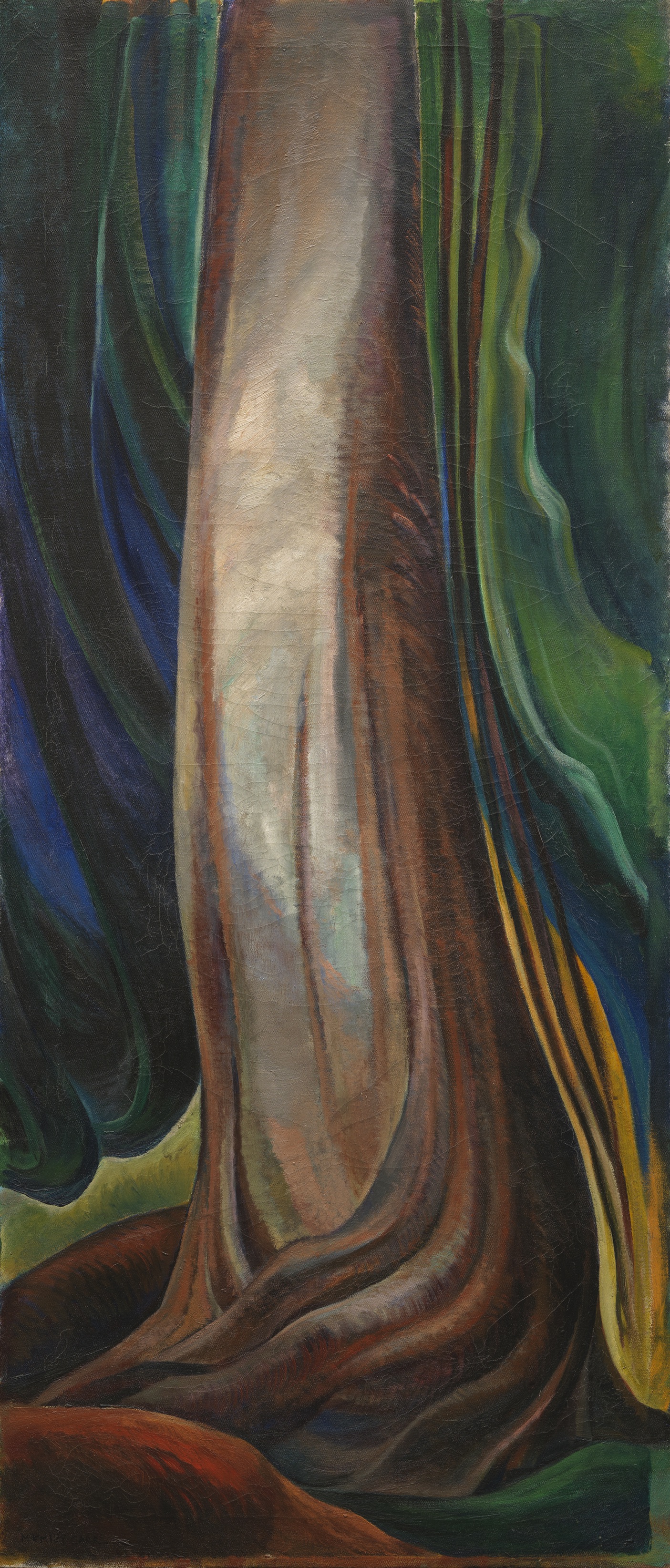
"Rich in Symbols II" (Justin Time Records) carries the subtitle "The Group of Seven, Tom Thomson and Emily Carr"; this time, Doxas spent time investigating artists from his native Canada (he's a native of Montreal, Quebec). Because all of the works are outdoor scenes, Doxas also created "field recordings" for the tracks that places the music (and the paintings) outside the galleries. The rhythm section of Zach Lober (bass) and Eric Doob (drums) return from the first recording and the group is filled out by Jacob Sacks (piano, mellotron) and Joe Grass (pedal steel, guitar, banjo). Like the earlier album, there are seven tracks but, for the most part, the newer pieces are longer and episodic in composition. The impressionistic quality of the music and the performances allows for great variety in sounds––the music escapes from any specific genre and offers the listener a fascinating aural experience.
Photo: William Geddes
The first piece that really drew me into the project is "The Jack Pine". The longest piece in the program (13:04), the music also seems to travel the farthest. From the faint bell sounds (processed guitar and piano) plus a scratchy saxophone (as if recorded through a telephone), the music moves slowly like the wind blowing through the lonesome tree as depicted by Tom Thomson's painting (the artist lived from 1877-1917). Once Sacks picks up the melody on piano, the music begins to move forward with Doxas picking up the theme. Suddenly, the rhythm section, sans piano, falls into a swing rhythm for a far-ranging pedal steel solo (reminds this listener of the playing of Susan Alcorn)–as the intensity picks up, the piece goes rubato and Doxas takes the lead. A quiet resolution to his solo leads to a gentle piano statement that reintroduces the theme and the cut closes on the gentle sounds of the opening seconds. Upon multiple listens, it strikes this listener that the melody hearkens back to music of the artist's time. And the "airiness" as well as the noise places the subject outdoors in a cold and windy landscape.
Emily Carr
There is a playful quality that emerges from "Tree Trunk", the song based on the painting by Emily Carr (1871-1945). The music takes almost three minutes to emerge but when Doob drops into a "thumping" beat and Grass strums the banjo, Doxas (on clarinet) introduces the delightful melody. Shadowed by the bassist, the leader keeps dancing over the rhythm that is influenced by the work of Steve Reich.
"House of Yprés", based on the painting (one of two on the album) by A.Y. Jackson (1882-1874) that the artist created while in France during World War I. Depicting a bombed-out house, the piece also features poet Sam Roberts reading an original work over the stark musical landscape.
The final track, "The Front of Winter" which is based on a painting by J.E.H. MacDonald (1873-1932), is a stunning "tone-poem", a handsome evocation of a snowy landscape on a winter morning. The blend of Doxas's rich tenor sound with the crisp piano lines, floating pedal steel sounds, thick yet melodic bass work, and the active brushes dancing around on the drum kit, is soulful, joyous, and reverential at the same time, a perfect close to a wonder-filled program.
"Rich In Symbols II" is an album you need to live with for a while. Much of the music is deliberate as if you are with Chet Doxas as he "sketches" his idea in the company of the paintings. This is not a program concerned with technical brilliance but with helping you see and hear how one art form influences another as well as how the musician's interactions with the outside (natural) world can create concepts in the creator's inner world. A glorious program that deserves your attention!
Like many top-notch bass players, Chicago-based Clark Sommers is often first-call. He has done numerous tours with vocalist Kurt Elling, with pianist Darrell Grant, the late tenor sax giant Von Freeman, vocalist Jeff Baker, the Chicago Symphony Orchestra, the 13-member Chicago Yestet, and guitarist Bobby Bloom (plus many others). For the past decade, the bassist has led the Ba(SH) Trio with saxophonist Geof Bradfield (tenor and soprano saxes plus bass clarinet) and drummer Dana Hall. That group has issued two excellent albums and Sommers' two compatriots are the foundation of the latest version of his Lens quintet. Sommers and Bradfield, along with drummer Kendrick Scott, guitarist Jeff Parker, and pianist/ organist Gary Versace released its first album, the self-titled "Lens", on eyes&ears Records in 2017. The quintet's second album, "Intertwine", is now out on Outside In Music now featuring guitarist Matt Gold, tenor saxophonist Chris Madsen, and drummer Hall.
Replacing the keyboards with the guitar acts to "open up" the sound of the quintet. The new album, which clocks in at nearly 74 minutes, never feels over-stuffed or sounds dull––instead, Sommers has composed music with strong melodies that gives the ensemble plenty of room to create cogent solos and for Hall to experiment underneath the solid foundations the leaders creates. "Also Tomorrow" opens the 12-song program, the two tenor saxes combining to present the melody while the drums and bass play a skipping rhythm. "James Marshall" follows and the title is a reference to James Marshall "Jimi" Hendrix. You can hear the influence of the great guitarist in the structure of the song but Gold's solo certainly goes its own original way. There's a bluesy solo from Bradfield and exciting statement from Madsen that leads the piece to its powerful close.
Sommers the composer keeps one guessing as to what direction the next track are going to take.. There's the swinging hard-bop of "Second Guess", the lovely and mysterious modalities of "Ancient Voice" (where Bradfield's bass clarinet blends nicely with Madsen's tenor sax), the bluesy funk of "Weeks and Weeks" (where the handsome melody runs counter to the down-home feel of the rhythm section) which leads into "Invisible Arrow" that again has the open play feel of the earlier tracks.
The up-tempo title tracks closes the program. Again, it's the skipping quality of the drums that gives the handsome melody the room to move and expand. The blend of soprano and tenor over Gold's rippling guitar lines is so attractive. The track also features a melodically rich solo from the leader and rousing call and response by the saxes that leads the piece and album to a gentle finish.
"Intertwine", for this listener, is an album that I start at the beginning, go to the end and start all over again. The bountiful melodies and rhythms wash through the room and, in the long run, are greatly rewarding. Clark Sommers Lens is an ensemble that begs to be seen live so it can work its musical magic on an attentive and appreciative audience. In the meantime, this album is a true treat!
Most modern music fans know Elan Mehler as co-producer and Artistic Director of Newvelle Records, the label that has been producing ultra-high quality vinyl albums in a subscription series since 2016. There's much more than music––each package features impressive art work, informative liner notes, and more. Most people don't know that Mehler is a fine pianist––the fifth" season featured Mehler in a musical conversation with trumpeter Dave Douglas and, in 2020, his duo album with vocalist Becca Stevens was issued as a "digital-only" release.
This month, Newvelle issues a new quartet of albums under the name of "The Renewal Collection". Subscribers purchase four vinyl albums including new work from Mehler, saxophonist Michael Blake, saxophonist Dave Liebman, and trumpeter/ flugelhornist Nadje Noordhuis. All four will be issued digitally one month at a time. The impetus for this collection is how music was able to soothe so many souls during the worst months of the Pandemic. "There Is a Dance" finds Mehler in a trio conversation with acoustic bassist Tony Scherr and drummer Francisco Mela––if you love piano trios, this is worth your time. While most people will point to Bill Evans or Keith Jarrett or Bud Powell as the most influential piano trios, this 13-song (the digital release has two more tracks than the vinyl) reminds this listener of the cooperative trio of Geri Allen, Charlie Haden, and Paul Motian that recorded for Soul Note and DIW (Japan) in the late 1980s and 1990s.
In his liner notes, the pianist writes that "I’ve spent my whole life with this music – listening to this music – practicing this music – relying on this music – struggling with this music – and – when it’s good – welcoming this music’s arrival from the quietest place in my heart." (There's much more to understand about this recording in the notes). The music ranges from the sweet blues of "East Side Blues" to deep introspection of the title track to lovely gospel sounds of "When You Were Blind" to the Frank Kimbrough influence that permeates "The Shakes" to the lyrical "We Spin" to the Erik Satie gentleness of "Ruby D." Scherr and Mela are the perfect partners––while neither solos, they listen intently to the pianist either following as Mehler moves through his solos or gently prodding him or just quietly interacting. One of the aspects of this music that stands out is how articulate and musical Elan Mehler is.
What might happen to the active listener as he or she goes deeper into "There Is a Dance" is that a sense of calm should spread through the body. This music is not about technique, about swing, or volume; inevitably, it's about healing, about acceptance, about moving forward into a better state of being. Power need not be about pushing someone away until they push back; it can also be about pulling one into a hug and giving thanks for being alive. Elan Mehler may have struggled to bring this music to life but the results are life-affirming.
I continue my journey through the new releases of 2022.
Guitarist and composer Gilad Hekselman started work on his new recording (his debut on Edition Records) just as the world was shutting down in March 2020. Slowly but surely, the guitarist learned the process of "self-recording" as well as "distance" recording, building the songs layer by layer. He moved back to New York City in December 2020 and continued the process for another six months. The results can be heard on "Far Star"––you can't help but notice that the results are more joyful than introspective, the songs steeped in melody and rhythmic excitement.
The eight-song program opens with "Long Way From Home"; introduced by Hekselman whistling the melody, special guest Eric Harland jumps right in and the song takes off. The leader overdubs keys and bass but the focal point is the interaction between the guitar and drums. The drummer appears on four other tracks including the hard-edged "Magic Chord" (which you can hear below) and "Fast Moving Century", a romp that features the keyboard work of Shai Maestro as well as a fiery guitar solo from Hekselman. The title track is a sensitive ballad/ playful romp featuring the violin and viola work of Nathan Schram plus the fine rhythm section play of Oren Hardy (bass) and fellow Israeli Alon Benjamini on drums and percussion. "The Headrocker" is actually a funky ditty enlivened by a hummable (or whistle-able) melody and the bright keyboard work of Nomok and percussionist Amir Bresler (two more Israeli-born artists).
The album closes with the guitar-drums duo (with overdubs)––this time, Hekselman shares the studio with Ziv Ravitz. While the guitarist sticks to his more melodic side, Ravitz dances and cavorts, every once in a while returning to a more straight-forward role. Instead of bringing the program full-circle, the track continues the guitarist's search for new ways to connect traditional melody with different rhythms.
Now 10 albums as a leader into his career, Gilad Hekselman has continued to mature as a composer and musician. "Far Star" has much to offer the curious listener.
The trio of Jeremy Siskind (piano, compositions), Nancy Harms (vocals), and Lucas Pino (tenor saxophone, clarinet, bass clarinet) came together a decade ago as the Housewarming Project. The ensemble's goal was to introduce "accessible art music to audiences through in-home concerts" (from
jeremysiskind.com/housewarming-project/) and they succeeded playing over 150 concerts and an on-line series of YouTube videos before the pandemic shut them down. Yet, the cessation of concerts plus a 2020 New Jazz Works grant from Chamber Music America gave Siskind the opportunity to create an original program for the ensemble.
"Songs of Rebirth" (Outside In Music) is credited to Mr. Siskind with Ms. Harms and Mr. Pino; not the Housewarming Project because the two-CD, 22-song program was created and recorded during the Lockdown. Separated into two thematically-linked groups of tunes, Disk 1 is subtitled "True Believers" because the majority of the 12 pieces talks about positive changes created by the forced slowdown. Disk 2, or "Cynics and Snags", is comprised of "darker" tunes. Still, Siskin "dots" the program with five takes of "Quarantine" open with the line "I break/broke quarantine for you, my dear/sweet/love"––no version is over 1:13 and each has a different arrangement. The last two have quite dark lyrics but subtle yet humorous musical backgrounds ("#3" is my favorite due to the delightful arrangement for three clarinets.
Ms. Harms' vocal stand out. "Long Beach, In Fog" (on disk 2) is a stunning take on a love song while the swinging "New York City" has the feel of a Broadway shop-stopper. Pay attention to how Pino plays throughout the album, how he'll shadow the vocal line or the pianist's left hand, how his range on bass clarinet allows him to set the pace or solo with abandon. There's a chamber music feel to "Normal"; at times, the trio play together, at others, the piano and bass clarinet both play counterpoint (first few times through, the song was reminiscent of a Stephen Sondheim piece although there's also a touch of JS Bach there as well).
While "Normal" closes Disk One, Two closes with two splendid pieces. First is the ruminative "Forgiveness", an elegy for lost love while "Another Birthday" is a melodic rant against about getting old. Yet dig the delightful solos from piano and clarinet and the playful vocal. Over all, "Songs of Rebirth" is an impressive program not for the trio's technical prowess but for how they present each song, each one a story, each one told with wit, with emotion and intelligence. Don't shy away because there are "art songs"––embrace the musical adventure. Kudos to Jeremy Siskind, Nancy Harms, and Lucas Pino for stoking the fires of imagination!
Saxophonist, composer, and educator Adam Larson, born in Normal, IL, now lives and works in Kansas City at the University of Missouri/KC. After graduating from the Manhattan School of Music (Bachelor's and Master's degrees), he stayed in New York City leading his own ensembles and recording five albums for labels such as Inner Circle Music, Ropeadope Records, and on his own label. They showed him as a fine soloist and a good writer –– he also played a slew of gigs as a sideman with various leaders.
Larson makes his debut on Outside In Music leading a trio that features bassist Clark Sommers and drummer Dana Hall. "With Love From Chicago" contains 10 pieces, three by the leader, four by bassist Sommers, and one each by Thelonious Monk, Chicago-based tenor saxophonist John Wojciechowski, and J. Russel Robinson. What stands on initial listenings is how "tight" and "loose" the group interactions are, how delightfully melodic bassist Sommers can be, how powerful drummer Hall (plus he can swing mightily), and how comfortable the leader is being challenged by his rhythm section. The album opens with Larson's "Angolan Babysitter" –– Hall's polyrhythmic attack pushes the saxophonist to play with abandon but make sure to listen to how Sommers bounces his melodic phrases off the drums. Sommers' bluesy "The Time You Forgot You Knew" has a handsome melody with strong counterpoint from the composer all underpinned by the drummer's headlong push forward.
The Trio does a sprightly reading of Monk's "We See", playing with the time signature, breaking up the melody, playing with the piece ways that the composer would probably enjoy. J. Russel Robinson's "Portrait of Jenny" (a hit for the Nat "King" Cole Orchestra in 1949) is an oft-recorded standard; here, the Trio plays the tune oh-so-slowly with Hall's brushes and Sommers melodic bass lines supporting the heart-felt performance of the melody.
"With Love From Chicago" is one of those musical experiences that would sound great in a club but, thanks to engineer Ken Christianson at Pro Musica in Chicago, the music leaps out of the speakers and into the room. At times under headphones, it feels like you're in the midst of the recording studio between the drums and bass –– their music hits you in the chest. The saxophonist responds by absorbing the "hit" and pouring its intensity into his solo forays. This is the first trio recording Adam Larson has released; his exciting thematic explorations and his powerful musicianship plus the joyful, intense, musical, rhythmical playing of Clark Sommers and Dana Hall makes one hope this is the first of many collaborations!
Pianist, composer, and educator Pete Malinverni, a native of Niagara Falls, New York, moved southeast to NYC in the 1980s where he is the midst of a long and very busy career. He has played alongside the last drummer Mel Lewis, saxophonists Joe Lovano and Steve Wilson, and vocalist Karen Allyson (among others). The pianist has issued 16 albums as a leader plus appeared on many more. He's also plays in religious settings at theDevoe Street Baptist Church in Brooklyn (Minister of Music for eighteen years), the Westchester Reform Temple in Scarsdale, NY (Pianist and Conductor) and the Pound Ridge Community Church (Director of Music. He is now the Chair of Jazz Studies at Purchase College/ State University of New York.
The pianist's latest album is "On The Town –– Pete Malinverni Plays the Music of Leonard Bernstein" (Planet Arts Recordings) and it's a delight from start to finish. Malinverni first met the Maestro when the pianist had a solo gig at Bradley's in New York City and Bernstein (1918-90) walked in. Malinverni started playing the composer's "Lucky To Be Me" from the 194e4 musical "On The Town". Bernstein was thrilled and struck up a conversation which tickled the younger musician so much. Still, it took nearly 30 years for Malinverni to play a program dedicated to the composer's music. he did just that in 2018 as part of Bernstein's Centennial Birthday celebration for a program that featured a larger ensemble with four reeds. For "On The Town", the pianist is playing with one of his closest associates, bassist Ugonna Okegwo, as well as drummer Jeff Hamilton.
Photo: Matt Baker
The 10-song program features nine Bernstein piece plus Malinverni's "A Night on The Town" that closes the album. The pianist picked songs associated with the composer's as well his own adapted home, New York City. Therefore, it should come as no surprise that the album's opener is "New York, New York" from the joyous "On The Town". Okegwo and Hamilton swing with a purpose while Malinverni romps through the melody like a pair of sailors on shore leave. There's a lovely version of "Somewhere" which, after the handsome solo piano opening, takes on a bluesy persona. The happy-go-lucky feel of "I Feel Pretty" not only highlights the melody but also plays up the girlish enthusiasm of Maria who sings the tune in "West Side Story". Note the fine contrapuntal bass lines and the delightful swing of the drums. Hamilton states the melody (and some) in the opening moments of "Cool" and then the trio romps forward. There's a feel of Paul Desmond's feel of "Take Five" throughout the trio's rendition of "Some Other Time" (from "On The Town") and more blues in that 1944 show's heartfelt ballad "Lonely Town".
Throughout the album, one gets to bask in the glow of the sounds from pianist Pete Malinverni. Even when creating a solo, he creates melodic variations on the music of Leonard Bernstein. The pianist's original at the end of the program may remind some listener of the trio music of Herbie Nichols but you also traces of the person Malinverni is celebrating. "On The Town" will make you tap your feet, smile widely, and even sing along and that's very "cool".
Bassist and composer Luke Stewart, who splits his time between Washington, D.C. and New York City, is one of the busiest creative musicians currently catching the attention of critics and listeners around the US and the world. He leads various groups including the Exposure Quintet and is an integral member of Invisible Entanglements as well as Heroes Are Gang Leaders plus he's worked with saxophonist James Brandon Lewis, Moor Mother, and guitarist Anthony Pirog. His latest project, Luke Stewart's Silt Trio, features drummer Chad Taylor and tenor saxophonist Brian Settles.
The trio's debut album, "The Bottom" (Cuneiform Records), may remind some of the work saxophonist/ flutist Henry Threadgill created with bassist Fred Hopkins and drummer Steve McCall in trio Air. Not so much in the playing styles of the musicians but in how the trio approaches the music as a three-way conversation, how melodies arise from rhythmic patterns, and how solos develop from inside the music. The opening "Reminiscence" is hypnotic minimalism at its sweetest; built off of Taylor's repetitive pattern played on the mbira, Stewart's bass lines bounce off that pattern while Settles enters playing a melody of long tones in the higher (alto) range of his tenor. Other pieces develop slowly, especially in the cases of "Angles" and "Circles", both group improvisation. The former tune, the longest on the program at 11:39, rises up out of a short melodic saxophone phrase which gives way to Stewart's bowed bass alongside Taylor's chattering drum. The piece moves slowly forward until it finally falls into a rhythm with less than 90 seconds to go. "Circles" is just the opposite; a fiery romp that does not let up for a second until right it comes to a close at 3:04.
Taylor and Stewart lock in on "Roots", creating hypnotic and powerful waves of rhythm for Settles to ride atop. The driving rhythm is infectious but never overwhelms the more sublime tenor sax sounds. Yet, the performance keeps driving forward even as the music slows to its finish.
"The Bottom" closes on a bluesy "Dream House". its easy-rolling tempo created by Taylor's tap-dancing brushes. Settles initially plays in a whimsical style (apropos of the rhythm) but opens up as his solo unwinds. Pay attention to Stewart's powerful contrapuntal lines which feed off both the sax and drums as well as his melodic solo supported by the gentle shuffling drums.
With the creation of his Silt Trio and the release of "The Bottom", bassist, composer, and conceptualist Luke Stewart shows yet another side to his ever-maturing explorations into Black Creative Music. He approached the album as he would a live set; you should as well. Sit back, listen deeply, and enjoy the ride.
Drummer Taru Alexander is the son of tenor saxophonist Roland Alexander (1935-2006) who, thanks to his father, has been playing music since he was three years old. The younger Alexander had a slew of mentors, studying with drummers such as Walter Perkins and Andre Strobert at the age of nine. He joined his father's band at 13, studied at the La Guardia Music & Art High School with Justin DiCioccio (later of the Manhattan School of Music), and made his recording debut on Soul Note Records (at the age of 16) with the Fred Ho Afro-Asian Ensemble. The drummer went on to play with pianist Rodney Kendrick, trumpeter Roy Hargrove, saxophonists Michael Marcus, Salim Washington, and Kenny Garrett, and many more.
"Echoes of the Masters" (Sunnyside Records) looks to be Taru Alexander's second recording as a leader. He's organized a top-notch quartet including James Hurt (piano), Antoine Roney (tenor saxophone), Rahsaan Carter (acoustic bass), and, on one track, vocalist Hanka G. Ms. G (who leads a quartet that features Alexander on drums) provides lyrics and her powerful voice to the Thelonious Monk/ Coleman Hawkins classic "I Mean You"; the band builds off her energetic style, pushed by the leader to create short, sweet, and succinct solos. Not surprisingly, there are two pieces by the senior Alexander including the exuberant "Change Up" that opens the six-song program and "Kojo Time" whose opening notes sound like "reveille". The latter tune features a powerful statement from Roney pushed by the thunderous drums and Carter's splendid dancing bass lines. Hurt follows, riding the waves from beneath him to create a stunning solo. The bassist and then the drummer solo next –– the piece never loses its steam as both players dig deeply.
Roney shines again on the quartet's dancing take of McCoy Tyner's "Peresina", the polyrhythmic approach of the leader really pushing the soloist. Alexander is quite active but never intrusive reminding this listener of Billy Higgins, Jeff "Tain" Watts, and Rudy Royston. His understanding of dynamic tension shines throughout the album but none more exemplary than on the high octane drive of "Deception". From the pen of bassist Buster Williams, the rhythm section sets a furious pace and both Roney and Hurt respond positively.
Wayne Shorter's "Pinocchio" closes the program. First recorded by Miles Davis for his "Nefertiti" album, pianist Hurt opens the track with a short, introspective, solo before the rest of the band jumps in with a pace akin to "Deception". Pay close attention to how Alexander converses with the soloists, egging them onward with his powerful, enthusiastic, percussion.
Recorded in July of 2020 (in the first full wave of the pandemic), "Echoes of the Masters" is a brave musical shout-out to the healing power of music. While the program times out at under 36 minutes, the results are quite satisfying and makes one hope that this is the beginning of a fruitful period for drummer/ bandleader Taru Alexander.
During the pandemic, we have gotten used to seeing and hearing small group performances. But, here are two classy large ensemble recordings that captured my attention and imagination.
Photo: Hyemi Kim
Originally from South Korea (now living in New York City) composer and arranger Jiyhe Lee came to the United States in 2011 to study at the Berklee College of Music in Boston, MA. In her native land, Ms. Lee had been a fairly popular "indie pop" singer –– within her first year at Berklee, she won the school's prestigious Duke Ellington Prize (she won it again the next year). Over the past decade, Ms. Lee has won numerous awards and commissions, worked with Wynton Marsalis and the Lincoln Center Jazz Orchestra. Her self-released debut album, "April", came out in 2017 and received glowing reviews from the Jazz press. The pieces on that recording were based on Ms. Lee's response to a tragedy; the Korean ferry Sewol, which sank en route from Incheon to Jeju, claiming the lives of 304 innocent passengers, most of whom were teenage children. You should listen to her conversation with Jason Crane of "The Jazz Session" as it gives an excellent picture of the composer's career, influences, and more –– go to www.thejazzsession.com/2021/02/17/the-jazz-session-545-jihye-lee/ and pay attention.
Her new album, "Daring Mind" (Motema Music), is a dazzling display of original music, savvy arrangements, and excellent musicianship. Album one featured Boston-based musicians while this is a NewYork-centric ensemble as befits her move to the City after graduation in 2015. What stands out throughout the nine-song program are the strong melodies, the excellent section writing, and the emotional strength. Pieces such as the opener, "Relentless Mind", and "I Dare You" have such a conversational feel with the reeds jousting with the brass and the soloist Quinsin Nachoff (tenor sax) getting both support and push back from underneath on the latter cut. On the former track, it's the rhythm section that pushes the piece forward during the exciting Sean Jones trumpet solo (his playing is impressive throughout the program) and Alan Ferber's trombone dance. Listen near the end of the track when the sections interact with drummer Mark Ferber.
Ben Kono's alto sax leads the way into "Unshakable Mind", a ballad whose lovely opening melody is carried by the reeds until the brass and martial drums enter, causing the piece to turn dark. The insistent rhythmic pulse has the fell of Ravel's "Bolero" but there is much more shading here, quiet moments when bassist Evan Gregor and guitarist Sebastian Noelle carry on a conversation built upon the melody. Kono returns again later in the piece to create a splendid solo as the intensity inevitably ratchets up to an amazing close.
There is not a weak track on the album. "Struggle Gives You Strength" has the feel of a soulful ballad from Burt Bacharach with hints of Aretha Franklin as well as Ashford & Simpson. The sectional writing is exceptional as their phrases move upwards throughout the first half of Jone's trumpet solo. "Revived Mind" has a lilting melody, with a traditional feel, played by the flutes and piccolos. The song moves forward over a soulful rhythm with the trombones responding to the trumpets and flute. Trombonist Mike Fahie solos over the rhythm, although it has not changed, feels more South African. Listen to how the bass trombone and bass clarinet dance on the bottom while the sections sway behind the soloist. "Why Is That" opens as a torch-y blues tune with going to the reeds and trumpets. The trombones enter and, a moment later, the music gets even more playful. There are moments where everybody swings –– suddenly, the piece goes into double-time for a fine alto sax solo from Rob Wilkerson. Jones's solo also starts in double time as the sections converse while the trumpeter proclaims for all the world to hear.
The album closes on a ballad, "GB", that is another spotlight for trumpeter Jones. After he leads the song in, the reeds share the melody line. There's a quick transition, with the low brass adding darker colors to the piece while the trumpets and reeds play powerful phrases. The middle of the song to Jones and the responsive yet supportive piano of Adam Birnbaum . As the trumpet solo continues, the sections reenter pushing Jones to an exciting climax. When the music continues, two alto saxophones play the melody, the baritone counterpoint, while the brass play long tones. Jones reenters, rising above the sections as the music winds down. Its a stunning close to a dramatic work.
"Daring Mind" is a musical triumph. In just two recording, Jihye Lee has proven herself to be a mature composer and arranger, creating music that engages both the musicians and the listeners. And one does want to go back and listen because one cannot hear just how well-crafted and played this music is on initial contact. Spend time with this music because the joy emanating from the sounds will create joy in and around you.
Ben Kono: Alto Saxophone Rob Wilkerson: Alto Saxophone Quinsin Nachoff: Tenor Saxophone Jeremy Powell: Tenor Saxophone Brian Pareschi: Trumpet Sean Jones: Trumpet John Lake: Trumpet Alex Norris: Trumpet Mike Fahie: Trombone Alan Ferber: Trombone Nick Grinder: Trombone Mark Patterson: Trombone (replaces N Grinder on two tracks ) Jennifer Wharton: Trombone Adam Birnbaum: Piano (six tracks) Haeun Joo: Piano (three tracks) Sebastian Noelle: Electric Guitar Evan Gregor: Double Bass Mark Ferber: Drums
Photo: Chris Lee
I first heard pianist Steve Feifke play in the intimate confines of The Buttonwood Tree in Middletown, CT. He was part of a quartet with saxophonist Chad Lefkowicz-Brown, drummer Jimmy Macbride, and bassist Raviv Markowitz. The group of friends had gotten together to stretch their musical wings and they certainly filled the venue with exciting sounds as well as youthful exuberance. Feifke, a graduate of New England Conservatory of Music Preparatory School, New York University, and Manhattan School of Music, is busy as a performer, lecturer, composer, arranger, and orchestrator. Even though he is yet to turn 30 (he will on June 29 of this year), his list of credits is quite impressive. His works have been commissioned by the Mingus Big Band, the Vancouver Symphony Orchestra, and the Manhattan School of Music Jazz Orchestra (to name but three), he's written music for televisions shows such as "Animaniacs", "Comedians in Cars Getting Coffee", and TruTV's "Impractical Jokers". Feifke has performed or recorded with artists such as Randy Brecker, Chad LB, Veronica Swift, and Ulysses Owens Jr. His debut as a leader, "Peace In Time", was self-released in 2015 and served to show Feifke's skill as a composer and pianist.
"Kinetic" (Outside In Music) is Feifke's fourth album as a leader or co-leader. Besides "Peace In Time", he co-led a date with trumpeter/ vocalist Benny Benack III, a Christmas EP with his Big Band. There's also a Big Band date from 2019 titled "Prologue" that is only available through Feifke's website (when you download the mp3s, the folder bears the name "The Story Begins" - go figure). Featuring a similar lineup, the program is totally different, more "standards", but still quite exciting music. The new album starts off with the title track, a roaring fast-paced original that has tinges of McCoy Tyner in both the arrangement and the leader's rollicking solo spot. Trumpeter Gabriel King Medd is up next and he sparkles before giving way to drummer Ulysses Owens Jr. –– it's his only appearance on the album and he makes the most of driving the band as well as soloing with abandon.
You'll notice that the energy level of this band is quite high. "Unveiling of a Mirror" starts in a relaxed mode but as soon as the soloists hit, the band, powered by drummer Joe Peri and excellent section play, goes for broke. Even "The Sphinx", which starts in a sultry manner has moments that really rock especially in the first part of saxophonist Lucas Pino's long, delightful, solo. Powered by drummer Jimmy Macbride, the music grabs ahold and never lets go. Veronica Swift joins the band on the true ballad, "Until The Real Thing Comes Along", a song that beens recorded Erskine Hawkins, Andy Kirk & His Mighty Clouds of Joy, Aretha Franklin, Billie Holiday, Ella Fitzgerald, Frank Sinatra, even Rod Stewart. Feifke envelops Ms. Swift in mellow tones from the reeds and brass, strummed guitar a la Freddy Green, tinkling piano, and swishing cymbal splashes. Kudos to all involved as they treat the song and its lyrics (which is credited to five different writers) with respect.
Ms. Swift returns later in the program for a bluesy take on "On The Street Where You Live" –– she sings it fairly straight but the band takes more of a 1940s Duke Ellington approach. In the middle of the second verse, the groove gets smoother, the sections play it cool, and the music careers forward. Solos by Robert Edwards (trombone) and Andrew Gutaukas (bass clarinet) liven up the tune. Feifke supplies a fascinating arrangement of Thelonious Monk's "Nica's Dream", giving the tune a Latin feel. Both Benack III and the leader play strong solos, especially Fiefke who gets into quite a conversation with Macbride. "Midnight Beat" offers the ensemble the opportunity to get funky and they do. Bassist Chmielinski "gets down" with the funky rhythm guitar and "fatback" drums while Alexa Tarantino plays a singing solo that twists and turns above the rampaging rhythms.
A lovely and short chorale of brass and reeds introduces the final track, aptly titled "Closure." The ballad has a heartfelt melody played by Sam Dillon (tenor sax)whose muscular yet melodic slo fils the middle section of the tune. Again, the section writing stands out in its orchestral sound as they support Dillon as well as returning to the melody several times.
For "Kinetic", Steven Feifke takes sounds and songs that feel familiar (some of them are) and shapes then so they sound new, fresh, and alive. Many of the musicians in the Steven Feifke Big Band are the leader's contemporaries, younger musicians on the cusp of greater popularity who already play with great presence and creativity. Very strong effort that bodes well for the future.
At the beginning of this year, many of us knew that we would have to suffer through the Presidential Election cycle, that the amount of money spent on Federal and State elections would reach epic heights, and the possibility of lies and half-truths flying through the air might rent this country asunder. We did, it did, but hardly anyone predicted that a deadly virus would kill so many people, close up so many businesses, turn cities into deserts, and touch so many families around the country and the world.
Here at the cusp of 2021, there are now vaccines to fight the virus beginning to be distributed around the world, there will be a new administration in Washington, D.C., and we will soon be able to venture outdoors to begin the process of healing our communities. On a personal note, my older sister passed in April and my wife's brother in September; like many older people, our family is spread around the country and we only see them on FaceTime or via ZOOM. Our friends suffer in the hospital and we cannot visit to help buoy their spirits. Even worse, unless we can go outside, there's no breaking of bread, no sharing of wine and desserts, no going to plays or concerts or galleries.
Yet, music remains a constant and 2020 was a sparkling time for Black American Music. Whereas many of the albums that topped the "Critics List" were recorded in 2019 or before, by the end of the year we were hearing music produced in the pandemic months. The spirit of creativity has not suffered even as so many musicians, who depend on live performances to pay the rent and feed their families, often have to apply for grants and gifts to stay afloat. As a reviewer, I am blessed with plenty of promotional CDs and audio files; artists appreciate reviews but the only money they will see form that are the royalties when the album is sold. Many of them have turned to Bandcamp, perhaps the fairest of all the music sellers in the world (the website's "First Fridays", a day when over 90% of the money paid for a music file or album goes directly to the artist)––you'll see links to the artist's Bandcamp page at the bottom of nearly all the albums in Step Tempest. Listen when you can, purchase what you can. Music brings hope, solace, awakens our senses and emotions, and makes our blood flow.
Below are albums that I reviewed this year and that stand out from the rest.
Chad Taylor Trio - The Daily Biological (Cuneiform Records) – This album arrived several weeks after my sister's passing. The energy and beauty in the music reminded me that music has the power to cut through grief, to amplify emotions, and to soothe us in times of loss. Listening to the music created by drummer and composer Chad Taylor, tenor saxophonist Brian Settles, and pianist Neil Podgurski wafting through our house as the Spring breezes danced through now-open windows shook me from my lethargy and mourning to confront and savor how these three musicians tackled diversity, melody, and rhythm over the course of nine songs in 61 minutes. Sounds fresh each time I listen and it remains a "go-to" recording. To listen and purchase, go to https://cuneiformrecords.bandcamp.com/album/the-daily-biological.
(Honorable mention: "Live in Willisau" – James Brandon Lewis and Chad Taylor - (Intakt Records)
Eric Revis - "Slipknots Through a Looking Glass" - (Pyroclastic Records) - Bassist and composer Revis, a mainstay of the Branford Marsalis Quartet, releases the most interesting albums as a leader and this one is no exception. With a band that includes Chad Taylor (drums, mbira), label head Kris Davis (piano, prepared piano), Darius Jones (alto saxophone), Bill McHenry (tenor saxophone), and Justin Faulkner (drums on two tracks), this music is experimental, funky, fiery, loud, and soothing, an album that makes you sit up and dig in. Taylor and Revis together could light up the night sky; mix in the piano and reeds and the music takes off in so many fascinating directions. To listen and purchase, go to https://ericrevispyroclastic.bandcamp.com/album/slipknots-through-a-looking-glass.
Aubrey Johnson - "Unraveled" - (Outside In Music) - It took three years for this album to reach the public but Ms. Johnson's performance, her song choices, and the delightfully simpatico quintet of musicians was well worth. Her voice is supple, emotionally full, and she sounds so invested in the material that you believe ebery word she sings. Her ability to take a piece like Jimmy Rowles oft-recorded "The Peacocks" and make it her own (kudos to the bass clarinet of Michael Sachs for her fine counterpoint) or the opening "No More I Love Yous" (made a hit by Annie Lennox) which brings the lyrics into focus is a listener's delight. The pandemic cut off the "Album Release Tour"––let's hope she gets to bring this impressive group and music to the public soon. To listen to more and purchase the album, go to. https://aubreyjohnson.bandcamp.com/album/unraveled.
Doxas Brothers - "The Circle" - (Justin Time Records) - This recording snuck up on me, quietly but stealthily invading my brain and my heart. Brothers Chet (tenor saxophone) and Jim (drums), along with Adrian Vedady (drums) and the magnificent Marc Copland (piano) present a nine-song program (eight originals, one standard––Gordon Jenkin's "Goodbye") that is rich in melody, inventiveness, and, when called for, great fire. Copland's solos and support are fascinating to listen to throughout, eschewing cliches for thoughtful interaction and melody. The Brothers, who play with Dave Douglas and Steve Swallow in Riverside, are mighty impressive players who do not overplay. For more information and to purchase the recording, go to https://doxasbrothers.bandcamp.com/album/the-circle.
Matthew Shipp Trio – "The Unidentifiable" - (ESP-Disk) – Pianist and composer Shipp turned 60 a few weeks ago (December 7) but shows no signs of slowing down. He's on a slew of albums again that were releases in 2020 including this delightful Trio recording on ESP. With his tremendous rhythm section of Michael Bisio (bass) and Newman Taylor Baker (drums), the pianist pounds, darts, dashes, swings, and sings a splendid 11-song program. Over the last few Trio recordings, Shipp has embraced melody in a way that is adventurous and not cloying, thoughtful without technical histrionics. He can still wail on piano but his music is concerned with texture, interplay, and finding the links between darkness and light. To listen and to purchase, go to https://matthewshipp.bandcamp.com/album/the-unidentifiable.
Max Bessesen - "Trouble" - (Ropeadope Records) – There were a number of debut albums this year (Aubrey Johnson, for instance) but none that captured my imagination more than young Mr. Bessesen's recording. The Denver, CO, native began playing alto saxophone as a teenager and mentored by great cornettist Ron Miles. He attended Oberlin Conservatory and, after traveling the world through a Fellowship, he settled in Chicago and started his own band. The death of one of the band members––guitarist Zac Nunnery––spurred the saxophonist to bring the his (now) quartet into the studio. The resulting album is quite exciting, musical, and well worth exploring. An added bonus is the presence of Mr. Miles on six of the 10 tracks!
The first half of this list of 20 also includes four of the Large Ensemble albums I posted about the other day. They include Felipe Salles Interconnections Ensemble "The New Immigrant Experience: Music Inspired by Conversations with Dreamers", Maria Schneider Orchestra "Data Lords", Gregg August "Dialogues on Race, Vol. I", and Arturo O'Farrill Afro Latin Jazz Orchestra "The Four Questions".

 Posts
Posts