Showing posts with label Inner Circle Music. Show all posts

Thursday, January 7, 2021

The Joys of the Duo + The Rhythms Lead the Guitarist

We have more time to listen to music and it's such a relief from the headlines snd baseless accusations that fill the air every day in the United States.

Nearly twenty years have passed since alto saxophonist Miguel Zenón recorded his debut album as a leader ("Looking Forward" was issued in 2002 on Fresh Sound New Talent –– the personnel included, among others, bassist Hans Glawischnig and pianist Luis Perdomo, both of whom are still members of his Quartet (drummer Henry Cole joined in 2007).  Over that time, Zenón has matured greatly as a composer, arranger, and saxophonist. His love of the music from his homeland of Puerto Rico has been evident throughout his discography, exposing many listeners to both the folk music and the popular songs that spans many generations.

In September of 2020, Zenón and Perdomo recorded a concert in the New York City venue the Jazz Gallery that was presented online in November.  Both musicians felt that the music was so good that the concert should be shared with a larger audience. "El Arte Del Bolero" (Miel Music) features six songs, all taken from the Puerto Rican songbook of the 1940s-70s.  Richly melodic, the program flows forward on the strength of classic Puerto Rican songs, Perdomo's delightful accompaniment and Zenón's singing saxophone.  When you listen to the opening "Como Fue", it's easy to get lost in the flowing melody lines, the fine piano work, and the emotional performance.  "Alma Adentro" is not only a song that the saxophonist's loved growing up but also served as the title track of a large ensemble album Zenón released in 2011. The unaccompanied alto sax intro sets the stage for a stunning reading of the piece.  How both musicians use the occasional silence to create tension is quite amazing. 

Photo: Noah Shaye
The music on "El Arte Del Bolero" is perfect for late afternoon and evening listening –– you might even want to twirl your partner around the room. The Venezuelan-born Perdomo brought "Ese Hastio" to the session; it's a piece he first heard on a Ray Barretto album ("Rican-Construction" from 1979).  The piece features an excellent sax solo, one that covers a wide range of the alto but never loses touch with the melody. The pianist creates a rapturous solo, so rich in melodic lines and possibilities.  

The album goes from one beautiful moment to the next.  "La Vidas es un Sueño" ("Life is a Dream"), composed by the Cuban-born guitarist and composer Arsenio Rodriguez (1911-1970).  The melody line may remind some of Nat King Cole's classic "Mona Lisa" –– this version expands upon the ballad with fine, emotionally rich, solos.  

Photo: Nick Carter
Every time I listen to this music, it makes me smile.  Such a pleasure to listen to Miguel Zenón and Luis Perdomo interpret this music, making it their own while keeping in mind how these songs are an integral part of the Latin American culture, the building blocks for the music one hears today from the Caribbean as well as Central and Latin America.  "El Arte Del Bolero" will enrich your listening life and help you through darker times.

For more information and to purchase the music, go to https://miguelzenon.bandcamp.com/album/el-arte-del-bolero. 


Guitarist, composer, painter, and educator, Gabriel Vicéns has been playing and studying music since he was 12. Born and raised just outside of San Juan, Puerto Rico, he heard all sorts of music, from his island's native "folklorico" to alternative rock to "pop" music to classical.  Vicéns studied at the Conservatory of Music of Puerto Rico, taught music at the Interamerican University of Puerto Rico, and then moved to the United States where he earned a Masters of Music degree from Queens College (NYC).  Currently, he's studying for a Doctorate of Musical Arts from Stony Brook University in the program currently run by trombonist Ray Anderson and Daria Semegen. Vicéns is also an accomplished painter, continuing his studies in New York City with Pat Lipsky.  Besides jazz, the guitarist also composes classical music, working with Carlos Cabrer and Lois V. Vierk.  

Vicéns, who has played and recorded with artists such as drummer Henry Cole, David Sanchez, Luis Perdomo, Miguel Zenón, and Rudy Royston, has issued two albums as a leader: 2011's "Point In Time" and 2015's "Days" (the latter released on Greg Osby's Inner Circle Music).  His third recording is imminent (1/15/21). Co-produced by Zenón, "The Way We Are Created" (Inner Circle) finds the guitarist leading a sextet that includes Glenn Zaleski (piano), Rick Rosato (bass), E.J. Strickland (drums), Roman Filiú (alto saxophone), and Victor Pablo (percussion including barril de bomba and panderos de plena).   While previous recordings featured percussion, the music for the new CD was written from the rhythms up.  The program is exciting, rolling forward on the playing of both Pablo and Strickland as well as the enticing melodies Vicéns created for the various folkloric rhythms.  

The shadows of John Abercrombie and early Pat Metheny easily hang over the tone of Vicéns's guitar while the melodies he writes blend myriad influences. The episodic title track opens the album with a blend of American funk (Strickland's drumming is truly in-the-pocket) and the subtle bomba rhythms of Pablo –– it took a few listens to pick out the latter percussionist but note how embellishes the playing of his rhythm section partner.  The leader really digs into his solo, alternately dancing with the rhythm section and pushing against them. Filiú's solo is more abstract as it bounces off the strong chordal work of Zaleski.  Strickland solos (it's quite powerful) before the sextet heads back to the opening theme.

Highlights include the short hand drum - guitar duet "Caribeno y Pensador", an intimate interaction with melodic guitar fragments over a steady rhythm, which leads into the high-powered "The Upcoming."  Zaleski adds a low-end repetitive melody line before Vicéns and Filiú enter to state the theme.  The pianist takes the first solo, dancing with the rhythms and setting the stage for the powerful alto sax solo. The propulsive "A City of Many Mysteries" not only highlights how creatively Pablo and Strickland interact but also features some thick, foundational, bass lines from Rosato plus more strong solos. Pablo steps forward on "Retorno", telling a percussion story over the chiming guitar chords.  The drums not only "talk" but are also insistently rhythmical.  The piece fades into the final track, "The Mystery of S.T.", a rollicking work with a call-and-response theme (guitar and alto sax), rapid fire riffs from Vicéns and Filiú, and splendid drumming plus percussion shaking the speakers.    

The temptation to talk about every track is hard to ignore but you should go to https://gabrielvicens.bandcamp.com/album/the-way-we-are-created and listen to the title track (also check the "live" version from 2017 below).  That should whet your appetite for all of "The Way We Are Created" –– Gabriel Vicéns has created a thoughtful, exciting, and powerful program, music that should sound and feel quite fine in a live setting (whenever that may come around again).  In the meantime, dive headfirst into this delightful disk! 

For more information about this impressive young artist, go to www.gabrielvicens.com/.  

Here's the live take of the opening album track –– the sextet features Vicéns and Filiú plus pianist Sam Harris, bassist Ricky Rodriguez, drummer Rudy Royston, and percussionist Markus Schwartz.  


Saturday, December 19, 2015

2015, A Year (Part 2)

No personal reflections this time, just continuing my survey of the music that moved me the most over the past 12 months. This part of the list included recordings I did not post reviews for.

Technically speaking, this album came out in late 2014 and technically speaking, it's quite brilliant.  Over the past decade, Sam Newsome has concentrated his efforts on the soprano saxophone, releasing a series of solo albums that stand out for their brilliance, audacity, and sheer musicality.  So it is with "The Straight Horn of Africa: A Path to Liberation" (Some New Music), 21 tracks, many of them overdubbed, where the saxophonist creates percussion by clicking the keys in ways that suggest drum choirs. It was such fun to return to listen to this music again, fun to have one' breath taken away track after track.

For more information, go to www.samnewsome.com.

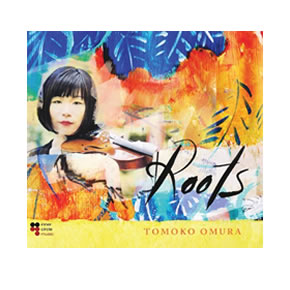
Violinist, composer and arranger Tomoko Omura released "Roots" (Inner Circle Music) early in 2015 and the music resonates with me still. Employing a great ensemble including Glenn Zaleski (piano, keyboards), Colin Stranahan (drums), and Noah Garabedian (bass) plus guitarist Will Graefe on 8 tracks. Ms. Omura reimagines pieces from her native Japan in ways that honor their original intent while giving the new life.  And, there is such of a sense of "serious play" on these cuts.  

For more information, go to www.tomokoomura.com. 


The new recording from vocalist and multi-instrumentalist Jen Shyu is a dazzling display of creativity and musicality that also defies categorization.  Let's just say you'll not hear a more dynamic and dramatic album than "Sounds and Cries of the World" (Pi Recordings) - you may hear some that are its musical equal (Mycale, Bjork) but not as powerful. She makes brilliant use of her band - Ambrose Akinmusire (trumpet), Mat Maneri (viola), Thomas Morgan(bass) and Dan Weiss (drums) - while making you return time and again to hear how she uses her voice nd instruments. 

For more information, go to pirecordings.com/album/pi61.

Saxophonist and composer Ochion Volk and his Quartet -  pianist Amino Belyamani (Dawn of Midi), bassist Sam Minaie (Tigran Hamasyan), and drummer Qasim Naqvi - released his 2nd CD this year and it's a jewel. The interplay of the musicians (guitarist Lionel Loueke appears on several cuts), the creativity of the compositions and fact that the musicians serve the music and not just show how well they can play, all that and more makes this a standout CD.  I would love to hear this band live just to get lost in this creative experience.

For more information, go to www.ochion.com. 


The latest hit from alto saxophonist Rudresh Mahanthappa has its roots in 2 musical areas, those being the intricate rhythms of South Indian music and the saxophone language developed by Charlie Parker. Performed by a band that boasts the fiery rhythm section of François Moutin (bass) and Rudy Royston (drums - he shows up again below), the agile piano work of Matt Mitchell and the brilliant trumpet playing of Adam O'Farrill, this music is an often joyous blend of dexterity, rhythmic complexity and melodic playfulness.

For more information, go to rudreshm.com.


Speaking of Mr. Royston, his work with tenor saxophonist JD Allen is how listeners first heard his dynamic drumming.  After a pair of Quartet recordings, Mr. Allen returned to his Trio (bassist Gregg August is the important third member) he formed in 2007 to create "Graffiti", perhaps the bluesiest and most melodic recording  he has released in his career.  Yes, there's a bow to the classic Sonny Rollins Trio recordings of the 1950s but this recording serves to remind us of how revolutionary the elder tenor player was in his youth and this style is far from being tired and old.

For more information, go to www.jdallentenorsaxophonist.com.


Going back to listen to "Synovial Joints", the 2015 Pi Recordings album from Steve Coleman and the Council of Balance, I am reminded of how many different styles of music the alto saxophonist, composer and arranger dips into to create his music and just how seamlessly he does it. Utilizing the great rhythm section of Anthony Tidd (electric bass) and Marcus Gilmore (drums) plus the splendid voice of Jen Shyu (see above), trumpeter Jonathan Finlayson, guitarist Miles Okazaki, a string quartet, 3 additional brass players, 3 additional reeds, and 3 percussionists, t is stunning how clean, clear, and insistent this music is.

For more information, go to pirecordings.com/album/pi57.


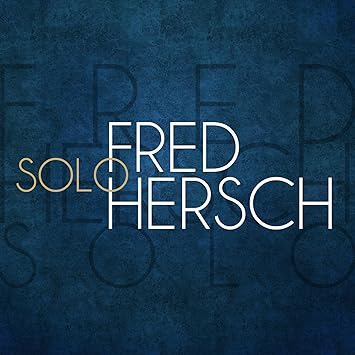
In a world filled with masterful pianists, Fred Hersch is certainly one of the finest.  Whether in front of his Trio or a larger ensemble, his lyricism and creativity is, at many turns, quite amazing.  This year, he gave us "Solo" (Palmetto Records) and, once again, the listener is whisked away from the mundane and everyday to bask in the glow of a consummate performer. Whether it's his original music or one of his joyous forays into the land of Thelonious Monk, Mr. Hersch always gives the listener much to chew on.

For more information, go to www.fredhersch.com.


Speaking of masterful pianists, Myra Melford dropped "Snowy Egret" (both the name of the group and its recording from ENJA) during the year. With a band that includes such great players as Ron Miles (trumpet), Liberty Ellman (guitar),  Stomu Takeishi (bass guitar) and Tyshawn Sorey  (drums), the composer gave us music that, like Mr. Coleman's and Ms Shyu's, is multi-directional, challenging and quite satisfying. 

For more information, go to www.myramelford.com.


No one was busier this year than pianist Matthew Shipp, showing up as a sideman on several CDs, co-leading others and releasing, arguably, his most impressive Trio recording in his career.  "The Conduct of Jazz" (Thirsty Ear) is contemplative, feisty and filled with, at a number of turns, impressive interplay between the pianist, long-time associate Michael Bisio (bass) and the Trio's new member, drummer Newman Taylor Baker.

For more information, go to www.matthewshipp.com.

The final group of favorites will be posted next week - in the meantime, live life to the fullest by going out to support live music in your community and state!


Sunday, February 1, 2015

Strings and More

Pianist-composer Jon Davis has been an active participant on the contemporary music scene since the 1980s, first coming to critical attention for his work with bassist Jaco Pastorius.  He's also worked with Beatle Jazz, with the Bill Mobley Big Band, with saxophonist Ilhan Ershahan and a long list of other great players.

For "Moving Right Along", his 6th recording as a leader (and second for Posi-Tone Records), he leads a trio that features drummer Shinnosuke Takahashi (who appeared on that first CD) and bassist Yashushi Nakamura through a smart program of originals, standards, and covers.  He pays tribute to Pastorius with a lovely version of "Portrait of Tracy" (one of the late bassist's must enduring melodies) as well as a blazing take of "Dania" (originally composed for big band).  The quiet yet active percussion of Takahashi stands out on the former track (as does the wonderful "dancing" piano solo) while the latter tools along atop the strong walking bass lines.  The arrangement for John Coltrane's "Moment's Notice" opens on a lovely, lilting, Caribbean rhythm and moves forward with glee.  The interaction of the drums and piano on Davis's solo is delightful, really the essence of what creative music can be. There's also a great take on The Beatle's "She's Leaving Home", one that illuminates the bluesier side of the song. Takahashi's splendid cymbal work on the opening choruses of Frank Loesser's "I've Never Been in Love Before" sets up a tension that is relieved and revived all through the solo section. Nakamura's bass lines explore counterpoint, weaving through the showers of piano notes and cymbal splashes.

Davis takes 2 pieces for solo piano, Thelonious Monk's "Reflections" and Harold Arlen's "I Gotta Right to Sing The Blues."  The pianist caresses Monk's handsome melody, not rushing the pace, and keeping the reflective quality of the music. The Arlen composition, from 1932, is also quite reflective, an appropriate song to close the CD.

The album includes 5 Davis originals including the McCoy Tyner-like title track that opens the program and the blues-drenched "Under The Stairway" that follows. It's really quite a pleasure to hear a rhythm section so tuned in to the movement of the leader; though there are few bass or drums solos (and those are much closer to the end of the recording), one can hear just how involved and important Nakamura and Takahashi are to the success of the trio "sound".  There's a touch of Horace Silver's sound in the medium-tempo of "Pensive Puff" (bass line, at times, echoes "Song For My Father") and a hint of Abbey Lincoln's classic "Throw It Away" in the bluesy melody of "Just In Case." The familiar touches serve to draw the listener closer and truly make the piece more enjoyable.

"Moving Right Along" does just that - for 66 minutes, Jon Davis, Yasushi Nakamura, and Shinnosuke Takahashi move the listener through a panoply of musical styles and emotions. You can listen early in the morning as you prepare for the day or late in the evening with a glass of wine.  With the typical clean Posi-Tone sound (Nick O'Toole must love drummers), this album is a welcome addition to lovers of piano trio music...and lovers of good music anywhere.  For more information, go to www.jondavismusic.com.


Violinist and vocalist Tomoko Omura came to the United States from her native Japan in 2004 to study at the Berklee School in Boston.   She released her debut CD in 2008, "Visions", her dedication to 7 violinists who brought their instrument and personalities to the fore of improvisational music. She has gone on to play with numerous musicians including Fabian Almazan, The Mahavishnu Project, and as a member of the Guy Mendilow Ensemble.

For her second album, "Roots" (Inner Circle Music), Ms. Omura works with the excellent rhythm section of Glenn Zaleski (piano, keyboards), Colin Stranahan (drums), and Noah Garabedian (bass) - guitarist Will Graefe joins the ensemble on 8 of the 11 tracks.  Each of the 10 songs is a melody familiar to Japanese audiences (there are 2 short versions of the Japanese "National Anthem") and what Ms. Omura has done is filter these pieces through her experiences in the United States and her work as a student and improvising musician.  What should stand out, even to the casual listener, is the brilliant musicianship, the fascinating melodies, and the intelligent solos all around.  Stranahan is the sparkplug throughout and young Mr Garabedian (whose BJU Records debut recording "Big Butter & The Eggmen" is quite fine) really fills the bottom with his full sound and active bass lines.  Zaleski frames the music with his rich piano chords plus takes a number of strong solos while Graefe's solos and percussive comping help to expand the textures of the music.

The first sound you hear is Ms. Omura's overdubbed voice on the traditional Japanese tune "Antagata Dokosa (Where Are You From?)"; soon she is joined by a walking bass line and, then, the drummer leads the rest of the band in. Rising out of the piece is the violin and the leader's long melodic lines plus full tone soars above the active rhythms.  The guitarist blends a Bill Frisell-like tone with his angular phrasing for an exciting solo that leads into a fiery synthesizer solo from Zaleski. The rhythmic drive on "Ge Ge Ge" (so smartly pushed by Stranahan and prodded by Garabedian) supports the lovely melody and gives a solid platform for the excellent solos. There are echoes of Appalachian fiddle music is the lovely melody of "Tinsagu Nu Hana (Green Tea Picking)" and just of hint of "Danny Boy" in the opening line of "The Mountain." Some listeners may remember saxophonist Billy Harper's adaptation of "Soran-Bushi" from the late 1970s - here, the quintet of musicians take the haunting traditional melody and give it wings. The interaction of violin, guitar and piano plus the forceful rhythm section jumps out of the speakers. That is followed by the percussive intro to "Chakkiri-Bushi" played by the plucked and picked strings of violin and guitar leading to a handsome melody and compelling solos.

Give credit to the wonderful violin work of Tomoko Omura. Her solos rise organically out of the melodies, her viola-like tones, smartly-placed pizzicato, and vocal-like phrases stand out.  And, one can really tell that this is a "working" band, not just a "studio" date. Their individual styles complement each other and all work together to create this beautiful and often exciting soundscape.  "Roots" reaches back for its source material but is most certainly contemporary music at its best.  For more information, go to www.tomokoomura.com.

Here's the opening track - Enjoy!


Cellist/arranger Akua Dixon has had a long and varied career; she was a founding member of The Uptown String Quartet and now leads Quartette Indigo.  She has created string arrangements for recordings by Lauryn Hill and Aretha Franklin, for the Alvin Ailey Dance Theater, and played alongside Duke Ellington, Max Roach, B.B. King, Henry Threadgill, Mary J.Blige and Busta Rhymes plus many more.

Her self-titled and self-released eponymous second CD is, literally, a "holiday for strings" with tracks arranged for string quartet, for 3 violins and cello, and 2 pieces for voice and strings.  Only the opening "Haitian Fight Song" has a traditional bass-and-drums rhythm section although bassist Kenny Davis also provides the bottom (and rhythm) on 3 other tracks (Ms. Dixon's son Orion makes the lone appearance as the drummer).  Violinist John Blake (who passed in August of 2014) plays 2 great solos, one on the Mingus tune and also on the splendid take of Cachao Lopez's "A Gozar Con Mi Combo." Regina Carter is on 3 tracks, soloing with aplomb on the Lopez tune, showing a bluesier side on Duke Ellington's "Freedom" and a romantic flair on the string quartet arrangement of Astor Piazzola's "Libertango."

Henry Mancini's "Moon River" is arranged for string quartet, with the lovely melody supplied by violinists Patrisa Tomassini and Gwen Laster.   The counter-melody and first solo comes from violist Ina Paris (who, like Ms. Tomassini and Ms. Laster, are members of Quartette Indigo), all the while Ms. Dixon supplies the foundation for the music. These 4 fine musicians also dance through "Poinciana" and join bassist Davis on Richard Rodgers "It Never Entered My Mind."  Ms. Dixon adds a wordless vocal atop the classy arrangement, displaying a great range of notes and emotions.

Ms. Dixon's daughter Andromeda Turre (dad is trombonist Steve Turre) joins the string quartet plus Davis on a strong reading of Billy Strayhorn's "Lush Life" that starts slowly and then heads into a "swing" arrangement.  Ms. Turre's does a fine job of inhabiting the lyrics and then tops the piece off with several choruses of "scat" singing.

The variety of music and the compelling arrangements Akua Dixon presents and creates on this CD offers music to the avid listeners, showing a string quartet need not be staid nor revolutionary - in fact, one can swing!.  For more information, go to www.akuadixon.com.

Sunday, May 25, 2014

Look Into Inner Circle Music

Since the beginning of 2014, Inner Circle Music, the label saxophonist/composer Greg Osby started in 2007, has issued 5 CDs.  Four of them are reviewed below, each one unique and well worth listening to. To find out more about the artists Mr. Osby has recorded, go to www.innercirclemusic.net.

Upon listening through "Primavera" several times, one is struck by a number of impressions; most of all, the wife-and-husband collaboration of Sara Serpa (voice, keyboards) and Andre Matos (guitars, bass) is so bright and full of life.  Not surprising because when the recording process began, Ms. Serpa was pregnant and, by the time the duo completed the sessions, their first child was born.
14 songs make up the program, 2 with lyrics by Portuguese poet Fernando Pessoa and 1 by e.e. cummings, 1 each by Gullermo Klein and the duo of Jeanne Lee & Ran Blake (with whom Ms. Serpa has recorded 2 lovely CDs) and the rest by either the vocalist or her husband.

I hear John Lennon's "Julia" in the lovely and deliberate melody of "Tempo" as well as XTC's Andy Partridge on "Song for a Sister"  The duo substitute guitar for piano on Lee & Blake's "Vanguard" (which Ms. Serpa also recorded with pianist Blake), making the piece less mysterious but still moving.  Label head Greg Osby appears on Matos' "Choro" where he wraps his flowing lines around the duo. There are moments when either the guitar or the saxophone shadows the vocal and that give-and-take makes the piece stand out.  Leo Genovese appears on 3 tracks playing a variety of instruments - his lovely melodica rises out of the wordless vocal lines on "Rios" sounding like Toots Thielemans.  He also adds bomba leguero and piano to the sweet Serpa ballad "Nuvem" plus toy guitar to the uptempo "Kubana."  Ms. Serpa takes the e.e. cummings' poem "i Thank You God for most this amazing" for the final track, "Earth" where her simple yet effective Fender Rhodes lines give Matos the room to add counterpoint.

Throughout the album, Andre Matos complements Sara Serpa's vocals with his expressive guitar lines.  He's not out to show his technical skills but to be a painter of the scenes that the melodies and harmonies create.  In Portuguese, "Primavera" means "in spring", the season of renewal and creation.  Listening to this music, you'll say "yes" to all counts.  For more information, go to www.saraserpa.com. Also, listen to Sara and Andre on "The Jazz Session" - go to thejazzsession.com/2014/05/19/the-jazz-session-437-sara-serpa-and-andre-matos/. Check out the CD below.


Alto saxophonist Alex LoRe, a native of Tarpon Springs, Florida, is a young saxophonist/composer whose Inner Circle debut, "Dream House", will thrill fans of the saxophone trio. LoRe, who graduated from the New England Conservatory of Music in 2009 and the Manhattan School of Music in 2011, has studied with George Garzone, Bunky Green, James Moody, Lee Konitz, Frank Carlberg, Dave Liebman and Steve Wilson (and others).  For his debut CD, his Trio mates include the thoughtful supportive bassist Desmond White and the delightful drummer Colin Stranahan plus former teacher Garzone appears on 3 of the 8 tracks.

The rhythm section gives LoRe plenty of support throughout the program.  Case in point - the lovely ballad "Tonight I Shall Sleep."  The melody feels like a Bach sonata filtered through an Ellingtonian lens (it actually is an Ellington composition from 1945 that he recorded with trombonist Tommy Dorsey) with the leader's handsome alto sax sounding like a young Johnny Hodges.  Stranahan stays with brushes throughout and, boy, can he dance.  White's rich bass lines offering a counterpoint through the melody and the alto solo. "Too Soon" also has a classical feel, especially in the long arc of the melody line and the bouncing bass lines.The airy alto leads in "Here Comes Tomorrow" (composed by White) but the rhythm section really pushes against the limpid sax lines with more strong counterpoint from White and very active but not intrusive pal from the drummer.

George Garzone joins forces on the front line and the blend of the 2 saxophones suits the ballad "Forward" just fine.  LoRe's melody unfolds slowly with the teacher weaving his lines in and around the student.  Stranahan's playing actually has a strong melodic bent while his cymbal work shimmers.  White, a native of Perth, Australia (who is also a fine singer-songwriter), makes all the right moves, all of which makes the music so compelling. The dual saxes also the opening and closing tracks additional urgency; "Amnesia" opens the proceedings in modified bop fashion but it's the splendid insistent bass lines that truly moves the piece forward while the program closes with the high energy "Buto." Stranahan gets to step out, playing with a joyous fire that is so inviting.  Garzone rides atop the waves of percussion and the motoring walking bass lines. The title track has a stunning melody line accentuated by White's droning bowed bass and Stranahan's subtle drive.

Alex LoRe rarely shortchanges a piece, letting the music unfold logically.  His alto lines  develop intelligently, making many of the tracks sounds as if one was watching the creative process in real time.  The trio plays with great freedom yet never loses sight of the importance of the melodies.  "Dream House" is a lovely abode, one in which the listener can relax and open up to a delightful experience.  For more information, go to www.alexlore.com.


If you enjoy the stew that can be created when jazz comes in contact with music from diverse cultures, place "Visions" in the player.  Vocalist Kavita Shah, a native of Manhattan, approaches her debut recording as a leader with no trepidation.  Opening with Cape Verdean composer/performer Amandio Cabral's "Sodade", one must be prepared to be surprised.  The blend of co-producer Lionel Loueke's acoustic guitar, the koto of Yacouba Sissoko, acoustic bass of Linda Oh, the tabla of Stephen Cellucci and hand percussion of Rogerio Boccato, the song floats in on Ms. Shah's rich voice (overdubbed later to create a sweet chorus).  When the string quartet enters, it's the perfect touch.  The title track, the Stevie Wonder song with such hopeful lyrics, has a strong drum track (Guilhem Flouzat) and percussive guitar (Michael Valeanu) plus atmospheric piano (Steve Newcomb - Ms. Shah is the vocalist in his Orchestra).  The overdubbed vocals create an orchestra of its own. The 3rd track, Joni Mitchell's "Little Green" (from 1971's "Blue") builds on the original with Ms. Shah's showing the influence of the composer's elastic voice but using the koto, piano, percussion bass, and Flouzat's sensitive brushwork creates a dream-like background.

That's just the first 3 tracks.  Then, there is the tabla-driven reading of M.I.A's "Paper Planes" (the original version used a sample from The Clash) that also features strong work from Valeanu and Steve Wilson (soprano saxophone) followed by a lovely take on A. C. Jobim's "Triste" driven by more fine brushwork, Ms. Oh's melodic/percussive bass work, Valeanu's strong rhythm guitar and the alto flute of Wilson (whose other appearance is on "Deluge", Ms. Shah's take on the Wayne Shorter composition from his "Juju" Lp). Loueke's voice and guitar join Ms. Shah on the exciting reading of "Oju Oba", a Brazilian tune from composers Edil Pacheco and Paulo César Pinheiro made popular by Gilberto Gil. The string quartet is employed to great effect on the 3-part "Rag Desh" that not only shows the vocalist's wonderful range and understanding of South Indian music but her creative arranging skills as she adds koto and a full rhythm section as the piece (based on a composition by percussionist Samir Chatterjee from his collaboration with wood flue master Steve Gorn)  By the time  you reach the playful down-tempo remix of the beautiful ballad "My Time Is When" that closes the CD (as a bonus track), it's hard to suppress the smile spreading across your face.

Some may consider the variety of styles that appear on "Visions" as overreach on the part of Kavita Shah.  Ignore any comments such as those and dive right into this music.  Like the Serpa/Matos duo CD above, there is such a feeling of the joy that comes from the creativity and the collaboration of the vocalist and musicians, the recording serves as a panacea to the sadness that creeps into everyday life. Of course, that can be considered as one of the underlying purposes in Stevie Wonder's lyrics on the title track.  If so, dream on.  For more information, go to www.kavitashahmusic.com.


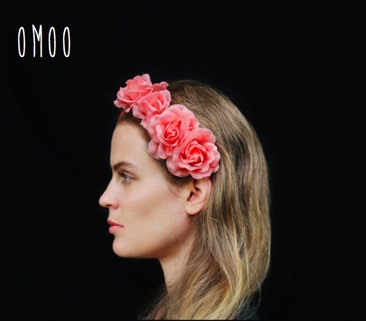
For her debut recording, Emilie Weibel decided to go it alone in the studio.  "Omoo" features her lovely soprano voice surrounded by sound samples, percussion, electronics, keyboards and, on the transcendent "L'Heure Exquiste" (a poem of Paul Verlaine set to music by Reynaldo Hahn), a music box.

Ms. Weibel, a native of Lausanne, Switzerland, has studied with Gretchen Parlato, Jen Shyu and Ralph Alessi. On pieces such as "River Song", one can hear the influence of Ms. Parlato in both the lead and backing vocals.  That influence shows again in the sweet reading of Wayne Shorter's "Footprints" (the arrangement is based on Marc Copland's 2005 version of the track while the lyrics are original) - here, the melody is supported by a thunderstorm and vocal percussion.  The title track, inspired by the Herman Melville novel and a song from the Babinga tribe of the Congo, also use water - here, the sound of waves lapping the shore - to support the vocal.  The overdubbed voices swell like waves striking the side of a boat.  "Hello Lea" shows the influence of Bobby McFerrin in her choice of sounds in the backing wordless vocals.  She has worked with French violinist Scott Tixier and based "Tu Dis (to my Dad)" on one of his compositions. The influence of "downtempo" music is evident on several cuts including the opening song "Lemania" where the synthesized drums rise out of the sounds of a quiet bay, complete with the wind pushing the water.

"Omoo", at just over 28 minutes, is still quite a fulfilling experience.  The voices, the delicate melodies, the incidental sounds, the richness of the aural soundtrack and the honesty of the creator's intent all stand out.  This music will not bowl you over but will seduce you; enter the world of Emilie Weibel and you'll be in a unique Wonderland.  For more information, go to www.emilieweibel.com.

Give a listen: