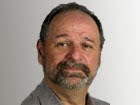
Sebastian Noelle, German-born guitarist and composer, is probably best known as a large ensemble guitarist. He's a member of Darcy James Argue's Secret Society, the Chris Potter Big Band, Joe Phillips Numinous, the New York Soundpainting Orchestra, and Jeff Fairbank's Project Hansori, and others. He has also worked in smaller groups and his first two CDs for Fresh Sound New Talent as a leader featured quintets.
"Shelter" is his third CD for the label (fourth overall) and it, too, features five musicians. Joining the guitarist on this 10-track program of originals are Marc Mommaas (tenor saxophone) and Matt Mitchell (piano) plus the superb rhythm section of Matt Clohesy (bass) and Dan Weiss (drums). Listening through several times, the work of the rhythm section and how the piano, bass, and drums create sparks on just about every cut stands out. Noelle's compositions and arrangements are smart, the melodies offer the rhythm section choices. Listen to how Weiss constantly changes his accents and snare drum on the medium tempo ballad, "Another Spring" and how Mitchell and Clohesy frame the melody of "Day Off." The rhythm section gives Mommaas such a sweet cushion on that latter track, enough so his solo feels effortless. There is a deliberate quality during the introduction to "Mirror Lake"; then the piece goes in several different directions with a fascinating fragmented melody before a splendid solo from Mitchell (he dazzles in several solos on the album). Noelle's folk-like introduction to "Home In a Strange Land" includes Clohesy on the melody over the circular piano lines. Soon, Mommaas takes the melody, sharing the second half with the bass. Everyone but Weiss gets in on delivering the theme yet he's quite active under the tenor and guitar interaction.
The influence of Indian music is evident on "Ahir Bhairav." - Based on a classic Indian modal form, the piece gets its power and movement from the circular melody lines and Weiss's tremendous drum presence. Most listeners know of his vast knowledge of tabla drums and Indian rhythms; on this track, he uses his trap set to lay the melody line, bouncing around beneath the powerful guitar solo while Clohesy stays tethered to the song's thematic material. It's just so amazing to hear how the entire band states the rapid-fire melody before and after the impressionistic tenor sax solo.
"Shelter" is such a full band project. Sebastian Noelle has created music that involves his entire group and the listener. His handsome melodies and intelligent arrangements plus the fine work of his Quintet allows the listener to "get lost" in the music, to savor the delightful rhythms and the interactions within each piece, and, ultimately, to enjoy the results.
For more information, go to www.sebastiannoelle.com.
Here's a short video about the album:
Guitarist and composer David Gilmore, a native of Cambridge, MA, is in the midst of a very busy career. His guitar playing has graced albums by Wayne Shorter, Sam Rivers, Cassandra Wilson, Steve Coleman, Jeff "Tain" Watts, and many others as well as touring with the likes of Mavis Staples, Me'Shell N'degocello, Isaac Hayes, and Melissa Etheridge.
"Energies of Change" is not only the name of the guitarist's latest CD (released on Evolutionary Music) but also the name of the Quintet playing the music. Recorded in December of 2010 (with additional work in November 2012), the nine originals feature the guitarist with Marcus Strickland (soprano, alto, and tenor saxophones, bass clarinet), Luis Perdomo (piano), Ben Williams (bass) and Antonio Sanchez (drums). This is a band of great soloists and leaders and they give Gilmore so many sonic possibilities. The music can soar as it does on the fiery "Rajas Guna" with its Mahavishnu-like melody line. Strickland (on tenor) and Gilmore take advantage on the tremendous work of Perdomo, Williams, and, especially Sanchez who continually pours percussive gasoline on the musical fire. "Over Shadow Hill Way" reads like a Wayne Shorter title and even sounds like it could have come off of the great saxophonist's 1995 "High Life" album. The percussive attack of both Strickland (soprano) and Gilmore is fueled by Sanchez's inventive give-and-take while Perdomo responds with lines that ripple across the keyboard. The drummer teams with guest Kofo Wanda (talking drum) on "Dance of Duality" to create a sensuous rhythm, aided pleasingly by Williams pulsing bass lines. The blend of soprano sax and guitar,the percussive counterpoint of Perdomo's piano plus the percussion interaction makes this track a joyous romp.
The fluidity of the piano and guitar on the opening of "Awakening" leads the listener into what sounds like a typical world. But, surprise, there's a "straight-ahead swing" section for Gilmore, Williams, and Perdomo craft fine solos. There is more of a gentle swing on "Sacred Pause"; after the soprano and guitar state the melody, Strickland creates a solo that flies above the rhythm section setting the stage for Perdomo's dancing solo. Sanchez's cymbal work, the counterpoint of the bass, and Gilmore's easy chords keep the attention on the solos. The leader gets his turn as well, creating a furious dialogue with the drummer that shakes up the song but does not knock it off its moorings. The CD ends on a fine and funky note, with the clicking guitar and rattling drums leading the tenor saxophone and piano in to "Trick Of I." Gilmore's solo is a highlight, moving from rapid-fire single-note lines to a chordal conclusion (they reappear again during the fadeout) that leads into Strickland's rapid-fire lines.
Give this album some time to sink into your mind. Listen to how well-balanced the songs are, how David Gilmore arranges each piece so that every member of the quintet plays up to his full potential, and how Antonio Sanchez gives each track such life from his drum seat. If you enjoy guitarists like Kurt Rosenwinkel and Brad Shepik, "Energies of Change" should make you very happy.
For more information, go to www.davidgilmore.net.
Here's a video of the band from 2013 with Rudy Royston in the driver's seat:
Showing posts with label quintets. Show all posts
Tuesday, June 21, 2016
Friday, September 4, 2015
3 Quintets
"Impetus" is the 3rd release (all Quintet albums) from trumpeter/composer David Smith and 2nd for BJU Records. Guitarist Nate Radley has been in the group since its inception in 2005 and is an excellent foil for the leader. Filling out the ensemble is bassist Gary Wang (who's also featured on "Anticipation", Smith's 1st BJU disk), Dan Pratt (alto and tenor saxophones), and Anthony Pinciotti (drums).
Smith's compositions all have good, strong, melodies, and intelligent voicings (listen to the blend of trumpet, guitar and tenor sax on the opening and closing themes of "Bond") plus he leaves plenty of room for solos. The insistent drive of "Starr St." is created by the rhythm section but pushed forward by the guitar Radley provides a second solo voice with Pratt's tenor then goes into overdrive for the trumpet solo, his raucous chords provoking Pinciotti to drive harder. "Seven", which gets its harmony from a movement of Beethoven's "Seventh Symphony", reminds this listener of the driving rock tunes of John Lennon (especially "Happiness is a Warm Gun") - Smith's solo pulsates forward, pulling the rhythm section with him. When he hands off the solo to Pratt, the intensity lessens for just a bit before picking up again. "The Toaster" burns, from the fiery rhythm section to the rapid-fire theme to the blistering trumpet solo and incendiary tenor spotlight.
The final track, "Intersection", opens with a sweet trumpet melody over bluesy guitar chords. Smith stays in front for over 5 minutes of the song (total time = 10:45) before giving way to a fine guitar solo. Radley starts by playing chords before going into fast single-note runs yet always returns to chords. The trumpeter builds the intensity towards the climax, adding the saxophone to push forward over the hard-edged work of the rhythm section.
There's much to like on "Impetus", from the excellent compositions to the fine interactions of a working band. Everyone gets the opportunity to shine especially guitarist Nate Radley who is the lynchpin on the majority of the cuts. Give David Smith a close listen, it's worth your time.
Here's the opening track:
David Smith also shows up on "Scenic Design", the second BJU recording for pianist and composer David Cook. He shares the front line with saxophonist and producer Ben Wendel while the rhythm section features the expert work of Matt Clohesy (bass) and Kendrick Scott (drums). Cook has served as musical director for vocalists such as Taylor Swift, Lizz Wright, Marianne Faithful and his wife Shayna Steele plus has played in the large ensembles of Alan Ferber, J.C. Sanford and Travis Sullivan's Bjorkestra. His 2010 BJU debut, "Pathway", was an impressive trio session that also featured bassist Clohesy in the rhythm section along with drummer Mark Ferber.
This program covers a wide swath of musical territory, from the trumpet/piano duo on Ms. Swift's "Safe and Sound" to the inspired reimagining of Jerome Kern's "Long Ago and Far Away" to the lovely ballad "I Know You Know" (co-written by and featuring Ms. Steele). Cook is quite an expressive pianist, whether he's quietly playing the chords beneath Wendel's tenor sax on "Midwestern" (which has a lovely melody line) or stepping out in glorious fashion as he does on ""80s TV Theme Song", a piano-bass-drums workout that has splendid solos from everyone involved. Anyone who knows the work of Kendrick Scott knows the drummer rarely plays it safe. His high-powered drive on "Shift" and his easy-going yet subtly intense work on the title track makes those pieces stand out even more. How he drives the opening "Flower and Hope" serves to free up the soloists and he goes on to make the interweaving solo lines of Cook and Wendel more exciting.
The final track, "Still", opens with a long solo piano statement (reminiscent of the work of Fred Hersch) - when the rhythm section and Wendel's alto saxophone enter, they join the pianist in the melody (note Clohesy's strong contribution) bringing the program to a gentle yet uplifting close.
After listening to "Scenic Design" a number of times, one continues to be impressed by how David Cook has arranged this music for this quintet. One can tell the musicians were emotionally invested in the music, giving the album an undeniable positive feel. Check out these sweet sounds.
For more information, go to www.davidcookmusic.com.
Here's the title track:
As I write this, Harris Eisenstadt is in the midst of a week-long residency (9/01-06) at The Stone in New York City in celebration of his 40th birthday and all the great music and ensembles he's created since first arriving on the scene a few years before the beginning of the 21st Century. In the midst of the Big Apple week, Songlines Recordings has issued "Canada Day IV", featuring the drummer/composer's long-running quintet of Matt Bauder (tenor saxophone), Nate Wooley (trumpet), Chris Dingman (vibraphone) and newest member Pascal Niggenkemper (bass).
What you'll notice about this quintet music is that the composer puts great stock in melodies as well as creating smaller groups inside the ensemble. And, there are times when the band is very playful. Check out the interaction on "Let's Say It Comes In Waves" and how everyone is involved in moving the melody forward (even the drummer) - that does not change until the handsome trumpet solo but pay close attention how the rhythm section plays beneath that solo. Wooley enlivens "Life's Hurtling Passage Forward" with a raucous trumpet solo worthy of Lester Bowie and Taylor Ho Bynum then adds a mute to take the song out over Dingman's mesmerizing vibes. The vibraphonist has such a full sound, does not swing in the manner of Jay Hoggard (his teacher at Wesleyan) or Gary Burton, yet his background work is integral to the success of this music. His support beneath Niggenkemper's bowed bass at the start of "What's Equal To What" adds to the mystery of the piece, an alternative universe that does not waver until the drums enter and the bassist eases into a walking rhythm. And the band knows how to let loose. Dingman dances through his solo on the uptempo, Monk-like, "What Can Be Set To the Side"; the piece falls apart and takes on a circus-like atmosphere right near the end. The closing track, "Meli Melo" (named for a Canadian snack mix), starts out quietly, just saxophone and vibes for the first 3 minutes before the sax drops out leaving Dingman to move the melody into the forefront. The bass and drums enter before the band plays a stop-and-go melody leading into an interchange of the saxophone and trumpet.
"Canada Day IV" continues a streak of impressive recordings for Harris Eisenstadt. His ability to write for disparate ensembles continues to grow (the residency includes music for his Canada Day Octet and a new piece for string quartet) and, while on paper this Quintet looks like typical "jazz" lineup, the music they play is anything but typical. Engaging, involving, and challenging, yes, but not typical.
For more information, go to www.harriseisenstadt.com.
Here's a taste of this fine CD:
Smith's compositions all have good, strong, melodies, and intelligent voicings (listen to the blend of trumpet, guitar and tenor sax on the opening and closing themes of "Bond") plus he leaves plenty of room for solos. The insistent drive of "Starr St." is created by the rhythm section but pushed forward by the guitar Radley provides a second solo voice with Pratt's tenor then goes into overdrive for the trumpet solo, his raucous chords provoking Pinciotti to drive harder. "Seven", which gets its harmony from a movement of Beethoven's "Seventh Symphony", reminds this listener of the driving rock tunes of John Lennon (especially "Happiness is a Warm Gun") - Smith's solo pulsates forward, pulling the rhythm section with him. When he hands off the solo to Pratt, the intensity lessens for just a bit before picking up again. "The Toaster" burns, from the fiery rhythm section to the rapid-fire theme to the blistering trumpet solo and incendiary tenor spotlight.
The final track, "Intersection", opens with a sweet trumpet melody over bluesy guitar chords. Smith stays in front for over 5 minutes of the song (total time = 10:45) before giving way to a fine guitar solo. Radley starts by playing chords before going into fast single-note runs yet always returns to chords. The trumpeter builds the intensity towards the climax, adding the saxophone to push forward over the hard-edged work of the rhythm section.
There's much to like on "Impetus", from the excellent compositions to the fine interactions of a working band. Everyone gets the opportunity to shine especially guitarist Nate Radley who is the lynchpin on the majority of the cuts. Give David Smith a close listen, it's worth your time.
Here's the opening track:
David Smith also shows up on "Scenic Design", the second BJU recording for pianist and composer David Cook. He shares the front line with saxophonist and producer Ben Wendel while the rhythm section features the expert work of Matt Clohesy (bass) and Kendrick Scott (drums). Cook has served as musical director for vocalists such as Taylor Swift, Lizz Wright, Marianne Faithful and his wife Shayna Steele plus has played in the large ensembles of Alan Ferber, J.C. Sanford and Travis Sullivan's Bjorkestra. His 2010 BJU debut, "Pathway", was an impressive trio session that also featured bassist Clohesy in the rhythm section along with drummer Mark Ferber.
This program covers a wide swath of musical territory, from the trumpet/piano duo on Ms. Swift's "Safe and Sound" to the inspired reimagining of Jerome Kern's "Long Ago and Far Away" to the lovely ballad "I Know You Know" (co-written by and featuring Ms. Steele). Cook is quite an expressive pianist, whether he's quietly playing the chords beneath Wendel's tenor sax on "Midwestern" (which has a lovely melody line) or stepping out in glorious fashion as he does on ""80s TV Theme Song", a piano-bass-drums workout that has splendid solos from everyone involved. Anyone who knows the work of Kendrick Scott knows the drummer rarely plays it safe. His high-powered drive on "Shift" and his easy-going yet subtly intense work on the title track makes those pieces stand out even more. How he drives the opening "Flower and Hope" serves to free up the soloists and he goes on to make the interweaving solo lines of Cook and Wendel more exciting.
The final track, "Still", opens with a long solo piano statement (reminiscent of the work of Fred Hersch) - when the rhythm section and Wendel's alto saxophone enter, they join the pianist in the melody (note Clohesy's strong contribution) bringing the program to a gentle yet uplifting close.
After listening to "Scenic Design" a number of times, one continues to be impressed by how David Cook has arranged this music for this quintet. One can tell the musicians were emotionally invested in the music, giving the album an undeniable positive feel. Check out these sweet sounds.
For more information, go to www.davidcookmusic.com.
Here's the title track:
As I write this, Harris Eisenstadt is in the midst of a week-long residency (9/01-06) at The Stone in New York City in celebration of his 40th birthday and all the great music and ensembles he's created since first arriving on the scene a few years before the beginning of the 21st Century. In the midst of the Big Apple week, Songlines Recordings has issued "Canada Day IV", featuring the drummer/composer's long-running quintet of Matt Bauder (tenor saxophone), Nate Wooley (trumpet), Chris Dingman (vibraphone) and newest member Pascal Niggenkemper (bass).
What you'll notice about this quintet music is that the composer puts great stock in melodies as well as creating smaller groups inside the ensemble. And, there are times when the band is very playful. Check out the interaction on "Let's Say It Comes In Waves" and how everyone is involved in moving the melody forward (even the drummer) - that does not change until the handsome trumpet solo but pay close attention how the rhythm section plays beneath that solo. Wooley enlivens "Life's Hurtling Passage Forward" with a raucous trumpet solo worthy of Lester Bowie and Taylor Ho Bynum then adds a mute to take the song out over Dingman's mesmerizing vibes. The vibraphonist has such a full sound, does not swing in the manner of Jay Hoggard (his teacher at Wesleyan) or Gary Burton, yet his background work is integral to the success of this music. His support beneath Niggenkemper's bowed bass at the start of "What's Equal To What" adds to the mystery of the piece, an alternative universe that does not waver until the drums enter and the bassist eases into a walking rhythm. And the band knows how to let loose. Dingman dances through his solo on the uptempo, Monk-like, "What Can Be Set To the Side"; the piece falls apart and takes on a circus-like atmosphere right near the end. The closing track, "Meli Melo" (named for a Canadian snack mix), starts out quietly, just saxophone and vibes for the first 3 minutes before the sax drops out leaving Dingman to move the melody into the forefront. The bass and drums enter before the band plays a stop-and-go melody leading into an interchange of the saxophone and trumpet.
"Canada Day IV" continues a streak of impressive recordings for Harris Eisenstadt. His ability to write for disparate ensembles continues to grow (the residency includes music for his Canada Day Octet and a new piece for string quartet) and, while on paper this Quintet looks like typical "jazz" lineup, the music they play is anything but typical. Engaging, involving, and challenging, yes, but not typical.
For more information, go to www.harriseisenstadt.com.
Here's a taste of this fine CD:
Labels:
BJU Records,
drummer-led band,
quintets,
Songlines Recordings
Tuesday, January 20, 2015
New Year 3 x 5s
Trumpeter and composer Duane Eubanks, brother of Robin (trombone) and Kevin (guitar), is a busy musician and teacher, so busy in fact that, "Things of That Particular Nature (Sunnyside Records) is his first CD as a leader since 2001 (and only his 3rd in total!) The CD, all Eubanks originals save for Mulgrew Miller's "Holding Hands", features the splendid rhythm section of Mark Cary (piano, Fender Rhodes), the seemingly ubiquitous Dezron Douglas (bass) and co-producer Eric McPherson (drums). Sharing the front line is fine tenor saxophonist Abraham Burton plus vibraphonist Steve Nelson on 2 tracks.
There is plenty of drive in this music yet Eubanks does not skimp on melody. His crisp brass work blends smartly with Burton's first-rate tenor sounds. When Burton burst on the scene after attending both the Manhattan School of Music and the Hartt School of Music (where he worked closely with the late Jackie McLean), he was a "fire-breathing" player. He still can still "light it up" but now has matured into a still forceful yet highly melodic voice. He dances beneath Eubanks' trumpet on the ballad "Anywhere's Paradise" and takes a bluesy jaunt on "Purple, Blue, and Red." He shows a dash of "Philly Soul" (he grew up in Manhattan) on the funky "Dance With Aleta". Cary is a forceful contributor, whether pushing the tempo on "Slew Footed" or dancing his way through "Holding Hands." Marc Cary's work is exemplary throughout, whether combining his phrases with Nelson on the ballad "Aborted Dreams" or racing through the changes on "Beer and Water" (which has strong echoes of the music of Art Blakey's Jazz Messengers). The pianist joined the project after the passing of Mulgrew Miller and, while very much his own man, gives the music the weight that the late Mr Miller certainly would have added. His slinky Rhodes work, combined with the full tones of Douglas's bass and funky drums of McPherson, beneath the trumpet and sax on "Rosey" has the feel of the styling of the late Joe Zawinul with the Cannonball Adderley Quintet.
Duane Eubanks does not posit himself in the center of the music; instead, he creates a group sound in which each musician is an equal. That approach works quite well, making the music sound human and not played by rote, showing heart and emotion instead of mere technical prowess. "Things of That Particular Nature" swings with authority, shows some fine dance steps and is quite delightful. For more information, go to www.duaneeubanks.com.
Trombonist and composer David Gibson has a new CD, his 6th as a leader and 3rd for Posi-Tone Records. With a title like "Boom!", one might expect the season to be a high-powered, "in-your-face", hard bop but, instead, this is a pleasingly nuanced set of (mostly) originals that finds Gibson leading an impressive quartet of young musicians including Connecticut native Josh Evans (trumpet), pianist/Fender Rhodes Theo Hill, bassist Alex Claffy (Ralph Peterson) and drummer Kush Abadey (Wallace Roney).
Like a number of Posi-Tone records, this session's music gives off the vibe of mid-1960s Blue Note Records. There are several high-powered numbers, such as "The Cup Bearers" (composed by Tom McIntosh for an Lp of the same name released by trumpeter Blue Mitchell) and Gibson's "The High Road", tunes where Abadey's propulsion, Hill's muscular chords, and Claffy's active bass work leads the way. Gibson's solos tend to be fairly mellow, phrases that are soaked in blue tones, while Evans' attack has a more forceful attack, not unlike Randy Brecker and Freddie Hubbard. He can be mellow as well; he shows a softer side on the funky "Grass Fed" although the drummer "gooses him into the higher register at the climax of the solo. That track, as well as "Empathy" and "The Dance", display the influence of Herbie Hancock, especially in the "floating" piano chords and elongated melody lines. Pay close attention on "Empathy" to the work of the rhythm section as the "freedom" in their playing resembles the work of Hancock, Ron Carter and Tony Williams in the Miles Davis Quintet. Whereas, on the title track, one hears the funkier side of the band, not unlike the sounds of Hancock with Billy Hart or Robert Glasper with Chris Dave.
The program close with "Change the World", the ballad that Eric Clapton had a world-wide hit with the mid-1990s. Gibson et al don't mess around with the handsome melody and his solo, the only one on the cut, cover a wide swath of sonic territory and is fairly emotional. Again, the soloist locks in with the rhythm section, playing off their energy and cues.
This is one of trombonist David Gibson's "working" bands (one features organist Jared Gold, trumpeter Marquis Hill and drummer Anwar Marshall and another adds Evans and Abadey to Gold's great organ sound) and most of them are part of Josh Evans Big Band. They know each other and it shows. "Boom!" has heart, soul, funk and fire; this music belongs in your life! For more information, go to jazzbone.org.
Saxophonist Johnny Griffith, a native of St. Bonafice (Winnipeg), Manitoba, Canada, has just issued his debut CD as a leader. "Dance With The Lady" (GB Records) features 9 originals performed by Griffith (alto and tenor sax) with a splendid band including pianist Adrean Farrugia (Ernesto Cervini's band), bassist Jon Maharaj (Jamie Reynolds Trio), drummer Ethan Ardelli (Matt Newton) plus very special guest Jeremy Pelt (trumpet). The saxophonist met Pelt (who now is on the faculty of the Hartt School of Music in CT) several years and invited him to join his band. Listen to tracks such as "The Kuleshascope" (named for Canadian composer/educator Gary Kulesha) and the blues-drenched "Princess Aura Goes to Phrygia" (the title comes from the composer's favorite movie "Flash Gordon") and you can hear how much a part of the band Pelt is. "Syrah" is named for one of the important grapes of the Rhone region of France (also grown in British Columbia) - here, it is a medium-tempo ballad that has a gentle melody but a harder edge in the rhythm section. Ardelli can be a firebrand, his cymbals splashing through the pieces - his active snare work stands out on several tracks as well as his interactions with the soloists, especially Farrugia.
Griffith writes that "Cinders" was inspired by Prokofiev's music for the ballet "Cinderella"; while there is no overt "classical" connection, the music glides atop the active rhythm section with excellent solos for the leader, Pelt, and Maharaj (pay close attention to how the pianist moves the music forward and "frames" the melody).
The program opens with the swinging "The Zissou Predicament" (good possibility this is another movie reference, this time to Wes Anderson's 2004 "The Life Aquatic With Steve Zissou") and closes with high-energy "That Night..(Under The Bench)..So Long Ago" - the latter track also has a "sharp" swing element and each solo starts with a subtle shift in tempo, heading quickly back to full speed. One of the joys of this recording is that each time you listen, not only do you hear a new twist or turn but also you can hear how important each player is to the overall sound. No one is playing it safe. Kudos to Toronto-based sound engineer Stew Crookes who gets a great "live" sound from the Quintet, Of course, this is a band that should sound super in a fine performance space.
"Dance With the Lady" grabs the listener from the first note and keeps one's interest until the last note of the alto sax on the final cut. Johnny Griffith and company do not blaze new musical trails but they make music that sounds fresh and exhilarating. For more information, go to johnnygrifith.com.
There is plenty of drive in this music yet Eubanks does not skimp on melody. His crisp brass work blends smartly with Burton's first-rate tenor sounds. When Burton burst on the scene after attending both the Manhattan School of Music and the Hartt School of Music (where he worked closely with the late Jackie McLean), he was a "fire-breathing" player. He still can still "light it up" but now has matured into a still forceful yet highly melodic voice. He dances beneath Eubanks' trumpet on the ballad "Anywhere's Paradise" and takes a bluesy jaunt on "Purple, Blue, and Red." He shows a dash of "Philly Soul" (he grew up in Manhattan) on the funky "Dance With Aleta". Cary is a forceful contributor, whether pushing the tempo on "Slew Footed" or dancing his way through "Holding Hands." Marc Cary's work is exemplary throughout, whether combining his phrases with Nelson on the ballad "Aborted Dreams" or racing through the changes on "Beer and Water" (which has strong echoes of the music of Art Blakey's Jazz Messengers). The pianist joined the project after the passing of Mulgrew Miller and, while very much his own man, gives the music the weight that the late Mr Miller certainly would have added. His slinky Rhodes work, combined with the full tones of Douglas's bass and funky drums of McPherson, beneath the trumpet and sax on "Rosey" has the feel of the styling of the late Joe Zawinul with the Cannonball Adderley Quintet.
Duane Eubanks does not posit himself in the center of the music; instead, he creates a group sound in which each musician is an equal. That approach works quite well, making the music sound human and not played by rote, showing heart and emotion instead of mere technical prowess. "Things of That Particular Nature" swings with authority, shows some fine dance steps and is quite delightful. For more information, go to www.duaneeubanks.com.
Trombonist and composer David Gibson has a new CD, his 6th as a leader and 3rd for Posi-Tone Records. With a title like "Boom!", one might expect the season to be a high-powered, "in-your-face", hard bop but, instead, this is a pleasingly nuanced set of (mostly) originals that finds Gibson leading an impressive quartet of young musicians including Connecticut native Josh Evans (trumpet), pianist/Fender Rhodes Theo Hill, bassist Alex Claffy (Ralph Peterson) and drummer Kush Abadey (Wallace Roney).
Like a number of Posi-Tone records, this session's music gives off the vibe of mid-1960s Blue Note Records. There are several high-powered numbers, such as "The Cup Bearers" (composed by Tom McIntosh for an Lp of the same name released by trumpeter Blue Mitchell) and Gibson's "The High Road", tunes where Abadey's propulsion, Hill's muscular chords, and Claffy's active bass work leads the way. Gibson's solos tend to be fairly mellow, phrases that are soaked in blue tones, while Evans' attack has a more forceful attack, not unlike Randy Brecker and Freddie Hubbard. He can be mellow as well; he shows a softer side on the funky "Grass Fed" although the drummer "gooses him into the higher register at the climax of the solo. That track, as well as "Empathy" and "The Dance", display the influence of Herbie Hancock, especially in the "floating" piano chords and elongated melody lines. Pay close attention on "Empathy" to the work of the rhythm section as the "freedom" in their playing resembles the work of Hancock, Ron Carter and Tony Williams in the Miles Davis Quintet. Whereas, on the title track, one hears the funkier side of the band, not unlike the sounds of Hancock with Billy Hart or Robert Glasper with Chris Dave.
The program close with "Change the World", the ballad that Eric Clapton had a world-wide hit with the mid-1990s. Gibson et al don't mess around with the handsome melody and his solo, the only one on the cut, cover a wide swath of sonic territory and is fairly emotional. Again, the soloist locks in with the rhythm section, playing off their energy and cues.
This is one of trombonist David Gibson's "working" bands (one features organist Jared Gold, trumpeter Marquis Hill and drummer Anwar Marshall and another adds Evans and Abadey to Gold's great organ sound) and most of them are part of Josh Evans Big Band. They know each other and it shows. "Boom!" has heart, soul, funk and fire; this music belongs in your life! For more information, go to jazzbone.org.
Saxophonist Johnny Griffith, a native of St. Bonafice (Winnipeg), Manitoba, Canada, has just issued his debut CD as a leader. "Dance With The Lady" (GB Records) features 9 originals performed by Griffith (alto and tenor sax) with a splendid band including pianist Adrean Farrugia (Ernesto Cervini's band), bassist Jon Maharaj (Jamie Reynolds Trio), drummer Ethan Ardelli (Matt Newton) plus very special guest Jeremy Pelt (trumpet). The saxophonist met Pelt (who now is on the faculty of the Hartt School of Music in CT) several years and invited him to join his band. Listen to tracks such as "The Kuleshascope" (named for Canadian composer/educator Gary Kulesha) and the blues-drenched "Princess Aura Goes to Phrygia" (the title comes from the composer's favorite movie "Flash Gordon") and you can hear how much a part of the band Pelt is. "Syrah" is named for one of the important grapes of the Rhone region of France (also grown in British Columbia) - here, it is a medium-tempo ballad that has a gentle melody but a harder edge in the rhythm section. Ardelli can be a firebrand, his cymbals splashing through the pieces - his active snare work stands out on several tracks as well as his interactions with the soloists, especially Farrugia.
Griffith writes that "Cinders" was inspired by Prokofiev's music for the ballet "Cinderella"; while there is no overt "classical" connection, the music glides atop the active rhythm section with excellent solos for the leader, Pelt, and Maharaj (pay close attention to how the pianist moves the music forward and "frames" the melody).
The program opens with the swinging "The Zissou Predicament" (good possibility this is another movie reference, this time to Wes Anderson's 2004 "The Life Aquatic With Steve Zissou") and closes with high-energy "That Night..(Under The Bench)..So Long Ago" - the latter track also has a "sharp" swing element and each solo starts with a subtle shift in tempo, heading quickly back to full speed. One of the joys of this recording is that each time you listen, not only do you hear a new twist or turn but also you can hear how important each player is to the overall sound. No one is playing it safe. Kudos to Toronto-based sound engineer Stew Crookes who gets a great "live" sound from the Quintet, Of course, this is a band that should sound super in a fine performance space.
"Dance With the Lady" grabs the listener from the first note and keeps one's interest until the last note of the alto sax on the final cut. Johnny Griffith and company do not blaze new musical trails but they make music that sounds fresh and exhilarating. For more information, go to johnnygrifith.com.
Labels:
CD reviews,
quintets,
Soundcloud,
Sunnyside Zone
Subscribe to:
Posts (Atom)