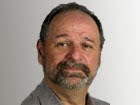
Over the past two decades, bassist and composer Clark Sommers seems to have become ubiquitous. He's worked or still works with Kurt Elling, Typical Sister, Chicago Yestet, guitarist Jeff Parker, pianist Darrell Grant, and saxophonist Chris Madsen (among many others). There are really good reasons for his continued employment; not only is he a truly "foundational" bassist but also very melodic. His composing "chops" are formidable as he has displayed on his two "solo" albums plus his work in the cooperative Ba(SH) Trio (with saxophonist Geof Bradfield and drummer Dana Hall) and with guitarist John McLean in their Quartet. Like most musicians, the pandemic took him off the road for an extended period of time which gave him the opportunity to work on his composing and arranging skills in the wake of his attending at Master's Program at DePaul University. While there, he attended a Workshop led by the afore-mentioned Dana Hall. That workshop included writing and arranging for a 12-piece band and Sommers created several pieces for that group.
In his time away from touring, Sommers composed numerous pieces for his own 12-member ensemble that would include many of the people the bassist has worked with since moving to Chicago from the West Coast. Scroll down and look at the list of musicians; they are among the "cream of the crop" of the Windy City and the Midwest. The results of Sommers' work can be heard on "Feast Ephemera" (Phrenology Music/self-released). Nine songs, 71 minutes of music and not a dull moment to be heard. Take your time to get into the program. You may notice how delightful the arrangements are or the smart original works that Sommers brought to the sessions. Perhaps it's the impressive solos that stand out for you or the fact that the leader does not take a solo. On pieces such as "The Rider" and "Pedals", the textures of the horns and reeds as they swirl around the rhythm section as well as the soloists that surprise on first listen. Also, notice how the section writing makes room for the solos.
Photo: Scott Hesse
Perhaps the most impressive aspect (to my ears) of this program is how the music does not really sound like any other modern large ensemble. The music swings a bit more than that of Maria Schneider and it is not as "spiky" and angular as the music of Darcy James Argue. Like those two composers (and others like Duke Ellington, Bob Brookmeyer, Miho Hazama, and Jim McNeely), Sommers writes for these friends and musicians, knowing their strengths, their willingness to explore their roles within the music, and to stretch. Listen to "Cave Dweller" below; you'll hear the various voices, including piano, clarinet, flute, and saxophone introduce the opening melody before moving into the theme. Notice the powerful drumming and direction setting of Hall, the powerful bass notes (in step with and counterpoint to the piano accompaniment), all in service of the music.
Dig in to "Feast Ephemera", bask in the brightness of melodies and solos, drink in the sweetness of each performance. As he showed listeners on 2022's "Intertwine" (Outside In Music) and 2017's "By A Thread" (Phrenology Music), Clark Sommers is an excellent composer, more interested in the arc of the musical stories he and the musicians are telling than in showing how technically fine a player he is. Sit down and listen, listen deeply!
The Jazz Composers Alliance was founded in Boston, MA, in 1985 to create a public forum for new jazz compositions. Over the course of its existence, the JCA has created a home for area-based composers such as Darrell Katz, David Harris, Ken Schaphorst, Laura Andel, and others as well as sponsoring artists-in-residence programs in the Greater Boston area. The organizations has brought artists such as Julius Hemphill, Sam Rivers, Michael Gibbs, Maria Schneider, and many more to work with composers and musicians. To play the music, there is the JCA Orchestra composed of many of the finest musicians/ educators in the area. Albums have been issued on Innova, Leo Records, CIMP, Cadence Jazz Records, and its own JCA Recordings.
The JCA Orchestra's latest is "Live at the BPC" (JCA Recordings) –– recorded on October 4, 2018 at the Berklee Performance Center, the program features six original works; two by David Harris and Mimi Rabson plus one each from Bob Pilkington and Darrell Katz. Ms. Rabson's exciting "Romanople" opens the proceedings and its an exciting blend of Turkish rhythms, semi-formal "Roman" marching band music, and the score for a war movie, not unlike Nino Rota's screen scores for Federico Fellini. Ms. Rabson also contributed the final track, the tongue-in-cheek "Super Eyes-Private Heroes". The music blends the bombastic approach of themes from James Bond movies with the soundtracks of television shows like "Mannix" (Lalo Schifrin), "The Rockford Files" (Mike Post), and "I Spy" (Earle Hagen). Solos from Ms. Howell-Brooks (bari sax), Ms. Davies (violin), and Harris (trombonist) enliven the already over-the-top proceedings.
Katz's "A Wallflower in the Amazon" (the composer is pictured left), the title track of his 2010 Accurate Record recording, is the longest (18:53) and most episodic of the pieces. Ms. Shrimpton sings the words of the late Paula Tatarunis, Katz's wife, her voice leaping and hopping through the story while saxophonists Stone, Ms. Haruvi, and Scarff intertwines lines around Sabattini's trumpet, the rocking drums and tumbling marimba lines. After a raucous climax, Ms. Shrimpton returns to the "story" while the brass, reeds, and electric guitar groan sans rhythm (although drummer Smith joins the building fray). After another climax, the piece moves gently to its close, the lyrics serving as an epilogue.
The other tracks include "The Sixth Snake", "The Latest", and "Yellow, Orange, Blue". "....Snake", composed by trombonist Pilkington (pictured left) is another long (15:49) episodic piece that moves from full ensemble playing to solos (with and without accompaniment), and closes with a powerful and swinging final section –– watch and listen below. "The Latest", composed by trombonist Harris, opens with a slinky melody line that drops into a delightful, Latin-influenced, rhythm. The composer writes that the piece is inspired by McCoy Tyner's "Fly Like the Wind" as well as traditional Thai music. Ms. Howell-Brooks creates a delightful bass clarinet solo and, after a break where the voice, strings, brass, and reeds move through the lengthy melody (reminiscent of the music of guitarist Pierre Dørge), guitarist Zocher steps forward producing a "hot" solo. "Yellow..." is the second of Harris's compositions; while the rhythm is reminiscent of his other song, the solos roar out of the mix with group improvisations, splendid percussion from Smith. Ms. Stoyanova (vibraphone), and Mansour, plus excellent section writing.
"Live at The BPC" was issued in early November of last year but I am just catching up to it now. The JCA Orchestra sounds great, the music is exciting, involving, emotionally rich, and my recommendation is to bask in the glory of this large ensemble.
In these days of pandemic, how one deals with the inevitable loss of a loved one is often painful for all sides. In many hospitals and hospices throughout the world, visitors (until recently) have not been allowed into the room: now, at most, only one person can come in at a time and only if you are healthy. In 2018, vibraphonist, composer, and educator Chris Dingman was able to create music for his father as the elder Dingman lay in his home hospice bed. The father had such a hard time sleeping when in the ICU and, subsequently, in an inpatient hospice center but was able to rally enough to go home for the final seven weeks of his life. His son turned to the one part of his life that would help, music, and began improvising phrases and forms to help calm his father's nerves, to regulate his breathing, to take his thoughts in a different direction. The vibraphonist recorded these evening sessions onto CDs that his father could play when the son was away. Other than the disks made for the father, Chris Dingman kept the music private for several years. When I spoke to him earlier this year, he was planning on making the music, now called "Peace", available to hospitals and hospices with an eye towards in-facilities performances. Since the pandemic struck the US, he has conducted on-line performances and video chats. The album is available as a download or a five-disk set through Bandcamp.com and a percentage of the sales will go to the Boris Lawrence Henson Foundation, an organization that provides mental health services for the African American community.
"Peace"lives up to its name. The gentle melodies, the deliberate pace of the music, the swirling sound of the vibes in your ears, has a calming effect. If you just listen, you will slow down. Don't multi-task, don't read, cook, clean, chat with friends, just sit and listen. You may fall asleep; don't worry, that's fine. If you get bored, it's because you're not paying attention. The song titles came from the elder Mr. Dingman with occasional help from his son. The titles have stories and emotions involved; perhaps, you'll give them names as well.
Whatever you do with this truly exquisite music, know that is a labor of love, a conversation with a loved one, once private but now shared with a world in need of peace. And, for a good cause!
For more information, go to www.chrisdingman.com. Click on the Bandcamp link above to go directly to the album page. You, too, can make a donation to the Boris Lawrence Henson Foundation by clicking on the link in the opening paragraph.

 Posts
Posts