Matthew Shipp is an artist who always has gone his own way. His frequent collaborations with artists such as saxophonist David S. Ware, bassist William Parker, saxophonist Ivo Perelman, and others plus his dozens of albums in various sized-ensembles for labels such as ESP-Disk, Thirsty Ear, Hat Hut, CJR, and others, offer adventurous listeners journeys to exotic places and powerful sounds. He's recorded 10 solo albums through his career; Shipp does not necessarily change the way he plays but one can really hear his active and exciting left hand, the lower registers often creating the storms and incessant rhythmic fire that excites the listener.
"The Piano Equation" is the pianist's debut album for Tao Forms, the brand-new company formed by Shipp's former drummer Whit Dickey (who he has known since 1992). The 11 pieces are exploratory in nature, that illustrate where the artist was on May 22, 2019, in a mental and physical space where melody, rhythm, harmony, abstractions, drones, and fiery solos exist, often within the same piece. The majority of the material come in under five minutes but the listener is never cheated. Pieces such as "Land of the Secrets" and "Tone Pocket" are piano explorations that contain rich melodic passages; the former has the feel of a song written for a movie while the latter vena in a similar fashion before Shipp builds the intensity. The blues permeates the opening minutes of "Vortex Factor"––there's a short section when the left hand captures the power of "Fats" Waller and another where you hear a tinge of Cecil Taylor.
One cannot picture Matthew Shipp being anyone but himself. He has long pushed against borders, labels, eschewed cliches and easy listening. Yet, as he has matured and continued to master his instrument, the pianist, composer, and conceptualists has truly become his own person. Don't bother putting a label on this music––"Vortex Equation" is Matthew Shipp in, arguably, one of the finest albums he has ever created.
For more information, go to www.akamu.net/shipp.htm.
Here's a track to whet your appetite:
Pianist John Di Martino has fashioned and long and exciting career as both a sideman and leader. Born in Philadelphia, PA, he studied with hometown legend Jimmy Amadie and with Lennie Tristano. He has recorded and toured with artists such as Ray Barretto, Freddie Cole, Houston Person, Nicki Parrott, Bobby Sanabria, and others while issuing numerous albums for the Japanese Venus label and several others.
For his latest album, "Passion Flower" (Gemini Music/ Sunnyside), he toured to the music of Billy Strayhorn while assembling a group that includes bassist Boris Kozlov, drummer Lewis Nash, and tenor saxophonist Eric Alexander plus one notable vocal contribution from Raul Midón.
It's no surprise that Di Martino chose Strayhorn's music as both the musician and the great composer (1915-1967) share a penchant for melody. Strayhorn, whose association with Duke Ellington and his Orchestra, is well-documented, was plucked out of Pittsburgh after Maestro Ellington heard his songs, many of which seemed as if they were made for his Orchestra without sounding truly "Duke-ish". Even though one made heard the majority of these songs many times played by many different artists, it's fun to spend an hour in the company of these musicians and songs. Midón does a splendid job on "Lush Life" and the trio (Alexander sits this one out) elegantly frames his voice so that one cannot help but hear the pathos in the lyrics.
There is a great amount of swing to be heard here. Right out of the gate, "Johnny Come Lately" dances its way into your ears. The quartet dances through "Isfahan (Elf)" which includes a most melodic turn by Kozlov. It's such a treat to listen to the rhythm section throughout the album but especially here in support of the soloists. Alexander lays into his spot, showing his blues chops and delight in dancing with the accompanists. His tenor attack on "U.M.M.G." catches the anxiety of the song's composer as he is being treated for cancer. Yet, the song has such an exciting forward motion even when Kozlov steps out over the active brush work of Nash and the distant saxophone. "Blood Count" follows, a dark emotional ballad––in fact, one of Strayhorn's last compositions which he finished in the hospital––that features Alexander and Di Martino only. The tenor solo is stunning, powerful, yet lyrical. Tunes that have recorded hundreds, if not thousands of times, such as "Chelsea Bridge" and "Take The A Train" still stand tall as the musicians imbue the music with such spirit and emotion. The former retains its impressionistic feel while the latter opens with a driving duo of saxophone and drums. When the rest of the band enters, the music goes racing down the tracks.
The final three tracks all reference flowers in their titles. "A Flower Is a Lovesome Thing", one of Strayhorn's earlier works, is a piece for solo piano; the emotional richness of Di Martino's performance is breathtaking. "Absinthe (Lament for An Orchid)" has such a mysterious feel with its subtle medium-tempo dance, almost a tango. The album closes with "Lotus Blossom", another solo performance by the leader. An older Strayhorn tune, another one that had several titles before the composer settled on its final name, was an Ellington favorite. Originally written for Johnny Hodges, the piece has a classical feel without hewing to one style. Here, it is a perfect choice to close the program as it reminds the listener once again what a melodic composer Billy Strayhorn and why his music never goes out of style.
One may pass on "Passion Flower" but do so at your own loss. John Di Martino and his cohorts create a program that may seem familiar yet is so passionate, emotionally rich, lively, and heartfelt that Billy Strayhorn's songs come to life. Listen and learn!
For more information, go to johndimartino.com. To purchase the album, go to sunnysiderecords.bandcamp.com/album/passion-flower-the-music-of-billy-strayhorn.
Here's the delightful opening track:
Showing posts with label Matthew Shipp. Show all posts
Friday, May 8, 2020
Monday, March 18, 2019
Piano Trio Adventures & Meditations
The Matthew Shipp Trio - Newman Taylor Baker (drums), Matt Shipp (piano, compositions), and Michael Bisio (bass) - has been a unit for the past five years and you can hear their familiarity with each other every time they hit the stage or create a recording. Because the leader takes chances, the bassist and drummer are encouraged to do so as well. In fact, the material Ship writes for the group calls for that. They do not make "wine bar music"; instead, this music asks the listener for total concentration.
"Signature" (ESP) is the third album by this particular version of the Trio. To my ears, it's the best. One reason is that it is the best-sounding recording that Shipp has ever made in my memory. Many of the earlier mixes were too "compressed" for my ears but here you can clearly hear each instrument. The piano is clear and ringing, the drums sharp and the cymbals crystalline, and the bass thick and deep. There is stunning lyricism in the opening solo piano passages of the title track and the majority of the piece like a piece by Herbie Nichols but with a more elastic rhythm. Listen to how the piano rumbles at the onset of "Flying Saucers" plus the brilliant, rapid-fire riffs from Bisio. Throughout the album, the playing of Newman Taylor Baker stands out, not just for his amazing rhythmic drive but for the sounds he chooses to play under the solos. Check out his active drumming and fascinating cymbal work on "The Way", how both the piano and bass move with him and without.
Thanks to the excellent recording and mix that I referred to above, every track is a gem. Even the three short solo pieces: Bisio's droning bow work is featured on the 49-second "Deep to Deep" while Newman Baker's two-minute solo is appropriately titled "Snap." Later in the program, "New Z" is another solo percussion piece, with hand-held sounds plus impressive cymbal work covering nearly four minutes. That leads into "This Matrix" which, at 16:25, is the longest cut on the disk. There's a lot to enjoy here, from the rippling piano phrases to the dancing bass lines to the helter-skelter drumming that pushes the piece forward. Shipp is in charge for the first nine minutes before he and Newman Baker drop out for a fine bass solo, one filled with melody and thoughtful use of silence before building to a rapid-fire closing. What follows is a short ballad for bass and piano, joined shortly by Newman Taylor Baker on brushes. There's quite a blues feel in the last several minutes of the program and the ending is delightfully subtle. There's a slow yet determined push towards the close - on first listen, it seemed the music just stopped but really, it feels as if the conversation stopped in mid-sentence.
"Signature" is splendid music, well-played, creative, powerful, gentle at times, and certainly modern music at its best. The Matthew Shipp Trio was quite impressive for the decade+ when Whit Dickey was in the drum chair but Newman Taylor Baker brings a different dimension that has energized both pianist Matthew Shipp and bassist Michael Bisio. I wrote that, to my ears this is the finest recording these three musicians have made as a unit; this certainly is one of the top three recordings Matthew Shipp has made.
For more information, go to www.espdisk.com/catalogue/5000list.html/5029.html.
Here's the title track:
Drummer and composer Jeff Cosgrove, a native of the Washington, D.C. area, is fond of playing in and recording with trios. His most recent albums include dates with Scott Robinson and Ken Filiano plus Frank Kimbrough and Martin Wind. Over the past several years, he has recorded a trio featuring bassist William Parker and pianist Matthew Shipp (the pianist has recorded a total of seven times with the drummer), self-releasing two albums both of which feature three improvisations that cover a lot of musical territory. The communication between the three musicians seem telepathic; each player not only does his "own thing" but also works towards a common goal - creating memorable interactions that listeners can return to time and again, hearing new connections each time.
The trio now has a third release. "Near Disaster" continues the group's improvisatory adventures. Over the course of three lengthy tracks, the longest, "October Nights Sky", at 35+ minutes, the shortest, "Last Steps, First", at 9, the band gets loose. The music they create is extremely powerful with cascading riffs from Shipp, melodic underpinning from Parker, and all propelled by Cosgrove's drums. he's quite active, reminding this listener of both levin Jones and, especially, Andrew Cyrille. It's obvious throughout that the drummer responds to his bandmates and vice versa.
The music asks the listener to "go with the flow" - the flow is there, rarely collapsing into a "free-for-all". Notice the intensity and melodicism that inhabit the quiet moments of "...Nights Sky" and how that remains when Cosgrove and Shipp begin to power forward. The opening of "Spherical" serves as an homage to Thelonious Monk (perhaps where the title comes from?) before the trio digs in and takes the music on quite a journey. Listen to how Parker creates such a danceable feel underneath as Cosgrove interacts with the piano. This is what appeals to me about improvisatory music, how the musicians create new ideas from what one person plays and then go off in unexpected directions.
Take your time to delve into "Near Disaster", don't ignore the noise because, throughout the album, the music coalesces into many fascinating turns-of-phrase and musician interactions. Most of us know what Matthew Shipp and Williams Parker have contributed to creative music over the past three decades. Jeff Cosgrove, who keeps quite a busy performance schedule in the D.C.-Maryland-Virginia area, is a force to be reckoned with, not only as a musician but also a catalyst for bringing artists together from different areas of creative music.
For more information, go to jeffcosgrovemusic.com.
Here's the opening track:
"Signature" (ESP) is the third album by this particular version of the Trio. To my ears, it's the best. One reason is that it is the best-sounding recording that Shipp has ever made in my memory. Many of the earlier mixes were too "compressed" for my ears but here you can clearly hear each instrument. The piano is clear and ringing, the drums sharp and the cymbals crystalline, and the bass thick and deep. There is stunning lyricism in the opening solo piano passages of the title track and the majority of the piece like a piece by Herbie Nichols but with a more elastic rhythm. Listen to how the piano rumbles at the onset of "Flying Saucers" plus the brilliant, rapid-fire riffs from Bisio. Throughout the album, the playing of Newman Taylor Baker stands out, not just for his amazing rhythmic drive but for the sounds he chooses to play under the solos. Check out his active drumming and fascinating cymbal work on "The Way", how both the piano and bass move with him and without.
![]() |
| Photo: Susan O'Connor |
"Signature" is splendid music, well-played, creative, powerful, gentle at times, and certainly modern music at its best. The Matthew Shipp Trio was quite impressive for the decade+ when Whit Dickey was in the drum chair but Newman Taylor Baker brings a different dimension that has energized both pianist Matthew Shipp and bassist Michael Bisio. I wrote that, to my ears this is the finest recording these three musicians have made as a unit; this certainly is one of the top three recordings Matthew Shipp has made.
For more information, go to www.espdisk.com/catalogue/5000list.html/5029.html.
Here's the title track:
Drummer and composer Jeff Cosgrove, a native of the Washington, D.C. area, is fond of playing in and recording with trios. His most recent albums include dates with Scott Robinson and Ken Filiano plus Frank Kimbrough and Martin Wind. Over the past several years, he has recorded a trio featuring bassist William Parker and pianist Matthew Shipp (the pianist has recorded a total of seven times with the drummer), self-releasing two albums both of which feature three improvisations that cover a lot of musical territory. The communication between the three musicians seem telepathic; each player not only does his "own thing" but also works towards a common goal - creating memorable interactions that listeners can return to time and again, hearing new connections each time.
The trio now has a third release. "Near Disaster" continues the group's improvisatory adventures. Over the course of three lengthy tracks, the longest, "October Nights Sky", at 35+ minutes, the shortest, "Last Steps, First", at 9, the band gets loose. The music they create is extremely powerful with cascading riffs from Shipp, melodic underpinning from Parker, and all propelled by Cosgrove's drums. he's quite active, reminding this listener of both levin Jones and, especially, Andrew Cyrille. It's obvious throughout that the drummer responds to his bandmates and vice versa.
The music asks the listener to "go with the flow" - the flow is there, rarely collapsing into a "free-for-all". Notice the intensity and melodicism that inhabit the quiet moments of "...Nights Sky" and how that remains when Cosgrove and Shipp begin to power forward. The opening of "Spherical" serves as an homage to Thelonious Monk (perhaps where the title comes from?) before the trio digs in and takes the music on quite a journey. Listen to how Parker creates such a danceable feel underneath as Cosgrove interacts with the piano. This is what appeals to me about improvisatory music, how the musicians create new ideas from what one person plays and then go off in unexpected directions.
![]() |
| Photo: Jimmy Katz |
For more information, go to jeffcosgrovemusic.com.
Here's the opening track:
Thursday, April 12, 2018
The Sounds Abound
Todd Marcus, a native of Northern New Jersey, is both a musician (clarinet, bass clarinet) and community activist. He has lived in Baltimore, MD, in 1997, settling in or near the Sandtown-Winchester/Upton sections, learning about Black music and begin to serve the community through the Intersection of Change non-profit organization that, over the years, has created progress that serve battered women, offers arts and business classes plus created a farm that not only grows food for the community but offers employment to people returning from incarceration.
As a musician, Marcus has worked with Baltimore native Gary Bartz, pianist Orrin Evans, Bennie Maupin, and many others. As a leader, he has issued three albums, one with a nonet, another with two quartets, and the very impressive 2015's "Blues for Tahrir" with his Jazz Orchestra. His latest disk, "On These Streets" (Stricker Street Records), is an expansive program (inspired by the progress that's been made in the communities after the shooting of Freddie Gray) that features interviews and commentary from the neighborhood where he works plus music played by a core group of George Colligan (piano), Kris Funn (bass), and Eric Kennedy (drums, vocal) plus guests Warren Wolf (vibraphone on 5 tracks, drums on one) and Paul Bollenbeck (electric guitar on four tracks). The program is composed of all Marcus originals save for the gospel song "I Surrender All" (a late 19th Century hymn composed by Judson W. Van DeVenter with music by Winfield S. Weeden). That last track spotlights the soulful vocal of drummer Kennedy while Wolf moves to drums. The majority of the music is up-tempo, celebrating the energy, the creativity, and the tension that infuses the streets where Marcus and his rhythm section live (Colligan was born in New Jersey but raised in Columbia, MD, while Bollenbeck's professional career received as boost when he moved to Washington, D.C.) The title track opens the album in a funky, mid-60s Herbie Hancock style - the leader, who plays bass clarinet throughout the album, takes the first solo ad the rhythm section takes its cue from him, pushing forward intently. Collegian is the perfect partner on this project as he can add such powerful chords as well as create hard-edged solos. Wolf joins on "An Intersection of Change" and his voice blends nicely with the clarinet and piano. He's also can be heard on the lovely ballad "It Still Gets Still" where he supports the piano and adds meditative colors to the background plus takes a very melodic solo. Bollenbeck shines on "PTSD In The Hood", his soaring solo rising over the power supplied by the rhythm section (Kennedy's drums really spur the guitarist dig in). Marcus's fiery solo over the rollicking drums and chords from the vibes, piano, and "wah-wah" guitar.
Perhaps the joy one hears throughout this album tells the listener that there is progress "On These Streets" of Baltimore. Though there is much work to do, Todd Marcus must have faith that what he and many other dedicated residents have contributed to bring a sense of security and renewed possibility to the hard-hit neighborhoods. Listen to the voices, listen to the music, and look for hope and possibility.
For more information, go to toddmarcusjazz.com.
Here's a track to whet your appetite:
Pianist and composer Matthew Shipp is a fascinating conceptualist, creating music that touches on so much of the history of Twentieth and Twenty-First Century creative music. On his new double-CD, "zerO" (ESP Disk), you can hear talk about his concepts, the weight that he gives as both a composer and musician to the concept of "zero", and much more. As you sit listening to the 11 piano solos that make up "zer0", the music transports the listener beyond the "everyday" to a sound universe that combines thick rhythm lies with dancing solos, robust chords, and melodies that often have a circular feel. Of the eight (approximately) solo piano recordings Shipp has produced over the past 20+ years, this is definitely one of the best-sounding productions.
I do not plan to discuss specific tracks on this album. Start at the first note and stay still after the final notes fall silent. Shipp's rumination takes in the sound of the blues in is many-faceted state of grace yet does not seem rooted to an specific style or sound. His sense of dynamic variation and melodic phrases, his forward motion, the mix of chords and single-note lines pique the listeners interest so it would make sense to go back and listen again. You'll pick out how the pianist shifts rhythms and makes complete statements out of fragmented phrases.
"zer0" is one more step forward for pianist Matthew Shipp. Yes, you can hear concepts that he has used throughout his career. His music does "speak truth to power" with the same urgency of fellow pianists Jason Moran and Vijay Iyer, not to afraid to "look back" constantly and infuse his music with the abundance of "voices" that preceded him: it's how he created his own "voice' and how he continues to grow as an artist and person.
For more inferno, go to www.matthewshipp.com.
Here's the opening track:
In her year of celebrating her 60th Birthday, Satoko Fujii is planning to release an album per month, with each disk featuring a different ensemble or a solo effort for the pianist-composer. "Ninety-Nine Years" (Libra Records) is the second album from her "Orchestra Berlin", a dectet (their debut featured 12 musicians) that blends three reeds (ten saxophonists Matthias Schubert and Gebhard Ullmann plus baritone saxophonist Paulina Owczarek), three trumpets (Richard Koch, Lina Allemano, and Natsuki Tamura), trombonist Matthias Muller, bassist Jan Roder, and two drummers (Michael Grenier and Peter Orins). If you're a fan of Ms. Fujii's large ensemble music, you already know she likes to create different groupings within each song and that sounds and textures rule the music.
After a rousing opening song, "Unexpected Incidents" (which, after a long percussion intro, breaks into a rollicking, raucous, tune), the title track goes in several directions in its 13-minutes. Opening with a slow yet powerful bass solo, the piece seems to open up and slow down at will with the baritone sax, basses, and percussion in the center of the music. There is a long saxophone solo (with only light percussion and high-pitched bowed bass underneath) that finally erupts into a powerful closing section, mournful but with a wailing tenor saxophone over the ensemble. Dedicated to Ms. Fujii's mother-in-law (who passed just months before her 100th birthday), the piece is a combination of mourning and celebration.
Highlights abound. "On the Way" combines various drums interludes with a funky brass dominated melody before a hilarious trumpet solo (chattering, squalling). The band returns, seemingly one-by-one, to a delirious, percussion-fueled (sounds very "second-line New Orleans) finish. "Oops"also has a bit of the "kitchen sink" approach, with ensemble melodies, a powerful sax solo that starts out unaccompanied and continues over a "slow drag" section, and hardy trumpet solo over just the bass and drums. That solo veers off into "free" territory before the dark ensemble melody returns. The album closes with "Follow The Idea", yet another piece that goes in numerous directions: the proceedings sound improvised with all sorts of "strutting" from the reeds and brass amid the various "conversations."
"Ninety-Nine Years" is striking (no pun intended) music, surprising at times but never dull or filled with cliches. Satoko Fujii continues to create fascinating music, music that asks much of the musicians, challenges audiences, and is highly rewarding.
For more information, go to www.satokofujii.com.
Monday, January 23, 2017
Storytellers in Song
Pianist and composer Noah Hadiu did not make his first recording as a leader until he reached his late 30s. That debut - "Slipstream" (Posi-Tone Records) - introduced listeners to a musician who is technically impressive yet also has quite a melodic side. He has also recorded three albums with Native Soul, a quartet featuring Peter Brainin (saxophones), Marcus McLaurine (bass), and Steve Johns (drums).
His new recording, "Infinite Distances" (Cellar Live), takes its inspiration from a quote by Rainier Maria Rilke and also from the late Kenny Kirkland's relationship with saxophonist Branford Marsalis. The Rilke quote - read it here - speaks of relationships and that one cannot really know the heart of another person. For Haidu, he views this music, and the six-part "Infinite Distances" suite, as "a musical reflection on relationships, loss, and self-realization."
This recording features two groups with the major difference being the rhythm section. The first sessions feature a quintet with Sharel Cassity (alto saxophone), Jon Irabagon (tenor and soprano saxophones), Peter Brendler (bass) and Mark Ferber (drums) while the other pairs Ms. Cassity and Mr. Irabagon with the rhythm section of Ariel Alejandro de La Portilla (bass) and John Davis (drums) as well as the occasional appearance of Jeremy Pelt (trumpet and flugelhorn).
The album opens with "The Subversive", a barn-burner of a piece with Brendler and Ferber laying down a torrid pace while the leader and Irabagon create blazing solos. The latter has really come into his own on soprano sax and this solo absolutely soars. The "Suite" is next; initially, one notices the strong melodic element throughout and how Haidu mixes the voices of Ms. Cassity's alto and the soprano sax, especially on the first two parts and the final section. The intelligent work of Brendler (one of the most melodic of contemporary bassists) and Ferber (splendid cymbal work) set off the piano solo and the raucous tenor solo. Parts 3 - 5 include the lovely ballad "Hanaya" (Pelt's flugelhorn really helps to fill out the melody and harmony parts), "This Great Darkness" (with Irabagon's tenor lines pushing through the fiery rhythms), and "Can We Talk", which moves slowly and has a pretty melody for Ms. Cassity's alto. The piano solo is opens up in a delicate fashion but soon picks up power. The final section, "Guardian of Solitude", is another powerful piece, with a rousing piano solo and a fascinating slowdown in the middle that leads into the alto solo. Listen to how the intensity ratchets up on the strength of the piano chords and driving rhythm section.
The last four tracks on the program include a new version of the title track of Haidu's "Momentum" (whose rapid pace lives up to its name), the slinky rhythms of "They Who??" (which contains excellent solos from Pelt and the leader), and the high-powered "Juicy" (with yet another excellent soprano sax solo). Irabagon's soprano leads the way once more in the final track, "Serenity", with its handsome melody and lengthy solos. Heard Irabagon live recently (with Rudy Royston's Orion Trio), I am impressed by his singular playing on the soprano; he shines throughout this recording. As does Haidu. His solos are emotionally strong as he poured his heart and soul into this project. These compositions have deep meaning, as the musicians navigate the "infinite distances" between individual and communal work, as they attempt to understand the music, their relationships to each other, and the importance of working together. Creative music is "about" many things but, for me, the best recordings and live dates are filled with intimate conversations, melodies that stay in your ears and mind, and interactions built upon trust, shared knowledge, and the freedom to explore. All that and more is evident on "Infinite Distances" - Noah Haidu has given listeners much to chew on and you will enjoy this adventure every time you dig into it.
For more information, go to www.noahhaidu.com.
Here's the title track:
With the release of "Piano Song" (Thirsty Ear), pianist and composer Matthew Shipp announces his sabbatical from recording (he has a few projects to finish) but not from performing. He has been incredibly prolific and consistent for nearly three decades, both as a leader and band member (his excellent work with the late David S. Ware and continuing relationship with saxophonist Ivo Perelman).
The new album features his Trio - bassist Michael Bisio and drummer Newman Taylor Baker - a comfortable yet challenging rhythm section that finds its way through Shipp's compositions by not playing it safe but with a sense of inquisitiveness. It would be easy to write that this is one of the pianist's most reflective collection with songs such as "Silence Of" and "Void of Sea" with plenty of breathing room as well as the several piano solos - the opening track, "Links", is short (1:48) yet reminds the listener how Shipp can create a song that sounds like poetry. If you listen closely to the Trio performances, you hear how the composer makes these pieces conversations and not solo after solo. Bassist Bisio, who possesses a big tone and a melodic heart, is not only supportive but also creates intelligent counterpoint. Listen to "Cosmopolitan", with its bass line suggestive of Miles Davis's "So What", and pay attention to the fact that rhythm section is an equal. There's a tinge of funk in Baker's drums at the opening of "Flying Carpet" yet the piece goes in an unexpected direction. The blend of powerful chords and forceful playing gives way to softer approaches before picking up steam again.
If you have listened to Shipp's music for decades, you know how important the rhythm section is to his music. Bisio and Baker have their way on "Scrambled Brain", opening with a playful flurry of notes and tapping high-hat, the bassist leading the way into a rapid-fire walking bass line while the drummer adds asides and percussive commentary. The leader sits this piece out, allowing the duo to have great fun. And they are equal partners on pieces such as "Gravity Point", a three-way conversation that bristles with energy and, at times, ferocious swing. Then, there is the hand-held percussion that is the constant focal point of "Blue Desert", even as Bisio adds high-pitched arco bass sounds and the leader plays the chordal melody, soon moving inside the piano. The impressionistic music has a trance-like feel yet is no simple canvas, the blending of sounds moving in and out of the spectrum.
The piano-drums duo "Mind Space" is an interactive joy while the quiet "Void of Sea" feels as if the trio was moving through outer space, each note or sound sustaining, floating in the sonic air, without rhythm but having a sense of direction. When you get to the title track, the final cut on the album, the music moves deliberately as if the musicians want this song to continue for a long time.
Don't look at or listen to "Piano Song" as a definitive "farewell speech" but as part of Matthew Shipp's impressive timeline. Go back to his earlier recordings, the duos with saxophonist Rob Brown or his work with guitarist/bassist Joe Morris, the David S. Ware Quartet albums as well as his creative work with Thirsty Ear's "Blue Series" - Mr. Shipp is continually searching, always maturing as a musician and composer. Don't begrudge him his time away; go and catch up on the amazing sounds he has given us to this point.
For more information, go to www.matthewshipp.com.
His new recording, "Infinite Distances" (Cellar Live), takes its inspiration from a quote by Rainier Maria Rilke and also from the late Kenny Kirkland's relationship with saxophonist Branford Marsalis. The Rilke quote - read it here - speaks of relationships and that one cannot really know the heart of another person. For Haidu, he views this music, and the six-part "Infinite Distances" suite, as "a musical reflection on relationships, loss, and self-realization."
This recording features two groups with the major difference being the rhythm section. The first sessions feature a quintet with Sharel Cassity (alto saxophone), Jon Irabagon (tenor and soprano saxophones), Peter Brendler (bass) and Mark Ferber (drums) while the other pairs Ms. Cassity and Mr. Irabagon with the rhythm section of Ariel Alejandro de La Portilla (bass) and John Davis (drums) as well as the occasional appearance of Jeremy Pelt (trumpet and flugelhorn).
The album opens with "The Subversive", a barn-burner of a piece with Brendler and Ferber laying down a torrid pace while the leader and Irabagon create blazing solos. The latter has really come into his own on soprano sax and this solo absolutely soars. The "Suite" is next; initially, one notices the strong melodic element throughout and how Haidu mixes the voices of Ms. Cassity's alto and the soprano sax, especially on the first two parts and the final section. The intelligent work of Brendler (one of the most melodic of contemporary bassists) and Ferber (splendid cymbal work) set off the piano solo and the raucous tenor solo. Parts 3 - 5 include the lovely ballad "Hanaya" (Pelt's flugelhorn really helps to fill out the melody and harmony parts), "This Great Darkness" (with Irabagon's tenor lines pushing through the fiery rhythms), and "Can We Talk", which moves slowly and has a pretty melody for Ms. Cassity's alto. The piano solo is opens up in a delicate fashion but soon picks up power. The final section, "Guardian of Solitude", is another powerful piece, with a rousing piano solo and a fascinating slowdown in the middle that leads into the alto solo. Listen to how the intensity ratchets up on the strength of the piano chords and driving rhythm section.
The last four tracks on the program include a new version of the title track of Haidu's "Momentum" (whose rapid pace lives up to its name), the slinky rhythms of "They Who??" (which contains excellent solos from Pelt and the leader), and the high-powered "Juicy" (with yet another excellent soprano sax solo). Irabagon's soprano leads the way once more in the final track, "Serenity", with its handsome melody and lengthy solos. Heard Irabagon live recently (with Rudy Royston's Orion Trio), I am impressed by his singular playing on the soprano; he shines throughout this recording. As does Haidu. His solos are emotionally strong as he poured his heart and soul into this project. These compositions have deep meaning, as the musicians navigate the "infinite distances" between individual and communal work, as they attempt to understand the music, their relationships to each other, and the importance of working together. Creative music is "about" many things but, for me, the best recordings and live dates are filled with intimate conversations, melodies that stay in your ears and mind, and interactions built upon trust, shared knowledge, and the freedom to explore. All that and more is evident on "Infinite Distances" - Noah Haidu has given listeners much to chew on and you will enjoy this adventure every time you dig into it.
For more information, go to www.noahhaidu.com.
Here's the title track:
With the release of "Piano Song" (Thirsty Ear), pianist and composer Matthew Shipp announces his sabbatical from recording (he has a few projects to finish) but not from performing. He has been incredibly prolific and consistent for nearly three decades, both as a leader and band member (his excellent work with the late David S. Ware and continuing relationship with saxophonist Ivo Perelman).
The new album features his Trio - bassist Michael Bisio and drummer Newman Taylor Baker - a comfortable yet challenging rhythm section that finds its way through Shipp's compositions by not playing it safe but with a sense of inquisitiveness. It would be easy to write that this is one of the pianist's most reflective collection with songs such as "Silence Of" and "Void of Sea" with plenty of breathing room as well as the several piano solos - the opening track, "Links", is short (1:48) yet reminds the listener how Shipp can create a song that sounds like poetry. If you listen closely to the Trio performances, you hear how the composer makes these pieces conversations and not solo after solo. Bassist Bisio, who possesses a big tone and a melodic heart, is not only supportive but also creates intelligent counterpoint. Listen to "Cosmopolitan", with its bass line suggestive of Miles Davis's "So What", and pay attention to the fact that rhythm section is an equal. There's a tinge of funk in Baker's drums at the opening of "Flying Carpet" yet the piece goes in an unexpected direction. The blend of powerful chords and forceful playing gives way to softer approaches before picking up steam again.
If you have listened to Shipp's music for decades, you know how important the rhythm section is to his music. Bisio and Baker have their way on "Scrambled Brain", opening with a playful flurry of notes and tapping high-hat, the bassist leading the way into a rapid-fire walking bass line while the drummer adds asides and percussive commentary. The leader sits this piece out, allowing the duo to have great fun. And they are equal partners on pieces such as "Gravity Point", a three-way conversation that bristles with energy and, at times, ferocious swing. Then, there is the hand-held percussion that is the constant focal point of "Blue Desert", even as Bisio adds high-pitched arco bass sounds and the leader plays the chordal melody, soon moving inside the piano. The impressionistic music has a trance-like feel yet is no simple canvas, the blending of sounds moving in and out of the spectrum.
![]() |
| eyeshotjazz.com |
Don't look at or listen to "Piano Song" as a definitive "farewell speech" but as part of Matthew Shipp's impressive timeline. Go back to his earlier recordings, the duos with saxophonist Rob Brown or his work with guitarist/bassist Joe Morris, the David S. Ware Quartet albums as well as his creative work with Thirsty Ear's "Blue Series" - Mr. Shipp is continually searching, always maturing as a musician and composer. Don't begrudge him his time away; go and catch up on the amazing sounds he has given us to this point.
For more information, go to www.matthewshipp.com.
Monday, November 23, 2015
Post-Thanksgiving But Not Leftovers
Oklahoma-native Sharel Cassity brings a dynamic band to The Side Door Jazz Club in Old Lyme the day after Thanksgiving (11/27). The young alto saxophonist, who was mentored by such legends as Jimmy Heath and James Moody, has recorded 3 CDs as a leader plus has worked alongside Nicholas Payton Christian McBride, Anat Cohen, and Natalie Cole among many.
Joining her on the well-lit stage in Old Lyme will be Freddie Hendrix (trumpet, flugelhorn), Luis Perdomo (piano), Alex Claffy (bass) and the exciting E.J. Strickland (drums). If there is any lethargy after the big Holiday meals, this quintet will get you up and grooving.
To find out more about Ms. Cassity, go to www.sharelcassity.com.
There will be no diminution in the sound or the quality of the music the following night (11/28) as The Side Door welcomes drummer-composer Reggie Quinerly and an impressive Quartet. The Houston, Texas, native first came to critical notice with his debut CD, 2012's "Music Inspired by Freedmantown", an ode to the section of his hometown established by emancipated African Americans after the Civil War (my review is here).
Turns out he was quite well known in the jazz community, having worked with Joe Lovano, Wynton and Branford Marsalis, Greg Osby and others.
What a fine ensemble he's assembled for this gig, one that includes pianist Orrin Evans, bassist Ben Wolfe, and trumpeter Antoine Drye. Quinerly's compositions are not just made for "blowing" - he tells stories with his songs, ones that reach into the history of jazz as well as looks forward. This should be yet another "4 Star" night on Old Lyme.
For more information about the artist, go to www.reggiequinerly.com. To make a reservation and get more information, go to thesidedoorjazz.com or call 860-434-0886.
********************************************
For the first time in a long while, there's been a change in the lineup of the Matthew Shipp Trio. Long-time drummer Whit Dickey has moved on, replaced by the veteran Newman Taylor Baker, who powered ensembles led by Henry Threadgill, Leroy Jenkins and Billy Harper.
Bassist Michael Bisio, he of the full tones and long, winding, phrases, remains in the rhythm section for "The Conduct of Jazz" (Thirsty Ear), the latest addition to Shipp's ever-growing discography. Critics are forever trying to posit the pianist and composer into a particular sub-genre of jazz but this new music again demonstrates his ability to play just about anything. "Instinctive Touch" opens with the 3 musicians trying to find their footing around the circular piano lies but the listen as the phrases spread out, as the bassist creates an active counterpoint and the drummer chatters beneath. The title track swings mercilessly, not unlike a Herbie Nichols Trio piece; again, the melody expands as the piece bops forward. Notice the hearty swing rhythm that Baker creates yet he has no issues following Shipp as he plays with the time. There's a hint of McCoy Tyner in the throbbing chords at the onset of "Blue Abyss" yet the pianist goes in several unexpected directions through the song, the repetitive phrases roiling above the rock solid drums. As the song progresses, Shipp gets deeper into the blues but never deserts the throbbing chords.
The final 2 tracks bring the album to a rousing finish. "Stream of Light", a solo piano piece (the only one on the program), is a work to get lost in. Shipp never settles into a rhythm but creates quite a world with his two hands. There are sporadic flashes of melody and counterpoint in his left hand, leaving the right to move freely in and out of melody and time. Go back and listen several times - the "stream" in the title refers to the changing flow in the music. What follows is the longest track (12:37), titled "The Bridge Across" - the episodic nature of the music allows one to hear how the musicians interact, how Baker both drives and "colors" the music, how the lines Shipp and Bisio play flow in and out of each other, and especially how the music is always moving forward (sometimes at breakneck speed).
"The Conduct of Jazz" makes for an intense 50 minute of music. But, as the music of Matthew Shipp has evolved, the intensity now contains numerous sections of grace and reflections. He's not slowing down as much as continuing to explore the multitude of avenues creative music can take.
To find out more, go to www.matthewshipp.com.
Go behind the scenes with this video clip:
Joining her on the well-lit stage in Old Lyme will be Freddie Hendrix (trumpet, flugelhorn), Luis Perdomo (piano), Alex Claffy (bass) and the exciting E.J. Strickland (drums). If there is any lethargy after the big Holiday meals, this quintet will get you up and grooving.
To find out more about Ms. Cassity, go to www.sharelcassity.com.
![]() |
| Houston Chronicle |
Turns out he was quite well known in the jazz community, having worked with Joe Lovano, Wynton and Branford Marsalis, Greg Osby and others.
What a fine ensemble he's assembled for this gig, one that includes pianist Orrin Evans, bassist Ben Wolfe, and trumpeter Antoine Drye. Quinerly's compositions are not just made for "blowing" - he tells stories with his songs, ones that reach into the history of jazz as well as looks forward. This should be yet another "4 Star" night on Old Lyme.
For more information about the artist, go to www.reggiequinerly.com. To make a reservation and get more information, go to thesidedoorjazz.com or call 860-434-0886.
********************************************
For the first time in a long while, there's been a change in the lineup of the Matthew Shipp Trio. Long-time drummer Whit Dickey has moved on, replaced by the veteran Newman Taylor Baker, who powered ensembles led by Henry Threadgill, Leroy Jenkins and Billy Harper.
Bassist Michael Bisio, he of the full tones and long, winding, phrases, remains in the rhythm section for "The Conduct of Jazz" (Thirsty Ear), the latest addition to Shipp's ever-growing discography. Critics are forever trying to posit the pianist and composer into a particular sub-genre of jazz but this new music again demonstrates his ability to play just about anything. "Instinctive Touch" opens with the 3 musicians trying to find their footing around the circular piano lies but the listen as the phrases spread out, as the bassist creates an active counterpoint and the drummer chatters beneath. The title track swings mercilessly, not unlike a Herbie Nichols Trio piece; again, the melody expands as the piece bops forward. Notice the hearty swing rhythm that Baker creates yet he has no issues following Shipp as he plays with the time. There's a hint of McCoy Tyner in the throbbing chords at the onset of "Blue Abyss" yet the pianist goes in several unexpected directions through the song, the repetitive phrases roiling above the rock solid drums. As the song progresses, Shipp gets deeper into the blues but never deserts the throbbing chords.
The final 2 tracks bring the album to a rousing finish. "Stream of Light", a solo piano piece (the only one on the program), is a work to get lost in. Shipp never settles into a rhythm but creates quite a world with his two hands. There are sporadic flashes of melody and counterpoint in his left hand, leaving the right to move freely in and out of melody and time. Go back and listen several times - the "stream" in the title refers to the changing flow in the music. What follows is the longest track (12:37), titled "The Bridge Across" - the episodic nature of the music allows one to hear how the musicians interact, how Baker both drives and "colors" the music, how the lines Shipp and Bisio play flow in and out of each other, and especially how the music is always moving forward (sometimes at breakneck speed).
"The Conduct of Jazz" makes for an intense 50 minute of music. But, as the music of Matthew Shipp has evolved, the intensity now contains numerous sections of grace and reflections. He's not slowing down as much as continuing to explore the multitude of avenues creative music can take.
To find out more, go to www.matthewshipp.com.
Go behind the scenes with this video clip:
Labels:
CD pick,
Live Music,
Matthew Shipp,
piano trio,
The Side Door Jazz Club
Tuesday, September 9, 2014
State of Shipp + Ulery's Gold
Pianist Matthew Shipp strikes me as a man/musician who rarely looks back; it's not that he has no respect for the past (including his own) but that he's continually moving forward, looking for new pathways and new ways to express himself.
And, is he ever prolific! "I've Been To Many Places" (Thirsty Ear) is the 3rd CD he's released as a leader in 2014 plus he's released a new duo CD with saxophonist Darius Jones as well as appearing on recordings with The Core Trio and the splendid new CD by drummer Jeff Cosgrove (reviewed here).
On March 31 of this year, Matthew Shipp sat down at the piano of Park West Studios in Brooklyn, NY with the concept of recording music he had played in group settings (duos, trios, quartets) updated as solo material. He's often accused of playing music that is packed with dense chords and hypnotic rhythms (as if that was such as bad trait). What stands out on the initial listens is just how melodic this program. The title track has the feel of an Appalachian folk tune interpreted by Elliot Carter while George Gershwin's "Summertime" is tender yet without any blues or gospel influences but with a carnival-like middle section. Later in the program is a lovely and generous reading of John Coltrane's "Naima" replete with fine rippling phrases and deep chords. You may be surprised by the gentle reading of "Where Is The Love? (reprise)" - here, you hear gospel chords serving, perhaps, as a tribute to the late Donny Hathaway. Boogie-woogie and stride piano make an appearance on "Blue Astral Bodies", the pianist digging deep and ending on a series of up notes. Shipp does not avoid the "darker"tones - "Cosmic Waves" features forceful chords, sustained low notes and, at times, the sonic equivalent of a lion stalking in his cage. On the other side of the spectrum, "Reflex" is an emotionally rich and rewarding piece of music that draws one in with its flowing melody lines that end in slower reflective phrases.
Critics have long stopped comparing Matthew Shipp to Cecil Taylor and deservedly so. Some of the music on "I've Been to Many Places" reminds this listener of the music Myra Melford has created as a solo pianist. That's not to imply that Mr. Shipp sounds like Ms. Melford but that he has a similar approach. No matter the material, whether original or an older standard or jazz classic, Matthew Shipp sounds like himself. For more information, go to matthewshipp.com.
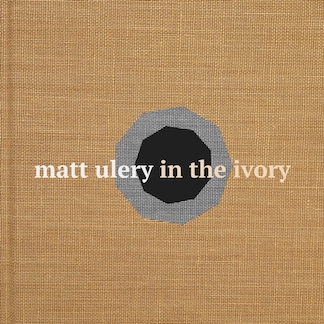
Bassist/composer Matt Ulery makes music that blends Americana, 20th Century Classical, classic Hollywood soundtrack, jazz, pop, Steve Reich, Philip Glass, progressive rock, what-have-you, into what can only be filed under "Matt Ulery Music."
"In The Ivory" is his 6th CD as a leader and 3rd for Greenleaf Music and, in ways, a continuation of his debut for the label, "In Little Light." The recording clocks in at just under 80 minutes but wisely is split into 2 separate CDs, 7 tracks on each. The musicians playing and singing these songs include 4 long-time associates, drummer Jon Deitemyer, pianist Rob Clearfield, violinist Zach Brock and vocalist Grazyna Auguscik plus members of the chamber ensemble eighth blackbird including Dominic Johnson (viola), Nicholas Photinos (cello), Timothy Munro (alto flute), Michael Maccaferri (clarinets), Lisa Kaplan (piano), and Yvonne Lam (violin). Gregory Beyer, an important member of the recording ensemble, adds marimba, vibraphone, berimbau and maracas to the mix. Other vocalists include Sarah Marie Young, Erik Hall, and Corbett Lunsford.
While bassist Ulery can be a very assertive member of the rhythm section in his smaller ensembles, for this music his most impressive contribution, besides the compositions, are the arrangements. The album opens with "Gave Proof", a swirl of strings, piano, flute, clarinet, vibraphone and it's not until 3 minutes into the piece that the rhythm section enters only to depart before the closing seconds for the "swirl" to reappear. Ms. Auguscik voice rises above the strings on "There's A Reason And A Thousand Ways", a piece that so wonderfully combines elements of classical music and folk music, going through several sections and tempo changes, including a vocal duet with the bassist in the middle. Sarah Marie Young, a Chicago-based singer/songwriter, makes her only appearance on "The Farm", her softer lilt and bigger range blending well with the cute and strings - the improv section that follows gives Clearfeld, Deitemyer and Ulery an opportunity to stretch out, even as the strings rise above the piano solo.
Intriguing musical juxtapositions abound on this recording. Whether it's the plucky (own intended) opening of "Innocent" that leads to a slower introspective melody or the appropriately named string feature "Longing" or the playful string arrangement behind Ulery's forceful solo on "Sweet Bitter", this music offers the eager listener the opportunity to really pay attention.
I suppose some people could treat "In The Ivory" as background music but one gets so much more satisfaction when immersed in the performances. Then, you can hear the blend of marimba, strings and piano on a particularly bright section of "Seeker" and how "Resilin" develops from the opening circular melody played by piano and marimba. This is music to revel in, to bathe your mind and soul, to meditate on and to return to, an oasis in an ever-maddening world. Don't waste time comparing this to "In a Little Light", his other "large ensemble" recording. Enjoy them both. Matt Ulery continues to mature as a composer, arranger and musician - he's a major talent and a singular voice. For more information, go to mattulery.com.
Here's a taste of this fine music:
And, is he ever prolific! "I've Been To Many Places" (Thirsty Ear) is the 3rd CD he's released as a leader in 2014 plus he's released a new duo CD with saxophonist Darius Jones as well as appearing on recordings with The Core Trio and the splendid new CD by drummer Jeff Cosgrove (reviewed here).
On March 31 of this year, Matthew Shipp sat down at the piano of Park West Studios in Brooklyn, NY with the concept of recording music he had played in group settings (duos, trios, quartets) updated as solo material. He's often accused of playing music that is packed with dense chords and hypnotic rhythms (as if that was such as bad trait). What stands out on the initial listens is just how melodic this program. The title track has the feel of an Appalachian folk tune interpreted by Elliot Carter while George Gershwin's "Summertime" is tender yet without any blues or gospel influences but with a carnival-like middle section. Later in the program is a lovely and generous reading of John Coltrane's "Naima" replete with fine rippling phrases and deep chords. You may be surprised by the gentle reading of "Where Is The Love? (reprise)" - here, you hear gospel chords serving, perhaps, as a tribute to the late Donny Hathaway. Boogie-woogie and stride piano make an appearance on "Blue Astral Bodies", the pianist digging deep and ending on a series of up notes. Shipp does not avoid the "darker"tones - "Cosmic Waves" features forceful chords, sustained low notes and, at times, the sonic equivalent of a lion stalking in his cage. On the other side of the spectrum, "Reflex" is an emotionally rich and rewarding piece of music that draws one in with its flowing melody lines that end in slower reflective phrases.
Critics have long stopped comparing Matthew Shipp to Cecil Taylor and deservedly so. Some of the music on "I've Been to Many Places" reminds this listener of the music Myra Melford has created as a solo pianist. That's not to imply that Mr. Shipp sounds like Ms. Melford but that he has a similar approach. No matter the material, whether original or an older standard or jazz classic, Matthew Shipp sounds like himself. For more information, go to matthewshipp.com.
Bassist/composer Matt Ulery makes music that blends Americana, 20th Century Classical, classic Hollywood soundtrack, jazz, pop, Steve Reich, Philip Glass, progressive rock, what-have-you, into what can only be filed under "Matt Ulery Music."
"In The Ivory" is his 6th CD as a leader and 3rd for Greenleaf Music and, in ways, a continuation of his debut for the label, "In Little Light." The recording clocks in at just under 80 minutes but wisely is split into 2 separate CDs, 7 tracks on each. The musicians playing and singing these songs include 4 long-time associates, drummer Jon Deitemyer, pianist Rob Clearfield, violinist Zach Brock and vocalist Grazyna Auguscik plus members of the chamber ensemble eighth blackbird including Dominic Johnson (viola), Nicholas Photinos (cello), Timothy Munro (alto flute), Michael Maccaferri (clarinets), Lisa Kaplan (piano), and Yvonne Lam (violin). Gregory Beyer, an important member of the recording ensemble, adds marimba, vibraphone, berimbau and maracas to the mix. Other vocalists include Sarah Marie Young, Erik Hall, and Corbett Lunsford.
While bassist Ulery can be a very assertive member of the rhythm section in his smaller ensembles, for this music his most impressive contribution, besides the compositions, are the arrangements. The album opens with "Gave Proof", a swirl of strings, piano, flute, clarinet, vibraphone and it's not until 3 minutes into the piece that the rhythm section enters only to depart before the closing seconds for the "swirl" to reappear. Ms. Auguscik voice rises above the strings on "There's A Reason And A Thousand Ways", a piece that so wonderfully combines elements of classical music and folk music, going through several sections and tempo changes, including a vocal duet with the bassist in the middle. Sarah Marie Young, a Chicago-based singer/songwriter, makes her only appearance on "The Farm", her softer lilt and bigger range blending well with the cute and strings - the improv section that follows gives Clearfeld, Deitemyer and Ulery an opportunity to stretch out, even as the strings rise above the piano solo.
Intriguing musical juxtapositions abound on this recording. Whether it's the plucky (own intended) opening of "Innocent" that leads to a slower introspective melody or the appropriately named string feature "Longing" or the playful string arrangement behind Ulery's forceful solo on "Sweet Bitter", this music offers the eager listener the opportunity to really pay attention.
I suppose some people could treat "In The Ivory" as background music but one gets so much more satisfaction when immersed in the performances. Then, you can hear the blend of marimba, strings and piano on a particularly bright section of "Seeker" and how "Resilin" develops from the opening circular melody played by piano and marimba. This is music to revel in, to bathe your mind and soul, to meditate on and to return to, an oasis in an ever-maddening world. Don't waste time comparing this to "In a Little Light", his other "large ensemble" recording. Enjoy them both. Matt Ulery continues to mature as a composer, arranger and musician - he's a major talent and a singular voice. For more information, go to mattulery.com.
Here's a taste of this fine music:
Thursday, July 17, 2014
How "Alternating Current" Came To Be
Matthew Shipp is one of the finest modern pianists in creative music (and a gleeful rabble-rouser) while William Parker has established himself as a voice/force for new music and new approaches to creative music. Throw into that mix drummer Jeff Cosgrove, who lives and works in the Mid-Atlantic region, and who has studied with Matt Wilson and Andrew Cyrille (among others), a musician who seems to have no fear of jumping into unknown situations, and the music comes alive.
I finally got around to listening to Jeff's June 2012 interview with Jason Crane on"The Jazz Session" as I was reviewing the CD (the link to the interview is here and to my review here). At that time, the drummer explained how he formed the ensemble to record his debut CD "Motian Sickness: the Music of Paul Motian" and it made me curious how this meeting with Mr. Shipp and Mr. Parker came about. His response is below:
"I've wanted to play with Matthew and William for years. They became instant musical heroes when discovering their music in college. I would tell my wife, then girlfriend, every time I listened to their records that I wanted to find a way to play with both of them. It really seemed like a stretch then because my playing was not near the level it's on now and I still feel like I've got so much to learn to be on the level of those two great masters. It was also interesting because I was not well regarded in the music program of the college I went to...I ended up with a psychology degree, if that tells you anything.
Fast forward to 2009, I had won a West Virginia Arts study grant to continue my studying with Andrew Cyrille and Matt Wilson. I had mentioned to Andrew how much I was into both Matthew and William's music, hoping he would talk about his associations with them. We mentioned the gigs he had done with William in various ensembles and it was really inspirational. Matt and Andrew have never played together, even though they've been friends for years. I tried to casually mention how I wanted to play with them...but, it wasn't as eloquent as I had hoped. Andrew simply said, “it will happen when the time is right.”
In the spring of 2013, I saw Andrew in NY and mentioned to him again how I wanted to do a recording with Matt and William and without hesitation, he sent me their info. Just the fact that Andrew had the confidence in me put me on cloud nine.
I reached out to Matthew first who was in Europe at the time. He wanted to check out my "Motian Sickness" recording that featured Mat Maneri, a frequent collaborator of Matthew's. To my surprise he dug the record and felt that Maneri and I played really well together – performances that I’m really proud of. We talked on the phone one evening after he had listened to my record and we just talked about records, inspirations, and playing solo concerts. It was really great to get his perspective given his experiences and just get his down to earth vibe. After that call, Matt was in. He said he would take care of getting William on board as they have been close for many years. Now I was freaked out! I was going to be doing a recording with Matthew Shipp and William Parker in front of an audience…it was a lot to take in.
I connected with William in New York when he was playing with Tony Malaby and Nasheet Waits at Greenwich House with my friends Jimmy Katz and drummer Deric Dickens. William was really looking forward to the date and couldn’t have been nicer. We talked a little about his upcoming schedule and some general pleasantries but nothing about the recording other than the date.
I finally got around to listening to Jeff's June 2012 interview with Jason Crane on"The Jazz Session" as I was reviewing the CD (the link to the interview is here and to my review here). At that time, the drummer explained how he formed the ensemble to record his debut CD "Motian Sickness: the Music of Paul Motian" and it made me curious how this meeting with Mr. Shipp and Mr. Parker came about. His response is below:
"I've wanted to play with Matthew and William for years. They became instant musical heroes when discovering their music in college. I would tell my wife, then girlfriend, every time I listened to their records that I wanted to find a way to play with both of them. It really seemed like a stretch then because my playing was not near the level it's on now and I still feel like I've got so much to learn to be on the level of those two great masters. It was also interesting because I was not well regarded in the music program of the college I went to...I ended up with a psychology degree, if that tells you anything.
Fast forward to 2009, I had won a West Virginia Arts study grant to continue my studying with Andrew Cyrille and Matt Wilson. I had mentioned to Andrew how much I was into both Matthew and William's music, hoping he would talk about his associations with them. We mentioned the gigs he had done with William in various ensembles and it was really inspirational. Matt and Andrew have never played together, even though they've been friends for years. I tried to casually mention how I wanted to play with them...but, it wasn't as eloquent as I had hoped. Andrew simply said, “it will happen when the time is right.”
In the spring of 2013, I saw Andrew in NY and mentioned to him again how I wanted to do a recording with Matt and William and without hesitation, he sent me their info. Just the fact that Andrew had the confidence in me put me on cloud nine.I reached out to Matthew first who was in Europe at the time. He wanted to check out my "Motian Sickness" recording that featured Mat Maneri, a frequent collaborator of Matthew's. To my surprise he dug the record and felt that Maneri and I played really well together – performances that I’m really proud of. We talked on the phone one evening after he had listened to my record and we just talked about records, inspirations, and playing solo concerts. It was really great to get his perspective given his experiences and just get his down to earth vibe. After that call, Matt was in. He said he would take care of getting William on board as they have been close for many years. Now I was freaked out! I was going to be doing a recording with Matthew Shipp and William Parker in front of an audience…it was a lot to take in.
| Photo by F Schindelbeck |
The night of the concert finally arrived and my wife and I were in New York. Klavierhaus has some of the beautiful pianos, as well as, an incredible recital hall but no drums. Deric Dickens had arranged for me to borrow a set of drums from Steve Maxwell’s Vintage Drums but the only trick was that we had to get them from their Times Square studio to the Klavierhaus near Lincoln Center at rush hour. I was more than a little stressed about the performance and if we would be able to even get to the gig in enough time to set up based on the traffic but somehow everything aligned perfectly and we got to the venue in no time.
When we walked into Klavierhaus, Jimmy was already setting everything up around the piano and I began to get the drums up. Then, suddenly, Matthew runs in out of breath because he had literally run several blocks because he went to the wrong address. We had a good laugh about it as he caught his breath and you could just see his excitement to play the Fazioli piano. While Matthew can sound amazing on any piano, to hear him on an instrument that really is up to the level of his ability is truly inspiring. When you couple that with the connection he has with one of the greatest bass players living, it put me in a place of pure joy. I knew anything could happen and that was what I wanted. This would be a night that I had prepared for but never thought would arrive. Two masters and musical heroes playing with me. To make it better, if possible, they are two of the kindest and most thoughtful people.
We didn’t talk about what we would play at all. The only thing we discussed was that "Victoria", the Paul Motian composition, would be the last piece of the evening. We just started to feel the music from the first notes. It was an on the spot decision to dedicate the last piece of our first set to Andrew. He is just such a special player that the three of us have known, that it only seemed right. "Alternating Current" just seemed like a fitting title for the piece because AC are Andrew’s initials, as well as, he has always been at the forefront of evolutions of jazz. Bridges of Tomorrow was really where we hit our stride. It was the opening of our second set and I just felt that opening pattern with the mallets and it was like Matt and William were reading my mind. They just played with exactly what the music needed and every time that I thought the music had peaked, they could push it further.
Playing with Matt and William was like being hit by a musical freight train and I mean that in the best possible way. By the end of the first piece that we played, I had sweat through my shirt. It was strong but sensitive, as well as, free but it never seemed out of control. My wife commented that she had never seen or heard me play like that. Matthew and William brought out a side of my playing that I didn’t know was there. That was what it was like playing with these masters. They unlocked things in a service to the music that changed my playing forever. It was one of the greatest musical experiences of my life. I had so much adrenaline running through my body, whew, I could have run back to the hotel.
Hopefully, we will be doing more playing together soon!"
For more information and links to purchase Jeff's CDs, go to jeffcosgrovemusic.com.
Playing with Matt and William was like being hit by a musical freight train and I mean that in the best possible way. By the end of the first piece that we played, I had sweat through my shirt. It was strong but sensitive, as well as, free but it never seemed out of control. My wife commented that she had never seen or heard me play like that. Matthew and William brought out a side of my playing that I didn’t know was there. That was what it was like playing with these masters. They unlocked things in a service to the music that changed my playing forever. It was one of the greatest musical experiences of my life. I had so much adrenaline running through my body, whew, I could have run back to the hotel.
Hopefully, we will be doing more playing together soon!"
For more information and links to purchase Jeff's CDs, go to jeffcosgrovemusic.com.
Labels:
creative music,
Jeff Cosgrove,
Matthew Shipp,
William Parker
Friday, June 6, 2014
4 By 3s (Part 2)
You need not know science to listen to 1032K (the temperature at which matter ceases to exist) only an open mind. The trio - Ku-Umba Frank Lacy (trombone, flumpet, voice, percussion), Kevin Ray (acoustic bass) and Andrew Drury (drums, percussion) - comes at the listener with the powerful message of improvisation built from works by Albert Ayler, drummer Steve McCall, Henry Threadgill, Joe Ford, and Charles Mingus.
The group began its journey when Ray approached Lacy with the idea of starting an ensemble that would play all kinds of creative music. Lacy had not led an ensemble since 1994 (the year he recoded his last album as a leader) but he's certainly been busy playing with the likes of the Fort Apache Band, the Mingus Big Band, Lester Bowie, Julius Hemphill and a score of others. After many months of rehearsing with different combinations, they added Drury and decided to concentrate on the music that so moved Lacy as he was maturing as a musician.
The trio's self-titled debut CD, recorded live in Buffalo and Rochester, New York, and issued on Oliver Lake's Passing Thru label, opens with a fiery reading of Ayler's "Ghosts" (the one track recorded in Buffalo) - the musicians weave their sounds together with each one moving in and out of the spotlight, slowly building to the flag-waver of a melody. Drury's parade-inspired drums and Ray's thick bass lines propel the piece forward as Lacy plays and then dissects the familiar theme. Every one delivers a strong solo, with the trombonist playing open and muted. "Give It Some Thought", composed by Ford with whom Lacy played with in the Fort Apache Band, features excellent bass work as well as the trombonist moving to the flumpet (yes, a hybrid of the flugelhorn and trumpet). Lacy's attacks the fine melody, delivering a powerful solo. Ray's bass has a thicker sound on the Rochester recordings, allowing the listener to hear his intelligent counterpoint and splendid solo. Drury, who I had seen play a number of times when he was student at Wesleyan University, studied with Ed Blackwell and it shows in his playful solo.
The remaining 3 tracks all have their pleasures. The Mingus tune (the back cover lists "Ecclusiastics" as 2 cuts - an "Intro" and the song) opens with just trombone before the rhythm section kicks and Lacy delivers a sermon, complete with words from Eccleasiastes. Then, the right Reverend Lacy leads the band through its paces and they all get down and solo. The final 2 tracks come from trio Air with the McCall tune, "BK", showing how this trio can swing. Lacy returns to flumpet, Ray channels Air bassist Fred Hopkins' dynamic playing and Drury plays with abandon. His solo, filled with strange noises, is clever and captivating. Threadgill's "Midnight Sun" is one of his strongest melodies and Lacy does not mess around, getting right to the core of the piece with his assertive style. The bassist also has melody uppermost in his mind throughout the piece and Drury's support is essential (and his solo is inventive and fun).
1032K does not include compromise in its lexicon nor should the trio. Raised in the lessons of Muhal Richard Abrams, Anthony Braxton, and Max Roach, "That Which Is Planted" is mature music, exploratory in nature and downright fun to listen to. For more information, go to 1032k.com.
"Alternating Current" is the work of Jeff Cosgrove (drums), Matthew Shipp (piano) and William Parker (bass), recorded by Jimmy Katz and released by the drummer. Cosgrove, who also organized the trio and the sessions, was a student of drum master Andrew Cyrille and writes that the title track is "inspired by and dedicated to...Cyrille."
2 of the 3 pieces in the program are, in Cosgrove's words, "open spontaneous compositions" with the only "composed" work, Paul Motian's "Victoria" (not a surprise seeing that the drummer leads a group known as Motian Sickness, a quartet that plays music by the late drummer.) The CD opens with the longest track, "Bridges of Tomorrow" (38:51), a tour de force that covers much musical territory. Shipp is such a "free" soloist, never getting bogged down in cliches. He sets the direction from the outset while the rhythm section pushes, supports, flows with him for most of the performance (only stopping for Parker's short bass solo). The title track slips in on quiet drumming and keening bowed bass before Shipp creates a lovely melody. The melody expands as Parker, still arco, plays counterpoint. As the piece moves forward, the theme created by the pianist begins to fracture a bit but never loses its way. Cosgrove's drums whisper beneath the conversation of the piano and bass; he never pushes the tempo, instead opts to "color" the music with his active brushes. The Motian composition dates back to his second ECM Lp (from 1974), "Tribute", where its plaintive melody was played by alto saxophonist Carlos Ward with acoustic guitarist Sam Brown providing a flamenco-style backing. Here, Shipp caresses the melody lines, allowing the handsome harmonies and the emotional clarity to shine through.
"Alternating Current" may surprise those expecting Matthew Shipp's feisty piano ideas or William Parker's passionate drive to dominate this music. Instead, this recording swells and flows on the intuitive interaction of the 3 participants. Jeff Cosgrove neither takes a back seat to nor overpowers his musical companions and, in the end, the results will make one return to this disk many times. For more information, go to www.jeffcosgrovemusic.com.
Here's the title track:
The group began its journey when Ray approached Lacy with the idea of starting an ensemble that would play all kinds of creative music. Lacy had not led an ensemble since 1994 (the year he recoded his last album as a leader) but he's certainly been busy playing with the likes of the Fort Apache Band, the Mingus Big Band, Lester Bowie, Julius Hemphill and a score of others. After many months of rehearsing with different combinations, they added Drury and decided to concentrate on the music that so moved Lacy as he was maturing as a musician.
The trio's self-titled debut CD, recorded live in Buffalo and Rochester, New York, and issued on Oliver Lake's Passing Thru label, opens with a fiery reading of Ayler's "Ghosts" (the one track recorded in Buffalo) - the musicians weave their sounds together with each one moving in and out of the spotlight, slowly building to the flag-waver of a melody. Drury's parade-inspired drums and Ray's thick bass lines propel the piece forward as Lacy plays and then dissects the familiar theme. Every one delivers a strong solo, with the trombonist playing open and muted. "Give It Some Thought", composed by Ford with whom Lacy played with in the Fort Apache Band, features excellent bass work as well as the trombonist moving to the flumpet (yes, a hybrid of the flugelhorn and trumpet). Lacy's attacks the fine melody, delivering a powerful solo. Ray's bass has a thicker sound on the Rochester recordings, allowing the listener to hear his intelligent counterpoint and splendid solo. Drury, who I had seen play a number of times when he was student at Wesleyan University, studied with Ed Blackwell and it shows in his playful solo.
The remaining 3 tracks all have their pleasures. The Mingus tune (the back cover lists "Ecclusiastics" as 2 cuts - an "Intro" and the song) opens with just trombone before the rhythm section kicks and Lacy delivers a sermon, complete with words from Eccleasiastes. Then, the right Reverend Lacy leads the band through its paces and they all get down and solo. The final 2 tracks come from trio Air with the McCall tune, "BK", showing how this trio can swing. Lacy returns to flumpet, Ray channels Air bassist Fred Hopkins' dynamic playing and Drury plays with abandon. His solo, filled with strange noises, is clever and captivating. Threadgill's "Midnight Sun" is one of his strongest melodies and Lacy does not mess around, getting right to the core of the piece with his assertive style. The bassist also has melody uppermost in his mind throughout the piece and Drury's support is essential (and his solo is inventive and fun).
1032K does not include compromise in its lexicon nor should the trio. Raised in the lessons of Muhal Richard Abrams, Anthony Braxton, and Max Roach, "That Which Is Planted" is mature music, exploratory in nature and downright fun to listen to. For more information, go to 1032k.com.
"Alternating Current" is the work of Jeff Cosgrove (drums), Matthew Shipp (piano) and William Parker (bass), recorded by Jimmy Katz and released by the drummer. Cosgrove, who also organized the trio and the sessions, was a student of drum master Andrew Cyrille and writes that the title track is "inspired by and dedicated to...Cyrille."
2 of the 3 pieces in the program are, in Cosgrove's words, "open spontaneous compositions" with the only "composed" work, Paul Motian's "Victoria" (not a surprise seeing that the drummer leads a group known as Motian Sickness, a quartet that plays music by the late drummer.) The CD opens with the longest track, "Bridges of Tomorrow" (38:51), a tour de force that covers much musical territory. Shipp is such a "free" soloist, never getting bogged down in cliches. He sets the direction from the outset while the rhythm section pushes, supports, flows with him for most of the performance (only stopping for Parker's short bass solo). The title track slips in on quiet drumming and keening bowed bass before Shipp creates a lovely melody. The melody expands as Parker, still arco, plays counterpoint. As the piece moves forward, the theme created by the pianist begins to fracture a bit but never loses its way. Cosgrove's drums whisper beneath the conversation of the piano and bass; he never pushes the tempo, instead opts to "color" the music with his active brushes. The Motian composition dates back to his second ECM Lp (from 1974), "Tribute", where its plaintive melody was played by alto saxophonist Carlos Ward with acoustic guitarist Sam Brown providing a flamenco-style backing. Here, Shipp caresses the melody lines, allowing the handsome harmonies and the emotional clarity to shine through.
"Alternating Current" may surprise those expecting Matthew Shipp's feisty piano ideas or William Parker's passionate drive to dominate this music. Instead, this recording swells and flows on the intuitive interaction of the 3 participants. Jeff Cosgrove neither takes a back seat to nor overpowers his musical companions and, in the end, the results will make one return to this disk many times. For more information, go to www.jeffcosgrovemusic.com.
Here's the title track:
Sunday, October 27, 2013
Rosetta Trio in the Elm City + New CDs from Matt Shipp and The Dickens Campaign
Well, here's looking at you, Messrs Dan Fox, Liberty Ellman and Stephan Crump (from right to left). Collectively, they are known as Rosetta Trio and they'll be performing this Friday (November 1) at Firehouse 12, 45 Crown Street in New Haven.
Formed in 2005 by bassist Crump (Vijay Iyer Trio, Jen Chapin's Group) to perform music composed in the aftermath of September 11, 2001, the ensemble sonically blends the sound of Fox's electric guitar with Ellman's acoustic guitar and the leader's acoustic bass.
While the music is often low in volume, there is an intensity to the performances and a forward motion that does not flag (even though there is not a drummer.) Crump can be a very rhythmic player and both guitarists take turns supplying the "beat." What there is an abundance of on the group's 3 CDs (the latest, "Thwirl"was issued earlier this month on Sunnyside Records) are well-constructed melodies, fine interplay and smart solos. As the group has continued to work together (they also recorded with Crump's wife Jen Chapin), the line between composition and improvisation has become blurred and, to be honest, that should not make any difference in your enjoyment of this music.
Rosetta Trio plays 2 sets - 8:30 and 10 p.m. - and you can make reservations by going to firehouse12.com. To learn more about the ensemble, go to stephancrump.com/projects/rosetta-trio/.
Over a career that now spans 3 decades, Matthew Shipp has played in numerous ensembles (most notably, the David. S. Ware Quartet and in various formations with Roscoe Mitchell and Rob Brown) while releasing over 40 recordings as a leader or co-leader. He continues to mature as a composer and pianist, to make musical decisions that surprise both the long-time listener and newcomer.
"Piano Sutras" (Thirsty Ear) comes almost 4 years after his previous solo effort for the label "4 D". With the exception of a short version of Wayne Shorter's "Nefertiti" (2:18) and an even shorter reading of John Coltrane's "Giant Steps" (1:11), Matthew Shipp composed the material. The title track opens quietly but with a strong melody line moving the piece forward. Some long-time Shipp listeners may be surprised by the bluesy turn of "Cosmic Shuffle" but the left hand, on several occasions, creates quite a "swing" rhythm. The pianist has always created music that has intense chordal work - you can hear that on this recording as well - but here, he often goes on a melodic tear that pulls the listener along. Shipp also employs silence or short, dramatic, pauses to great effect on pieces such as "Space Bubble" and "Cosmic Dust", the latter piece containing phrases that one feels as if he has heard on a Bud Powell piece but, no...these original songs are just that - original. There's the sonic image of tolling bells that rise out of the forceful chords that one hears all through "Indivisible", the final track of the CD.
Sit down and listen to "Piano Sutras" from beginning to end. All but 2 of the tracks are under 5 minutes yet the music does not sound rushed, forced or unfinished. Instead, the music flows in its various streams, much like a river after a big rain, the movement on top changing course constantly while the undercurrents remain strong. I have spoken to a number of musicians who say that there are songs always running through their head; Matthew Shipp brings his interior soundtrack to the surface in such original and persuasive ways. For more information, go to www.matthewshipp.com.
Drummer/composer Deric Dickens hails from South Georgia and now lives in Brooklyn, New York. His self-released 2011 debut, "Speed Date", was a series of 20 duets, 6 of which were created with the instruction to keep the musical interactions under 1:14. For his new CD, "Oh Lovely Appearance" (also self-released), there are no restrictions on the length of the tracks (3 of the 10 are over 5 minutes) and there are now 3 musicians playing the music. The drummer calls the trio The Dickens Campaign, with Kirk Knuffke (cornet) returning from the debut CD and guitarist Jesse Lewis (Jon Irabagon, Ike Sturm, Michael Webster) filling out the ensemble.
In his notes, Dickens call the album "an homage to musical archivist Alan Lomax. 4 of the pieces come from the Lomax collection and there is a strong Americana feel that permeates the tracks. There's the hard-edged blues of Henry Truvillion's "Roustabout Holler", a piece from the 1930s that Dickens rearranges to give its a Black Keys-type feel (Knuffke rises above the fray with a fiery solo.) The title track is an old prayer ("Oh Lovely Appearance of Death") that Dickens re-imagines as a country blues (with just a hint of a Celtic influence in the guitar accompaniment.) The modified skiffle beat of "As I Went Out for a Ramble" (credited to Hazel Hudson) has the feel of a Johnny Cash song from the late 1950s, only with Lewis on acoustic guitar. William Walker's "Hallelujah" dates from the mid-1800s and is a gospel favorite, especially among shape-note singers. Dickens keeps a steady beat while Knuffke and Lewis share the melody.
Elsewhere, there's the soulful "My Baby Likes to Sing" that sounds a lot like Ray Charles' "Unchain My Heart"; the track features a strong cornet solo and great rhythm work from Lewis. The slow blues of "I Should Have Known" features a blazing, blues-drenched, guitar solo and a sly turn on the cornet. "Twice My Heavy" would not sound out of place on a Buddy Guy recording, a simple melody over a steady rhythm. More squalling guitar work that sounds great pouring out of the speakers. Dickens ode to one of his inspirations, the late Paul Motian, bears the drummer's name and also has a wide-open sound like many of the pieces he recorded over the last 15 years of his life. With Paul Motian, music was not about technique but feel and real emotions. Dickens captures that on his song. "Poem" has a similar feel, with the cornet gliding above the sparse guitar lines and the leader's fine brush work.
"Oh Heavenly Appearance" is joyous without being giddy (most of the time), respectful without being too brash, and quite delightful all the way through. It makes great sense that Deric Dickens created a group name - The Dickens Campaign - because this music is a true group effort. Play it loud, play it often and pray that he takes this show "on the road." For more information, go to www.dericdickens.com.
Formed in 2005 by bassist Crump (Vijay Iyer Trio, Jen Chapin's Group) to perform music composed in the aftermath of September 11, 2001, the ensemble sonically blends the sound of Fox's electric guitar with Ellman's acoustic guitar and the leader's acoustic bass.
While the music is often low in volume, there is an intensity to the performances and a forward motion that does not flag (even though there is not a drummer.) Crump can be a very rhythmic player and both guitarists take turns supplying the "beat." What there is an abundance of on the group's 3 CDs (the latest, "Thwirl"was issued earlier this month on Sunnyside Records) are well-constructed melodies, fine interplay and smart solos. As the group has continued to work together (they also recorded with Crump's wife Jen Chapin), the line between composition and improvisation has become blurred and, to be honest, that should not make any difference in your enjoyment of this music.
Rosetta Trio plays 2 sets - 8:30 and 10 p.m. - and you can make reservations by going to firehouse12.com. To learn more about the ensemble, go to stephancrump.com/projects/rosetta-trio/.
Over a career that now spans 3 decades, Matthew Shipp has played in numerous ensembles (most notably, the David. S. Ware Quartet and in various formations with Roscoe Mitchell and Rob Brown) while releasing over 40 recordings as a leader or co-leader. He continues to mature as a composer and pianist, to make musical decisions that surprise both the long-time listener and newcomer.
"Piano Sutras" (Thirsty Ear) comes almost 4 years after his previous solo effort for the label "4 D". With the exception of a short version of Wayne Shorter's "Nefertiti" (2:18) and an even shorter reading of John Coltrane's "Giant Steps" (1:11), Matthew Shipp composed the material. The title track opens quietly but with a strong melody line moving the piece forward. Some long-time Shipp listeners may be surprised by the bluesy turn of "Cosmic Shuffle" but the left hand, on several occasions, creates quite a "swing" rhythm. The pianist has always created music that has intense chordal work - you can hear that on this recording as well - but here, he often goes on a melodic tear that pulls the listener along. Shipp also employs silence or short, dramatic, pauses to great effect on pieces such as "Space Bubble" and "Cosmic Dust", the latter piece containing phrases that one feels as if he has heard on a Bud Powell piece but, no...these original songs are just that - original. There's the sonic image of tolling bells that rise out of the forceful chords that one hears all through "Indivisible", the final track of the CD.
Sit down and listen to "Piano Sutras" from beginning to end. All but 2 of the tracks are under 5 minutes yet the music does not sound rushed, forced or unfinished. Instead, the music flows in its various streams, much like a river after a big rain, the movement on top changing course constantly while the undercurrents remain strong. I have spoken to a number of musicians who say that there are songs always running through their head; Matthew Shipp brings his interior soundtrack to the surface in such original and persuasive ways. For more information, go to www.matthewshipp.com.
Drummer/composer Deric Dickens hails from South Georgia and now lives in Brooklyn, New York. His self-released 2011 debut, "Speed Date", was a series of 20 duets, 6 of which were created with the instruction to keep the musical interactions under 1:14. For his new CD, "Oh Lovely Appearance" (also self-released), there are no restrictions on the length of the tracks (3 of the 10 are over 5 minutes) and there are now 3 musicians playing the music. The drummer calls the trio The Dickens Campaign, with Kirk Knuffke (cornet) returning from the debut CD and guitarist Jesse Lewis (Jon Irabagon, Ike Sturm, Michael Webster) filling out the ensemble.
In his notes, Dickens call the album "an homage to musical archivist Alan Lomax. 4 of the pieces come from the Lomax collection and there is a strong Americana feel that permeates the tracks. There's the hard-edged blues of Henry Truvillion's "Roustabout Holler", a piece from the 1930s that Dickens rearranges to give its a Black Keys-type feel (Knuffke rises above the fray with a fiery solo.) The title track is an old prayer ("Oh Lovely Appearance of Death") that Dickens re-imagines as a country blues (with just a hint of a Celtic influence in the guitar accompaniment.) The modified skiffle beat of "As I Went Out for a Ramble" (credited to Hazel Hudson) has the feel of a Johnny Cash song from the late 1950s, only with Lewis on acoustic guitar. William Walker's "Hallelujah" dates from the mid-1800s and is a gospel favorite, especially among shape-note singers. Dickens keeps a steady beat while Knuffke and Lewis share the melody.
Elsewhere, there's the soulful "My Baby Likes to Sing" that sounds a lot like Ray Charles' "Unchain My Heart"; the track features a strong cornet solo and great rhythm work from Lewis. The slow blues of "I Should Have Known" features a blazing, blues-drenched, guitar solo and a sly turn on the cornet. "Twice My Heavy" would not sound out of place on a Buddy Guy recording, a simple melody over a steady rhythm. More squalling guitar work that sounds great pouring out of the speakers. Dickens ode to one of his inspirations, the late Paul Motian, bears the drummer's name and also has a wide-open sound like many of the pieces he recorded over the last 15 years of his life. With Paul Motian, music was not about technique but feel and real emotions. Dickens captures that on his song. "Poem" has a similar feel, with the cornet gliding above the sparse guitar lines and the leader's fine brush work.
"Oh Heavenly Appearance" is joyous without being giddy (most of the time), respectful without being too brash, and quite delightful all the way through. It makes great sense that Deric Dickens created a group name - The Dickens Campaign - because this music is a true group effort. Play it loud, play it often and pray that he takes this show "on the road." For more information, go to www.dericdickens.com.
Labels:
CD reviews,
Deric Dickens,
Firehouse 12,
Matthew Shipp
Subscribe to:
Posts (Atom)