Canadian-born poet, essayist, and novelist Margaret Atwood (born Ottawa, Ontario, Canada) 1939) is currently enjoying renewed popularity these days thanks to HULU's production of "The Handmaid's Tale" and NETFLIX's production of "Alias Grace." Her depictions of dystopian societies hits home in this time of Boko Haram and ISIS. Before her novels became popular, she wrote numerous volumes of poetry and that's where composer and saxophonist Andrew Rathbun (a native of Toronto, Ontario, Canada) has concentrated his attention. He has taken several poems written 40+ years and created a pair of suites that are part of an ambitious project that takes Ms. Atwood's poetry and his music on a fantastic voyage.
"Atwood Suites", featuring the 16-member Andrew Rathbun Large Ensemble and released by Origin Records, is a fascinating two-CD sonic adventure. Joining the ensemble for the first CD is vocalist Luciana Souza and soloist Tim Hagans (flugelhorn): one can hear the influence of Kenny Wheeler especially on "Power Politics I-III" , a piece the late trumpeter/flugelhornist performed with Rathbun after their 2002 Fresh Sound New Talent collaboration "Sculptures." One can hear tinges of Wheeler in Hagan's impressive solos and his the horns and brass interact with him plus the fine rhythm section - Nate Radley (guitar), Jeremy Siskind (piano, Fender Rhodes), Dave Ambrosio (bass), and Bill Stewart (drums) - that pushes the music forward. The sectional work throughout is impressive (a full list of the personnel is below). While Hagans is the principal soloist on disk one, there is also sterling performances from saxophonists Quinsin Nachoff (tenor), Dan Pratt (tenor), John O'Gallagher (alto) plus trombonist Mike Fahie and guitarist Radley.
The "Suites" succeed on many levels but pay special attention to the tremendous vocal work of Ms. Souza (pictured left). Oftentimes, this combination of large ensemble, poetry, and vocals can sound pretentious or stodgy but, the singer inhabits the poetic fragments that tell of the interaction of men and women, of love and being subsumed in relationships There are also moments when Ms. Souza sings wordless lines alongside one of the sections. Her voice glides, the words flow, sometimes, there is fire, other times, subtle interactions with the musicians. After a lovely reed introduction, "Two Islands" opens with just voice and piano: the melody is lovely (Siskind is a fine accompanist) perfectly suited for Rathbun's long and supple melody line. Hagan's burnished tone and lyrical solos stand out in fine contrast to the vocal, the sectional work, and Stewart's powerful push.
Photo: Dominic Gladstone
Disk two opens with "Fractured", a perfect title for the jagged melody that introduces the piece. Aubrey Johnson wordless vocals support the melody, serve as counterpoint on the Fender Rhodes solo, and float effortlessly along with the sectional work. Owen Howard takes over for this track and the first one of there suite below and his solid, swinging, style gives the tracks an excellent boost. The final three tracks are also part of suite Rathbun composed in 2012 (they were first performed that year). Presented out of order, - "V", "I", and "II" features sumptuous melodies, two separate compositions that open with "chorales" ("V" with just reeds, "II" with reeds and brass), and all three take time to introduce thematic material before heading into solos. This is music that, at times, seems to float (the influence of Kenny Wheeler's "airy" sound permeates "I") and the use of the different sections (notably the range of the various reeds, including flutes) of the band alongside the voice is creative and satisfying.
"Atwood Suites" is serious music yet such a joy to sit and listen. Andrew Rathbun has taken his time to create a program that takes several of his older pieces and the use of a larger ensemble gives him more possibilities. With the help of his co-producer George Schuller, he's made music that will stick to your mind even as it takes you out of the everyday.
REEDS: John O'Gallagher - Soprano, Alto Saxophones Ben Kono - Alto Saxophone, Flute, Clarinet Quinsin Nachoff - Tenor Saxophone, Clarinet Dan Pratt - Tenor Saxophone, Flute, Clarinet Carl Maraghi - Baritone Saxophone, Bass Clarinet
TRUMPETS: Seneca Black - Trumpet Matt Holman - Trumpet, Flugelhorn Dave Smith - Trumpet, Flugelhorn Russ Johnson - Trumpet, Flugelhorn Tim Hagans - Flugelhorn (1-6, soloist)
TROMBONES: Alan Ferber - Trombone Mike Fahie - Trombone JC Sanford - Trombone Chris Olness - Bass Trombone
RHYTHM/VOICE Luciana Souza - Voice (Disc 1) Aubrey Johnson - Voice (Disc 2) Nate Radley - Guitar Jeremy Siskind - Piano, Rhodes David Ambrosio - Bass Bill Stewart - Drums Owen Howard - Drums (1,2 Disc 2) Here's a look at how the album came together:
Pianist, composer, and arranger Edward Simon came to the United States from his native Venezuela to study music at the Philadelphia Performing Arts School when he was 12 years old! After his graduation (at the age of 15), he went on the University of the Arts (also in Philadelphia, PA) to study classical music before heading to the Manhattan School of Music to study with jazz pianist Harold Danko. By the age of 21, he was already working with musicians such as saxophonist Bobby Watson before going on to spend eight years in the Terence Blanchard Group. Simon has also created several groups, most notably Afinidad with co-leader alto saxophonist David Binney. In 2010, he took over the piano chair in the SF Jazz Ensemble (from founding member Renee Rosnes) and in 2012 became a member of Ninety Miles, a cooperative featuring vibraphonist Stefon Harris, trumpeter Nicolas Payton, and saxophonist David Sanchez.
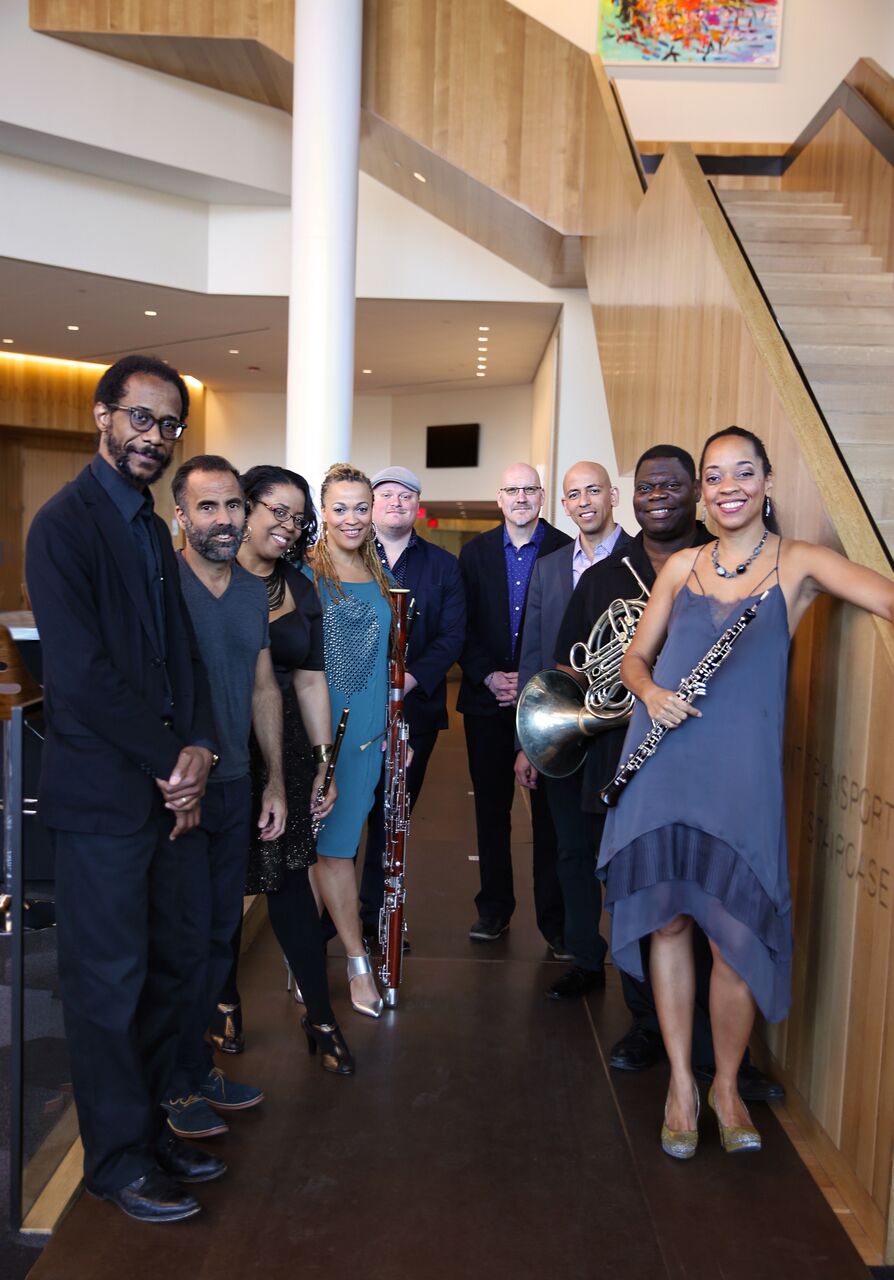
"Sorrows & Triumphs" (Sunnyside) is his 13th release as a leader. The program consists of two suites, one that bears the album's title and another titled "House of Numbers" - there is also one track, "Incessant Desires", that was written for the SFJazz Collective. Musicians include Afinidad (Binney, bassist Scott Colley, and drummer Brian Blade) plus guests Gretchen Parlato (vocals, lyrics), guitarist Adam Rogers, plus percussionists Rogerio Boccato (two tracks) and Luis Quintero (three tracks). In an inspired move, instead of typical reed and brass sections, Simon invited the Imani Winds chamber ensemble and wrote a number of smashing arrangements. Imani Winds, whose music covers a wide swath of musical territory (from includes Valerie Coleman (flute), Toyin Spellman-Diaz (oboe), Monica Ellis (bassoon), Mark Dover (clarinet), and Jeff Scott (French horn).
There is quite a flow to this music, one that seems to run through every tune. Even ballads such as "Chant", the music flows gently from Ms. Parlato's whispery vocals to Binney's alto sax to Imani Winds. The restraint that Blade and Colley show as the music moves forward, not forcing the movement but allowing the piece to open up slowly. It's such a joy to hear the rhythm section take pieces such as "Equanimity" and the album opener "Incessant Desires" and guide the musicians forward (dig the bassoon echoing the bass lines on parts of the second track). Also, note how Simon supports the alto sax solo before the voice and the winds return. On the former track, Rogers moves out of the ensemble to create a splendid solo, melodic and quite rhythmic - Blade shines as he reacts to the solo and pushes him forward. "Triangle" is a funky piece not just because of the great percussion work of Blade and Boccato but also because the horn arrangement and Simon's dancing piano have such a delightful joie de vivre. "Venezuela Unida" opens with a short wind intro before the bass, drums, and congas/shakers drop into a sensuous rhythm. The melody dances along atop the bubbling bottom (reminiscent of Weather Report circa 1976). Compare this version with Simon's arrangement for the new SFJazz Collective "Live: SFJazz Center" (released 4/13/2018) - the arrangement is quite similar but Blade and Quintero push the piece a bit differently than Obed Calvaire and Warren Wolf do: both versions are delightful.
The album closes with the enchanting "Triumphs" with Ms. Parlato delivering a lovely vocal after Colley's opening bass solo. The hypnotic rhythms, the breathy saxophone, the quick, circular, figures played by the piano, all combine to draw the listener in. If you listen closely, you hear Rogers's clicking guitar in unison with piano. Also, there's exciting synth work from the leader. Ms. Parlato contributes the lyrics to the final cut, "Rebirth" - her quiet voice opens the song with just keyboard and bass accompaniment. She enunciates every word before the bassist delivers a heartfelt solo over piano and brushes. When Simon steps out for his solo, Imani Winds enter with its individual voices adding emotional depth to the proceedings.
"Sorrow & Triumphs" really is quite triumphant. It is music that frees the spirit, music that is, at times, dreamlike and at other times, rooted to the rhythms Edward Simon heard growing up in Venezuela. The impressive melodies, the intelligent arrangements, and the delightful musicianship are all good reasons why you should dig into this sublime recording.
The plan was for 36 of my favorite CDs including reissues or "historical" releases. The final count for this year is 44! And I missed a few. In the next few weeks, I'll be "catching up" with releases that came out over the past few months and I did not have the time to write about (and there are a number that deserve your attention). As I look at other lists created by friends and other reviewers, critics and musicians, one has to reiterate that 2017 was a major step forward for music. Personal became political became reality and begat artists who felt the need to step up, who could not believe what they were seeing and hearing. Even with several special elections that turned Senate or House seats from red to blue, one cannot see 2018 being any calmer. If anything, life could get "hotter" as politicos and journalists, pundits and prognosticators, feel no compulsion to compromise - "my way or the highway" has certainly replaced "let's work together" as the national mantra.
Into the fray this year came pianist, composer, and educator Vijay Iyer. He put together an amazing Sextet - Steve Lehman (alto saxophone), Mark Shim (tenor saxophone), Graham Haynes (cornet, flugelhorn, electronics), Stephan Crump (bass) and the indefatigable Tyshawn Sorey (drums) - and gave them music to really dig into. There are moments where the fire coming from the rhythm section may overwhelm your speakers but that note how the horns continue to ride those waves. Note the subtle work of Graham Haynes, the occasional forays into Fender Rhodes (few pieces this year funkier than "Nope"), and how the leader pushes, persuades, and often lets loose with torrents of notes that match the intensity of Crump and Sorey. It's not all "sturm and drang" but this album, titled "Far From Over" (ECM Records) grabs ahold of the mind, shakes it, and reminds us to stay involved.
Speaking of grabbing ahold of a tiger. alto saxophonist Rudresh Mahanthappa self-released his new Indo-Pak Coalition album "Agrima", selling to only as a digital-download from his website. With long-time companions Rez Abbasi (guitar, pedals) and Dan Weiss (tabla, drum kit), the album explores numerous musical motifs that show the influence of nations that give the band its name as well as nodding towards the Mahavishnu Orchestra. The interactions, the stop-on-a-dime and go in a new direction, the amazing work of Weiss, and the sounds that emanate from the guitar and saxophone (the first time Mahanthappa has recorded with synths), all that as well as the wonderfully drawn compositions makes "Agrima" a joy to hear. Try and sit still!
Drummer Weiss is also part of the quartet saxophonist and composer David Binney gathered to record "The Time Verses" (CrissCross Records). Binney has used Weiss, bassist Eivind Opsvik, and pianist Jacob Sacks as his working group in New York City's 55 Bar for a number of years. The narrative of the album is a "day in the life" of a working musician but you do need to know that to really dig into this music. Always a powerful soloist, Binney has quite the ear for melody. There's a poetic feel to pieces such as "Walk", "Seen" (with lovely vocal from guest Jen Shyu), and the episodic "Where Worlds Collide." Spend time with these "verses" and your spirit will be refreshed.
September of this year was quite a month for pianist, composer, and now author Fred Hersch. Jazz at Lincoln Center invited him to perform his "Leaves of Grass" suite, his memoir "Good Things Happen Slowly: A Life In and Out of Jazz" was published to very positive reviews, and his new solo piano album "Open Road" (Palmetto) was released. What made this album stand out in the Hersch repertoire is not just the excellentinterpretations of material by Antonio Carlos Jobim, Benny Golson, Billy Joel (!), and Thelonious Monk (no surprise there) but the three fascinating original pieces. One piece, "Through The Forest", runs nearly 20 minutes and covers so much territory without getting bogged down in cliches or at a loss for a through-line. In fact, what stands out is how outside of genre the music is (a nice way of saying don't pigeonhole the piece by calling it jazz, classical, or whatever.)
I am blessed to know pianist and educator Laszlo Gardony, one of the friendliest and most creative musicians one will ever meet. It makes such good sense to call his new solo piano album "Serious Play" (Sunnyside Records). If you have Professor Gardony in person, you know that he has great technique but never allows that to get in the way of serving the melody or the rhythm (he really knows how to create rhythm in his music). He also understand the blues so pieces such as "Georgia On My Mind" and "Over The Rainbow" are ripe with honest emotions. Each track stands out yet the program feel connected from beginning to end. You can play this album over and over and hear something new each time.
Another person who is a "serious player" is Anat Cohen. If you have ever seen her in person, you know that the clarinetist (she also baritone sax on this CD) is rarely without a smile, that she can make the most "down-home blues" feel like a revival meeting, and she can genres in a heartbeat. This year saw three new releases including two with a Brazilian and one with her new Tentet. Arranged by Oded Lev-Ari, the music ranges from klezmer to Brazil to swing to deep ballads and to African balafon music. Her ensemble - Rubin Kodheli (cello), Nadje Noordhuis (trumpet, flugelhorn), Nick Finzer (trombone), Owen Broder (baritone saxophone, bass clarinet), James Shipp (vibraphone, percussion), Vitor Gonçalves (piano, accordion), Sheryl Bailey (guitar), Tal Mashiach (bass), and Anthony Pinciotti (drums) - is excellent. One can tell this music is for the concert hall and larger clubs yet much of the time one wants to dance ("Kenedougou Foly" closes the program and I dare you to sit still.
Like the Jen Shyu, Rudresh Mahanthappa, Josh Nelson, and Tomas Fujiwara recordings, the second album from the Marta Sánchez Quintet has been sitting on my desktop for months (and playing while I was doing school work). Retaining the front line of alto saxophonist Roman Filiu and tenor saxophonist Jerome Sabbagh from her previous CD but with a new rhythm section of bassist Rick Rosato and drummer Daniel Dor, "Danza Imposible" (Fresh Sound New Talent) builds on the promise of her 2015 date titled "Partenika" (Ms. Sánchez has issued two earlier albums on Spanish labels). There is a "lightness of being" on several tracks where the reeds don't "blow" as much as sing while the rhythm section often has a dancing quality. Meanwhile the leader's piano contains both beauty and muscle - for example, "Flesh" builds off powerful chords yet retains a quiet center, especially in the impressionistic piano solo. The slightly off-kilter saxophones lead the title track and share the melody lines while the piano plays counterpoint with the drums and bass building the tension. Ms. Sánchez has written music for a group, not for soloists and a rhythm section; it's fun to hear how the different voices in the group play off each other. There are moments when the mood and freedom of movement reminds this listener of the classic Miles Davis 1965-68 Quintet and that's a good thing. You can really tell that this group enjoys playing together and that joy is contagious.
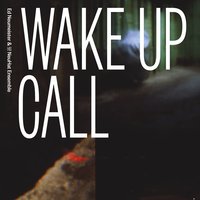
It took composer and arranger Ed Neumeister over three years, several grants, and an Indiegogo campaign to bring his new album "Wake Up Call" (Meistero Music) to fruition. Yet, this labor of love is anything but laborious. In fact, much of this music soars. The NeuHat Ensemble is composed of world-class musicians (many of whom have worked or play with the Vanguard Jazz Orchestra and the Maria Schneider Orchestra), it's so enjoyable when the musicians dig in to the well sculpted melodies and intelligent arrangements. There's a touch of Duke Ellington in "Locomotion" (the composer writes that the song is based on John Coltrane's "Dear Lord") while it's possible that "Birds of Prey" has some influence from Ms. Schneider's well-known hobby. This music sparkles with inventiveness, wit, and often has a gentler side that is soothing.
Saxophonists Dave Liebman and Joe Lovano came together in 2007 at the request of BBC Radio to celebrate the 40th anniversary of John Coltrane's passing. With a rhythm section of Phil Markowitz (piano), Ron McClure (bass), and Billy Hart (drums), The results of their musical endeavors can be heard on "Compassion: The Music of John Coltrane", beautifully packaged and mastered by Resonance Records. The six-song program features works for 1958 up until 1967's title track. Both saxophonists play extremely well, never attempting to imitate the muscular sound that Coltrane mastered yet still having great power. The rhythm section also plays with great fire, especially Hart. This quintet succeeds unmaking Coltrane's music sound timeless and fresh.
This year, Resonance Records released two albums from pianist Bill Evans featuring the rhythm section of Eddie Gomez (bass) and Jack DeJohnette (drums). Up until now, the only album with that lineup was Evans's Verve Lp "Bill Evans at The Montreux Jazz Festival." That recording won a GRAMMY in 1969 by which time the drummer was in the Miles Davis Group. "Another Time: The Hilversum Concert" was recorded seven days after Montreux and just two days after "Some Other Time: The Lost Session from the Black Forest", which Resonance released earlier this year. The albums are fairly similar though they have different material. The later recording seems livelier, punchier, as if the trio had a good dinner and were digging each other's company. Bill Evans remains quite popular 37 years after his passing and there are a lot of albums to choose from. The spark of inventiveness can be heard throughout "Another Time" and that makes the music infectious. *************************************** That's a wrap, as they say, for 2017. These albums made me feel good while listening and writing; some even helped my mood get so much better. I was sick and hospitalized in July and early August so music really made my recuperation time move by. Thanks to the promoters and the publicists, thanks to my fellow writers for keeping me honest, and thanks to the artists for taking chances and not settling for just good! Thanks to you for reading and reacting. Be healthy, be safe, and be generous throughout the Holiday and into 2018. Change is all around us. We must be ready and resolute and never, ever, lose your sense of humor and love of music. Richard

 Posts
Posts


 "Atwood Suites", featuring the 16-member Andrew Rathbun Large Ensemble and released by Origin Records, is a fascinating two-CD sonic adventure. Joining the ensemble for the first CD is vocalist Luciana Souza and soloist Tim Hagans (flugelhorn): one can hear the influence of Kenny Wheeler especially on "Power Politics I-III" , a piece the late trumpeter/flugelhornist performed with Rathbun after their 2002 Fresh Sound New Talent collaboration "Sculptures." One can hear tinges of Wheeler in Hagan's impressive solos and his the horns and brass interact with him plus the fine rhythm section - Nate Radley (guitar), Jeremy Siskind (piano, Fender Rhodes), Dave Ambrosio (bass), and Bill Stewart (drums) - that pushes the music forward. The sectional work throughout is impressive (a full list of the personnel is below). While Hagans is the principal soloist on disk one, there is also sterling performances from saxophonists Quinsin Nachoff (tenor), Dan Pratt (tenor), John O'Gallagher (alto) plus trombonist Mike Fahie and guitarist Radley.


 "Sorrows & Triumphs" (Sunnyside) is his 13th release as a leader. The program consists of two suites, one that bears the album's title and another titled "House of Numbers" - there is also one track, "Incessant Desires", that was written for the SFJazz Collective. Musicians include Afinidad (Binney, bassist Scott Colley, and drummer Brian Blade) plus guests Gretchen Parlato (vocals, lyrics), guitarist Adam Rogers, plus percussionists Rogerio Boccato (two tracks) and Luis Quintero (three tracks). In an inspired move, instead of typical reed and brass sections, Simon invited the Imani Winds chamber ensemble and wrote a number of smashing arrangements. Imani Winds, whose music covers a wide swath of musical territory (from includes Valerie Coleman (flute), Toyin Spellman-Diaz (oboe), Monica Ellis (bassoon), Mark Dover (clarinet), and Jeff Scott (French horn).