The life story of Earl "Bud" Powell (1924-1966) is not easy to read. A child prodigy, he was in the forefront of the Bebop movement in the 1940s but a run-in with the police left him battered, bruised, and unconscious. From that time on, at various stages of his musical career, Powell would be institutionalized. Yet, his musical output rarely suffered. It was as if a switch would turn on when he sat down to the keyboard. He could be a dazzling stylist, was an adventurous composer, and, up to the final years of is life, Powell was often a splendid soloist. Unlike his contemporary Thelonious Monk, his compositions and his recordings have not garnered the same scrutiny, examination, and tributes. Enter Ethan Iverson. The busy musician, composer, writer, and performer began a comprehensive study of Powell's ouevre and began writing a piece for quintet and orchestra. The result is "Bud Powell In the 21st Century" (Sunnyside Records) recorded live on the final days of December 2018 at Umbria Jazz Winter #26.
The 16-piece ensemble includes Ingrid Jensen (trumpet), Dayna Stephens (tenor saxophone), Ben Street (bass), Lewis Nash (drums), and Iverson (piano, conduction) plus the brass and reed sections of the Umbria Jazz Orchestra. The program includes seven Powell compositions, one by Monk ("52nd Street Theme"), plus eight Iverson originals, several based on motifs that the composer based on Powell's improvisations. The album opens with the two-part title track –– "Chorale" has a somber theme but when you listen to the reed and brass interjections, it may remind you of the sounds of Powell's "Parisian Thoroughfare" while "Continuity" jumps out on the strength of Iverson's dancing piano lines. That leads to a delightful romp from Stephens as the backing sections call-and-respond.
The Bud Powell pieces ("Celia", "Tempus Fugit", "Bouncing With Bud", "Wail", "Dance of the Infidels", "I'll Keep Loving You", and "Un Poco Loco") all stand out. "Celia" swings sweetly and the arrangement with the trumpets playing the theme over Nash's splendid drumming is a treat. The drummer leads off "Tempus Fugit" with a militaristic take before breaking into a powerful rhythm and we're off. The reeds play the theme, the brass answers, and the musicians romp away. Sparkling solos from Iverson and Ms. Jensen add more sizzle to this sauce. The bebop jump of "Dance of the Infidels" has the tenor and trumpet play the theme while Street and Nash build a swinging foundation. "I'll Keep Loving You" opens with a long, lovely, French Horn feature for Giovanni Hoffer who, after the solo intro, leads the ensemble through the lovely melody (pay attention to the short "breaths" of the reeds during the verses).
The final two tracks, "Nobile Paradiso" and "Un Poco Loco", are the longest pieces on the program (11:08 and 6:21) and both have great power. The former, an Iverson original, takes ideas from Powell and wraps them in a gentle swing rhythm, bouncy piano, and delightful, melodic, counterpoint from the brass and reeds. The latter track, one of Powell's most covered originals, has a forceful rhythm track –– it's a forceful example of the "conduction" method where Iverson cues the different musicians to step out of the ensemble and make short musical statements. Over the course of the tune, the reeds play first and, after a brief respite, the brass get their moment. It's fascinating to hear the musicians play off each other, climaxing in a glorious cacophony above Nash's splashing cymbals. The return to the theme is downright enjoyable!
Don't know much about Bud Powell? Go find his classic Blue Note recording "The Amazing Bud Powell Vol. I" (you'll end up wanting more but start here) and then come back and listen to "Bud Powell In the 21st Century". Not only does Ethan Iverson pay his respects, he does what all forward thinking musicians; he breathes new life into the ideas, themes, and musicianship of the originals. Everyone plays great and the music shines!
For more information and to purchase the album, go to https://sunnysiderecords.bandcamp.com/album/bud-powell-in-the-21st-century.
Here's a taste:
Personnel:
Ingrid Jensen - trumpet Dayna Stephens - tenor saxophone Ethan Iverson - piano, conduction (two tracks) Ben Street - bass Lewis Nash - drums Giovanni Hoffer - French horn (on "Un Poco Loco") Daniele Tittarelli - alto saxophone Manuele Morbidini - alto saxophone, conduction (six tracks) Pedro Spallati - tenor saxophone Rossano Emili - baritone saxophone Mirco Rubegni - trumpet Francesco Lento - trumpet Francesco Fratini - trumpet Massimo Morganti - trombone Roberto Rossi - trombone Federico Pierantoni - trombone Rosario Liberti - bass trombone
Here's a fascinating combination. "This Land" (Westerlies Records) posits the expressive voice of Theo Bleckmann in a collaboration with the brass quartet The Westerlies (trumpeters Riley Mulherkar and Chloe Rowlands plus trombonists Andy Clausen and Willem de Koch) . Original material mixed with compositions by Woody Guthrie (four of his pieces), Bertolt Brecht, Joni Mitchell, Phil Kline, a gospel tune and one traditional make the listener sit and think about the power of music to illuminate the human condition. The expansive musical arrangements allow the brass to "paint the scene" alongside the vocals and the songs often soar.
Opening with Ms. Mitchell's "The Fiddle and the Drum" (composed in 1969), the song's anti-war message, originally sung by a Canadian looking across the border, reverberates in this time of internal unrest. Bleckmann's vocal has just the right emotion and does not sound accusatory while the horns rise and fall behind. While the title track sounds like it could be a Woody Guthrie tune, the music comes from trombonist Clausen who set the words of the late Kashmiri poet Agha Shahid Ali (1941-2001). Note how Bleckmann uses electronics to create a vocal wind behind the strident horns. The vocalist contributes "Another Holiday", a song inspired by the mass shooting at Pulse nightclub in 2016. Without mentioning the horrific event, the lyrics speak of how the world passes by as events unwind, as one's family grows up in uncertain times. The horns move from bell-like figures to drones as Bleckmann's electronically modified voices float through the sound.
While each song is notable, there are several beyond the ones mentioned already that really stand out. The traditional "Wade in the Water" is given a dark, mysterious, feel by the horns as they push the vocal to the background. "In the Sweet By and By", a Gospel tune from the 19th, is linked with Joe Hill's "The Preacher and The Slave" (the satirical lyrics comes from the latter). The "oom-pah" waltz adds to the comic effect as do the "Salvation Army" trumpets behind the penultimate verse. Bleckmann translates the lyrics of Bertolt Brecht's "Das Bitten der Kinder", an anti-war song, that is first presented as a recitation and then sung in the original German with the brass playing the role of a string quartet (Bleckmann first recorded the piece in 2008 on the Winter & Winter album "Berlin: Songs of Love & War, Peace & Exile")
All the Woody Guthrie pieces ("Two Good Men", "Tear The Fascists Down", "The Jolly Banker", and "I Ain't Go No Home in This World Anymore") are instrumentals with only one over 51 seconds long (the rollicking "...Men"). They serve as joyful slices of Americana.
The album closes with Phil Kline's "Thoughts and Prayers" (from his "Florida Man" song cycle) – the piece is an elegy for the victims of the Parkland, FL, mass shooting and was originally composed for Bleckmann. The title reminds us that that's the most politicians have offered after the multitude of gun tragedies that have occurred over the past decade.
"This Land" is powerful music in these crazy days. Conceived and recorded before the pandemic but in the midst of the Trump administration, the music reminds that the United States has always been somewhat off-center. Theo Bleckmann and The Westerlies make all 15 tracks worth listening to time and again.
Trumpeter and educator John Bailey has been impressing audiences since his high school years in the mid-1980s. He went on to play with such greats as Ray Charles, the Buddy Rich Orchestra, Woody Herman, Ray Barretto, and, most recently, with Arturo O'Farrill's Afro-Latin Jazz Orchestra and the Ed Palermo Big Band. Before moving to New York City, Bailey taught at the First School School of Music/ University of Miami and Florida International University. He now teaches private lessons.
Baileys second album as a leader, "Can You Imagine?", is also the inaugural release on his Freedom Road Records. The trumpeter's ensemble includes Stacy Dillard (tenor and soprano saxophones), Stafford Hunter (trombone), Edsel Gomez (piano), Mike Karn (bass), and Victor Lewis (drums, percussion) plus Janet Axelrod (flutes) and Earl McIntyre (bass trombone, tuba). The program features three original pieces from the leader, two from drummer Lewis, and one each from Chico O'Farrill, Chico Buarque & Francis Hime, saxophonist Dillard, and the venerable "People" (composed by Bob Merrill and Jules Styne).
The album is built around the 12+ minute "President Gillespie Suite", a three-part Bailey composition inspired by trumpeter Dizzy Gillespie's 1964 run for the Presidency. What began as a fundraiser in 1963 for CORE (the Congress of Racial Equality) and other Civil Rights organization grew into a semi-serious attempt to raise people's awareness of the struggle for equal rights, not escalating the Vietnam War, and more. Gillespie reworked his classic "Salt Peanuts" to replace the title phrase with "Vote Dizzy!" Bailey's piece celebrates the peaceful, improvisatory, nature of Gillesie's music, featuring excellent solos from McIntrye (trombone) and himself. Pay attention to the splendid work of the rhythm section and how each musician interacts and responds. Right after the trombonist 's fine solo, the front line breaks into a four-way conversation. The third movement, "President Gillespie's Birthday Song", is based on the changes of the classic "I Can Dream, Can't I" takes off into a rapid-fire bebop rhythm with a sly wink from pianist Gomez to the "Salt Peanuts" riff and delightful solos from Dillard (tenor sax) and Bailey as well as "trading 8s" section with drummer Lewis. Don't miss the fine trumpet coda at the close.
The suite is not the only reason to dig into the album. Lewis's "The Touch of Her Vibe" is a splendid Latin influenced ballad which opens with hand drumming leading into a fine melody line. Note how Bailey (flugelhorn), Dillard (tenor), and trombonist Hunter share the melody plus how Lewis ups the ante throughout the song by changing and mixing tempos, overdubbing tabla drums, and creating a sensuous flow. O'Farrill's "Ballad From Pro, Incienso Y Mirra" is a stunning work – originally composed for a Christmas Eve concert that features Dizzy Gillespie and Machito, the lovely piece rises on the fine melody and solos from the leader (trumpet), Gomez (right in the melody, the rhythm section doubles the tempo), and more great drumming. Ms. Axelrod's excellent bass and alto flute shines on Chico Buarque's "Valsa Rancho" with a shout out as well to Gomez's sympathetic piano accompaniment and Lewis's fine brush work.
"Can You Imagine?" covers a lot of musical territory; the music is lively, heartfelt, sweet, sensual, swinging, with excellent contributions from every involved. Not sure if John Bailey is hitting the campaign trail in this, arguably, most fractious of election year but his music and message deserves your attention.
Trombonist Audrey Ochoa is a multi-talented musicians and songwriter who is comfortable in a multitude of settings including jazz, rock, punk, ska, Latin – you can tell by listening to her broad tone and selection of material that she has no fear. She also has quite the sense of humor – her 2014 debut album, "Trombone and Other Delights", not only features songs such as "Zombie Apocalypse" and "Painting Rice in the Finland Woods" but also the cover is a tribute to Herb Alpert's "Whipped Cream & Other Delights" - see it here! Her 2017 followup, "Afterthought", is a trio date which also features contributions from electronica dj Battery Poacher.
Album #3 is "Frankenhorn" (Chronograph Records) and it's certainly moving in new directions. While bassist Mike Lent, who appeared on Ms. Ochoa's first two CDs, is here as is pianist/keyboards player Chris Andrew (album #1) and drummer Sandro Dominelli (album #2) plus the return of Battery Poacher, the album also features contributions from a three-piece string section, two percussionists, and electric bassist Rubim de Toledo. A gander at the album cover plus the album title give us the hint that this music is the result of many different ingredients and Ms. Ochoa's expansive imagination. The melodic string arrangement on the opening track, "Swamp Castles", gives the music a lift over the lively rhythm section. The trombone sound is creamy as it is on the following track, the handsome ballad "Bench Warning". Here, the music bounces along atop percussionist Luis Tovar's congas and Andrews's melody yet percussive piano work. The leader's solo is highly melodic and, again, the strings serve to frame her playing in a lighter mood.
Battery Poacher creates a "chill" mood for Ms. Ochoa and Andrews's synths on two tracks. "Huggy Dance" not only utilizes drum machines but also the trombone is overdubbed to create a harmonic choir. Poacher's other contributions can be heard on "Groundhog Day" – the blend of acoustic instruments (trombone, piano, and conga) with the droning synths create a handsome soundtrack. Again, the overdubbed trombones play harmony but also serve as a choir.
Two other tracks stand out. The hard-edged "Silver Linings", a trio cut with Lent and Dominelli, is quite powerful with a trombone solo that "rocks" pretty hard. The closing track, "My Reward", also has a harder edge this time with a deep bluesy feel. Just bass and trombone, the "conversational" quality of Ms. Ochoa's attack and the deep sound tha Lent produces, is a treat – listen below.
"Frankenhorn" is fun music; Audrey Ochoa is a serious musician who does not take herself too seriously. Yet, the album does not descend into mere frivolities. At 40 minutes, one can sit down and listen to the entire program. And you should – there's lots to absorb!
The Westerlies is a brass quartet (two trumpets, two trombones) that came together in 2011 in Seattle, WA. All four members are from the Pacific Northwest including new trumpeter Chloe Raymond (who replaced co-founder Zubin Hensler in 2018) while trumpeter Riley Mulherkar, trombonists Andy Clausen, and Willem de Koch fill out the ensemble. The group's repertoire covers a wide swath of musical territory and it's mission is education and community engagement plus reaching out to as many young musicians as possible. Their first album, "Wish The Children Would Come On Home", was dedicated to the music of pianist Wayne Horvitz and was issued in 2014. They followed that two years later with a self-titled recording that featured pieces by each member plus composers Sam Amidon, Charles Ives, and Duke Ellington.
"Wherein Lies The Good" (The Westerlies Music) reunites the band with producer Jesse Lewis (he produced the 2016 recording and their 2018 video recordings) – each member contributed, at least, one original composition, plus there are pieces by Robin Holcomb (the title track), folk singer Judee Sill, the 19th Century harpist John G. McCurry, experimental cellist Arthur Russell, a playful piece from Charles Ives as well as a traditional American tune adapted by that composer, and a medley of Gospel pieces from the repertoire of the Golden Gate Quartet. With the exception of Ms. Holcomb's 14+ minute piece and the three-part, 10+ minute "Entropy" (by Mulkerhar), the songs are fairly short.
One's initial impression of this album is that the Quartet is deeply invested in "Americana" music. You hear that on the earlier albums but the inclusion of the often-rousing five selections associated with the Golden Gate Quartet plus Ives's delightful "Memories" illuminates the ensemble's funkier and more fun side. The Gospel tunes have quite a groove with shouts and prayers mixed together, truly the bedrock of the blues. Here there is a connection to the Deep South of the United States, to the hopes and dreams of African Americans. Sam Amidon's arrangement of McCurry's "Weeping Mary" (listen below) is an evocative hymn based on the composer's Shape Note style while Charles Ives's adaption of the traditional spiritual "Give Me Jesus" (retitled "In The Mornin'") is sweet and gentle.
Ms. Rowland's contribution is the lovely ballad "Laurie" dedicated to her teacher Laurie Frink who died in 2013. Before her passing, her reputation as one of the finest teachers and practioners of the trumpet was legend. Her presence graced numerous large ensembles including the Maria Schneider Orchestra. De Koch's "From The Very First Time" was written with the experience of the ensemble's residency in Kenner, LA. It's a subtle work, with emotional melody lines amid a handsome background.
Photo: Peter Gannushkin
Ms. Holcomb's piece is an episodic work that features several of her short, often melancholic, melodies tied together by intelligent harmonies, changes in tempo, and ringing long tones. The sound of the recording reverberates at the end of each short section, giving the musicians and the listeners a short rest before moving on.
"Wherein Lies The Good" closes with Murkerhar's "Entropy", a piece that tells the story of a person dealing with the myriad changes to his/her world through his/her lifetime. The opening fanfare is uplifting but, as the piece progresses, the changes (to the world) become too much, the music and the sound becomes harsher and the person succumbs. The closing section, therefore, is an elegy, a remembrance, a prayer.
The Westerlies create a number of scenarios on "Wherein Lies The Good" and there are times that the program is dizzying in its scope. Take your time, enjoy the more accessible tunes but remember to return for the pieces that need deeper listening. If you have the opportunity, see the band in person; that written, sit quietly and listen for your soul will be moved!
If you're a fan of creative trumpet, 2017 has been a banner year. It's not at all surprising that Wadada Leo Smith is on the list of best albums - TUM Records issued two at the same time with "Solo: Reflections and Meditations on Monk" standing out for me. With four Thelonious Monk classicsjuxtaposed with Smith originals, the music draws in the listener with its organic of sound, reverberation, and silence. There are no dull moments and one can just luxuriate in how this master musician, 76 years on December 18, plays with such power, intelligence, rhythm, and melody. I was able to attend one night of his "Create Festival" this year (the East Coast version) and can tell you he continues to grow as a musician, composer, and, above all, a human being.
Trumpeter and composer Kenny Warren was a new name to me when "Thank You For Coming to LIFE", his debut recording for Whirlwind Recordings crossed my desk. As I did my research, his previous recordings quickly came to light (his Americana-flavored pair of "Laila & Smitty" disks are stand-outs) plus his recent work with Slavic Soul Party; all those albums and more illustrate the work oof a original thinker and player. This Quartet date - JP Schlegelmilch (piano), Noah Garabedian (bass), and Satoshi Takeishi (drums - has but six songs yet each shines with its own brightness and invention. Strains of funk, hard bop, classical music, blues, and more, enlivened by the delightful interplay, did bring to mind Wynton Marsalis's "Black Codes" group, especially the urgency, emotion, and the sheer joy of playing music with friends.
Just as a list such as this has to include Wadada, it's a rare year that Dave Douglas does not give the listener multiple treats. 2017 brought us "Little Giant Still Life" (Greenleaf Music), an album made in collaboration with The Westerlies (trumpeters Riley Mulkerhar and Zubin Hensler plus trombonists Andy Clausen and Willem de Koch) and the delightful drumming ofAnwar Marshall. Inspired by the art and artistry of Stuart Davis (1892-1964, composer Douglas creates a aural gallery show that uses the rhythms of the paintings. Note the sly humor in several tracks, the delightful "basso profundo" of the trombones, the use of harmony and counterpoint, and how Marshall makes so much of these pieces dance. One continues to be impressed at how hard Dave Douglas works and how he takes guidance and direction from his influences and creates timeless music.
Then there's the second album from Douglas's Riverside, a quartet featuring the continually amazing bassist Steve Swallow plus Chet Doxas (tenor sax, bass clarinet) and his brother Jim (drums). While their debut Greenleaf album nodded in the direction of Jimmy Giuffre, this second effort, "The New National Anthem" finds its inspiration coming from Mr. Swallow's wife, Carla Bley (they even toured Europe with the composer-pianist). Playful, melodic, genre-busting, highly interactive, this music has such a bright quality, even the ballads take the listener in such fascinating directions. Long-time fans of Mr. Swallow and Mr. Douglas know they are in for a quality experience from every album but one cannot help but be impressed by the work of the Canadian brothers (Chet's clarinet stands out while Jim locks right in with the bassist, making it sound like they have been a rhythm section for two decades, not just two recordings).
The second album by trumpeter-composer Rebecca Hennessy's FOG Brass Band (self-released) upends one's conception of a traditional Brass ensemble. Yes, it's a sextet but there are three horns (trumpet, trombone, tuba) plus a rhythm section of electric guitar, piano, and drums (no marching band, this). The composer gives the band such a fascinating collection of tunes in many different styles, such well-formed melodies, smart harmonies, intelligent interplay, a heck of a rhythm section, and don't miss how strong the solos are. FOG is part of a growing eclectic music scene in Toronto, Ontario, Canada. Yes, Ms. Hennessy often take her inspiration from musicians and composers (especially the afore-mentioned Carla Bley and a touch of Duke Ellington) from the country just south of hers but she is quickly developing her "voice" and arranging style.
Trumpeter and composer Sam Boshnack puts to music the story of pioneering journalist Nelly Bly (1864-1922), successfully and not-so-subtly reminding the world of both the power of a single-minded woman but also how the press can tell important stories. Her Quintet, which features the sublime clarinet playing of Beth Fleenor, understands that the story comes first yet the music offers them music freedom. The "Nellie Bly Project" may only be 34 minutes long but packs quite a punch, especially in the two long, episodic pieces. Sam Boshnack, with both her Quintet and the B'shnorkestra, is becoming an important voice in the Pacific Northwest and, hopefully, soon around the world.
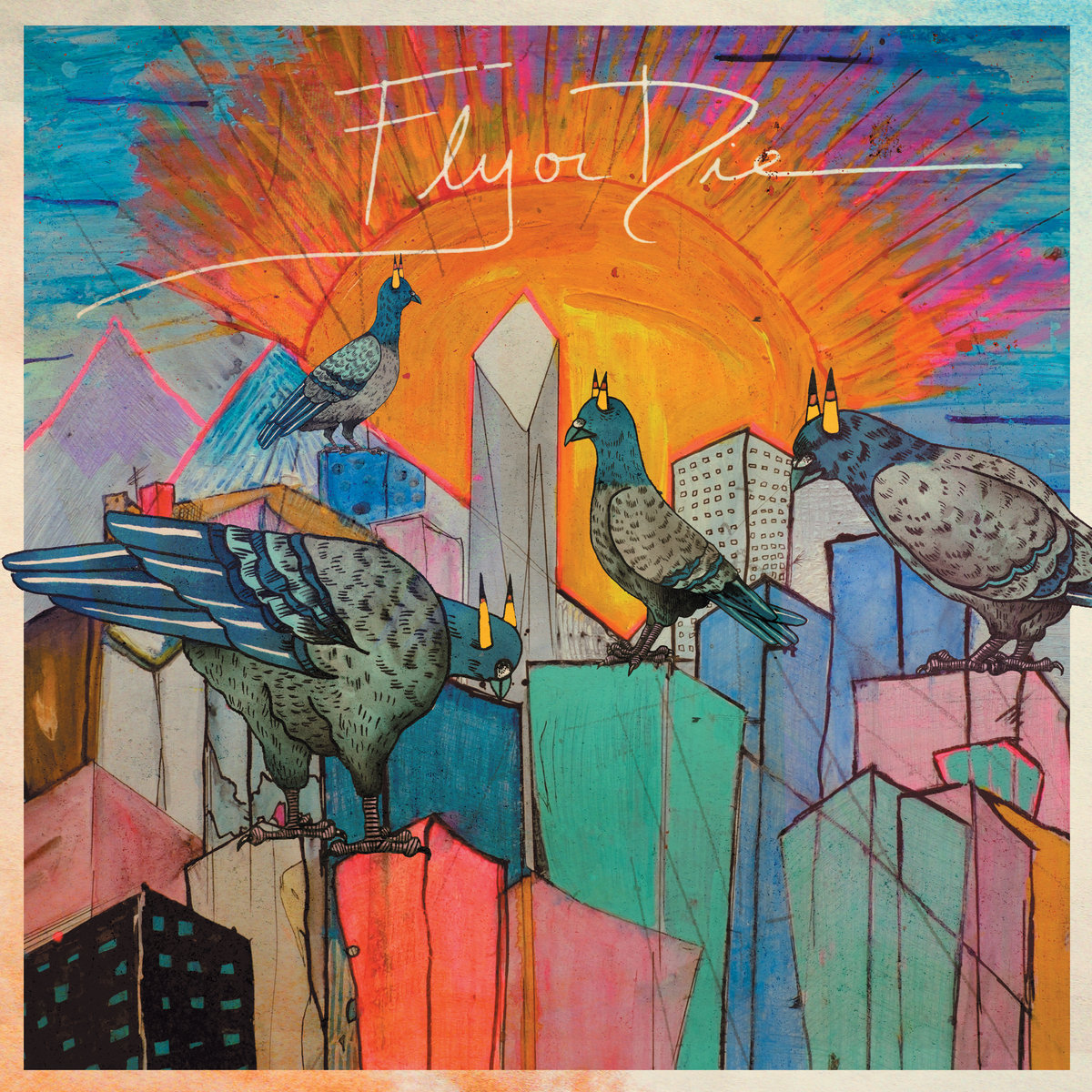
The debut album from trumpeter and composer Jaimie Branch, "Fly or Die" (International Anthem), is chock full of ideas, with "hard" beats, brash tones, and features the great playing of Tomeka Reid (cello), Jason Ajemian (bass), and Chad Taylor (drums). Pieces such as "Theme 001" bristle with the energy of Julius Hemphill's "Hard Blues" whereas "Theme 002" reminds this listener of saxophonist Matana Roberts's work with Taylor and bassist Joshua Abrams for their Sticks & Stones trio. "Theme Nothing" also blends African rhythms, this time with a hint of blues-rock. There are also pieces with multiple overdubs (the muted opening of "Leaves of Glass" is among the quieter sections of the album and employs the cornets of Ben Lamar Gay and Josh Berman, a short, buzzing, solo, and a pair of tracks with acoustic guitarist Matt Schneider. Plenty of variety packed into 36 minutes and it makes one impatient for more of Jaimie Branch's fascinating music.
Drummer and composer Tomas Fujiwara created quite a project for his new album "Triple Double" (Firehouse 12 Records). This sextet features two guitarists (Mary Halvorson and Brandon Seabrook), two brass (trumpeter Ralph Alessi and the cornet of Taylor Ho Bynum), and two drummers (the leader plus Gerald Cleaver). There is a "progressive rock" and a blues-rock feel to a number of the pieces and, like Ms. Branch's music, often bristles and erupts. With two such powerful drummers, the band occasionally leaves subtlety behind in favor of a mighty roar but notice how easily they can pull back (especially on "Blueberry Eyes"). Each musician has her or his own "voice" and it's such a aural pleasure to hear Ms. Halvorson articulate lines interacting with Seabrook's "noisier" elements or Alessi's flowing lines in counterpoint with Bynum's splintered, raucous, interjections. There are a trio of duo pieces - the first, "Hurry Home B/G"", is an unhurried interaction between Seabrook and Cleaver while the second, "Hurry Home M/T" uses similar elements for the duo of Ms. Halvorson and Fujiwara. Right in the middle of the program, the leader opens "For Alan" with a recording of a lesson he had (as a 10-year old) with the great drummer-educator Alan Dawson (1929-1996) - once the voices drop out, Fujiwara and Cleaver take off on an exciting percussive journey. They are not "one-upping" or "cutting" each other; instead, they get carried away on the power of multi-rhythms and making each other dance. Mr. Dawson comes back in near the close to teach about syncopation.
Amidst the tumult of sounds, what stands out is the friendship, the musicality, and the willingness to expand the spend as far as these six musicians can. Give in, let your mind open, and you'll hear many fascinating sounds and exhilarating interactions!
***************************
I am halfway through this year's list - next time out, it's large ensemble music and more.
There are days when it's hard to believe that Dave Douglas has been recording since 1993 as it seems he's been around much longer (I mean that nicely). As a composer, his music continues to mature and expand. As a bandleader, he continues to take chances and not settle into a routine for long stretches or time. As a soloist, he has a recognizable sound yet eschews cliches in favor of continually challenging himself. Douglas is one of the more prolific recording artists (perhaps not in the same league as Anthony Braxton and pianist Satoko Fujii) with 47 CDs as leader or co-leader and as many if not more as a "sideman." His work with Myra Melford and John Zorn's Masada also stands out as highlights in his career.
His newest album, "Little Giant Still Life" (Greenleaf Music), is a collaboration with the brass quartet known as The Westerlies (trumpeters Riley Mulkerhar and Zubin Hensler plus trombonists Andy Clausen and Willem de Koch) plus drummer Anwar Marshall. The music is inspired by painter Stuart Davis (1892-1964), whose work combined Cubism and Early American Modernism to help usher in the age of "pop art." Take a look of one of his paintings (left) - "Hot Still-Scape for Six Colors - 7th Avenue Style" - and you might be able to see the influence of jazz music and improvisation on the artist.
artstack.com
The music Douglas composed for this sextet is, at times, as bright as the Davis's canvasses. "Swing Landscape" evolves into a groove so serious, informed by the blues and funk, it's hard to sit still. "Percolator" opens not with an imitation of a coffee pot at work but more like a "swing" take of a Steve Reich minimalist melody. Marshall gooses the band forward, the stop-start rhythm supporting the melody and solos in such a playful manner. The circular melody line that opens "Colonial Cubism" is played by the trumpets while the trombones create the bottom and the drums dances beneath. Don't bother thinking about the music and the paintings are related; listen instead to the smart interactions, the powerful solos, and fascinating melodies.
Do not overlook the fine ballads such as "Codetta" and "Worlds Beyond the Sky" as each song is a world unto itself. What one notices here (and, honestly, throughout the album) is how the listener cannot and should not try to put this music into categories. Maybe it's me - we seem to be in a time where the most creative music defies easy categorization. One can imagine that these pieces could be translated to string quartet and trumpet or a trio of guitar, bass, and drums. One of Dave Douglas's strong points is the malleability of his material and we are the beneficiaries of his hard work and inspiration.
If "Little Giant Still Life" inspired you to seek out the paintings of Stuart Davis or check out other recordings of The Westerlies or check out Anwar Marshall's work with Fresh Cut Orchestra or Kurt Rosenwinkel, then Dave Douglas has accomplished much with ensemble and recording. The music should not be ignored either - the album is a treat from start to finish.
Pianist and composer Jamie Reynolds has created a compelling new project. Titled "Grey Mirror" (Fresh Sound New Talent), the Canadian native (now a resident of New York City) blends four pieces by his trio (bassist Orlando LeFleming and drummer Eric Doob), five with The Westerlies brass quartet, four with his Trio plus guitarist Matthew Stevens, and one beautiful piano solo, into a statement about creativity and how music can be seen and heard through various lenses.
The program is bookended by two versions of "The Earliest Ending", the first a short performance by the brass while the second features the trio plus guitar. The latter performance stretches out to 6:11. It's quite a contrast with the final track having a series of dynamic climaxes and tempo changes, moving into a powerful "rock" beat that roars to a finish before the piano enters by myself to echo the opening melody.
Elsewhere, there are "mirror" versions of "Small Worlds", the first with the leader on Wurlitzer piano while Stevens and the rhythm section ratchet up the energy. This piece as well has more of a "prog rock" feel (listen to how LeFleming's electric bass plays the main melody and how Doob drives the track). The "brass" version is slower, less insistent and more "prayer-like", yet with a darker edge. Another "mirror" track pairs the Erik Satie-like piano solo "Lake Cycle" with the brass quartet - here the latter version is reminiscent of melodies created by Robin Holcomb. Both performances are riveting, gentle, musical, and quietly filled with emotion. Finally, there is the mysterious ballad "Church", the trio version with overdubbed Wurlitzer creating a percussion-like curtain for the solid melody while The Westerlies plays the melody fairly straight-forward over pulsating brass for 1:21.
There is so much variety here, from the high-powered "Sleep" (Stevens guitar loud yet shimmering) to the mysterious interactions on "Green-Wood" (rattling percussion, circular melodies played on the different keyboards) to the powerful stride of "Untitled Interlude" (a trio piece with no overdubs but endowed with a generosity of spirit.)
The concept of playing compositions by two different configurations is intriguing and Jamie Reynolds pulls it off with aplomb. It does not hurt that there are pieces specifically for each of the ensembles (and the solo piece). It would have nice to hear more of The Westerlies (they have the bulk of the shorter pieces) and just as nice to hear more trio interactions with Matthew Stevens but "Grey Mirror" is still a worthwhile experience, one that is fun to go back to again and again.
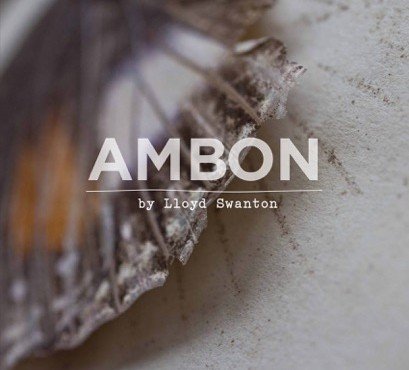
Most American listeners know bassist Lloyd Swanton (born 1960, Sydney, Australia) from his 30 years as a member of The Necks, a trio (piano, bass, and drums) that is known for its minimalist, long, compositions, often without improvisation. Their live gigs are always improvised. Swanton is also the founder bandleader of The Catholics, a septet that plays music from across the jazz spectrum with nods to music of the Caribbean and Africa (that group is in its 26th year of existence). Swanton has played with many different leaders and groups from his native land but especially for his work with the late saxophonist Bernie McGann.
Knowing all that probably won't prepare you for his absorbing double CD "Ambon" (Bugle Records). Named for an island in the Dutch East Indies (now Indonesia), the place was the site for a bloody battle between the Japanese Army, Navy, and Air Force and a group of soldiers from Australia. Outmatched from the beginning, the island (considered a strategic site in the Pacific theater) fell to the Japanese who used the bases to conduct raids on other combatants, even air raids on Australia.
One of the soldiers captured o the island was Lloyd Swanton's uncle Stuart Mill Swanton. His uncle spent most of his adult life before the joining the Australian Army working with the underprivileged people in the Melbourne area and playing violin. A year after he joined up, his battalion sailed to Ambon. The older Swanton survived the ferocious battle and spent the rest of his life (3 and 1/2 years) as a prisoner of war (In an ironic twist, he died the day before the Japanese surrendered and his camp liberated - but few people survived). Amazingly, Stuart Swanton kept a diary of his captivity and it is now part of the Australian War Memorial.
The album is a collection of tunes ranging from gospel tunes that Uncle Stuart composed in the 1930s to songs inspired by the diary to a field recording from Ambon over which a reed and brass quartet plays a hymn. Swanton organized quite the ensemble, a 12-piece orchestra that includes Paul Cutlan (saxophones, clarinet, recorder), Sandy Evans (tenor and soprano saxophones), James Greening (trombone, cornet, baritone horn, tuba), Alex Silver (trombone), James Eccles (viola), Chuck Morgan (ukulele), Jon Pease (guitar), Michel Rose (pedal steel guitar), Fabian Hevia (cajon, percussion), Ron Reeves (kendang - Southeast Asian two-headed drum, percussion), and Hamish Stuart (drums, percussion) plus Jess Ciampa (glockenspiel on "The Ambon Waltz").
Sydney Morning Herald
There is nearly 109 minutes of music on the two CDs and extensive liner notes that tell the horrific story of life as a prisoner of war. The captives were treated poorly but still found time to create art, build makeshift instruments, write songs and plays, and take care of each other even as they were starved to death or succumbed to disease. Yet, the majority of the music is uplifting. On CD 1, the 14+ minute "Ambiont Jungle" blends the kendang drums with the ensemble and the sound of the viola (an instrument that belonged to Stuart Swanton) for a powerful representation of the setting in which the soldiers were dropped. "Camp Concert I" is a 27 minute suite in three parts that uses the guitars, ukulele, and viola to great effect. Again, the music is quite melodic with no hints of the troubles as if the composer took pieces of the captives dreams, the most positive parts, to create the suite. The last cut is "Hymn: Blessed Holy Spirit" that opens with excerpts from Uncle Stuart's diary; halfway through, the brass and reeds play the hymn. The spoken text speaks to the daily horrors of being a prisoner and dealing with cruel captors.
CD 2 continues the powerful description of camp life but, this time, the instruments on "Camp Concert 2: Top Brass" include a tenor saxophone without a mouthpiece, the bell section of a trombone, a flute with a saxophone mouthpiece, a bass clarinet without a reed, and much more, all to symbolize the improvisation prisoners had to do everyday. Other striking pieces include "Meat Case Bass" and "Big Noise From Hawthorn"; the former is a solo piece also symbolizing the make-shift life in the camp while the latter features the bassist and drummer playing the same instrument. "Work Song: The Long Carry" is a blues dedicated to the extremely hard work the prisoners did every day of the week. The piece includes powerful solos from trombonist Greening and guitarist Pease. Now, one can feel the men are being systematically drained of their spirit and strength. Stanton's final original piece, "The Ambon Waltz", celebrates liberation, the happiness of the soldiers who came to bring the freed prisoners back home, but also refers to those who survived and needed to be carried to the boats that brought back them to freedom.
There is great power in this story, one that may not resonate with my fellow Americans but anyone who had a parent, grandparent, relatives or friends who served in the Pacific know the horror stories of the prison camps (if you have read the story of Louis Zamperini related in the book and movie "Unbroken") knows these terrible experiences. In the hands and mind of Lloyd Swanton, "Ambon" is a story of hope, love, resistance, survival, and remembrance. You need to hear this music, need to read the story of Stuart Mill Swanton, to remind you of the futility of war and the atrocious consequences.
The Music Mountain "Twilight Concerts" series presents Ryan Keberle & Catharsis on Saturday August 12 at 6:30 p.m. in the historic Gordon Hall. The quintet - Keberle (trombone, melodica, keyboards), Jorge Roeder (acoustic and electric bass), Eric Doob (drums), Camila Meza (guitar, vocals) and special guest Scott Robinson (saxophones, trumpet, filling in for regular member trumpeter Michael Rodriguez) - has been touring a lot this summer in support of its new "protest" album, "Find the Common, Shine a Light." The program features several Keberle originals, several "group" compositions, and inspired renditions of songs by Bob Dylan, Jorge Drexler, Paul McCartney, and Vito Aiuto & The Welcome Wagon.
The album addresses issues that arisen since the beginning of the 2016 Presidential Election cycle and in the wake of the Donald Trump Presidency. The album covers shows protest placards with statements about immigration, human rights, respect, and more. The band does not beat one over the head - they want you to think, respond, and make sure your voice is heard. No sitting back and letting other people speak for you.
Here's the group's take on Bob Dylan's "The Times They Are a-Changin'":
Take a listen to Vito Aiuto's song:
Here's a track from the new Bill Cunliffe record "BACHanalia" that I will review when the hiatus is through. It's a smashing arrangement of a tune by Oscar Levant (that's a character from the past) and features a wonderful flugelhorn solo from Terell Stafford:
And, while in a bit of ballad mood, here is the duo of Jason Anick (electric mandolin) and Jason Yeager (piano) with the rhythm section of Greg Loughman (bass) and Mike Connors (drums) performing a George Harrison tune. They've got a fine new album on Inner Circle Music titled "United."
How about a "modern" brass quartet. The Westerlies, born in Seattle, WA, and now based in New York City, make such fascinating music. The foursome includes Riley Mulherkar and Zubin Hensler on trumpet, and Andy Clausen and Willem de Koch on trombone. Here's a piece from each of the ensemble's two Songlines recordings. The first album was dedicated to the music of Wayne Horvitz:
The following track is a Duke Ellington tune from the ensemble's self-titled second album:

 Posts
Posts