Thursday, September 27, 2018

Boston Strong Music: Large Ensembles (Pt 1)

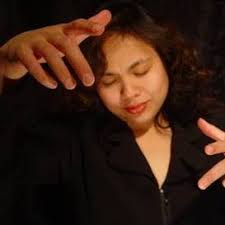
Seems like only yesterday that composer, arranger, and band leader Ayn Inserto released her debut album "Clairvoyance" - in fact, the album came out in 2006! That album featured trombonist and mentor Bob Brookmeyer as well as saxophonist George Garzone. A 2001 graduate of the New England Conservatory of Music in Boston (and currently on the faculty of the Berklee College of Music), she was born in Singapore and, with her family, moved to the Bay Area of California when she was 14.  After attending college in her adopted home state, she moved to the East Coast in the late 1990s to study with Mr. Brookmeyer.  It was not long before she organized her Jazz Orchestra, composed of some of the finest players in the Boston area, many of whom she now teaches with).

"Down a Rabbit Hole" (Summit Records) is Ms. Inserto's fourth recording and the third to feature her large ensemble with Garzone as a guest soloist - her 2014 album "Home Away From Home" was recorded in Italy with Massimo Morganti & The Colours Jazz Orchestra.  Besides Garzone, guest artists on the new album feature trombonist John Fedchock and trumpeter Sean Jones.  Over the course of her recordings, she has successfully incorporated  the ideas and teachings that Professor Brookmeyer provided and created her own large ensemble sound.


What you do hear on "...Rabbit Hole" is a delightful sense of playfulness, freedom, and intelligent interactions.  This is music that is not beholden to one sound.  Every piece stands out with splendid section writing, excellent solos, and a rhythm section that is supportive not intrusive, powerful without being overwhelming (special kudos go to pianist Jason Yeager, bassist Sean Farias, and drummer Austin McMahon).  Highlights include the sprightly opening track, Ms. Inserto's "Three and Me."  The "Three" in the title might allude to the guest soloists on the recording, all of whom get to play the melody plus take short yet fine solos.  The arrangement sets up each solo nicely with the sections providing a melodic conversation with counterpoint and harmonies while McMahon's drums strut happily below.

The title track rushes in like Alice in Wonderland's March Hare, in a hurry and not settling down. The song has an irresistible groove that along with a sly melody. Tenor saxophonist Garzone, with the urging of the rhythm section, digs into a delightful solo that often moves from "composed" to "frantic" in a heartbeat.  Fedchock stands out on the sweet ballad "Mister and Dudley", first when he introduces the delightful melody and then on his sweet solo which has a lovely singing quality.  Jones contributes "BJ's Tune" (one of two tracks in the eight-song program that were not composed by Ms. Inserto) - it's also on the slower side but opens up as the sections work through the arrangement of the melody. The composer steps out as the lone soloist with the sections "coloring" the backgrounds as he steps lively in and around the reeds and brass.

Photo: Steve Provizer
The other track not composed by the leader is the final one, a handsome take on The Jackson 5's 1970 smash "I'll Be There."  Pianist Yeager's impressionistic opening sets the stage for the ballad whose theme is lovingly performed by Jeff Claassen on flugelhorn.  Note the lovely unaccompanied reed quartet before trumpeter Dan Rosenthal moves into a fine solo excursion. The arrangement gives the soloist a cloak of reeds and brass to ease him forward.  It's a lovely finish to an excellent program.

"Down a Rabbit Hole" is a delight from start to finish.  You'll hear a trace of Bob Brookmeyer, a dollop of Thad Jones, and a very generous portion of Ayn Inserto.  This album made me smile as the music satisfied my soul!  Listen closely and enjoy!!

Enjoy "Part I: Ze Teach" (with its sly reference to Quincy Jones):


Personnel:

Ayn Inserto, conductor/composer/arranger
Guests: John Fedchock, trombone; George Garzone, tenor sax; Sean Jones, trumpet
Allan Chase, soprano/alto sax; Rick Stone, alto sax/flute/clarinet; Kelly Roberge, tenor sax/clarinet; Mark Zaleski, tenor sax/clarinet; Kathy Olson, bari sax/bass clarinet
Trumpets: Jeff Claassen, Bijon Watson, Dan Rosenthal, Matthew Small
Trombones: Randy Pingrey, Chris Gagne, Garo Saraydarian; Bass Trombone: Jennifer Wharton
Eric Hofbauer, guitar; Jason Yeager, piano; Sean Farias, bass; Austin McMahon, drums
Mike Tomasiak, tenor saxophone, Jerry Sabatini, trumpet, and Jamie Kember, bass trombone, on "Part I: Ze Teach" only.

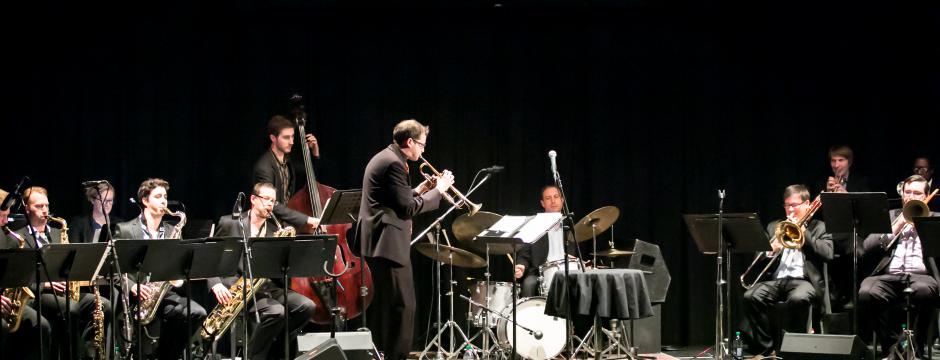
Saxophonist, composer, and arranger Felipe Salles, a native of São Paulo, Brazil, has been performing and teaching in the United States since 1995. A 1998 graduate of the New England Conservatory of Music with a Doctorate from the Manhattan School of Music (2005), he is currently Associate Professor of Jazz and African-American Studies at the University of Massachusetts/Amherst. Salles has worked and/or recorded with artists such as trumpeter Randy Brecker, guitarist Lionel Loueke, vocalist Luciana Souza, and fellow saxophonist David Liebman.  He has been the recipient of numerous grants for composition including becoming a Guggenheim Foundation Composition Fellow in 2018. Sales has recorded seven albums as a leader (plus one as co-leader), two initially released in Brazil, two on Fresh Sound New Talent, and three on Tapestry Records.


His third for Tapestry is his first with the Felipe Salles Interconnections Ensemble, an 18-member group he assembled to play his original works that blend classical elements with modern Latin American rhythms.  The debut recording, "The Lullaby Project (and Other Works for Large Ensemble)", features two long pieces; the five-movement title track and "Three Tango-Inspired Pieces for Large Jazz Ensemble".  The "Lullabies" are inspired by traditional Brazilian lullabies and the composer's mission "is to create a musical commentary on the dark underlying qualities of lullabies, as well as to illustrate the socially transformative impact (they) have had on generations of children."

Not sure if that prepares the listener for the brilliance of these pieces, the excellent arrangements, the intelligent solos, and the power of the ensemble.  Through-composed, the individual movements take time to introduce the melody, the brass and reeds sharing phrases while the five-man rhythm section (piano, guitar, vibraphone, bass, and drums) create the tension and the urgency in many of the movements.  Throughout the work, the arrangements for the reeds and brass stand out on each "Lullaby".  The individual songs have solos: highlights include Angel Subero's bombastic (even elephantine) bass trombone spot on "Lullaby #2" (still listen to the beautiful writing for the reeds) as well as the powerful yet melodic baritone sax solo from Tyler Burchfield on "Lullaby #4." Salles's utilization of multiple flutes, clarinet, and vibraphone create such a stunning background on "..#4" right before Eric Smith's fine trumpet solo and during it as well.  Nando Michelin plays both piano and melodica on "Lullaby #5" - his piano spot spreads out over the handsome section work building in intensity spurred on by drummer Bertram Lehmann followed by an equally fine solo from alto saxophonist Jonathan Ball.

The "Three Tango-Inspired Pieces..." follow and each has its own charm and power.  The Brazilian Salles has long been charmed by Argentinean and he channels that charm in these compositions.  He writes in the liner notes  how inspired he was/is by composers like Astor Piazzolla yet one could argue that the arrangements also show, at times, the inspiration of Carla Bley and Guillermo Klein.  "Odd Tango" introduces the tension that the rhythm creates for the dancers yet smoothly moves forward on the strength of its melody and solos by Mike Claudill (tenor sax) and Dan Hendrix (trombone). "Astor Square" is dedicated to the modern master. The underlying rhythms, while inspired by the art form, are, at times, looser but note the instant shifts in emphasis and tension.  The album closes with "Carla's Tango".  The afore-mentioned Ms. Bley is not mentioned as an influence but the piece would not sound out-of-place performed by the Liberation Music Orchestra, the last Charlie Haden's big band that she writes and arranges for.  It's the only piece on the album where Salles plays, his soprano saxophone playing both the melody and a delightful solo.

Photo: Steve Schneider
My advice?  Get a copy of "The Lullaby Project", sit down and listen, and notice how the music flows in and around you. Notice how the section writing is so intelligent and filled with wit as well as, at times, tenderness. These melodies have depth and charm.  Nothing is rushed or sounds out of place and the musicianship of Felipe Salles Interconnections Ensemble is very impressive. Dig in and dig it!!

For more information, go to www.sallesjazz.com/InterconnectionsEnsemble.html.

Here's the opening track:


Personnel:

Felipe Salles - Conductor, Composer, Arranger, and soprano saxophone on "Carla's Tango"

Richard Garcia, alto sax, soprano sax, flute
Jonathan Ball, alto sax, soprano sax, flute
Mike Caudill, tenor sax, soprano sax, clarinet
Jacob Shulman, tenor sax, clarinet
Tyler Burchfield, bari sax, bass clarinet

Trumpets
Jeff Holmes
Yuta Yamaguchi
Eric Smith     
Doug Olsen

Trombones:
Joel Yennior
Clayton DeWalt
Randy Pingrey
Angel Subero (bass trombone)

Rhythm Section:
Piano, melodica: Nando Michelin
Guitar: Kevin Grudecki
Vibes: Ryan Fedak
Bass: Keala Kaumeheiwa
Drums: Bertram Lehmann

Thursday, September 20, 2018

Culture, Music, Fusion, & Emotion

Photo: Jimmy Katz
If you have closely followed the career of Miguel Zenón, you'll know it's been quite a journey from his early recordings with the Either/Orchestra and tenor saxophonist David Sánchez as well as his 2002 debut as a leader (the aptly-titled "Looking Forward" which featured, among others pianist Luis Perdomo and bassist Hans Glawischnig, both of whom are still members of Quartet).  Zenón is also a founding member of the SFJazz Collective, an octet organized in 2004 currently in its 15th season (which will be the saxophonist's final one with the ensemble).  Go back and listen to the early recordings and you'll hear he's already has his signature sound and that his original compositions were (and still are) inspired by the folkloric and popular music of his native Puerto Rico.  What has changed from those initial recordings is that his writing has matured in wonderful ways.

His latest project and album, "Yo Soy La Tradición", is his fourth album on his Miel Music label.  Zenón has created a collection of pieces inspired by classic Puerto Rican songs as well as elements of musical styles from different cities and towns on the island.  Scored for alto saxophone and string quartet. Zenón's partners on the project are the Chicago-based Spektral Quartet (violinists Clara Lyon and Maeve Feinberg, violist Doyle Armrest, and cellist Russell Rolen). Recorded during the horrific days when Hurricane Maria struck Puerto Rico (and elsewhere in the Caribbean and United States), the results are an amazing blends of styles, melodies, harmonies, interactions, and rhythms. Rhythms?  String quartet?  O, yes, a number of these works are based on "dance" songs and all five musicians play "percussive" melodic lines and, in the case of the strings, plenty of pizzicato.

Photo: Robert Watson
Five weeks ago, I wrote a preview of the album and there is no need here to go through every track (I included several cuts to listen to - click here).  But, let's look at "Rosario", the song that opens the album. It's based on a Catholic Church tradition in which every segment of the Rosary is presented to the congregation with a musical piece to accompany it.  The piece opens slowly with a melody that has traces of the Shaker Hymn from Aaron Copland's "Appalachian Spring" (the melodic echo appears several times during the performance) with the alto saxophone leading the strings into the music.  They come together and move apart throughout the piece yet it's those strings that add the tension and percussive elements to the piece.  Zenón hands the lead position to viola, violin, and cello as well as keeping a section to himself.  The blend of his saxophone with the strings is impressive throughout and while it seems as if he is the "front man", this music is a true collaboration.

Photo: Brian Jackson/Chicago Tribune
"Yo Soy La Tradición" is brilliant, an entrancing, attractive, intelligent, and often stunning collection of songs that blur the lines between classical, folk, jazz, and popular music. In fact, throw out any and all labels. The insistence on labels only insults the intelligence of the audience.  Instead, focus on how beautiful - yes, beautiful - this music is.  Listen deeply, smile with it, be moved by the passions and the emotions, and enjoy how seamless the arrangements are throughout.  This is not "background music"; instead, this album will resonate for as long as you give yourself fully to the experience.  Kudos to Miguel Zenón and the Spektral Quartet!

For more information, go to miguelzenon.com and to spektralquartet.com.

Enjoy "Promesa":


*******************************************

One more thing. If you look up at the right hand side of the blog, you'll notice that there are new episodes of "The Jazz Session", the excellent series of interviews with musicians conducted by, arguably, one of the best, Jason Crane. You will learn so much from listening to Mr. Crane and his guests and it's fun!  Very good to have him back - there are still so many musicians out there deserving of the Jason Crane approach! For more information, go to thejazzsession.com.

Thursday, September 13, 2018

Canadian Sounds Reverberate

After studying in Toronto, Ontario, pianist-composer Jeremy Ledbetter spent over a decade on the road working with artists such as Mighty Sparrow, Hermeto Pascoal, Jane Bunnett, and Andy Narrell (to name but 4). He's also the longtime musical director for the calypso star David Rudder.  Ledbetter also leads the Canadian group CaneFire, one of the nation's best known Caribbean/ Latin jazz ensembles.

"Got a Light?" (ALMA Records) is his debut as a leader. With the splendid drumming of Larnell Lewis (Snarky Puppy) and the handsomely thick electric bass sound of Rich Brown, this music jumps right along. Ledbetter is a two-fisted pianist with a fine blend of percussive and melodic elements.  The nine tracks - eight originals plus the Tragically Hip's "Gift Shop" (recorded one week after the passing of the group's front man Gord Downie) - have great power thanks to the talents and big ears of the participants.

There are many different musical dishes to digest on this album.  The Latin Jazz side of Ledbetter shines brightly on several tracks including the dramatic "About Climbing Mountains".  The booming piano chords and the powerful drums move the piece forward while Brown's bass dances around.  If anything, "The Pepper Drinker" is even more startling with its quick jumps in intensity and rapid-fire rhythms.  Brown's solo is jaw-dropping yet listen to how Ledbetter and Lewis help push him forward.

There is a softer side. Vocalist Eliana Cuevas joins the trio for "Her New Wings" (the leader switching to electric piano and leads the vocals in by playing the melody on melodica). The blend of her voice with the melodica is lovely plus there is a smart use of vocal overdubs to enhance the sound.  The rhythm section sits out "Suspirito" with batá drummer Reimundo Sosa joining Ledbetter for the quiet performance.

The album closes with a solo piano piece, the gentle, gospel-infused, "The Tightrope Walker." In various places on the album, one can hear the influence of Bruce Hornsby on Ledbetter's melodic and rhythmic choices. Let this music wash over you. The Jeremy Ledbetter Trio will shake the rafters but also give you moments of peace in a crowded day.  "Got a Light?" grabs the listener from the opening note, not only because this is not your traditional piano trio but really because the music is quite enjoyable.

For more information, go to www.jeremyledbetter.com.

Take a look and listen to the Trio:


To celebrate its 20th Anniversary as a unit , the Toronto Jazz Orchestra (TJO) has issued its fourth album, the 18-piece ensemble's first release in nine years.  Led by its Artistic Director and chief composer Josh Grossman, the ensemble celebrates its existence and diversity with a eight piece program (including the four part "4 PN" dedicated to the 95-year old composer, bandleader, and clarinet player Phil Nimmons).

Grossman shows his versatility right from the start.  A sweetly melodic introduction opens to a funky/Latin groove as "Georgie and Rose" dance across the speakers. Soprano saxophonist Chris Roberts and trombonist Christian Overton step out for delightful solos powered by the delightful rhythms of drummer Ben Ball and percussionist Luis Orbegoso.  "Brad's Prudence" is a smart reworking of The Beatles' "Dear Prudence", the assemble trombones playing the melody as the trumpets and saxophones provide color commentary.

The afore-mentioned "4 PN" opens with "The Land of 2 and 4", a pleasing cut that swings along with the clarinets rising above the reeds and brass. There's a touch of Gil Evans in the smart arrangement behind the trumpet solo. Moving on to "Under a Restful Tree", the music takes on a modern feel, thanks to the adventurous drumming of Ball - note the melody played by the trumpet and clarinet in unison.  "Birdsong" follows, the trilling clarinet opening unexpectedly leading to a lovely trombone melody and a ballad presentation. The suite ends in a funky groove with "Flat 10 Strikes Again", the ensemble riding atop the delightful electric bass work of Mark Godfrey.

The album closes with two very different tracks.  "Reflections" is a passionate ballad that reflects the influence of Maria Schneider, especially in the section parts. "Blob", on the other hand, is a barn-burner with wailing guitar, pounding drums, and powerful solos.  It only quiets down near the end for the bass solo which gives away to a booming reprise of the opening.

Two decades - 20 years - is a good long time in the life of a modern big band.  While they may only have four albums, Josh Grossman has kept the TJO busy with several side projects.  "20" is a celebration and, hopefully, a harbinger of more to come.

For more information, go to www.thetjo.com.

Personnel:

Josh Grossman (Artistic Director, conductor)
Chris Roberts (soprano sax, alto sax, flute)
Jake Koffman (alto sax, flute)
Paul Metcalfe (tenor sax, clarinet)
Chris Hunsburger (tenor sax, clarinet)
Shirantha Beddage (baritone sax, bass clarinet)
Steve Dyte (lead trumpet)
James Rhodes (trumpet)
Alexander Brown (trumpet)
John Pittman (trumpet)
Christian Overton (lead trombone)
Pat Blanchard (trombone)
Mark Grieve (trombone)
Sylvain Bedard (bass trombone)
Todd Elsliger (guitar)
Carissa Neufeld (piano, Fender Rhodes, Wurlitzer)
Mark Godfrey (acoustic & electric bass)
Ben Ball (drums)
Luis Orbegoso (percussion)


Listen to Josh Grossman talk about the band and the recording:


The University of Toronto 12Tet is an ensemble made of students, both undergraduate and grad students, enrolled in the university's music program. Led by trombonist, composer and arranger Terry Promane, the group plays music especially arranged and composed for the participants.  With 11 musicians and vocalist Brooklyn Bohach, the 12Tet has a new album "When Day Slips Into Night" (U of T Jazz) - the disk comes 18 months after its previous album "Trillium Falls" (my review here). The program includes a totally new lineup from the previous disk but Promane again creates an album that features standards, an original work (by current tenor saxophone John Nicholson), and a surprise in the addition of "(Ocean) Bloom", a Radiohead piece from its "The King of Limbs" album rearranged by Hans Zimmer for the BBC series "Blue Planet."

The "standards" include Juan Tizol's "Perdido", Tom Harrell's lovely "Sail Away", and Cedar Walton's boppish "Bolivia."  The musicians have a delightful time on the last tune listed, bouncing atop Evan Gratham's spongy bass lines.  Alto saxophonist Brandon Tse delivers a lively solo over the rhythm section before the reeds and brass restate the theme. Tse returns to take the tune out. The Harrell composition has a light Brazilian feel with an arrangement that has the theme shared by the brass and guitar plus fine harmonies from the reeds.  The ensemble's drummer Keegan Eskritt supplied the arrangement for "Perdido" and supplies the poly-rhythmic feel that pervades the piece.  It's an intelligent updating of the original that honors the melody while giving the music a more modern feel.

Ms. Bohach is not on every track yet is a major component of the ensemble's sound.  Her wordless vocals on Nicholson's "Eventide" adds depth to the melody on the opening (in the style of Norma Winstone, especially when blended with the trumpets).  She's much more prominent on "Isaya", a piece composed by vocalist Ineke van Doorn and Marc van Vugt's for the latter's Big Bizarre Habit group.  Ms. Bohach dances easily through the melody, scatting pleasingly after guitarist Julian Clegg's fine solo.  She takes a quieter approach on "(Ocean) Bloom", giving the ballad a prayer-like feel. The arrangement, by trumpeter Michael Henley, keeps the mystery of the original but has a cleaner sound. The album closes with "Tanz Onhe Antwort (Dance Without Answers" - composed by German saxophonist Klaus Gesing - is also a ballad. Arranged by Promane, the melody is caressed by Ms. Bohach (both with lyrics and her wordless flight with the brass after pianist Noah Franche-Nolan's impressive piano solo.

"When Day Slips Into Night" not only highlights the young musicians who are part of the programs at the University of Toronto but also illuminates the vision of Terry Promane has for this odd-sized large ensemble.  Everyone plays well, Brooklyn Bohach stands out without stealing the spotlight (the arrangements always posit her as one of the band), and the material covers a large swath of the jazz ouevre.  Like their 2017 release, The U of T 12Tet keeps your attention throughout by making memorable music throughout.

The ensemble has no true website but you can buy the albums and listen to excerpts on both iTunes and Amazon.

Personnel:

Brooklyn Bohach: vocals
Michael Henley, Kaelin Murphy: trumpets
Karl Silveira: trombone
Brandon Tse: alto saxophone
John Nicholson, Kieran Murphy: tenor saxophones
Russell Matthews: baritone saxophone
Noah Franche-Nolan: piano
Julius Clegg: guitar
Evan Gratham: acoustic and electric bass
Keagan Eskritt: drums

Monday, September 3, 2018

Floating, Rocking, Searching - New Music

Truth be told, nothing thrills this writer than receiving albums by artists whose music i have never heard and being very impressed by their efforts.  Guitarist and composer Phil Schurger, a native of Indiana (now living in Fort Wayne), has just issued "The Waters Above", his second album in 12 months for the Chicago-based Ears & Eyes label.  The recording features his regular band including alto saxophonist Greg Ward (vying for the 2018 Most Valuable Player as he had appeared on a series of albums this year), bassist Jeff Greene, and drummer Clif Wallace.  The group has been together since 2012, working on a collection of Schurger originals he composed from 2006-2011.

Upon initial listens, I heard shades of John Abercrombie and Pat Metheny in the leader's guitar tone as well as his long-form compositions (two of the six track are under 10 minutes).  There is an airiness to the group's sound and an intensity to the performances.  The warmth of Ward's alto is a fine complement to the clear electric guitar tones.  Greene and Wallace provide splendid support with both pushing the rhythms forward (listen to the bassist's melodic lines beneath the solos and how the cymbals splash all around).  Schurger's favorite guitarist is the late Jerry Garcia and, if you listen closely on pieces such as "Motion" and "Scorpio", you might hear that influence on some of his phrases.  Do pay attention to how Ward plays with such intensity yet never goes "out" or plays long stretches in the alto's higher ranges.

Photo: Tim Wright
Several of the songs have a meditative quality (the guitarist has written about how certain forms of meditation aid in his compositional process - read here) and rest easily in the ears and mind.  "Anikulapo" moves forward on the rolling rhythms from the bass and drums, the melody lines expanding as the song goes from section to section.  I could listen to "Inclusion", with its melody of longer notes over gentle rhythms, guitar chords, and thick bass tones, on an endless loop and hear something new each time.  Ward's elegant sounds wrap one in a protective blanket and keeps your mind safe from daily distractions.

There is so much to enjoy on  "The Waters Above", just don't expect an elongated "blowing" session.  The music, the quartet, the composer want you to enter a different soundscape if you are willing to explore.  If you are, Phil Schurger and his music will reward you generously.

For more information, go to www.philschurger.com.

Here's a track to whet your appetite:


Bassist and composer Evan Salvacion Levine, a native of New Jersey and now a resident of Chicago, issues his second album as leader this month.  "Mestizo" (Shifting Paradigm Records) moves away from the piano trio of his 2016 debut "Unsolvable Problem" (although three tracks on that disk employed a guitarist) to a trio where the bassist enjoys the company of guitarist Matt Gold (SUN SPEAK, Makaya McCraven) and drummer Andrew Green (Twin Talk).  Levine creates a program that blurs the lines between folk, jazz, blues, world, and rock musics, and that posits the the guitarist and drummer as equal members of the trio and not just the supporting cast.


The title refers to Levine's heritage as the son of a Filipino another and Father of mixed Irish and Russian descent. Nowadays, the meaning in much of the United States is of mixed Spanish and American Indian. This music does not really have a political agenda per se (only what you wish to read into the title and a tune named "Opposing Forces").  Instead what you hear plus you in on the strength of the fine melodies and musical interactions.  Green is a powerful drummer with the ability to create dancing rhythms ("Highways") and kick-butt beats that roar out of the speakers ("Center of Gravity"). That latter tune finds Levine on electric bass where his thick sound and melodic lies benefit from the foundation the drummer creates.  Also on that tune, Gold lays down a percussive line (along with the bassist) for Green create a forceful solo. Note how the piece shifts gears and volume levels several times in its 7:40 run.  The title tune opens on a quieter note until the bass and drummer kick the piece in the direction of a serious groove.  The guitarist holds back but soon is drawn into the    rhythmic adventure.  "Little Shells" finds Green using his hands to create the rhythms in the opening section of the tune (and adding rattles in the background).  While the leader plays a sweet circular bass line, Green begins to prod the piece forward and Gold plays a lively melodic solo.  The sound of the song may remind some of bassist Marc Johnson's Bass Desires - no matter what, it's a delightful summer groove.

There is a mature beauty to "The Best Things Never Change", the melody expressed by the guitarist while the bassist plays the counterpoint and the drummer keeps a quiet rhythm on his high-hat.   Levine solos first - he's an articulate player and, if you listen closely, you'll hear how the drummer plays along.  The trio interaction is so impressive on this ballad, the music moves forward so easily as if the trio was breathing as one. The drum solo near the finish raises the heat level as if the trio was about to move into another song but does not obliterate the gentle mood.

I do enjoy the sounds of guitar-bass-drums trio: whether it be the overwhelming attack of Cream or the subtle approach of Jim Hall, the combination is one with so many possibilities. Evan Salvacion Levine makes music that makes us listen with expanded ears, with open minds, and one imagines it's great to hear the trio live in a club setting.  The word "Mestizo" refers to a mixture: the album "Mestizo" does just that, mixes influences and goes in many delightful directions.

For more information, go to www.evanlevinemusic.com.

The album will be released on October 5th - look for it by going to shiftingparadigmrecords.bandcamp.com/album/mestizo.

Here's a quick teaser for the album:

Tuesday, August 28, 2018

The Power of Memory, of Collaboration, & Ideas

Pianist and composer Art Hirahara is a very busy musician. He's played with dozens of creative musicians over the past two decades, from the late baritone saxophonist Fred Ho to drummer royal hartigan to Dave Douglas to drummer Akira Tana and many more.  With the release of "Sunward Bound", he's now has four albums since 2010 on Posi-Tone Records: each one displays his splendid playing, arranging skills, and ability to choose like-minded companions on the journey. This is the third CD to feature bassist Linda May Han Oh and the second that has been graced by the  splendid drumming of Rudy Royston.  Special guest on four of the 11 cuts, for the second album in a row, is tenor saxophonist Donny McCaslin.

Photo: Sara Pettinella
Because of the obvious chemistry among the musicians, the music never sounds forced or trite.  From the opening track, the Thelonious Monk-inspired "Ruse for Blue Shoes", this program dances, soars, flows, caresses, and often has an irresistible forward motion.  The trio tracks, such as the one above, illustrates how the musicians listen, push, and follow each other through the songs.  Even on the more challenging pieces, such as "Beyond Right and Wrong" with its tumultuous rubato, shaken percussion, and tinkling piano, the music has a positivity that gives the listener pleasure. Check the smashing cover of "Ringo Oiwake, a  piece by Japanese composer Masao Yoneyama first recorded in 1952 by Hibari Misora.  This arrangement sounds influenced by mid-1970s McCoy Tyner.

Photo: Sara Pettinella
The high energy level gets kicked up even higher when McCaslin enters the music.  The sweet melody and performances on "Brooklyn Express" bring to mind Dexter Gordon while the title track has the feel of John Coltrane's "Central Park West." "Unbound" truly lives up to its name - when the saxophonist take off on his solo, listen to what everyone else is doing and you'll understand the power of creative music! His final appearance comes on "Points of View", in which his higher notes have the feel of a soprano sax. Again, pay attention to the work of the bass and drums as well as the leader's delightful countermelodies and support.

Photo: Sara Pettinella
I have listened to "Sunward Bound" numerous timea snd always find something I haven't heard before.  If you allow this music to soak in, you can not help but be pleased. Really good modern music and contemporary musicians always keep its mind on the past and its ears in the present.  Art Hirahira can and does play all kinds of music - his art keeps growing and maturing.  Enjoy!

For more information, go to arthirahara.com.

Here's a quartet track:


Over the past three decades or so, I have come to appreciate the work, the work ethic, and approach of saxophonist/composer Rich Halley. Based in Oregon, Halley has created his own music on small labels as well as his own (for the last eight years), and rarely tours beyond the West Coast.  Still, his recordings are filled with life, with powerful meditations on the creative process, and impressive musicianship.

"The Literature" (Pine Eagle Records), credited to the Rich Halley 3, is the first time the saxophonist has recorded an album of non-originals. This is not just any random group of pieces but, as you should be able to tell from the title, Halley is exploring "classics": not literature but music from artists such as Thelonious Monk, Ornette Coleman, Jimmie Rodgers, Hank Williams, Duke Ellington, Charles Mingus, Sun Ra, Miles Davis, and the Carter Family.  Eclectic to be sure Halley was exposed to all of this different music in his formative years.

Joined here by bassist Clyde Reed and drummer Carson Halley (his son), the 3 take this pastiche of music and make it their own.  With the thick bass lines and robust (sometimes gentle) drumming, the music often dances.  Listen to the opening "Little Willie Leaps" (M. Davis) - the trio jumps right, Halley leading the way with a tone that suggests Sonny Rollins yet an approach all his own.  Because these 3 have worked together for a number of years, each musician can chart his own course. Reed's counterpoint bass and young Halley's splendid drum work, the music swirls and whirls but never loses its way. Monk's "Misterioso" follows and, again, note how the rhythm section does not confirm to the original rhythm section approach.  Here, they sound like trio Air (Henry Threadgill, Steve McCall, and Fred Hopkins), respectful of the composition but definitely making the piece their own. "Mood Indigo" has a smilier feel, with a bluesy Coleman Hawkins-like tenor sax sound on the melody line. Note how Halley and Reed work in and around each other during the solo section.

Photos: Daniel Sheehan 
Pieces such as Jimmie Rodgers' "High Powered Mama" and Hank Willams's "Someday You'll Call My Name" (composed by Jean Branch and Eddie Hill) hit a fine balance between country music and the blues.  Halley does get a frisky during his solo on the latter track: still, the melodies of both come shining through.  Dig the funky opening of Monk's "Brilliant Corners" and then see how the trio explodes outwards for a delightful three-way conversation.  The transformation of Mongo Santamaria's "Chano Pozo" is an excellent spotlight for the drummer. His thunderous beat supports the dancing bass lines and the saxophonist's sympathetic reading of the melody line as well as his reflective solo.

"The Literature" is no dusty collection of old tracks but a living, breathing, reminder that creative music has a great tradition continually worth exploring. The Rich Halley 3 does that and more.  This is an hour well-spent!

For more information, go to www.richhalley.com.

Here's the opening track:


"Science Fair" (Sunnyside Records) brings together drummer Allison Miller and pianist Carmen Staff for an enjoyable adventure in modern music.  With bassist Matt Penman making sure throughout that the foundation is sturdy, the co-leaders both supplied the material (Ms. Miller five, Ms. Staaf four).  The "science" involved in this project includes chemistry, certainly mathematics and physics, but also a bit of magic.  With two well-placed guests (tenor saxophonist Dayna Stephens on four tracks and trumpeter Ambrose Akinmusire on two), the music goes in various directions and never gets lost.

The program opens with a whoosh of sounds. All five of the musicians push their way into "What?!" until Ms. Miller puts down the most delicious of beats, Ms. Staaf colors the foreground with lovely piano figures, all leading up to Stephens and Akinmusire introducing the melody.  The mood shifts for the powerful  trumpet and drum conversation which leads to a tenor sax solo that starts off in a meditative manner before the drummer pushes Stephens a bit harder.  Go back and pay attention at the piano often in the background. The lush figures and occasional rhythmic pulses stand out.

The piano is front-and-center on the next track, "Symmetry."  After a soft introduction highlighted by Stephen's breathy reading of the melody, Ms. Staaf moves into the spotlight and her far-ranging solo is a highlight of the melody. Listen to Ms. Miller responds - this is chemistry of the highest order. The sax and trumpet return for Ms. Miller's "Weightless", the longest track (10:08), the episodic performance giving everyone her and his moment in the solo spotlight (save for the drummer who is the motor through most of it). Best of all, because of the crystal-clear recording, the mix by bassist Todd Sickafoose, and Dave Darlington's excellent mastering, you can hear everyone quite well. Make sure to hang around for the last few minutes and hear the emotional trumpet-piano duo.

Photo: Shervin Lainez
The trio tracks stand out as well.  From Ms. Miller's folky ballad "Ready Steady" (that opens with an enjoyable bass solo) to the lovely two-part ballad "Skyway" (also composed by Ms. Miller), the three musicians hold your attention. The latter track closes the album: infused with a gospel feel, it's a feature for Penman's fine solo at the beginning and also in the middle.  Ms. Staaf's bouncy "MLW" rides in on Ms. Miller's exotic hand drumming. The pianist also dances here, the rhythmic pulse from her left hand providing the bottom (Penman sits this one out) while her right goes on a jaunty melodic adventure.  "West of the Moon" (also from the pen of the pianist) takes its name from the standard "East of the Sun (and West of the Moon") and one can hear similarities in the chords and fragments of the melody.  It's a tour-de-force for the trio.

"Science Fair" is very good music and great fun. If you're a big fan of Allison Miller, her playing here is superb. Carmen Staaf is music director for Dee Dee Bridgewater aa well as an excellent music educator.  She's also a member of Ms. Miller's Boom Tic Boom and has worked with young vocalist Allegra Levy. Together, the two make impressive that goes beyond the mundane and take into accounts the myriad influences on the leaders and their collaborators.  Give it a close listen.

For more information, go to allisonmiller.com and/or www.carmenstaaf.com.  

The album will be released on September 18, 2018.

Here's that jaunty "MLW":


Thursday, August 23, 2018

Spirited & Spiritual New Music

If you allow it to happen, music can come at you from all directions, with many different styles and intents.  So much of it rolls through through your head and you may only notice it when the sounds are raucous or a melody catches your attention.  Then, there are those albums that grab you from the opening seconds snd do not let go.  Hours, days, weeks later, you return and are seduced again.

"Light In The Darkness" (self-released) is the first album from trumpeter, flugelhornist, composer, and educator Benje Daneman. His sextet is called SearchParty and features a quartet of Chicago-based musicians including Greg Ward (alto saxophone), Rob Clearfield (piano), Andrew Vogt (electric bass), and Jon Deitemyer (drums) plus the leader's wife Ashley (voice, vocals).  The program blends ancient texts, fiery instrumentals, mediative solo and duo improvisations, into a story that resonates with spirituality, railing against the daily forces of negativity by creating positive music.

Overneath Creative Collective
The album is bookended by two long tracks, the opening "The Light" and the closing "You Are The Light": both episodic compositions start quietly, the former being all instrumental while the latter has vocals, and build to powerful crescendoes thanks to the pulsating rhythm section and the forceful piano. Greg Ward's solo on the opening cut flies upwards propelled by Deitemyer's splendid drumming.  Clearfield, who has emerged as one of the finer and most melodic of pianists on the creative scene, follows, pushing the music with an energetic two-handed solo rippling with handsome phrases.  "You Are The Light" certainly has the feeling of a prayer, with Ms. Daneman's soulful vocal leading the way. As the band enters, echoing her melody line, the intensity level rises. Still, the following section has the alto sax, trumpet, and piano sharing short solo lines before the intensity once again rises and the voices begin to coalesce. The album powers it way to the finish with the drummer leading the way and the voices coming back in before the eventual fade to solo piano.

In between, there are several tracks such as "Lamps", "(Our Fear of) Exposure", and the title track that ask the listener to surrender, to listen closely, to contemplate, and to reflect. The world whirls around us, every day events transpire to tamp down our spirits, to turn us against our neighbors, to actively distrust the "other".  The Danemans and SearchParty implore us to trust again, trust in friendship that leads to collaboration, to fight for equality for all. The band does so without polemic, with music that easily glides across borders and that illustrates how words and musicians can heal.

Photo: Grant Beachy
"Light In The Darkness" has rocked my world since the album arrived a while back. Because I want to believe that we can change this world for the better and that must can do that.  Yes, it is true music can also build walls, stoke anger, separate generations but there is also music that can heal, can (if only for a few precious minutes) restore memory, and can create new memories.  Are the messages that Benje Daneman's SearchParty creates new ones?  Not truly (some of the lyrics come from Biblical Psalms), but we need to listen with fresh ears and open minds.  I needed this music at this time. Hopefully, you will find the joy in it as well.

The album will be released to the world on August 31, 2018.  For more information, go to www.benjedaneman.com.

Give a listen to the opening cut:


Pianist and composer Stu Mindeman may be best known for his current role as pianist for Kurt Elling. His father, a musician, moved his family to Santiago, Chile when Mindeman was quite young and the sounds and songs of post-Pinochet years infused him with love  for folk music of the country. They then moved to Chicago, IL. where he began a career that has seen him work with Branford Marsalis,  Antonio Sanchez, Gloria Estefan, Kendrick Scott and many more.  He has also been music director for the Second City comedy troupe.  His 2014 self-released debut album, "In Your Waking Eyes: Poems by Langston Hughes" stands out for the power of Sarah Marie Young's and the imaginative music that accompany the poems.

In 2017, Mindeman returned to Chile where he began to collaborate with vocalist Francesca Ancarola, bassist Milton Russell, and drummer Carlos Cortes Diaz.  All three appear on "Woven Threads", the pianist's new Sunnyside album. The music is a tribute to Victor Jara and Violeta Parra, both poets, singers, and activists whose lives were crushed by the Pinochet regime in the mid-1970s. When Mindeman returned to Chicago, he gathered a number of friends to help him flesh out the music.  People such as bassist Matt Ulery, drummer Juan Pastor (whose group Chinchano Mindeman works with), percussionist Yuri Hevia, violinist Victoria Moreira, drummer Makaya McCraven, saxophonists Geoff Bradfield and Greg Ward, trumpeters Marquis Hill, Victor Garcia, and Quentin Coaxum, guitarist Matt Gold, and several special guests appears throughout the program.

The music? It's quite a delight. The various percussionists create a lovely rhythmic cushion and the splendid vocals of Ms. Ancarola enliven four of the tracks.  (What's missing is the English translation of the lyrics - that's a minor complaint).  One does not miss the emotion in the opening traditional Chilean tune "Casi, Casi". The pianist does not jettison the original melody or rhythms but adds overdubbed vocals, horns, and strings as well as his expressive piano - yet, it is the powerful vocal that draws the listener in.  The vocalist digs into Jara's "El Aparecido" infusing it with love and empathy yet note the powerful string work of Ms. Moreira and Gold's equally powerful guitar. Jara's "No Puedes Volver Atrás (You Can Not Go Back)" closes the program and, even if you do not understand what she is singing, you can't help but feel the pain and sorrow.

Kurt Elling appears on two tracks inspired by songs composed by Ms. Parra.  For both, lyricist Tim Stiles and the pianist remade the originals. "What Words" is a stunning ballad that also features the expressive alto saxophone work of Miguel Zenón. The handsome melody, supported by the quiet percussion of McCraven and Pastor and the thick bass tones of Russell, allows Elling to softly work through the lyrics - his voice rising out of Zenón's solo is otherworldly.  "A Thousand Stars" blends the fine trumpet work of Coaxum, the sweet backing vocals of Sarah Marie Young, and the leader's articulate piano: still, it is Elling's vocal genius (eschewing technical displays) in caressing the lyrics, giving them power in their beauty.

Other highlights include Miguel Zenón's delightful turn on the instrumental "La Rueda".  Mindeman's powerful piano lines atop the percussion of Pastor and excellent bass work of Ulery really propels the tune forward.  When the alto saxophonist steps out in front, the music takes on a dancing quality that is irresistible. French-Chilean rapper Ana Tijoux shines on "Sin Sentido (Without Sense)", her alto voice surrounded by trumpeter Hill and the overdubbed vocal wash of Ms. Young.  McCraven and Pastor really make the music dance and Mindeman's piano solo has a touch of Herbie Hancock's funkier work.

"Woven Threads' shines from beginning to end. Stu Mindeman makes this music accessible without losing its heart and soul.  The message that Victor Jara and Violetta Parra imparted to their native Chile and, several decades later, to the young pianist, is that music has power to make the world better. Just don't be silent.

The album will be released on September 14, 2018.  For more information, go to www.stumindeman.com.

Here's the opening track:

Friday, August 17, 2018

Aretha Passes, Miguel with Strings Attached, & Monk's "Works"


And, just like that, Aretha Franklin is gone. Yes, there had been dire warnings but, until her death was announced yesterday (August 16), I could not quite believe it was going to happen. Her voice - that glorious, hair-raising, soulful instrument - has been part of my life since her Columbia Records days in the early 1960s. Those records have their moments yet the day I heard the opening minute of "I Never Loved a Man (The Way I Love You)", I was no longer an 18-year old punk but someone who began to understand what "adult" meant.  She set the bar so high. Ms. Franklin could take a song, just about any song, and make it her own.  She made Otis Redding's "Respect" her song in the manner that Mr. Redding did with the Rolling Stones "Satisfaction" (in the latter instance, the raucous remake makes the original sound like a schoolboy tune).  That first Atlantic album, named for the song listed above, unleashed Ms. Franklin's voice - she may have only been 24 but she sang like a mature "knowing" woman.  Producer Jerry Wexler (if this was Great Britain, he would be knighted for recording Aretha down South) sat her at the piano in Fame Studio, surrounding her with musicians who worked in that great Muscle Shoals, Alabama institution and let her loose.  For subsequent recordings, Wexler would bring the band (or variations) to New York City to record because Aretha was uncomfortable down South.

She had her ups-and-downs, fell in and out of favor, but the voice never wavered.  There were several  successful gospel albums, plenty of retrospectives, and a a slew of television appearances (especially in the last few years) that always served to remind people this was an artist who transcends generations, labels, and styles.  In the articles that have surfaced since the announcement of her passing, just about each one talks about 2015 appearance at the Kennedy Center Honors when she sang "(You Make Me Feel Like) A Natural Woman" in a tribute to its writer Carole King. 73 years old at the time, her voice as amazing as it was five decades before, she "owns" that song, those emotions, that crowd, even the people watching at home.  It still moves me to tears and I have watched this video clip a dozen or more times.  Whether you believe in a Heaven or Hell or even God, Aretha will bring you to your knees in praise! Bless you, Aretha Franklin! Bless you and thank you!


Take a breath....we move on!


The picture above shows the four members of Spektral Quartet, alto saxophonist Miguel Zenón, and the person who brought those musicians to the studio, bandoneeonist Julien Labro. Spektral and Labro made an album together in 2014 that the saxophonist guested on and, as you will hear in the video below, planted the seeds for a collaboration that has resulted in "Yo Soy La Tradición", an album that will be released in September on Zenón's Miel Music label.  Give it a listen plus check out the video below for a full song from the album.


One more deep breath.....and we'll change gears one more time as well.


Guitarist Miles Okazaki, a native of Washington state, moved to New York City in 1997. In the two decades since, he's made his mark working alongside vocalist Jane Monheit, pianist Kenny Barron, trumpeter Jonathan Finlayson, and, most recently, with saxophonist Steve Coleman's Five Elements (he's on the past two albums including the brand new "Live at The Village Vanguard." He's also issued four CDs under his own name.  

His latest adventure, recorded over an eight-month period (starting in September of Thelonious Monk's 100th birth year, 2017 and finishing in May of 2018), Okazaki recorded "Work", a six-volume set of the complete works on that most influential composer of the 20th Century. It's only available on the guitarist's Bandcamp page where you can purchase all six volumes together or buy each one separately.  I'll post a review soon but I can tell you this - this music is quite fascinating. I've posted one tune below as well as a link to the liner notes to whet your appetite.  


Here's the story:

www.milesokazaki.com/albums/work-2018/.