Showing posts with label James Brandon Lewis. Show all posts

Wednesday, January 3, 2024

The Music that Made 2023 Special (Part 1)

 Last year was, overall, a great year for music and a stressful one for this writer. No need to go into details as my paucity of postings since the summer speaks volumes.  Nevertheless, there were numerous recordings that absolutely captivated my brain; the best of them are listed below (and in a subsequent posting).

Buselli-Wallarab Jazz Orchestra – "The Gennett Suite" (Patois Records) – Have to say this album captivated me from the opening notes to the final fade.  The BWJO tells the story of Bloomington, Indiana-based Gennett Records that, in the 1920s, was the first label to record King Oliver with Louis Armstrong, Hoagy Carmichael, Bix Beiderbecke plus Ferdinand "Jelly Roll" Morton.  Arranger Mark Wallarab does a splendid job making the music sound fresh (Carmichael's "Stardust" is a real gem) and the band, made up mostly of musicians from the Midwest, in particular Indianapolis and Chicago, plays with fervor, joy, and love.  Listen closely and you'll hear echoes of Duke Ellington, Chick Webb, Thad Jones-Mel Lewis Orchestra, and more; that makes sense as those artists and many others built their music around any and all of the artists featured on this album.

For more information, go to https://bwjazzorchestra.com

Here's Joseph "King" Oliver's "Davenport Blues":


Anthony Branker & Imagine – "What Place Can Be For Us" (Origin Records) – As I wrote when the album was released "As you should be able to tell by the title, the themes of this new collection are inclusion, immigration, belonging, citizenship, and the never-ending racism that permeates the United States."  Dr. Branker, currently on the Music Faculty of Rutgers University, continues to impress with his ability to blend music and story to illuminate the Black experience in America.  With a cracking band including Fabian Almazan (piano), Linda May Han Oh (bass), Pete McCann (guitars), Philip Dizack (trumpet), Walter Smith III (tenor sax), Remy Le Boeuf (alto and soprano saxes), Donald Edwards (drums), and the voice of Alison Crockett, Dr. Branker's music sparkles, shivers, roars, soothes, and shines throughout.  What he and the musicians should keep the involved listeners on their toes in this election.  

For more information, go to www.anthonybranker.com. To hear and to purchase the album, go to https://anthonybranker1.bandcamp.com/album/what-place-can-be-for-us-a-suite-in-ten-movements

Here is "Sundown Town":


James Brandon Lewis Red Lily Quintet – "For Mahalia, With Love" (Tao Forms) – Tenor saxophonist Lewis returns to the Red Lily Quintet –– Kirk Knuffke (cornet), Chris Hoffman (cello), William Parker (bass), and Chad Taylor (drums) –– the same group that recorded "Jesup Wagon", his tribute to Dr. George Washington Carver.  For this brilliant recording, Lewis not only pays tribute to the great 20th Century gospel artist but also to his grandmother who instilled the love of music into the young boy who was amazed by her love of the music.  Lewis and the RLQ do not play it safe, taking inspiration not only from the gospel material but from the power of improvisation as well as the work of Archie Shepp, John Coltrane, Albert Ayler, and other great tenor players who felt the fire emanating from the church music.  

For more information and to purchase the album, go to  https://jamesbrandonlewis.bandcamp.com/album/for-mahalia-with-love

Here's "Swing Low":


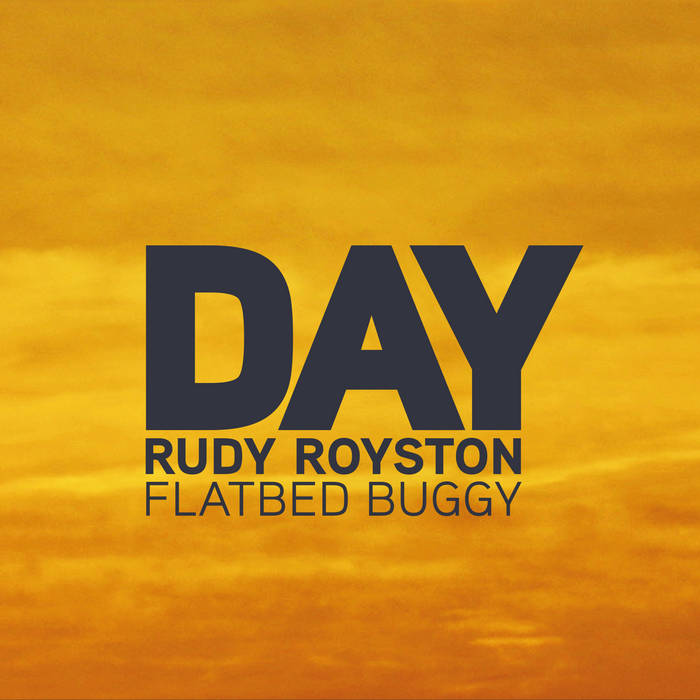
Rudy Royston Flatbed Buggy – "Day" (Greeenleaf Music) – The second gem to be recorded by drummer/ composer Royston and his simpatico ensemble composed of John Ellis (bass clarinet and clarinet), Hank Roberts (cello), Gary Versace (accordion), and Joe Martin (bass), the 10-song album is more of an "interior" album than the Quintet's 2018 debut. While still inspired by his childhood in Texas, the new album is built upon compositions that the drummer created during the pandemic with these musicians in mind. Whi]lew the music is quite impressive, the sound of this ensemble really stands out. Each instrument is distinct in the mix, each musician contributes to the success of the music, and it's a true joy to listen to these people play!  

For more information, go to  https://rudyroyston.bandcamp.com/

Listen to "Thank You for This Day":


Tyshawn Sorey Trio – "Continuing" (Pi Recordings) – Jazz piano trio fans, take notice –– here's an ensemble that has much to offer.  Drummer and conceptualist Sorey plays in so many types of settings that one might consider his albums with pianist Aaron Diehl and bassist Matt Brewer as a move back toward the mainstream. Who cares?  This is a fascinating program; four long performances of pieces by Ahmad Jamal, Harold Mabern, Wayne Shorter, and the classic standard "Angel Eyes" by Matt Dennis, each one with standout performances. Diehl shines throughout (gives this person a MacArthur Genius Grant so he can realize his full potential –– it certainly worked for Sorey) while Brewer and drummer are solid without being intrusive.  In fact, Sorey gives his bandmates plenty of solo space, rarely stepping out but always keeping the music moving forward.  The Mabern piece, "In What Direction Are You Headed", seriously kicks and is an excellent tribute to one of Sorey's mentors.  


Here's Mr. Shorter's "Reincarnation Blues":


More to follow!

Friday, September 8, 2023

Tribute and Tributaries

In May of 2021, tenor saxophonist and composer James Brandon Lewis released "Jesup Wagon" on Tao Forms (AUM Fidelity). The music on the album told the inspirational story of George Washington Carver (1864-1943), agricultural scientist, inventor, and community organizer (the Southern farming communities). The recording introduced the world to the Red Lily Quintet. Composed of Lewis, Kirk Knuffke (cornet), Chris Hoffman (cello), William Parker (bass), and Chad Taylor (drums, percussion), the ensemble contains multitudes, playing with creativity, invention fire, and wit. The album made a slew of "Best of" lists later that year and deservedly so.

Lewis and the RLQ is back, this time album inspired by the saxophonist's grandmother.  "For Mahalia, With Love" (Tao Forms) is a nine-song program of spirituals made famous by Ms. Jackson (1911-1972) during the four+ decades she toured the United States and the world.  Many people point to the influence of Gospel music on the blues and "soul" music but certainly Black spirituals have influenced a multitude of artists from Louis Armstrong to Duke Ellington to John Coltrane to Archie Shepp to the wonderful albums of Hank Jones and Charlie Haden (there are plenty more).  Lewis and company lean more to the Coltrane type of "testifying" but unlike the 1965 classic "A Love Supreme", there is only one original work on "For Mahalia"–the program opens with "Sparrow", which includes the melody "His Eye Is On The Sparrow" (composed in 1905 by Charles H. Gabriel and Civilla D. Martin) and the leader's "Even the Sparrow".  

Smithsonian/Museum of African History
This music covers a wide swath of territory. From the fiery saxophone shouts on "Calvary" to the swinging final minutes of "Go Down Moses" to the hard-edged driving force of "Wade In The Water" to the joyous power of "Swing Low", this is music that celebrates Ms. Jackson's legacy and builds upon the lessons learned, the lives lost, and the freedoms gained (and now in jeopardy) over the last 400 years.  The music also builds off the messages in the music adapted from the teachings Blacks learned in their churches, the prayers of hope and freedom that flowed into and out of the music. Check out the sly grooves of "Elijah Rock", the splendid bass solo that opens the piece, the long rubato tenor/trumpet call-and-response, and the mid-song drop into tempo; if that does not makes you want to shout "Hallelujah" for its sweet blend of African, Swing, and Caribbean rhythms, I do not know what will

The Red Lily Quintet is an excellent ensemble and the music James Brandon Lewis creates and/or arranges for them gives each person room to move, to influence the direction, to add to the harmonies, to engage in the call-and-response, and more.  The saxophonist's interactions with Knuffke soar, shout praise, and dance on many of the pieces.  Parker and Taylor are...well....they are a rhythm section par excellence in that one creates the foundation and the other the flow plus the fire. There are times when Hoffman's cello gets covered but he's there, sometimes playing counterpoint to the melody, other times counterpoint to the bass lines.  

All told, "For Mahalia, With Love" is a great collection of songs for many and varied reasons, not the least of which is the the ensemble's powerful playing and the excellent settings created by James Brandon Lewis.  Do dip your feet into this mighty stream!

For more information, go to https://jblewis.com/about.  To purchase the recording, go to https://jamesbrandonlewis.bandcamp.com/album/for-mahalia-with-love.  For a limited time, if you purchase the compact disk or vinyl versions of the album, you receive a second disk features Lewis leading the Lutoslawski Quartet in his chamber music piece "These Are Soulful Days", recorded live at its premiere performance in November 2021 at the Jazztopad Festival in Wroclaw, Poland.  

Revive your spirits with "Swing Low":


Photo: Brian Harkin/NYT
Tenor saxophonist Mark Turner has been collecting critical acclaim since he moved to New York City in the early 1990s.  One might say he has a "cool" tone" but you could also argue he's very much his own man.  In late 2019, Turner recorded "Return From the Stars" for ECM with a quartet featuring Jason Palmer (trumpet), long-time collaborator Joe Martin (acoustic bass), and the young, dynamic, drummer Jonathan Pinson.   That group was invited by photographer and label owner Jimmy Katz (Giant Step Arts) to take part in his label's new series. Titled "Modern Masters and New Horizons", the series is curated by Palmer and drummer Nasheet Waits and will include contributions from artists such as vibraphonist Chien Chien Lu, saxophonists Neta Ranaan and Ben Solomon, drummer Eric McPherson and others. 


The first release in the series "Live at The Village Vanguard" and features the Mark Turner Quartet, the same ensemble on the ECM album. Recorded over two nights in June of 2022, the 11-song, 2+ hours, program features material from the earlier studio recording, new pieces written specifically for this ensemble as well as older Turner originals.  What Katz the producer is get out of the artist's way and lets the band do what they do best–play.  Listen to "Return from the Stars" below to hear how tight the band is, how much they listen to each other, and how this music flows.  "Brother, Sister", first recorded in 2014 for ECM with a different quartet (save for Martin), opens with a long, poetic, powerful, solo tenor sax statement––the band comes in seemingly on tiptoes but pay attention to Pinson on the offbeat and Martin's swinging counterpoint.  Palmer gets a shorter unaccompanied solo before the the band reenters. Now the trumpet and sax play long tones while Martin solos.  Notice how the textures change as the music moves forward. 

The newest piece on the album, "Wasteland", is a fascinating ballad that also opens with an unaccompanied tenor sax solo––this time, one hears a plaintive cry, a sense of deep sorrow or, even, loss of hope that leads to a full group elegy. There are long bass notes, Pinson on his toms, a melody line for the sax and trumpet that starts in unison, moves away, and back but in counterpoint now.  When you listen to the song in total, you realize that not only is it an elegy but also serves as a vehicle for the drummer to create short solos in response to and seeming rejection of sorrow.

Photo: Jimmy & Dena Katz
"It's Not Alright With Me" is, at 18:36, the longest track on the album. The playfulness of the melody brings images of the Clifford Brown/Max Roach Quintet. While the rhythms prances and struts, the band takes its time to move through the melody section.  Martin gets the first solo and it's a tour-de-force, quite melodic yet percussive, careering forward at breakneck speed. Turner's solo starts slowly but he rides the waves created by Pinson to create a masterful, hard-edged, dramatic solo.  

The oldest Turner song on the program, "Lennie Groove", is from the leader's second album, 1998's "In This World".  The piece has a nervous, almost jittery, melody line which does fall into a delightfully swinging "groove".  

"Live at The Village Vanguard" is yet another high water mark in Mark Turner's three decade career.  To me, the best to listen to this album is to sit back, put on headphones, pretend you're at one of the tables at the Vanguard, and let the music play.  There's so much music to listen to so take your time and let them play!

As of now, the best place to find out more about the album is to click on this link: https://www.giantsteparts.org/news/2023/4/3/giant-step-arts-launches-modern-masters-and-new-horizons-series-with-the-first-ever-live-album-as-a-leader-by-saxophonist-mark-turner-recorded-at-the-iconic-village-vanguard.  You can buy copies of the CD at Mark Turner's gigs and there will soon be a Bandcamp link to purchase digital copies. This page will be updated as soon as that happens

Here's the opening track, "Return From the Stars":


Monday, June 19, 2023

Juneteenth Music

 This, from Bandcamp.com:

On June 19 (from midnight (PT) June 19 to midnight (PT) June 20), we’ll hold our annual Juneteenth fundraiser, where we donate 100% of our share of sales* to the NAACP Legal Defense Fund to support their ongoing efforts to promote racial justice through litigation, advocacy, and public education.

This annual fundraiser is part of our larger, ongoing commitment to racial equity, and we’ll continue to promote diversity and opportunity through our mission to support artists, the products we develop, those we promote through the Bandcamp Daily and Bandcamp Radio, how we work together as a team, who and how we hire, and our relationships with organizations local to our Oakland space (some of which we’ve highlighted below).

We hope you’ll help us spread the word about the upcoming fundraiser, and thank you for being a part of the Bandcamp community!

Ethan Diamond
CEO & Co-Founder of Bandcamp

Here's a few suggestions:


Trombonist/tubaist, composer, and educator Bill Lowe has created this work partially based on Jean Toomer's groundbreaking 1923 novel "Cane" as well as a musical biography.  The program also includes compositions from Frank Foster whose Big Band the trombonist performed with months after moving to New York City and Bill Barron who was not only a fine composer but a Professor of Music at Wesleyan University when Lowe was a Visiting Artist-in-Residence (Author's note: Professor Lowe taught in the Graduate Liberal Studies Program and was my first teacher when I went there to get my Master's Degree). For this album, Lowe organized the Signifyin' Natives Ensemble featuring Taylor Ho Bynum (cornet, flugelhorn), Hafez Modirzadeh (alto saxophone, percussion), Luther Gray (drums), Ken Filiano (bass), Kevin Harris (piano), and the impressive young vocalist Naledi Masilo.  

Here's "Karintha" one of the three tracks from the "Cane Suite":


Go to https://billlowe.bandcamp.com/album/sweet-cane to hear more and purchase the album.

Here are several more suggestions (both of which I purchased):


The Pan Afrikan Peoples Arkestra – "60 Years" (self-released) – This, hopefully, is the first of numerous retrospectives of the six decades of music created by the PAPA, founded in Los Angeles. CA, by pianist and composer Horace Tapscott. It's a great story of perseverance, creativity, promise, and self-determination.

Listen to "The Ballad of Deadwood Dick" recorded in 1995:


Go to https://panafrikanpeoplesarkestra.bandcamp.com/album/60-years to find out more and to purchase the album.


James Brandon Lewis/Red Lily Quintet – "Jesup Wagon" (TAO Forms) – This impressive album has been out for several years and should be in everyone's collection. Based on the life and work of American botanist George Washington Carver, tenor saxophonist Lewis created the music with an impressive ensemble including long-time associate Chad Taylor (drums, mbira), Kirk Knuffke (cornet), William Parker (bass, gimbri), and Chris Hoffman (cello).  Powerful story, powerful music!

Listen to "Fallen Flowers":


Saturday, December 24, 2022

Of These I Sing (Part 2)

You should think of "OTIS Pt 2" as the other albums that could have been in "Part 1" save for the space and attention span (mine).  I love this music and the genuine creativity of the musicians makes me hope for a future that is bright and welcoming for our successors.

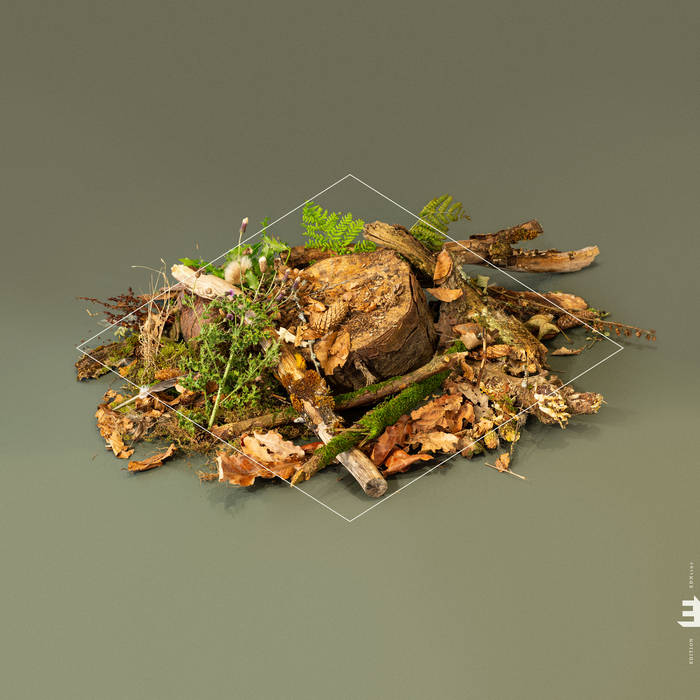
Fergus McCreadie – "Forest Floor" (Edition Records) – This is the third album from Scottish pianist McCreadie, the third to feature his trio of bassist David Bowden and drummer Stephen Henderson. All are busy on the growing Jazz scene in Scotland (and beyond) but when they come together to play McCreadie's music, magic happens! The pianist has become even more melodic in the past several years; though he can still play with exquisite technique, the pianist and the rhythm section are concentrating on telling stories and delivering messages in their music. One can still hear the influence of Highland reels, at times, and that is a welcome delight!

Listen to "The Unfurrowed Field":


Vadim Neselovskyi – "Odesa: a Musical Walk Through a Legendary City" – (Sunnyside Records) – Speaking of stories, four months after Russia invaded Ukraine (February 2022), pianist, composer, and educator Neselovskyi released this tribute to the city where he was born and raised (moving to Germany at the age of 17).  One can not help but write that emotional pull of the terrible war (and the horrific stories we have heard and seen) gives this music heft––still, this is a tribute to the vibrant country where the pianist spent his formative years, to the family and friends he left behind, and to his desire that the country remain free. Since the album's release, Neselovskyi has toured extensively raising money to help refugees and the displaced within the country.  

Walk down the "Potemkin Stairs":


Andrew Cyrille, William Parker, & Enrico Rava"2 Blues for Cecil" (TUM Records) – This release was a delightful surprise when it was issued in late January.  These three masters play tribute to pianist and composer Cecil Taylor, not be imitating him or covering his music but by demonstrating how the rhythmic innovations and startling melodic explorations can be interpreted so magically.  Messrs. Cyrille and Rava (both born in 1939) sound great together and Mr. Parker (13 years their junior) keeps them on their musical toes.   All three contribute compositions and there are four improvised plus a sweet version of "My Funny Valentine".

Here's "Ballerina":


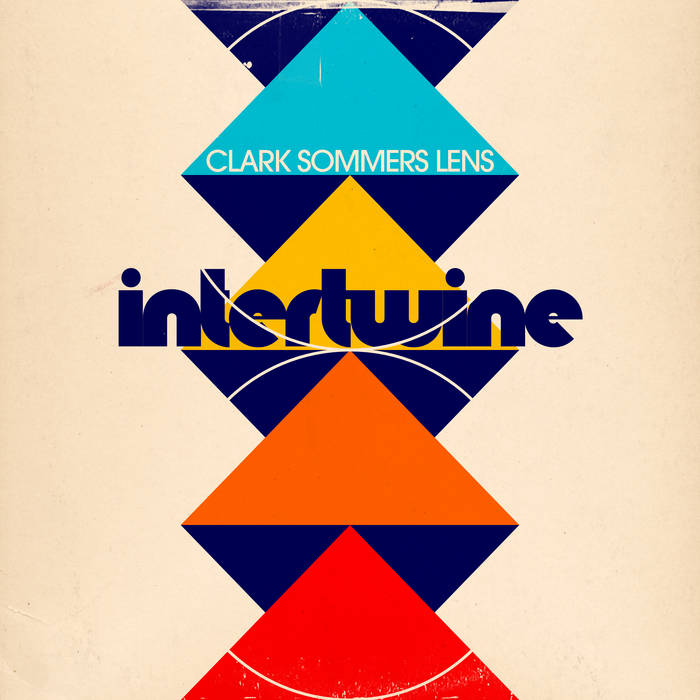
Clark Sommers Lens – "Intertwine" (Outside In Music) – Bassist Sommers is often the glue in the various sideman projects he takes part––on his own, he shows a fine ear for melody, for allowing his music to breathe, and for giving his bandmates the room to create.  There is a lot of music on "Intertwine" so let it roll through your brain and soon it will find its way to your heart. While I find the ballads most rewarding, there are several hard-edged pieces that sound great turned up loud! Great playing from the leader and from Chris Madsen (tenor sax), Geof Bradfield (bass clarinet, soprano and tenor saxes), Matt Gold (guitar), and Dana Hall (drums). 

Here's "Second Guess":


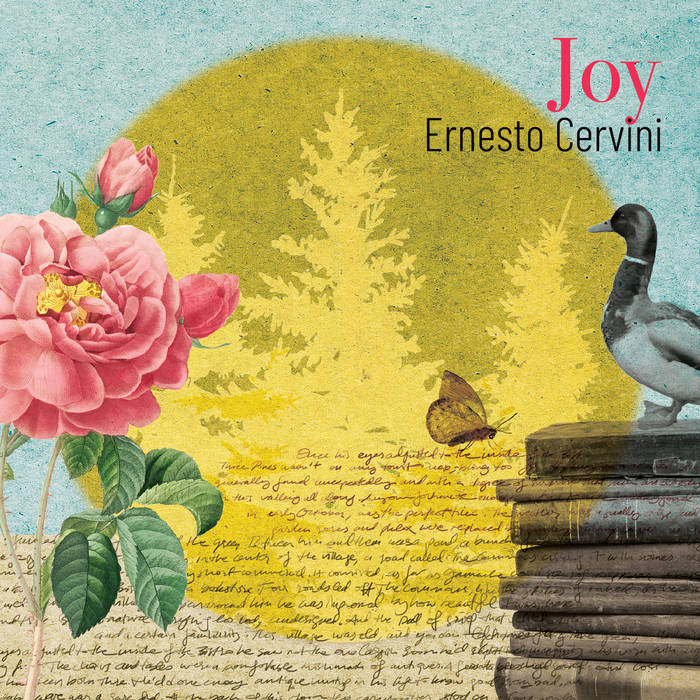
Ernesto Cervini – "Joy" (TPR) – Drummer, composer, arranger, and publicist Cervini is a fan of the mysteries of Canadian author Louise Penny. And, for good reason. She writes mysteries where the lead character, Chief Inspector Armand Gamache, spend many days and nights in the fictional town of Three Pines, Quebec, solving complicated murders and discovering just how magical a place it can be.  The drummer has created a fascinating suite of music featuring members of Turboprop, Tune Town, and Tetrahedron, groups that he leads or co-leads. Also, there are a number of guests, all who work to describe the characters who inhabit the town as well as the Chief Inspector and two of his closest associates. It's a smart idea that covers a lot of musical and literary territory!

Blues inspired by duck?  Listen here to "Ruth's Rosa":


David Murray Brave New World Trio – "Seriana Promethia" (Intakt Records) – Murray, who excels on bass clarinet and tenor, remains vital well into his seventh decade. This "power trio" date on Intakt features bassist Brad Jones and drummer Hamid Drake playing music that swings, rock, whispers, squalls, and, at times, that you can dance to.  The music on this album, all originals from Murray, is neither dated nor imitative but vital, exciting, and impressive. There's not a wasted note in this program only music that will challenge, soothe, and ultimately remind you of the power and grace of Black American Music.

Dance to the funky title track:


James Brandon Lewis Quartet – "Live: Molecular Systematic Music" (Intakt Records) – Bassist Jones (see directly above) is also a member of saxophonist and composer Lewis's "Molecular Music" Quartet.  Along with Lewis and Jones are pianist Aruan Ortiz and drummer Chad Taylor.  This double CD set was recorded on the opening night (May 15) of the ensemble's 2021 European tour, the first time the group had played together since they recorded the second album, "Codes of Being" (released in October of 2021).  The excitement and enthusiasm of the musicians is palpable; the fiery playing may remind some of John Coltrane's classic Quartet but these songs display Lewis's growing maturity as a songwriter and a leader.  He is quickly becoming a major voice as a musician, composer, and storyteller.

Hear "Of First Importance":


Art Hirahara – "Verdant Valley" (Posi-Tone Records) - Pianist and composer Hirahara is an impressive pianist (also plays organ on occasion) and has developed into a top-notch composer.  His work for producer Marc Free and Posi-Tone Records (now eight albums as a leader and more as a sideman) sparkles with creativity and swings lustily with a softer side that is often lyrical and poetic. Joined here by bassist Boris Kozlov and drummer Rudy Royston with saxophonist/ flutist Donny McCaslin showing up on over half the tracks, the album jumps out of the speakers with a joy and intensity second to none. This is another recording that will make you glad to be alive in this day and age!

Hear "Zero Hour":


Dave Douglas Quintet – "Songs of Ascent: Book 1 – Degrees" (Greenleaf Music) – Mr. Douglas and his "Be Still" Quintet––Jon Irabagon (saxophones), Matt Mitchell (piano), Linda May Han Oh (bass), and Rudy Royston (drums)––created these musical interpretations of Old Testament Psalms in a unique. The leader played all his parts, sent those of to Mr. Irabagon who played his parts and passed them on to Mr. Mitchell and so on.  To these ears, this music is alive, feeling like the Quintet is playing together in a studio. That's a tribute to the composer's vision and the great talents of the ensemble.  

There's a "Book 2" that is only available to subscribers of Greenleaf Music.  Believe me, it's worth the investment! Go to https://greenleafmusic.com/ and find out more.

Listen to "Lift Up My Eyes":


Pablo Ablanedo – "Chistreza" (Newvelle Records Digital) – The folks at Newvelle Records have begun this year to release digital versions of the high quality vinyl albums that have captured listeners attention over the past six years.  "Chistreza" is a gem from pianist-composer Ablanedo featuring the band he recorded his debut album with over 20 years before. What a band––violinist Jenny Scheinman, saxophonists Chris Cheek, Jerome Sabbagh, and Anat Cohen (clarinet only), trumpeter Diego Urcola, guitarist Ben Monder, bassist Fernando Huergo, and drummer Franco Pinna (with saxophonist Daniel Ian Smith on two tracks. Best of all, the original compositions are well-drawn, the arrangements sharp, and the soloists impressive.

Listen here to "La Señal":


Yes, Virginia, there is a "Part 3" coming soon!


Tuesday, December 21, 2021

2021 - Music that Moved, Soothed, Educated, and Inspired (Part 1)

 One gets to a certain point in life, especially if one has been reviewing albums for over five decades, that you realize what it is that really moves you. 2021, and all the craziness that has occurred, the anger, the apathy, the bullshit, the miracles, the possibilities, has been filled with a ton of great music.  Impossible to pick one favorite, never mind 10.  This list is split into two parts: the first list contains the 10+ I chose for the Critics Poll. 

James Brandon Lewis/ Red Lily Quintet – "Jesup Wagon" (Tao Forms) – Great story, great playing, important message, JBL and cohorts (drummer Chad Taylor, bassist William Parker, cornettist Kirk Knuffke, and cellist Chris Hoffman) create sounds soaked in blues and country folk, post-bop and more, into one of the freshest programs of this or any year. 
JBL's new Intakt release, "Code of Being", is also worth your close attention but start here!


Various Artists – "Kimbrough" (Newvelle Records Digital only) –– It's been almost a year since pianist/ composer/ educator Frank Kimbrough passed on and the effects of his passing continue to reverberate through the music. To honor Kimbrough's accomplishments as a composer and educator, producer and Newvelle Records co-owner Evan Mehler (also a former student) gathered 65 musicians, many of whom had played and/or studied with FK. The producer and the musicians spent four days in May in the studio in various formations recording 60 of Kimbrough's composition (one song is recorded twice, one with a vocalist, the other time as an instrumental). Two months, Newvelle released the 61 tracks as a digital download and at a reduced price –– the music is well worth exploring, painting multiple portraits of a composer always looking to create new ways of expressing melody and emotion.


Ches Smith and We All Break – Path of Seven Colors (Pyroclastic Records) - Percussionist, composer, and experimenter Ches Smith first got involved playing Haitian Vodou music over two decades, first as an accompanist for dancers before forming his group and creating new music for a quartet (drums, percussion, and piano) he formed.  That group recorded in 2015 on a small label.  For his second album, We All Break has expanded to an octet, adding a female vocalist, a fourth percussionist, and the evocative alto saxophone of Miguel Zenón. The music is fascinating, hypnotic, the rhythms pouring out of the speakers pushed by the small army of percussionists and pianist Matt Mitchell. Great package (if you buy the CD), so colorful plus informative and you get the quartet album as well!


Kate McGarry & Keith Ganz Ensemble – "
What To Wear in the Dark" (Resilience Music) - Just what one needs in the midst of a dark year is music that teaches us about love, resilience, friendship, creativity, and more.  Ms. McGarry and Mr. Ganz reimagine a number of songs from artists such as The Beatles, Steely Dan, Leonard Cohen, Paul Simon, and others, creating a program that often lads the listener back to the possibility of hope. Not only is Ms. McGarry's voice in splendid shape but also the arrangements by Mr. Ganz stand out for their creativity and musicianship.

Go to https://katemcgarry.com/music/ for more information.


Julius Hemphill – "The Boyé Multi-National Crusade for Harmony: Archival Recordings 1977-2007" (New World Records) – As Historical Recordings/ Reissues go, this seven CD set of live and studio recordings from the late composer, saxophonist, and conceptualist Hemphill (1938-1995) is akin to finding a vein of gold running through your backyard.  Kudos to producer/ curator Marty Ehrlich for his tireless work going through Mr. Hemphill's archives of papers and tapes housed at the Fales Library & Special Collections of New York University.  If you're a fan of Mr. Hemphill's adventurous music, this collection is a must. If you don't know how important he was to Black American Music in the last 25 years of the 20th Century, this set is essential learning.


Steve Coleman and Five Elements – "Live at The Village Vanguard (MDW NTR)" (Pi Recordings) – This two-CD set from MacArthur Genius grant recipient and innovator Coleman's May 2018 three nights at the legendary New York City music venue continues an incredible of amazing music that the Chicago native has produced over the past three+ decades.  Mr. Coleman is his usual fiery self on alto saxophone surrounded by the stunning rhythm section of Anthony Tidd (bass) and Sean Rickman (drums) with the exploratory trumpet of Jonathan Finlayson and the brilliant vocal poetry of Kokayi. This music is relentless and once you start listening, you do not want to stop. 


Henry Threadgill ZOOID – "Poof" (Pi Recordings) - Mr. Threadgill is deep into his sixth decade of stretching the boundaries of Creative Music; ZOOID celebrated its 20th Anniversary this year showing no end to the creative adventures that the composer/ alto saxophonist/ flutist designs for them.  Some people call this music jazz, some classical, but it's so much more than that. This music is storytelling that reaches into both your brain and soul, exposing one to possibilities of melody, sound, interaction, and ideas that seem radical but once absorbed, become part of one's DNA.  And, it's always a treat when Mr. Threadgill plays with his band!


Wadada Leo Smith's Great Lakes Quartet – "The Chicago Symphonies" (TUM Records) – Wadada Leo Smith's music was ubiquitous in 2021 and believe me when I tell you it's hard to pick just one (in fact, all four of his TUM releases make my extended list (the entire list will be posted soon).  While the trumpeter/ composer/ conceptualist is not a Chicago native, his amazing musical vision began to find its shapes while working with various members of the AACM, coming to life as he played alongside Anthony Braxton, the late violinist Leroy Jenkins, and late drummer Steve McCall.  His Great Lake Quartet includes two Chicago stalwarts, Henry Threadgill and drummer Jack DeJohnette, plus long-time ally, bassist John Lindberg (saxophonist Jonathon Haffner replaces Mr. Threadgill on disk 4).  These four "Symphonies" focus on the people and ideas that Mr. Smith encountered in Chicago and the AACM people he encountered later in Paris, France, and New Haven, CT.  I spent the better part of two weeks almost exclusively listening to these disks and still hear new ideas and make new connections when I return to the albums.


Sonny Rollins – "Rollins in Holland: the 1967 Studio & Live Recordings" (Resonance Records) – As the psychedelic era of rock music enveloped the United States in its smoky haze, jazz masters were beginning to lose their places on the Hot 100 albums and many clubs were revising their music policy. Tenor sax master Sonny Rollins was about to on another sabbatical but before he did, he honored a number of outstanding performances. He landed in Holland in May of 1967, met his rhythm section, bassist Ruud Jacobs and drummer Han Bennink, played a radio show and a couple of club dates, then moved on.  The music on this two CD set features shorter pieces recorded for the noontime radio show plus a generous helping of longer cuts from the "live" dates.  The sound quality of the broadcasts are top-notch but the relative brevity of the tracks does not give the leader music room to stretch; he's also quite generous in giving solo time to his rhythm section. The longer live cuts have poorer sound quality but Mr. Rollins shines throughout! 


Chet Doxas - "You Can't Take It With You" (Whirlwind Recordings) – Tenor saxophonist Doxas in a trio setting with pianist Ethan Iverson and bassist Thomas Morgan playing a delightful and heartfelt program of standards and originals.  The intimacy of this trio sans drums pulls the listener in, seducing one with melodic interplay, thoughtful interpretations, intelligent solos, and a sense of calm.  Doxas can "blow" with the best but here he chooses melody over facility/ technique. It's music for early morning and long nights when one can soak in the sounds without engaging the rest of the world.  


Mario Pavone Dialects Trio + 1 – "Blue Vertical" (Out of Your Head Records) –  In my original list, I posted "Isabella", the album Mr Pavone recorded with his Tampa Quartet in late February of this year but, after going back and listening to both posthumous albums, this one stood out a bit more. Recorded four weeks later (and six weeks before cancer claimed his life), one is amazed by the depth of the compositions (plus the brilliant of trumpeter Dave Ballou) and Mr. Pavone's stellar musicianship. Pianist Matt Mitchell and Tyshawn Sorey fill out the band – this ensemble's  history with the bassist explains why the music feels so urgent but not rushed.  Though I knew Mario Pavone for almost five decades, heard him play countless times, this is not a sentimental favorite.  This album shines brightly!


Roy Brooks – "Understanding" (Reel-to-Real Records) – For a time in the late 1960s and 70s, Roy Brooks was the "drummer" from Detroit. Not only did he lead his own ensembles but he also played alongside Horace Silver, Yusef Lateef, Chet Baker, and in Max Roach's percussion ensemble  M'Boom. This "buried" treasure was recorded live in Baltimore, MD, on November 1, 1970 and features the amazing trumpet work of Woody Shaw, tenor saxophonist Carlos Garnett, pianist Harold Mabern, and bassist Cecil McBee.  The intensity level this quintet creates leaps out of the speakers (the interactions between Shaw and Brooks are reminiscent of those of John Coltrane and Elvin Jones – no prisoners!) Roy Brooks, who passed in 2005, had a tough life yet his flame shone brightly until his illnesses got the best of him.  


Glenn Close & Ted Nash – "Transformation" (Tiger Turn) – Ms. Close and Mr. Nash decided to work together after the actress hosted the Lincoln Center Jazz Orchestra (of which Mr. Nash is a charter member) after a concert near her summer home in Maine. They threw ideas around for a collaboration and settled on telling stories about people who have made life-changing decisions and the people those decisions affect.  The blend of Mr. Nash's original music with the stories of people such as the saxophonist's son Eli, actor/ comedian Wayne Brady, convicted murderer Judith Clarke, activist Matthew Stevenson, E.O Wilson, playwright Tony Kushner, and others, remind us how complex the world can be and how the simple acts of paying attention and acceptance can make such a difference.  

Go to https://tednash.com/.  

More to follow!  Everyone, be safe!


Monday, April 26, 2021

History In the Present Tense

 For the first 2/3rds (or so) of the 20th Century, Black Creative Music was concerned with "today"or "looking to tomorrow, to a better day". With the passing of John Coltrane, the music seemed, in the public eye, to stall only to be rejuvenated the following decade by the work of Chicago's AACM but soon retreated again under the onslaught of new, more commercial, developments such as hip-hop and rap, as well as the rise of the Neo-Conservatives.  Still, many artists in the 21st Century have figured out how to keep one foot in the past, the other in the present, and an eye to the future.

Over the past decade+, tenor saxophonist, composer, and poet James Brandon Lewis has been receiving more and more attention for his creative approaches to Black Music.  He's issued six albums as a leader, two co-lead with drummer/ mbira player Chad Taylor, and is one of the co-founders of the poetry/ music/ performance art ensemble Heroes Are Gang Leaders.  His tone on tenor saxophone hearkens back to John Coltrane and Archie Shepp but his music takes its directions form artists such as Henry Threadgill, the Art Ensemble of Chicago, Julius Hemphill, and Oliver Lake.  After graduating from Howard University in 2006, the Buffalo, NY, native spent several years in Colorado playing gospel music. Lewis did his graduate work at CalArts, studying with Charlie Haden and Wadada Leo Smith (and others) before moving to New York City in 2012.  There, he began playing with pianist Marilyn Crispell, vibraphonist Karl Berger, pianist Eri Yamamoto, and fellow tenor saxophonist Charle Gayle.  His debut CD, "Moments", was self-released in 2010; since then, he's released two albums on Okeh Music, one each on BNS Records and Intakt Music, and, in 2019, Relative Pitch released "An Unruly Manifesto". 

His new album, "Jesup Wagon" (Tao Forms), was recorded during the pandemic and tells the story of Dr. George Washington Carver (1864-1943). Born in the South before the end of the Civil War, Dr. Carver went on study at Iowa State Agricultural College and started at Tuskegee University in Alabama in 1896 becoming the Director of the Agricultural Experimentation Station the following year. Most people know of the work he did with peanuts but he also found over 100 uses for sweet potatoes but was also an artist (the album cover is his painting), a musician (he played piano and accordion), and was an early environmentalist.  Dr. Carver believed that science and art worked hand-in-hand to create a fuller human being. When Lewis was a young student, he was very interested in Science and wrote a paper on Dr. Carver. With the release of the new album, Lewis can not only celebrate the life of an amazing person but also give the listener a bigger picture of his accomplishments.

The album takes its name from from the movable science Experiment Station that Dr. Carver designed in 1906 (pictured left) as a mobile school to help poor Black farmers in Alabama.  Because the vehicle was loaded down, the station moved quite slowly. Still, it moved through the countryside helping as many people as possible.  To tell this story and to have resonate with the sounds of the Deep South, Lewis populates his songs with the sounds of the Red Lily Quintet, a group composed of Kirk Knuffke (cornet), Chad Taylor (drums, mbira), William Parker (bass, gimbri - which is a three-string bass lute), and Chris Hoffman (cello).  This music may remind one of Julius Hemphill's "Dogon A.D." or some of the pieces Henry Threadgill composed for Air and his Sextett.  

The title song opens the album – in fact, Lewis opens the album unaccompanied playing a blues melody, blatting out low notes, squealing now and then. The band enters and we are dancing forward on the hard blues of Knuffke's cornet. Pay attention to the rhythm section, to the plucked cello and thumping bass and, especially to the raucous, hard dancing drums. Parker's gimbri plays a 4-note figure that leads in the drums, cowbell, and hand percussion plus Hoffman's cello for "Lowlands of Sorrow". The song, named for the conditions Dr. Carver found when he arrived at the fields that the sharecroppers used to grow what they could under adverse conditions. Lewis's tumultuous tenor spars with the crisp sounds of the cornet –– their "conversation" over the roiling rhythm section drive the piece to its quiet conclusion. 

This powerful music rarely lets up. From the fugue-like opening of "Arachis" which leads to a rumbling free-blowing mid-section to the dancing rhythms of "Fallen Flowers" (Hoffman's bowed then plucked solo over just drums and bass stands out) to the relentless drive of "Experiment Station", Taylor pushes the band from his drum seat while Lewis's tenor sax roars, Knuffke's cornet crackles, Hoffman's cello shines in counterpoint, and Parker's bass holds the proceedings together.  

Put simply, "Jesup Wagon" is a great album, certainly one of the best releases in the past 18 months. Not only does James Brandon Lewis weave a compelling narrative about the genius that was Dr George Washington Carver but also subtly reminds the listener of the hardships Black people had in the United States through the first half of the 20th Century (and beyond).  Another highlight of the album package is the excellent and comprehensive essay from author Robin D. G. Kelley. This music of the Red Lily Quintet will certainly challenge you but the rewards are great.

For more information, go to www.jblewis.com/.  To listen to and purchase "Jesup Wagon", go to  https://jamesbrandonlewis.bandcamp.com/album/jesup-wagon.


Photo: Irina Rozovsky
Dan Blake (tenor and soprano saxophones), like many of his contemporaries, is a multi-faceted composer. He has recorded and released three albums is the jazz genre plus has composed for the contemporary classical Mivos Quartet as well as a Chamber Orchestra and done several soundtracks for short films.  He studied at the New England Conservatory of Music and Tufts University (working n two degrees simultaneously.  Among the people he studied music with was Steve Lacy, Danilo Perez, Robert Dick, and composer Tania Leon.  He has played and recorded with percussionist Rogerio Boccato, Anthony Braxton, Esperanza Spalding, and keyboard artist Leo Genovese.

His fourth album (second for Sunnyside Records), "Da Fé", features Carmen Staaf (piano, Fender Rhodes), Dmitri Ishenko (acoustic and electric basses), and Jeff Williams (drums) plus Leo Genovese (synths, electric keyboards, Fender Rhodes, acoustic piano).  While Blake's 2016 Sunnyside release "The Digging", was basically a trio album (bassist Ishenko and drummer Eric Harland) that had a "freer" sound, "Da Fé" covers a wider swath of musical territory owing to the work of John Coltrane in the 60s and Wayne Shorter in the 80s through the present day.  Pieces such as "Fish in Puddles" and "Cry In The East" feature strong piano work from Ms. Staaf and the impressive, open-ended, drumming of Williams.  The solid rhythm section gives the Blake's soprano plenty of support to express its feeling of freedom, of soaring through cloudless skies. The addition of Genovese's slippery synth work on "...Puddles" and Blake's overdubbed sopranos during the last 90 seconds adds more heft.

The opening of "Dr. Armchair" explodes with shards of sound from the piano and soprano before Blake and Ms. Staff play the melody.  While the rhythm section keeps a steady beat, the front line go on wild ride.  They move back to and away from melody led by the crashing phrases of the pianist.  Then the song just stops.  There's an urgency to the tenor saxophone on "The Grifter"; as Ms. Staff moves into her solo, the bassist and drummer settle down but the pianist soon pushes to intense interactions.  The tenor solo stays fairly straight-ahead and delightfully melodic until the end when Genovese's synths swoop and the overdubbed tenor .  Blake's overdubbed tenors introduce "The Cliff (Waat)" playing a repetitive figure while the rhythm section push against him and finally join in the fragmented melody.  Soon, several tenors saxes are soloing as is Ms. Staaf while the bass and drums thunder below.  Ishenko's short bass solo quiets the piece down but not for long.

Photo: Christopher Drukker
The title track ("Da Fé" translate to "of faith") rolls in on a steady pulse with Genovese's synths burbling out of the right and left speakers while Blake's soprano chase them in and out of the mix.  Slowly but steadily the piece takes shape especially on the entry of the acoustic piano.  The Shorter influence is quite evident here not so much in the sounds of the soprano sax but with the chattering synthesizers and the long, angular, melody that is played throughout the first half of the 6:30 piece until when Blake takes off on a rambunctious solo shadowed by his recorded loops.  

The "Epilogue – It Heals Itself" is more than an afterthought but a full-throated (Blake on several sopranos and tenors) prayer for a better world.  While the quartet recorded before the Pandemic, both Leo Genovese and Dan Blake spent a day each in the studio adding and overdubbing, filling out the sound changing the density of the music but not the intentions. "Da Fé" illustrates how the saxophonist and composer has matured, how his writing has developed, and how his ideas/ beliefs are clearer to the listener.  Give a listen, give more –– enjoy!

For more information, go to danielblake.net/.  To hear more and to purchase the album, go to https://theaquariansuite.bandcamp.com/album/da-f

Listen to the title track: